

Imagine a dish that’s more than just food—a warm, inviting hug in a bowl that carries ancient stories and a burst of rich flavors. That’s posole soup. It’s not just a recipe; it’s a cultural experience that has transcended generations and borders. If you’ve ever wondered what makes this traditional Mexican delicacy so beloved, or why it keeps popping up at family gatherings and festive celebrations, you’re about to get a full taste of its magic. Let’s dive deep and uncover every detail about posole soup, from its origins to how you can easily whip up your own batch at home.
- What is Posole Soup
- A Glimpse into the History of Posole Soup
- Where Posole Soup First Appeared
- Fascinating Facts about Posole Soup
- The Nutritional Value of Posole Soup
- Posole Soup’s Popularity Across the Globe
- Three Top Recipes to Master Posole Soup at Home
- What to Eat with Posole Soup to Complete the Meal
What is Posole Soup
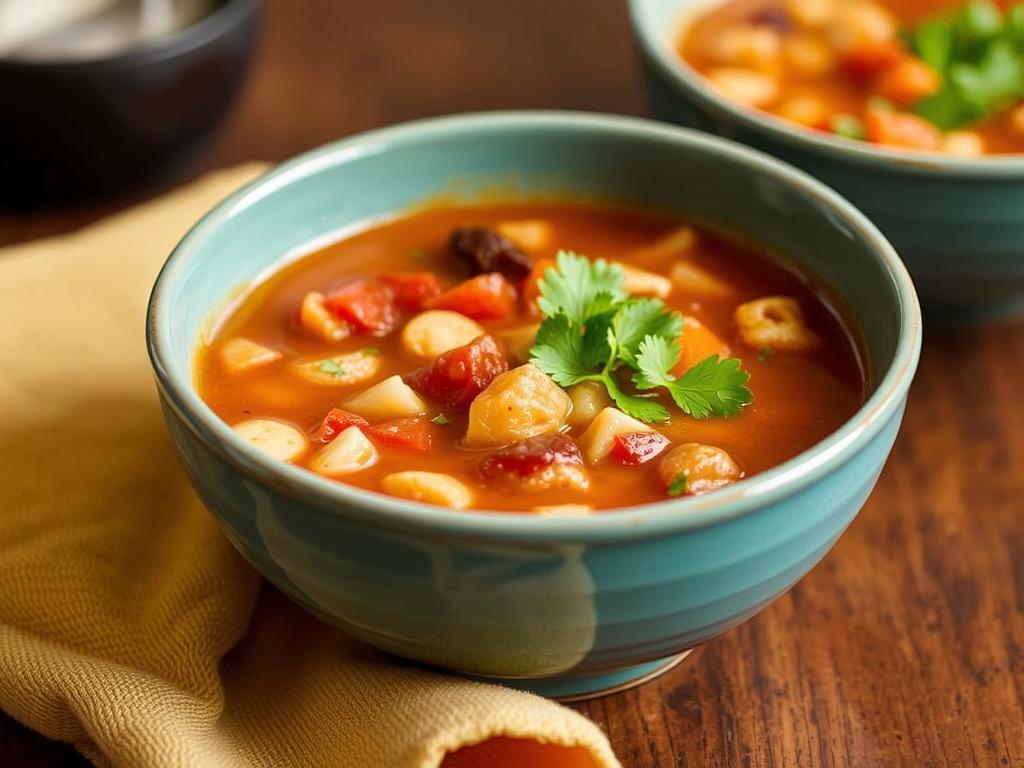
Posole soup is a traditional Mexican stew made primarily from hominy kernels—dried maize treated with an alkaline solution, which gives it a distinct texture and flavor. This hearty soup usually features pork or chicken, stewed together with rich, savory broth seasoned with red or green chilies, garlic, and onions. What’s special is how the hominy puffs up, providing a satisfying chew that complements the tender meat and aromatic broth. It’s often garnished with shredded lettuce, radishes, lime wedges, and chopped onions, creating a complex layering of textures and tastes in every spoonful.
A Glimpse into the History of Posole Soup

Tracing the history of posole soup is like opening a time capsule. This dish dates back to the times of the Aztec civilization, where maize was a sacred crop, central to their diet and rituals. The word “posole” itself is derived from the Nahuatl word “pozolli,” meaning “foam,” which refers to the light scum that forms when the corn is cooking. Traditionally, posole was much more than food—it was part of ceremonial meals and offerings to the gods. Over centuries, as Spanish colonizers arrived and introduced pork, the recipe evolved but stayed rooted in indigenous culture, blending native and European influences into the version widely enjoyed today.
Where Posole Soup First Appeared
Originally, posole soup emerged in what is now central Mexico, particularly in regions like Jalisco, Guerrero, and Morelos. These areas are still renowned for their authentic recipes, often passed down within families. The abundant maize agriculture in these regions made hominy accessible, while local communities adapted the recipe using available meats and seasonings. The dish’s geographic roots explain a lot about its ingredients and popularity—corn has been a staple crop here for millennia, and the locals have refined posole soup into a dish on which entire communities rely during festivals and hearty family meals.
Fascinating Facts about Posole Soup
Posole soup is full of surprises beyond its savory taste. For example:
- There are three main types: red (posole rojo), green (posole verde), and white (posole blanco), each distinguished by the type of chili and preparation method.
- In Mexico, posole is a traditional dish for celebrations such as Christmas, New Year’s, and Independence Day.
- The process of nixtamalization—soaking and cooking maize in alkaline water—was an indigenous technique that improved the nutritional profile of the corn and is key to making hominy.
- Posole is sometimes linked to symbolic meanings, representing community and renewal during social festivities.
The Nutritional Value of Posole Soup
Besides tasting amazing, posole soup offers a solid nutritional punch. Hominy provides complex carbohydrates and dietary fiber, supporting digestion and sustained energy. The meat, usually pork or chicken, contributes high-quality protein essential for muscle repair and overall body function. The broth, rich in spices and herbs, can be low in calories but packed with antioxidants and vitamins. Depending on the toppings—fresh lime, radishes, lettuce—you get added bursts of vitamin C, flavonoids, and hydration. Altogether, posole soup balances comfort and health, making it an excellent choice for a nutritious, fulfilling meal.
Posole Soup’s Popularity Across the Globe
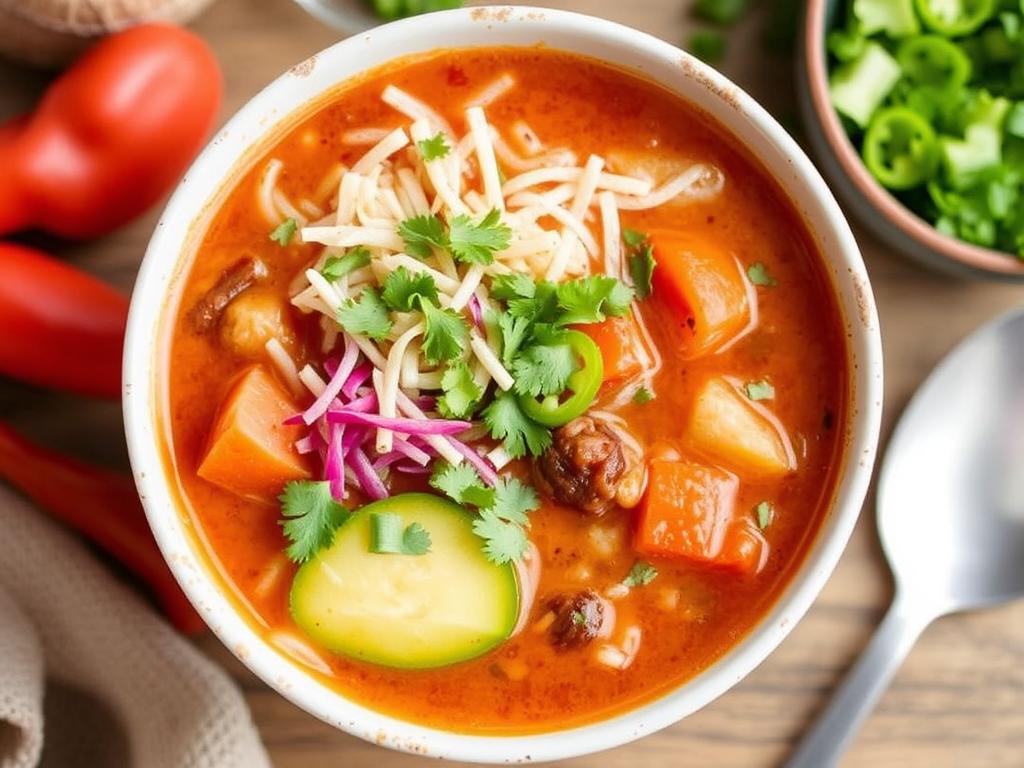
While posole soup is a cornerstone of Mexican cuisine, its reach has been growing internationally. Mexican diasporas in the United States, Canada, and even parts of Europe have brought this cozy bowl of warmth to new audiences. In cities with large Mexican communities, you can find posole on many restaurant menus, especially during the winter months or holiday seasons. Some cooks have even adapted the recipes to local tastes—sometimes substituting pork with chicken or beef, adjusting spice levels, and experimenting with garnishes—helping posole soup become a global ambassador of Mexican comfort food.
Three Top Recipes to Master Posole Soup at Home
Cooking posole soup isn’t as intimidating as it might seem. Here are three delicious variations to try, complete with key ingredients:
| Recipe | Main Ingredients | Distinctive Feature |
|---|---|---|
| Red Posole (Posole Rojo) | Pork shoulder, dried red chilies, hominy, garlic, onion | Rich, smoky flavor from roasted chilies |
| Green Posole (Posole Verde) | Chicken, tomatillos, green chilies, hominy, cilantro | Fresh and tangy with vibrant green broth |
| White Posole (Posole Blanco) | Pork, hominy, garlic, onion | Simple, classic version highlighting corn’s flavor |
Just simmer the meat until tender, prepare the hominy, blend your chilies or tomatillos for the broth, and let everything meld on low heat. Serve hot with fresh lime and crunchy toppings for the authentic experience.
What to Eat with Posole Soup to Complete the Meal
Posole soup is sturdy on its own, but pairing it with the right sides can elevate your dining. Here’s what often accompanies posole:
- Warm corn tortillas or freshly made tostadas to scoop up the soup and add crunch
- Avocado slices bring creaminess that balances the spice
- Pickled jalapeños for an extra kick
- A light salad with radishes and shredded cabbage adds freshness
Ultimately, the beauty of posole soup lies in its adaptability, so you can tailor these pairings to your taste while keeping the heart of the dish intact.
—
Anyone curious about authentic Mexican cuisine should definitely give posole soup a try. Whether you make it from scratch or taste it at a local eatery, it’s a bowl packed with history, warmth, and unmistakable flavor that reflects a rich cultural heritage. So next time the weather turns cold or a festive mood strikes, consider diving spoon-first into a steaming pot of posole soup—it might just become your new comfort food.


