

Milligatawny soup isn’t just your average bowl of broth and veggies; it’s a flavorful journey packed with history, culture, and a surprising twist of spices that invite anyone curious to dive in. At first glance, it might seem like a simple curry-infused soup, but the story behind its origin and its evolution across continents makes it a dish worth exploring. Whether you’ve stumbled across its name in an old cookbook or tasted it somewhere unexpected, there’s so much to uncover about what makes Milligatawny soup unique. Ready to learn about its roots, the flavorful ingredients that make it sing, and how you can whip it up in your kitchen? Let’s get into why this dish has held on to its charm for centuries and how it keeps surprising palates around the world.
- Unraveling What Milligatawny Soup Really Is
- The Fascinating History of Milligatawny Soup
- The First Appearance and Origins of Milligatawny Soup
- Intriguing Facts About Milligatawny Soup
- Breaking Down the Nutritional Value of Milligatawny Soup
- Milligatawny Soup Around the Globe: Its Popularity in Different Countries
- Top 3 Recipes to Cook Authentic Milligatawny Soup
- Perfect Pairings: What to Eat with Milligatawny Soup
Unraveling What Milligatawny Soup Really Is
To put it simply, Milligatawny soup is a type of soup that blends Indian spices with a hearty mix of ingredients—usually lentils, vegetables, meat, and sometimes rice—cooked into a thick, comforting curry broth. The name itself hints at its origins: “Milligatawny” comes from the Tamil words “milagu” (pepper) and “thanni” (water), literally meaning “pepper water.” This peppery base is what originally gave the soup its signature kick. What sets Milligatawny apart from your typical soups is its complex layering of spices—cumin, coriander, turmeric, and sometimes a hint of mustard seeds—giving it that warm, aromatic profile.
Unlike many Indian curries which are often dry or saucy, Milligatawny balances being a soup and stew hybrid, offering you something you can eat with a spoon or savor as a thin gravy with rice. Different regions and cooks put their own spin on the soup. Some include chicken or lamb, others stick to vegetarian versions with lentils and vegetables alone, making Milligatawny incredibly versatile.
The Fascinating History of Milligatawny Soup
Milligatawny soup carries a story wrapped in colonial India’s era, where British officers and local Indian cooks interacted, blending culinary traditions. It is believed the British, during their rule, asked local cooks for a soup that reminded them of home but adapted to available local ingredients and Indian spices. This cross-cultural exchange led to Milligatawny’s creation—part British soup, part Indian curry.
Interestingly, early recipes from the 19th century reflect how this fusion was quite adaptive; some versions had Indian dal (lentils) and spices mixed with meat and even apples for sweetness. It quickly became a staple in Anglo-Indian dining tables and soon spread beyond, appearing in British households and then abroad.
The First Appearance and Origins of Milligatawny Soup
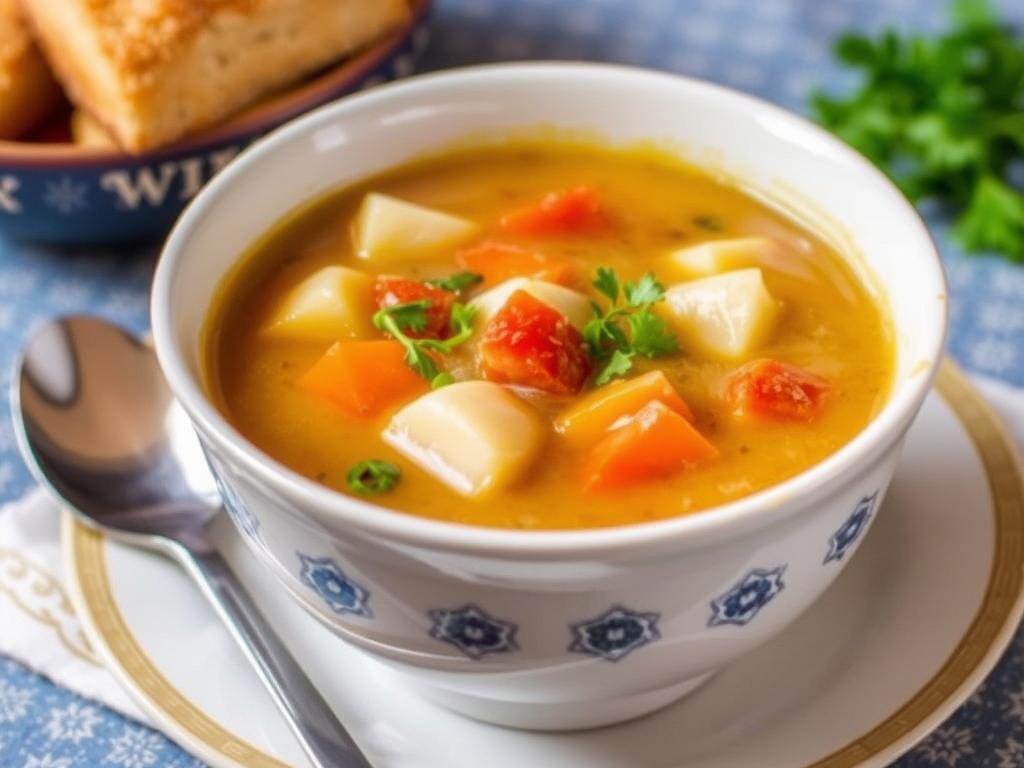
The earliest official records of Milligatawny soup surface in colonial-era cookbooks from the 1800s. It originated in southern India, with strong ties to Tamil Nadu and Madras (now Chennai), where the British East India Company first established major posts. The soup was probably served in officers’ clubs and military mess halls, points where British tastes met local culinary arts.
It’s interesting to note that although Milligatawny has Indian roots, in India itself it is not as widely prevalent today as it is in British or Anglo-Indian diaspora communities. That’s because the soup is more of a colonial-era creation and has evolved more distinctly outside India.
Intriguing Facts About Milligatawny Soup
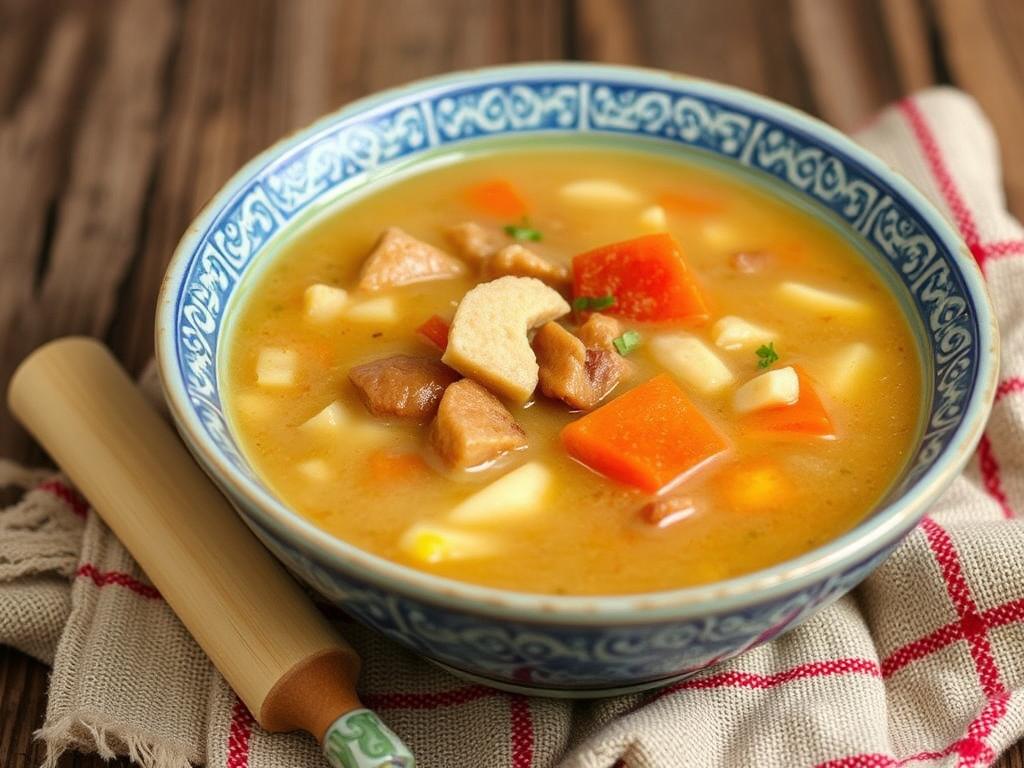
Milligatawny soup holds a treasure trove of little-known details:
- It is regarded as one of the first curry dishes to gain popularity in British cuisine outside India.
- Classic versions often included tamarind, which adds tartness and depth.
- The soup’s thickness can vary widely – some recipes turn it into a hearty stew, others keep it thinner and soup-like.
- Milligatawny was frequently served as a starter at formal British dinners in India, symbolizing cultural fusion on a plate.
- It inspired various adaptations, including canned soups and packaged mixes when it hit the western markets.
Breaking Down the Nutritional Value of Milligatawny Soup
What’s fascinating about Milligatawny soup is how nutritious it can be when made traditionally. Typical ingredients include lentils or split peas, which provide a solid amount of protein and fiber. The addition of vegetables like carrots, tomatoes, and onions boosts its vitamin and mineral profile. Spices used—turmeric, cumin, coriander—are not just flavor enhancers but bring antioxidant and anti-inflammatory properties.
| Component | Approximate Nutritional Benefit |
|---|---|
| Lentils | High in protein, fiber, iron |
| Vegetables | Rich in vitamins A, C, and potassium |
| Spices (turmeric, cumin) | Contains antioxidants, can aid digestion |
| Meat (optional) | Additional protein and fats |
| Coconut milk or cream (optional) | Healthy fats and creamy texture |
Of course, how healthy the soup ends up depends on the recipe. Some versions add cream or butter, making it richer and higher in calories, while others focus on a lighter broth.
Milligatawny Soup Around the Globe: Its Popularity in Different Countries
While Milligatawny soup began in India, it found enthusiastic fans in Britain, Australia, and the United States, each country giving it their own twist. In the UK, it became popular in the 19th and early 20th centuries and continues to appear in pubs and curry houses.
In Australia, there are versions that lean towards thicker and often use vegetables common to the region. The US has seen a revival of interest with the rise in fusion cuisine, making Milligatawny a trendy dish in some Indian-fusion restaurants.
Strikingly, in modern India, you might find it mainly in Anglo-Indian households rather than mainstream restaurants, which focus more on local curries. Its global journey paints a picture of how food travels and transforms, gaining new identities along the way.
Top 3 Recipes to Cook Authentic Milligatawny Soup
If you want to try making Milligatawny soup at home, here are three classic recipes to get you started:
- Traditional Chicken Milligatawny – A rich soup made with chicken, lentils, apple, tomatoes, and a blend of mild curry spices. Perfect for warming up a cold evening.
- Vegetarian Milligatawny – Packed with red lentils, carrots, potatoes, and coconut milk, this recipe is hearty and comforting without any meat.
- Spicy Lamb Milligatawny – For those who like a deeper flavor, slow-cooked lamb combined with tomatoes, mustard seeds, and a hint of tamarind offers a complex, satisfying dish.
Each recipe lets you explore different layers of flavor and texture, inviting you to adjust spices to match your taste—more heat, more creaminess, or a tangier edge.
Perfect Pairings: What to Eat with Milligatawny Soup
When it comes to accompaniments, Milligatawny soup is flexible. Traditionally, it pairs wonderfully with plain steamed rice or lightly toasted bread, which balances the spice and richness. A side of naan bread or poppadoms adds a crunchy contrast. Some people enjoy it as a starter before a heavier Indian meal, while others treat it as a satisfying standalone one-bowl dish.
A fresh cucumber raita or simple yogurt on the side can cool down the palate and offer a fresh flavor contrast. For a complete meal, serve with a small salad or pickles to add brightness.
—
Milligatawny soup is far from just another recipe—it’s a story in itself, painting a vivid picture of cultural melding and culinary creativity. From its spicy origins in southern India to tables across the world, it invites everyone to savor history and flavor in every spoonful. So next time you want to try something a bit different, remember this peppery soup that carries centuries of stories—as comforting as a warm hug on a chilly day.


