

Imagine a bowl brimming with tender, tangy fruit pieces swimming in a thick, sweet broth that’s both comforting and refreshing. This isn’t your average fruit compote or the typical cold dessert; it’s a dish with character, history, and surprising versatility—Swedish fruit soup. If the name alone has piqued your curiosity, stick around. The story behind this traditional gem and its many delightful variations might just inspire your next kitchen adventure or cozy evening treat. Let’s dive into the world of Swedish fruit soup and uncover what makes it a cherished part of Nordic culture.
- Unpacking the Essence: What Is Swedish Fruit Soup
- Tracing the Roots: The History Behind Swedish Fruit Soup
- The Origin Story: Where Swedish Fruit Soup First Appeared
- Little-Known Details: Interesting Facts About Swedish Fruit Soup
- Fuel for the Body: Nutritional Value of Swedish Fruit Soup
- A Global Taste: Popularity of Swedish Fruit Soup in Different Countries
- In the Kitchen: 3 Best Recipes for Cooking Swedish Fruit Soup
- Pairing Perfectly: What to Eat with Swedish Fruit Soup
Unpacking the Essence: What Is Swedish Fruit Soup
At its core, Swedish fruit soup is a warm, sweet soup made primarily from dried fruits, often including plums, apples, raisins, and sometimes cranberries or cherries. Unlike the soups we usually imagine, this one blurs the line between dessert and appetizer. It’s gently thickened with starch, usually wheat flour or potato starch, giving it a velvety texture that pairs beautifully with the soft, rehydrated fruit. The taste strikes a balance between tartness and sweetness, often enhanced with hints of cinnamon or cloves. Traditionally served warm, it can also be enjoyed chilled, making it surprisingly versatile across seasons.
Tracing the Roots: The History Behind Swedish Fruit Soup
Swedish fruit soup carries a sense of nostalgia, not just in flavor but in its long tradition that dates back centuries. Originally, it served as a practical way to preserve fruit through cold Nordic winters. Dried fruits were staples, and by transforming them into a sweet soup, families embraced both nutrition and comfort. Over time, this humble dish evolved from a peasant staple into a dessert or even an accompaniment to other meals during festive seasons. Its endurance through generations reflects a wisdom in simplicity—transforming pantry items into something special.
The Origin Story: Where Swedish Fruit Soup First Appeared
While exact origins are murky, the earliest known references to this fruit soup trace back to rural Sweden. It was particularly popular within the agrarian communities, where preserving food was crucial. Locals relied on dried fruits collected from the harvest or traded goods to create nourishing fare during the harsh winters. Over time, the recipe spread throughout Scandinavia, often adapted to local ingredients and available fruits. The idea of sweet fruit soups isn’t exclusive to Sweden, but this specific style—with its thickened consistency and aromatic spices—holds a distinct place in Swedish culinary tradition.
Little-Known Details: Interesting Facts About Swedish Fruit Soup
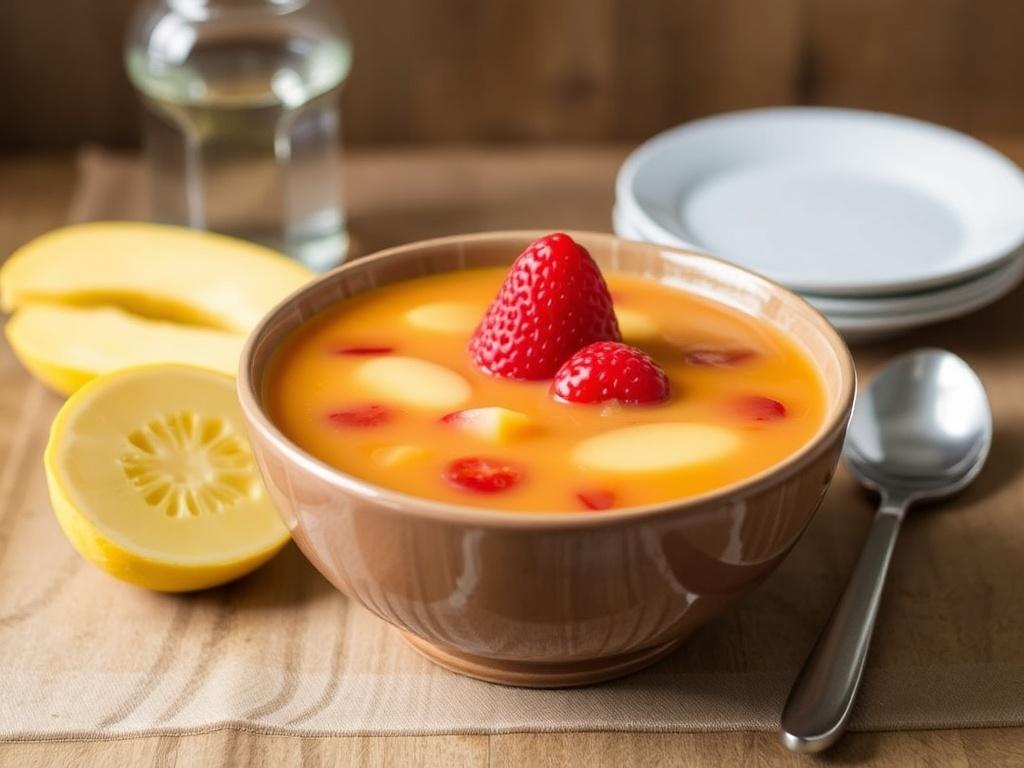
What makes Swedish fruit soup stand out? For one, it’s not just a dessert—it’s multifunctional. Historically, it has been served as a warm starter or paired with pancakes and porridge. Another curious detail is the inclusion of barley or wheat kernels in some versions, adding a subtle chewiness that enriches the experience. Even more fascinating is how the soup finds a place in Swedish Christmas traditions, often appearing on holiday tables to evoke cozy memories. Modern takes showcase it in creative desserts or even as a refreshing cold soup in summer, proving that its simplicity invites endless reinvention.
Fuel for the Body: Nutritional Value of Swedish Fruit Soup
While it may seem like a treat, Swedish fruit soup offers more than just sweetness. Thanks to its dried fruit base, it provides a good dose of vitamins like A and C, plus minerals such as potassium and iron. The natural sugars offer quick energy, balanced by dietary fiber that aids digestion. The spices, like cinnamon and cloves, contribute antioxidants and have health benefits of their own—think anti-inflammatory properties and improved circulation. Of course, portions matter; the soup is nourishing but also has calories, mainly from natural sugars, so it’s best enjoyed as part of a balanced diet.
A Global Taste: Popularity of Swedish Fruit Soup in Different Countries
Though rooted in Sweden, this fruit soup has quietly made fans beyond its borders. In Finland and Norway, you’ll often find similar versions served during winter festivals. Emigrants carried recipes to North America, where it sometimes appears among Scandinavian-American communities. Its warm, inviting flavor makes it a comforting choice for those who enjoy exploring international soups with a twist. Interestingly, the idea of sweet fruit soups exists around the world—in Hungary’s meggyleves or China’s sweet red bean soup—but the Swedish fruit soup remains unique with its specific blend of dried fruits and thick texture.
In the Kitchen: 3 Best Recipes for Cooking Swedish Fruit Soup
Ready to try your hand at this classic? Here are three approachable recipes, each highlighting different twists:
| Recipe | Main Ingredients | Special Touch |
|---|---|---|
| Traditional Swedish Fruit Soup | Dried prunes, apples, raisins, cinnamon, starch | Classic spices; served warm with cream |
| Berry-Infused Fruit Soup | Cranberries, dried cherries, apples, lemon zest | Fresh lemon zest adds brightness; chilled served |
| Barley and Fruit Soup | Barley kernels, dried plums, raisins, cloves | Chewy texture from barley; hearty and filling |
Each recipe offers a delightful variation, whether you prefer more tang, extra texture, or something light and refreshing.
Pairing Perfectly: What to Eat with Swedish Fruit Soup
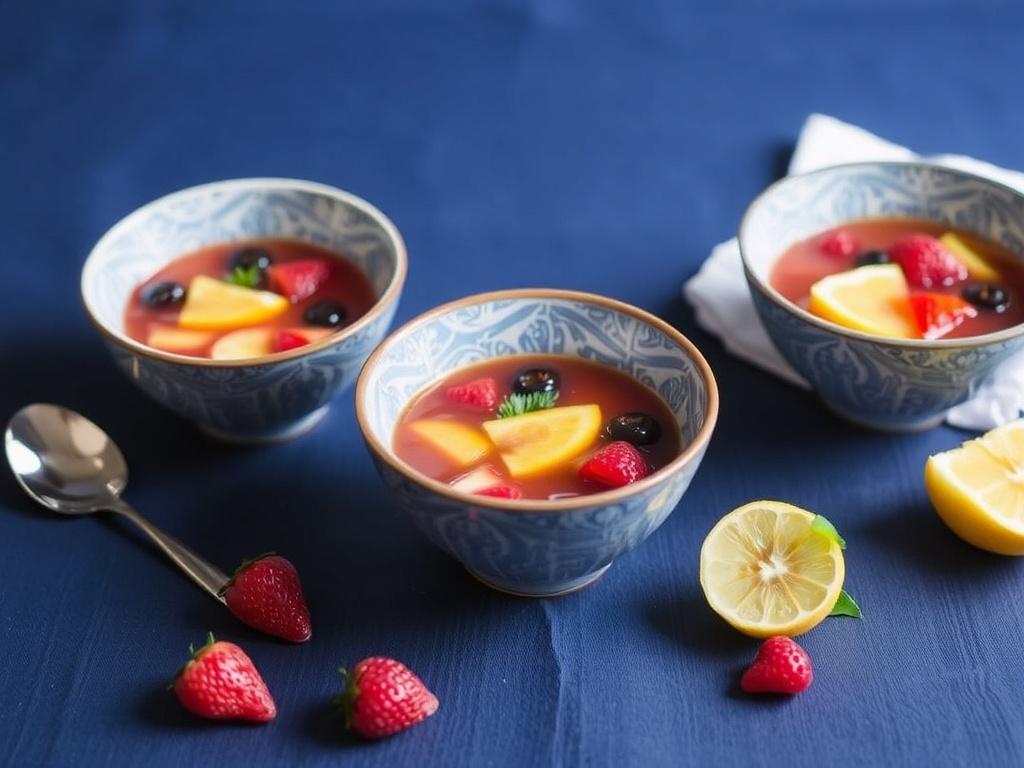
To fully appreciate Swedish fruit soup, think beyond just a spoon. Traditionally, it’s excellent alongside pancakes or crispbread, their mild flavors balancing the soup’s sweetness. In Sweden, it frequently appears with vanilla sauce or a dollop of thick cream. For a heartier meal, pair it with cream cheese sandwiches or buttery biscuits. The contrast between smooth and crunchy textures elevates the experience. And if you’re feeling adventurous, serve it over vanilla ice cream for an unexpected, yet harmonious dessert.
—
Swedish fruit soup, with its blend of history, warmth, and taste, welcomes modern cooks to revisit old traditions while adding their own flair. It’s a dish that invites curiosity and creativity alike—something simple that turns every spoonful into a story. Whether served hot by the fire or chilled on a summer day, this soup proves that sometimes the best flavors come from humble, time-tested recipes.


