

Imagine a warm, fragrant pot steaming on the table, where fluffy rice and tender potato chunks trade places with spices and browned onions. Pilaf with potatoes is comfort food with a small twist: it keeps the familiar heartiness of pilaf while adding the earthy, satisfying bite of potatoes. If you like simple ingredients that turn into something greater than the sum of their parts, this dish will pull you in—one spoonful at a time.
- Where Pilaf with potatoes comes from and why it makes sense
- History of Pilaf with potatoes traced through kitchen habits
- Interesting facts about Pilaf with potatoes that you might enjoy
- Nutritional value of Pilaf with potatoes explained clearly
- How popular Pilaf with potatoes is across different countries
- The best step-by-step cooking recipe for Pilaf with potatoes to follow at home
- Ingredients for Pilaf with potatoes
- Method step by step
- Tips and variations
- Final thoughts on Pilaf with potatoes and why it works
Where Pilaf with potatoes comes from and why it makes sense
Pilaf is a broad family of rice dishes found across Central Asia, the Middle East, and parts of Eastern Europe. Adding potatoes is a practical adaptation: when rice was scarce or when cooks wanted more bulk and texture, potatoes stepped in. Pilaf with potatoes blends the aromatic, lightly toasted rice tradition with the familiar, creamy comfort of potatoes. That mix gives you both bite and silkiness in a single forkful.
History of Pilaf with potatoes traced through kitchen habits
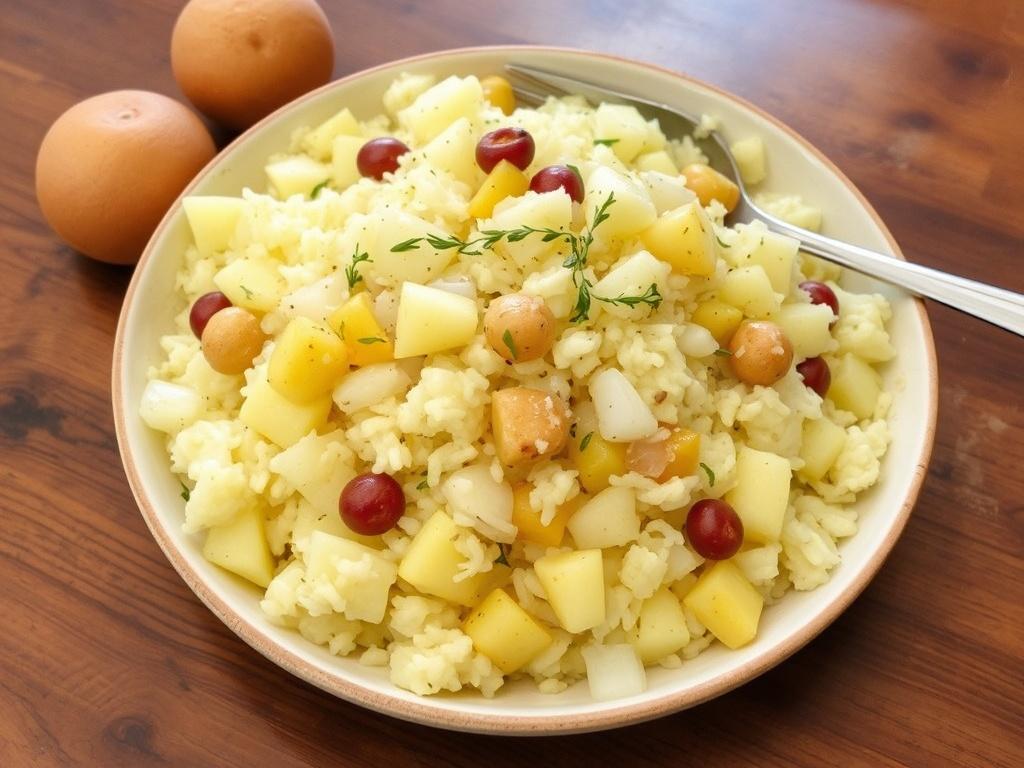
This version of pilaf likely grew out of home cooking rather than high cuisine. In rural households, stretching a pot to feed more mouths meant adding cheap, filling ingredients. Potatoes arrived in many regions relatively late but were quickly embraced for their versatility. Over decades, what may have started as a thrift-driven tweak became a beloved, standalone recipe. Regional cooks added their own touches: cumin, caraway, or saffron where available; carrots, onions, and different fats depending on local taste.
Interesting facts about Pilaf with potatoes that you might enjoy
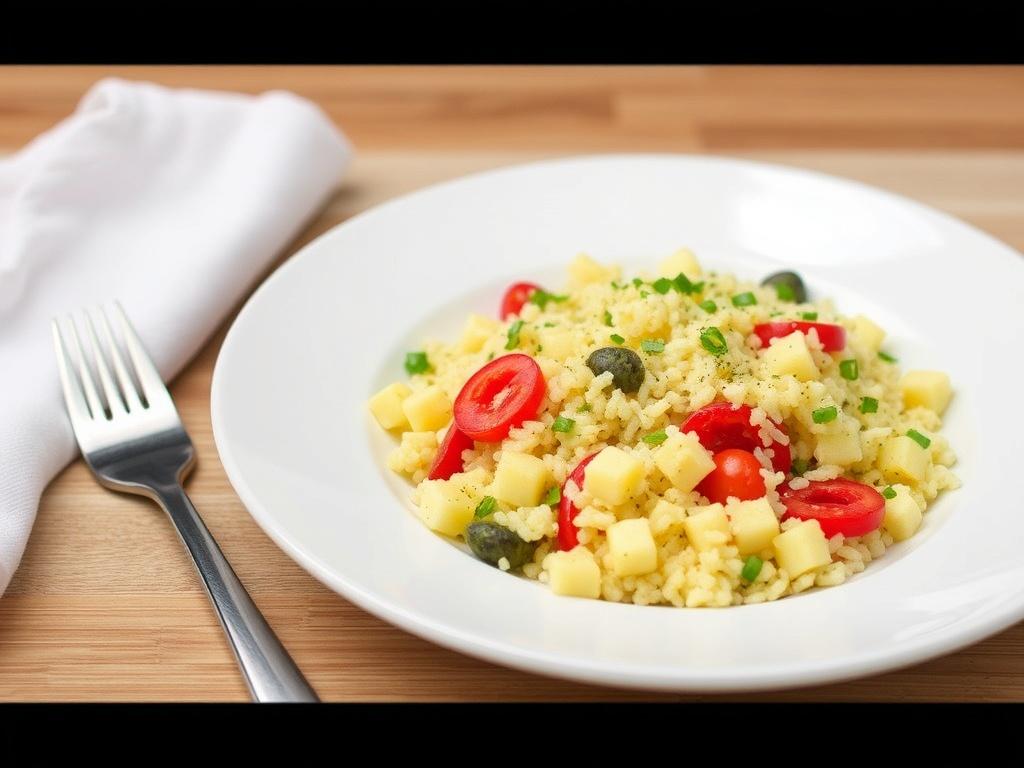
- Pilaf with potatoes thrives on contrast: crisped potato edges meet soft, aromatic rice grains.
- Because potatoes hold their shape, they can be pre-roasted, fried, or simmered directly with rice, changing the dish’s texture dramatically.
- In some regions, cooks swap whole spices for blends, turning a simple pilaf into a signature household flavor profile.
- The dish adapts well to leftovers: it reheats beautifully and often tastes better the next day as flavors mingle.
Nutritional value of Pilaf with potatoes explained clearly
Pilaf with potatoes covers several nutritional bases: carbohydrates from rice and potatoes provide energy, while added vegetables and any meat contribute fiber, protein, and micronutrients. The overall nutrition depends on proportions and cooking fat. Using modest oil, lean protein, and plenty of vegetables improves balance. Below is a typical snapshot for one serving prepared with white rice, one medium potato, a small amount of oil, and onion and carrot.
| Nutrient | Approximate amount per serving |
|---|---|
| Calories | 350–450 kcal |
| Carbohydrates | 60–75 g |
| Protein | 6–12 g (higher if meat added) |
| Fat | 6–12 g (depends on oil and meat) |
| Fiber | 3–6 g |
How popular Pilaf with potatoes is across different countries
The dish appears in many guises. In Central Asia, variations of pilaf sometimes include root vegetables when meat is sparse. In Eastern Europe, cooks often combine potatoes with rice in one pot for convenience. In the Middle East, you’ll find fried potato cubes tossed into rice dishes to add texture. Its popularity stems from approachability: the ingredients are common everywhere, and the method is forgiving. That makes Pilaf with potatoes a frequent family meal rather than a restaurant specialty.
The best step-by-step cooking recipe for Pilaf with potatoes to follow at home
This recipe aims for clear, reliable results and a bright, savory flavor. It works with or without meat. Read through once before starting so you can prep smoothly.
Ingredients for Pilaf with potatoes
- 1 cup long-grain rice, rinsed until water runs clear
- 1 large potato, peeled and cut into 1–1.5 cm cubes
- 1 medium onion, finely chopped
- 1 medium carrot, grated or diced
- 2 tablespoons vegetable oil or butter
- 2 cups hot broth or water
- Salt to taste, 1 teaspoon ground cumin, pepper
- Optional: 250 g cubed chicken or lamb, or a can of chickpeas for vegetarian version
- Fresh herbs for finishing: parsley or cilantro
Method step by step
- Heat oil in a heavy pot over medium heat. If using meat, brown cubes until nicely golden then remove and set aside.
- Add onion and sauté until soft and slightly caramelized, about 6–8 minutes. Stir in carrot and cook 2 minutes.
- Add potato cubes and toss to coat. Let them sear briefly so some edges brown, 4–6 minutes.
- Return meat to the pot if using. Sprinkle in cumin, pepper, and a pinch of salt. Stir so spices coat everything.
- Add rinsed rice and stir gently for 1–2 minutes, letting rice grains get a thin film of oil and toast slightly.
- Pour in hot broth or water. The liquid should just cover the rice and potatoes—usually about twice the volume of rice. Taste and adjust salt.
- Bring to a simmer, then reduce heat to low, cover tightly, and cook 15–18 minutes until rice absorbs liquid and potatoes are tender.
- Turn off heat and let rest, covered, 10 minutes. Fluff gently with a fork and scatter chopped herbs on top before serving.
Tips and variations
- For a richer flavor, fry the potato cubes separately until golden and add them back right before serving.
- Swap long-grain rice for basmati for a fragrant lift, but reduce water slightly if needed.
- Add peas or spinach in the last few minutes to boost color and nutrition.
- For a spicier version, mix in smoked paprika or a pinch of chili flakes.
Final thoughts on Pilaf with potatoes and why it works
Pilaf with potatoes proves that small changes can redefine a familiar dish. It balances starches, textures, and aromas in an easy, forgiving way. Whether you need a budget-friendly family dinner, a reheatable lunch, or a side that pairs with roasted meat, this pilaf delivers. Try it once with the basic recipe, then tinker—swap spices, add greens, or crisp the potatoes—to make it your own. Good food often starts from simple choices, and this dish is a friendly place to begin.


