
The smell of spices, the soft pop of rice grains, and the slow-braised pieces of goat that fall apart on your fork—goat pilaf is one of those meals that carries a place, a memory, and a kitchen rhythm all at once. It isn’t just food; it’s a conversation between heat and patience, salt and fat, and the cultures that learned how to turn a humble animal into something celebratory. If you’re curious about where it comes from, how to make it so the meat is tender, or why people in so many corners of the world adore it, keep reading—there’s a lot to enjoy here.
- Where It Comes From: Tracing the Country of Origin
- A Long Simmer: The Cultural History
- Little Surprises: Interesting Details to Know
- What’s on Your Plate: Nutritional Value Explained
- Where People Eat It: Popularity Around the Globe
- Step-by-step: How to Cook the Best Goat Pilaf at Home
- Ingredients (serves 4–6)
- Equipment
- Instructions
- Tips for Success
Where It Comes From: Tracing the Country of Origin
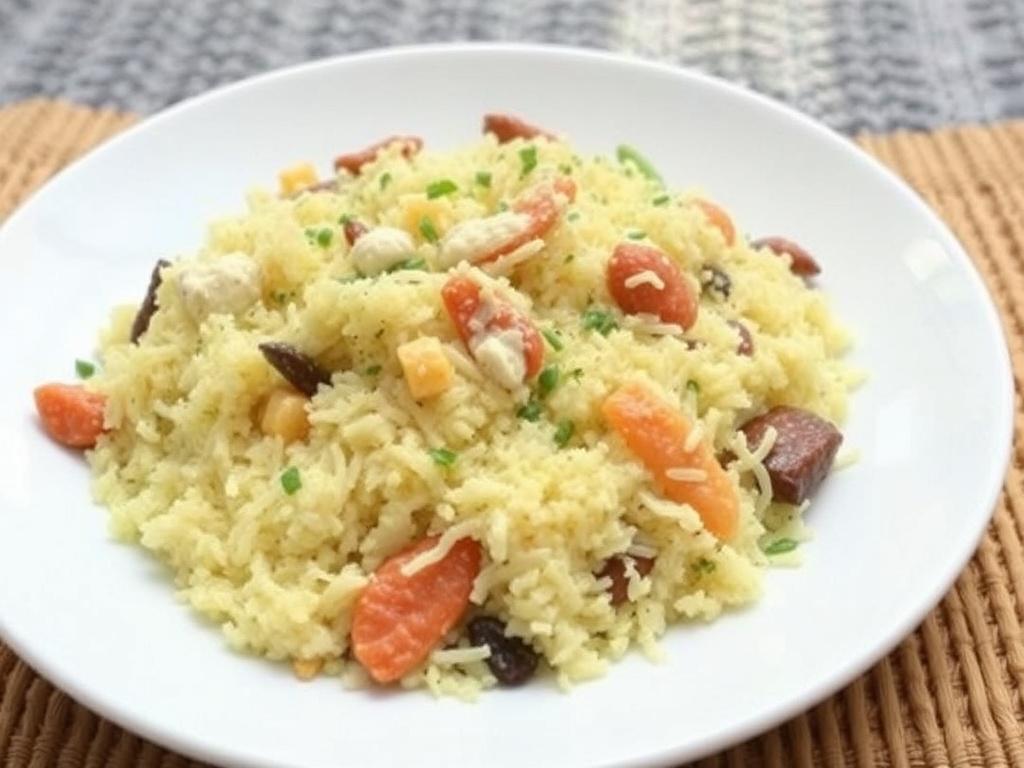
The country of origin Goat pilaf is not a single place you can point on a map. Pilaf—rice cooked with fat and often meat—has roots across Central Asia, the Middle East, and the Indian subcontinent, and goat as the protein links to regions where sheep and goat herding were practical. Think Afghanistan, Uzbekistan, parts of Iran and Pakistan, then travel south to India and across to East Africa and the Caribbean; in many of these areas, goat pilaf emerged independently as a natural, flavorful solution to local ingredients and techniques.
A Long Simmer: The Cultural History
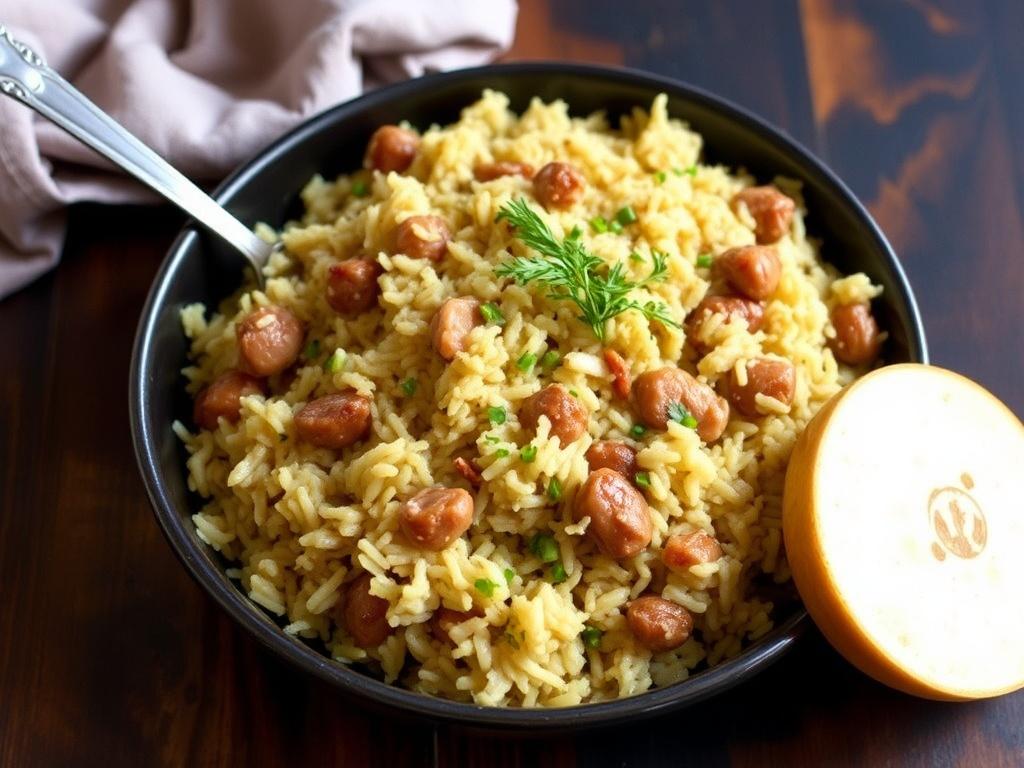
History Goat pilaf is a tapestry of trade routes, seasonal rituals, and household pragmatism. Caravan routes carried rice and spices; nomadic herders brought goat; cooks adapted. Over centuries, each culture folded its own spices, fats, and cooking methods into pilaf. In Central Asia, lamb or goat is common in plov cooked in a cauldron. In South Asia, biryani-like layers can turn into a goat-studded pilaf. The continuity is simple: when you have grain, a pot, and meat, you make something that feeds many and holds up to long celebrations.
Little Surprises: Interesting Details to Know
Interesting facts about Goat pilaf pop up when you look closely at techniques and rituals. For example:
- Using bone-in goat adds depth: slow-simmered bones enrich both aroma and mouthfeel.
- Marination varies widely—some cooks use yogurt and citrus to tenderize; others rely on long, gentle stewing.
- In many recipes, the rice is par-cooked separately and then finished with the meat so both textures stay perfect.
- Occasionally, entire pilgrimages or weddings feature a single giant cauldron of pilaf, feeding hundreds.
What’s on Your Plate: Nutritional Value Explained
Nutritional value Goat pilaf depends on proportions: amount of rice vs. meat, use of oil or ghee, and added vegetables. Below is an approximate breakdown for one serving (about 350–400 g) of a meat-forward goat pilaf made with basmati rice and a moderate amount of oil.
| Nutrient | Approx. per serving |
|---|---|
| Calories | 550–700 kcal |
| Protein | 30–40 g |
| Fat | 20–35 g (varies with cut and fat trimmed) |
| Carbohydrates | 55–80 g |
| Iron | Good source (goat meat is iron-rich) |
| Vitamins | B vitamins present; exact amounts depend on meat and added vegetables |
To make it lighter, use leaner cuts, reduce oil, and increase vegetables or legumes. To make it more calorie-dense, add nuts, clarified butter, or extra meat.
Where People Eat It: Popularity Around the Globe
Popularity in different countries Goat pilaf appears under many names and styles. In Uzbekistan and Kazakhstan, plov with lamb or goat is a national comfort. In Afghanistan, qabili palaw often includes lamb or goat with sweet carrots and raisins. South Asian regions might fold goat into biryani-like preparations. Across East Africa and the Caribbean, Arabic and Indian influences fused with local tastes to produce their own pilaf variants. The common thread is adaptability: wherever rice and goat were available, cooks found a way to combine them into a celebratory, communal dish.
Step-by-step: How to Cook the Best Goat Pilaf at Home
The best step-by-step cooking recipe for Goat pilaf focuses on two things: tender meat and perfectly cooked rice. Here’s a full, practical version you can follow.
Ingredients (serves 4–6)
- 1.2–1.5 kg goat (shoulder or leg, bone-in, cut into chunks)
- 2 cups basmati rice, rinsed and soaked 30 minutes
- 2 large onions, thinly sliced
- 3–4 cloves garlic, minced
- 1–2 tsp ground cumin, 1 tsp coriander, 1/2 tsp cinnamon, pinch of cloves
- 2 large carrots, julienned or chopped
- 3–4 tbsp oil or ghee
- Salt and black pepper to taste, 1.5 liters hot water or stock
- Optional: yogurt or lemon for marinating, handful of toasted nuts or raisins
Equipment
- Heavy-bottomed pot with lid or Dutch oven
- Large pan for sautéing
- Fine-mesh sieve for rice
Instructions
- Season the goat pieces with salt and pepper. If you like, marinate 2–4 hours in yogurt and spices to tenderize.
- Heat oil in the pot. Brown goat in batches to build flavor, then remove.
- Sauté onions until golden, add garlic and spices, cook briefly until aromatic.
- Return goat to pot, add carrots and enough hot water or stock to mostly cover. Simmer gently for 1.5–2 hours until meat is tender. A pressure cooker will cut time to 30–40 minutes.
- Meanwhile, par-cook rice in salted boiling water for 6–8 minutes, then drain. Rice should be soft on the outside but still firm inside.
- Once goat is tender, level the meat and liquid. Spread par-cooked rice on top without mixing. Drizzle a couple tablespoons of oil or ghee over rice, cover tightly, and steam on low for 20–25 minutes until rice absorbs the flavors and finishes cooking.
- Gently mix rice and meat just before serving. Garnish with toasted nuts or fresh herbs if desired.
Tips for Success
- Trim large fat pieces but keep some marrow and bone for depth.
- Resist over-stirring rice during final steam; keep the textures distinct.
- Adjust spices to your preference; cumin and coriander are the backbone, but saffron or turmeric offer color and aroma.
Goat pilaf rewards patience: the longer the low simmer and the gentler the steam, the better the balance between richly flavored meat and light, separate rice grains. Make it for a weekend gathering and watch people return for second helpings.


