
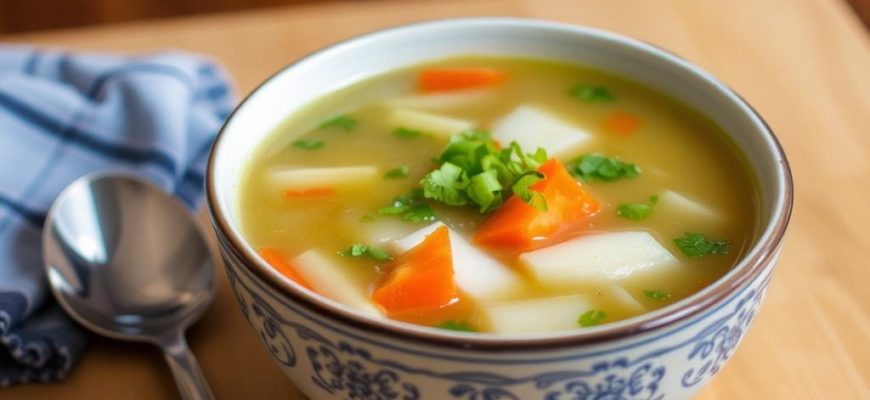
If you’ve ever wandered through the culinary tapestry of Central Europe, you might have caught whispers about a dish that’s rich in flavor and history — Halasle soup. Imagine a bowl brimming with fragrant spices, tender river fish, and a broth that feels like a warm hug on a crisp day. It’s not just food; it’s a story, a tradition simmering through generations. Curious to know what makes Halasle soup more than just another fish soup? Let’s dive in and uncover the charm behind this Hungarian delight and why it deserves a spot on your table.
- What Exactly Is Halasle Soup
- The Story Behind Halasle Soup
- Where Halasle Soup First Appeared
- Some Fun Facts About Halasle Soup
- The Nutritional Value of Halasle Soup
- How Halasle Soup Became Popular Across Countries
- Three Recipes That Showcase the Best of Halasle Soup
- Classic Szeged Halasle
- Baja Style Halasle
- Vegetable-Forward Halasle
- Serving Suggestions: What to Eat with Halasle Soup
What Exactly Is Halasle Soup
Halasle soup is a traditional Hungarian fish soup, cherished for its deep, spicy character and vibrant red color. The word “Halasle” literally means “fish soup” in Hungarian, but don’t let that simple translation fool you. This soup is a tapestry of flavors crafted primarily from freshwater fish like carp, catfish, or pike, cooked with onions, paprika, and often tomatoes or peppers. What sets it apart is the liberal use of Hungarian paprika which gives the dish its characteristic warmth and bright red hue. It’s usually served as a starter at Hungarian meals but can stand proudly on its own as a comforting main course.
The hallmark of perfect Halasle is a rich, slightly thick broth that perfectly balances the sweetness of the fish with the smokiness and heat from paprika. It manages to be hearty without being heavy — a true gem for anyone who loves to explore bold, authentic flavors.
The Story Behind Halasle Soup
The history of Halasle soup is as colorful as its appearance. It’s rooted deeply in Hungary’s riverside fishing traditions, particularly along the Danube and Tisza rivers, where fishing was a vital part of local life. Fishermen would prepare the soup right after a catch, often gathering around campfires in the early evening. Over time, the recipe evolved, influenced by paprika’s arrival in Hungary after the 16th century Ottoman period, which transformed many local dishes including this one.
Halasle became more than sustenance; it was a communal experience — a dish shared among family and friends, symbolizing togetherness and the bounty of the rivers. It is still very much a part of Hungarian identity and culinary pride.
Where Halasle Soup First Appeared
While Hungary as a whole embraces Halasle soup, its origins are primarily traced to the regions near the Danube River. Towns like Baja and Szeged, known for their rich fishing traditions, claim to be the cradle of the best Halasle soup. Each community has its subtle twist, shaping the recipe with local fish varieties and spice blends.
Baja, for example, is famous for a slightly thinner broth and a mix of different river fish, while Szeged style tends to be thicker and spicier. The geographical feature, with an abundance of freshwater fish, made these areas perfect for the emergence and flourishing of Halasle soup.
Some Fun Facts About Halasle Soup
- Halasle soup is often cooked in large cauldrons outdoors during festivals and family gatherings, highlighting its communal roots.
- The quality and type of paprika dramatically influence the soup’s taste — some use mild sweet paprika, others prefer a fiery hot version.
- In Hungary, there are even contests and festivals dedicated solely to Halasle, showcasing regional variations and cooking skills.
- Traditionally, fishermen were the first to add sour cream on the side as a palate cleanser after enjoying the spicy kick of the soup.
The Nutritional Value of Halasle Soup
Beyond flavor, Halasle soup packs quite the nutritional punch, thanks to its wholesome ingredients:
| Component | Role | Benefit |
|---|---|---|
| River fish (carp, catfish) | Protein and Omega-3 fatty acids | Supports heart health and muscle repair |
| Onions and garlic | Antioxidants | Boost immune function and reduce inflammation |
| Hungarian paprika | Vitamin C and capsaicin | Aids metabolism and provides anti-inflammatory properties |
| Tomatoes/peppers | Vitamins and minerals | Improves vision, skin health, and adds antioxidants |
This balance makes Halasle not only delicious but nourishing, perfect for colder seasons or whenever you need a nutrient-rich comfort meal.
How Halasle Soup Became Popular Across Countries
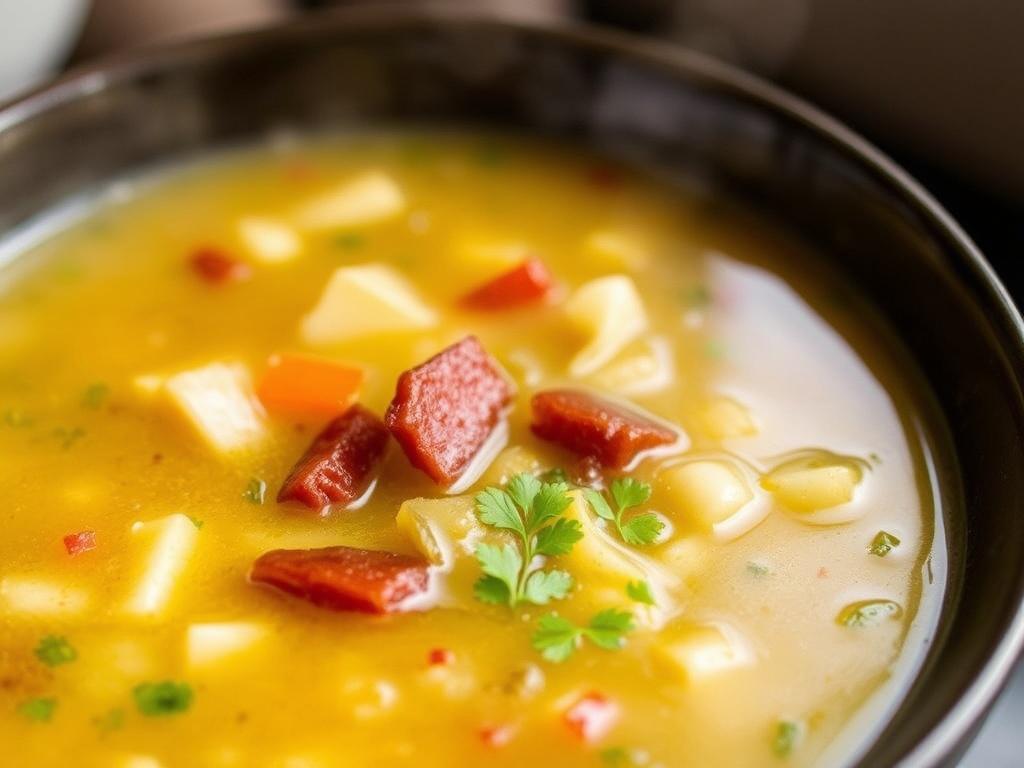
While Halasle soup is a Hungarian specialty, it has earned fans throughout neighboring Eastern European countries like Slovakia, Serbia, and Croatia, thanks to shared history and river ecosystems. Today, it’s often featured in European culinary festivals and specialty Hungarian restaurants worldwide. Food enthusiasts appreciate its smoky, hearty profile that stands out from other fish soups.
The dish’s adaptability allows chefs abroad to tweak recipes according to local tastes while preserving its authentic soul. This global spread is a testament to how traditional recipes can travel and thrive beyond their birthplace.
Three Recipes That Showcase the Best of Halasle Soup
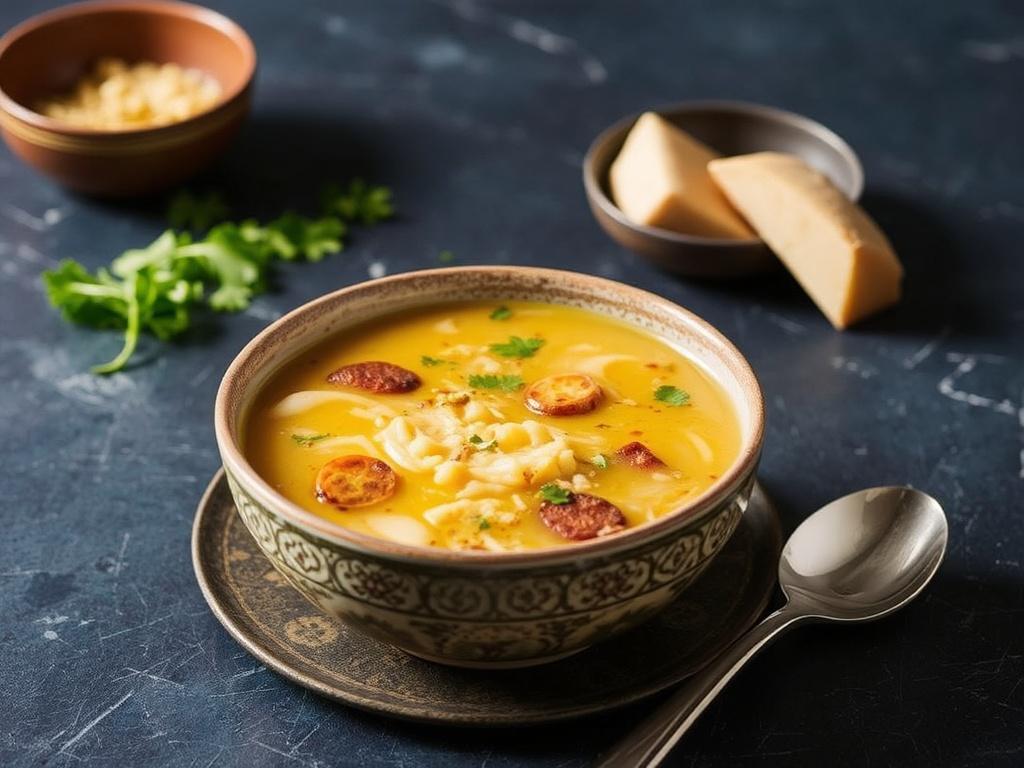
Here are three takes on Halasle soup, each highlighting different textures and spice levels:
Classic Szeged Halasle
- Fish: Mix of carp and catfish
- Spices: Generous sweet paprika, onions, tomatoes
- Preparation: Slow simmering to draw out intense flavors, served with fresh bread
Baja Style Halasle
- Fish: Variety of local river fish including perch
- Spices: Hot paprika, white wine added
- Preparation: Thin broth, spicier, often cooked outdoors in large kettles
Vegetable-Forward Halasle
- Fish: Mostly carp
- Extras: Bell peppers, carrots, celery
- Preparation: Richer broth with more veggies for a wholesome meal
Serving Suggestions: What to Eat with Halasle Soup
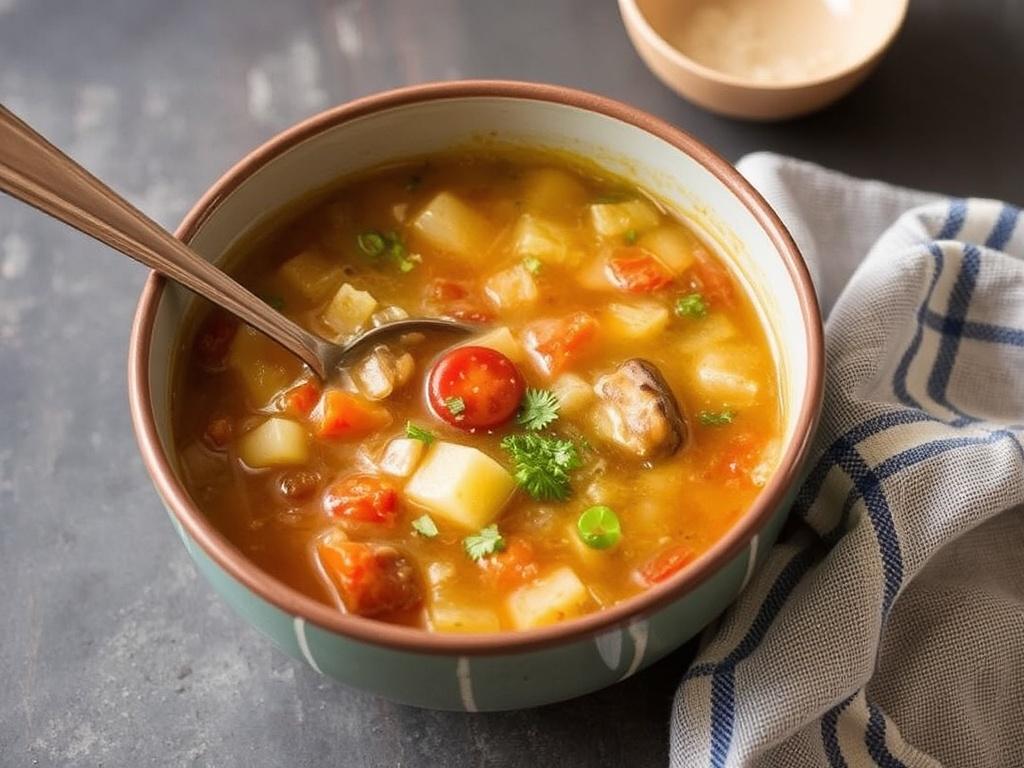
Halasle soup stands strong on its own but shines even brighter when paired thoughtfully. Hungarian cuisine favors rustic accompaniments that complement the spice and texture:
- Fresh crusty bread: Perfect for soaking up the flavorful broth.
- Sour cream: Adds creaminess and counteracts the paprika’s heat.
- Pickled vegetables: Their tang contrasts nicely with the soup’s warmth.
- Light salads: A crisp, fresh salad with vinegar dressing balances the meal.
In the end, Halasle soup isn’t just about what’s in the pot. It’s about the experience — the conversations, the shared stories passed down with each spoonful, and the comfort found in something both simple and complex at the same time. Whether you come across it at a riverside festival or try your hand at cooking it, this soup invites you into a slice of Hungarian life, full of warmth and tradition.


