

If you’ve ever stumbled upon a steaming bowl of Lagman soup, you might have been intrigued by its rich aroma and vibrant colors. This dish is more than just a flavorful soup—it’s a story served in a bowl, a celebration of culture and culinary harmony. The moment you take that first spoonful, you dive into a blend of textures and tastes that feels both exotic and surprisingly comforting. But what exactly is Lagman soup? Where did it come from, and why has it captured the hearts of so many across different countries? Stick around, because this journey into the world of Lagman isn’t just about food—it’s about history, culture, and the simple joy of sharing a meal.
- Discovering What Lagman Soup Truly Is
- Tracing the Roots: The History of Lagman Soup
- Where Lagman Soup First Appeared and How It Spread
- Curious Tidbits About Lagman Soup
- The Nutritional Treasure in a Bowl of Lagman Soup
- Lagman Soup Beyond Borders: Its Popularity Worldwide
- Three Outstanding Recipes for Cooking Lagman Soup at Home
- Best Accompaniments for Your Lagman Soup Experience
Discovering What Lagman Soup Truly Is
Lagman soup is a traditional Central Asian dish, recognizable by its hearty noodle base, tender chunks of meat, and a fragrant vegetable-rich broth. Unlike your typical noodle soup, Lagman is both a culinary craft and an expression of regional flavor diversity. It features hand-pulled noodles that are thick and chewy, often accompanied by beef or lamb, and cooked alongside bell peppers, tomatoes, onions, and sometimes potatoes, all seasoned with an aromatic mix of spices like cumin and coriander. It’s a dish that neatly balances the richness of the meat with the freshness of vegetables and the comforting chewiness of the noodles, making each bite a satisfying experience.
Tracing the Roots: The History of Lagman Soup

The story of Lagman soup is as intertwined as the hand-pulled noodles it contains. It originates from the culinary traditions of the Uyghur people, a Turkic ethnic group primarily residing in China’s Xinjiang region. Over time, Lagman spread across Central Asia, embraced by various cultures including Uzbeks, Kyrgyz, Kazakhs, and others. This journey tells not just about migration and trade routes but also about cultural exchanges. Originally, it was a humble meal, often prepared by nomadic herders, who valued its nourishing qualities and the convenience of making noodles by hand. Over generations, the recipe enhanced and adapted to local tastes, becoming a staple comfort food and a symbol of hospitality.
Where Lagman Soup First Appeared and How It Spread
Pinpointing the exact origin of Lagman soup is a little like solving a delicious mystery. It first appeared in the Xinjiang region of China, where Uyghur communities developed their unique cooking style. From there, merchants along the Silk Road played a crucial role in spreading the dish across Central Asia. As people migrated or traded, Lagman found its way into the hearts of nomadic and settled communities alike. Each region put its spin on the dish—some added more spices, others incorporated local vegetables, but the core idea stayed the same: a rich, wholesome noodle soup that brings people together.
Curious Tidbits About Lagman Soup
You might be surprised to learn some lesser-known facts about Lagman. For one, the noodles aren’t made from any usual mass-produced kind—hand-pulled noodles are essential to authentic Lagman. The art of pulling noodles takes skill and practice, often passed down through family generations. Another interesting detail is how the broth is carefully balanced—too greasy or too bland would ruin the harmony. Also, in some Central Asian cultures, Lagman isn’t just dinner; it’s served during celebrations and family gatherings, symbolizing unity and warmth. This makes the dish more than just food; it’s a cultural emblem that carries stories and memories.
The Nutritional Treasure in a Bowl of Lagman Soup
Lagman soup doesn’t just win points for taste; it offers genuine nutritional value. The combination of lean meat, fresh vegetables, and handmade noodles delivers a satisfying mix of protein, fiber, vitamins, and complex carbohydrates. For those mindful of their diet, Lagman can be a balanced meal if prepared with care—using lean cuts of meat and plenty of veggies. The broth hydrates and replenishes, while the noodles provide enduring energy without the crash typical of some carb-heavy dishes. It’s a practical, wholesome choice, especially for people leading active lives or needing a comforting meal after a long day.
Lagman Soup Beyond Borders: Its Popularity Worldwide
Lagman soup’s popularity isn’t confined to a single country. While it holds a special place in Central Asia, it has gained appreciation globally, especially in communities where Central Asian diasporas thrive. Cities with diverse populations, like Almaty, Bishkek, and parts of Russia, often feature Lagman in local eateries. Even in Western countries, food enthusiasts are discovering it through authentic restaurants or home cooking. Its rise can be partly attributed to people seeking hearty yet handmade meals that remind them of home, or simply those curious about culinary traditions that stray from the usual offerings.
Three Outstanding Recipes for Cooking Lagman Soup at Home
Want to try making Lagman yourself? Here are three distinct takes, each highlighting different aspects of the dish:
- Classic Uyghur Lagman: Hand-pulled noodles, lamb broth with tomatoes, bell peppers, and traditional spices like cumin and chili flakes.
- Uzbek Lagman: Features beef, lots of onions, carrots, and potatoes simmered long to develop a rich stew-like broth.
- Vegetarian Lagman: Uses mushrooms or eggplant as meat substitutes, with a heavier emphasis on fresh herbs and garlic to maintain depth of flavor.
Each variation invites experimentation with ingredients you find locally, keeping the heart of Lagman alive without losing its essence.
Best Accompaniments for Your Lagman Soup Experience
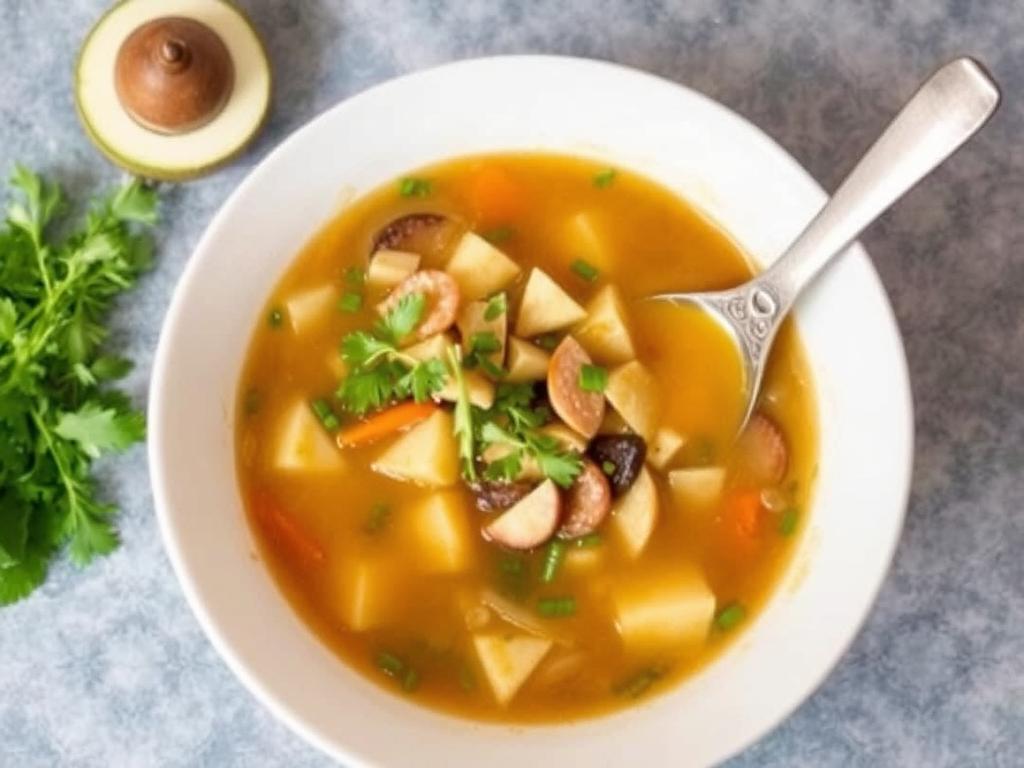
Lagman soup stands well on its own, but pairing it right can elevate the meal. Traditional sides might include freshly baked bread, such as Central Asian flatbreads, which help scoop up the broth and noodles. Pickled vegetables add a contrasting tang, cutting through the richness. A simple salad with fresh herbs—cilantro, for instance—works beautifully, refreshing the palate. Some enjoy a cup of black tea or fermented dairy drinks alongside, which complement Lagman’s hearty flavors while aiding digestion.
Lagman soup isn’t just another dish; it’s a story simmered and shared, a cultural bridge on your plate. Whether you’re in a bustling Central Asian market or in your kitchen far away, a bowl of Lagman invites you to slow down, savor each layer, and connect with a tradition that’s warm, nourishing, and surprisingly vibrant. Give it a try, and you might find yourself hooked on this timeless soup.


