

I still remember the first time I bit into a warm, jaggery-sweet neyappam — the edges crisp, the center pillowy, and a whisper of cardamom that made me close my eyes. It arrived at a festival table beside banana leaves and coconut chutney, and instantly felt like a small, perfect celebration you can hold in your hand. If you love simple, comforting sweets that carry history and home in every bite, read on — neyappam South Indian pancakes are worth learning about and cooking at least once.
- What it is Neyaappam South Indian pancakes
- History Neyaappam South Indian pancakes
- Where it first appeared Neyaappam South Indian pancakes
- Interesting facts about Neyaappam South Indian pancakes
- Nutritional value Neyaappam South Indian pancakes
- Popularity in different countries Neyaappam South Indian pancakes
- 3 best recipes for cooking Neyaappam South Indian pancakes
- 1. Traditional Neyyappam with Banana and Jaggery
- 2. Quick Yeast-Fermented Neyappam (airy, traditional taste)
- 3. Baked Neyappam (healthier and easy)
- What to eat with Neyaappam South Indian pancakes
What it is Neyaappam South Indian pancakes
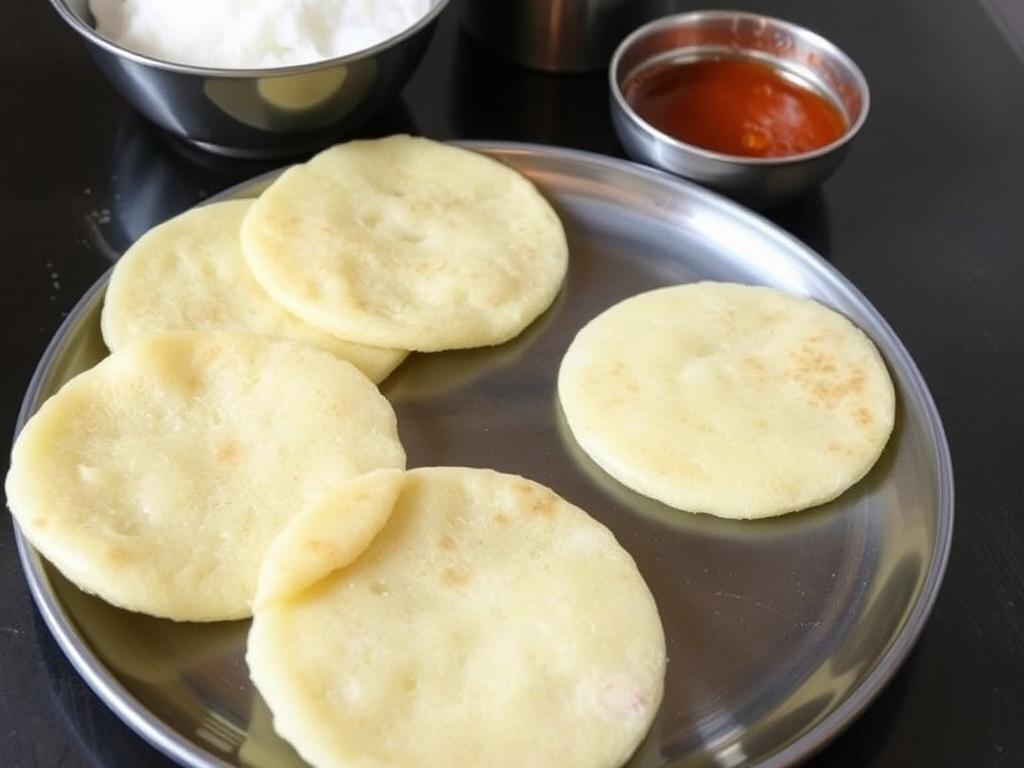
Neyappam South Indian pancakes are small, fried or pan-cooked sweets made traditionally from rice flour, jaggery (unrefined cane sugar), and often banana and coconut. The name itself hints at the ingredients: “ney” (ghee) and “appam” (pancake). They are richer than a typical pancake and closer to a fritter: sweet, aromatic, sometimes a touch caramelized. Texture varies by recipe — some are soft and almost cake-like inside, others have a satisfying crisp around the edges. They’re not just street food; they’re festival food, temple food, and a home snack that appears lovingly at tea time.
History Neyaappam South Indian pancakes
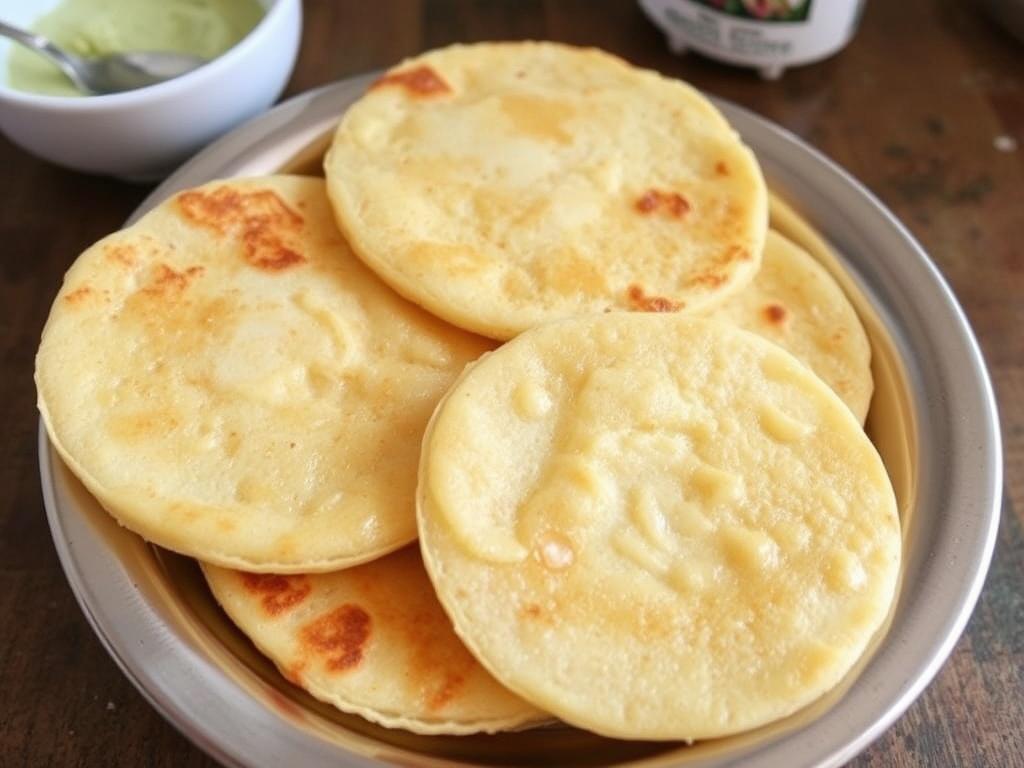
Tracing neyappam South Indian pancakes through history leads you to kitchen tables and temple offerings rather than libraries. Rice and jaggery have been staples in South India for centuries; combining them into fried sweets was a natural step. Over generations, families in Kerala and parts of Tamil Nadu refined the basic batter, adding mashed banana, grated coconut, or fried coconut pieces and perfuming it with cardamom. Neyappam became linked to rituals and festivals — a humble, portable treat that doubled as prasadam (temple offering) in some places. The recipe adapted locally, but the core idea — a small, ghee-kissed sweet made from rice and jaggery — stayed constant.
Where it first appeared Neyaappam South Indian pancakes
Neyappam South Indian pancakes are rooted in Kerala’s culinary landscape. While variations exist across southern India, Kerala is the place most associated with neyappam, especially the Neyyappam made in brass or iron appam pans with little cups. Rural kitchens and temple offerings in Kerala popularized it first; from there, the sweet traveled with families and festival traditions into neighboring Tamil Nadu and to Malayali communities abroad.
Interesting facts about Neyaappam South Indian pancakes
- Neyappam is commonly offered as prasadam in certain Kerala temples; it’s both food and blessing.
- The shape and texture depend heavily on the pan used — the traditional appam pan produces round, evenly browned discs.
- “Ney” implies ghee, but recipes vary: some use oil, some use only a little ghee for flavor, others deeply fry in oil and finish with ghee.
- Regional twists are many: ripe banana adds moisture and aroma, coconut gives chew, and cardamom lends a fragrant note.
Nutritional value Neyaappam South Indian pancakes
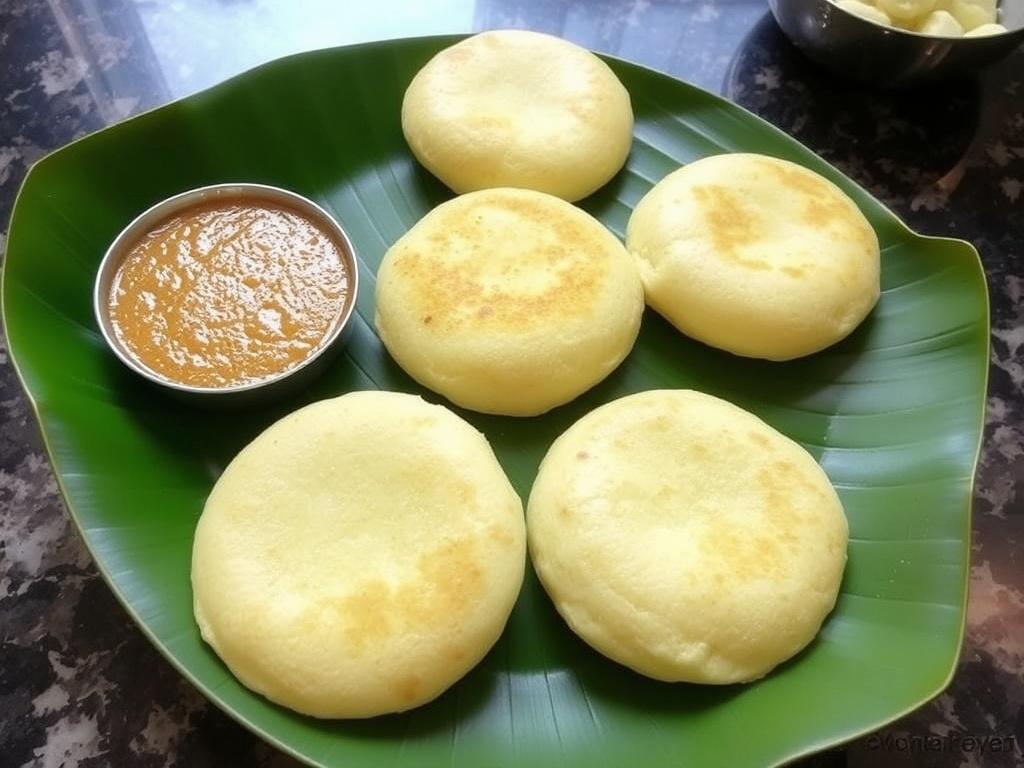
Neyappam South Indian pancakes are energy-dense. They’re made from carbohydrate-rich rice flour and jaggery, with fat from ghee or oil. That means they’re a quick source of calories — good for festival energy, not so great if you’re counting calories every bite. Jaggery provides minerals such as iron in small amounts and is less processed than white sugar, but it’s still sugar. Want a quick comparison? Here’s a simple table showing typical components per serving (approximate and variable by recipe):
| Component | Role in neyappam |
|---|---|
| Carbohydrates | Main energy source from rice flour and jaggery |
| Fats | From ghee/oil, give aroma and texture |
| Protein | Low, unless lentil or coconut is added |
| Micronutrients | Small amounts from jaggery and coconut |
If you want a lighter version, reduce ghee, bake instead of frying, or use wholegrain flours like millet.
Popularity in different countries Neyaappam South Indian pancakes
Neyappam South Indian pancakes are best known in Kerala and among Malayali communities worldwide. You’ll find them in Kerala-style restaurants in the United Arab Emirates, the UK, the US, Malaysia and Singapore, especially where Indian festival communities gather. Home cooks abroad often make neyappam for Onam, Vishu, or family functions, keeping the tradition alive far from its origins. In short: it’s a regional star that follows its people around the globe.
3 best recipes for cooking Neyaappam South Indian pancakes
1. Traditional Neyyappam with Banana and Jaggery
Ingredients:
- 1 cup rice flour
- 1/2 cup jaggery syrup (dissolve jaggery in warm water and strain)
- 1 ripe banana, mashed
- 1/4 cup grated coconut (optional)
- 1/2 tsp cardamom powder
- 2 tbsp ghee or oil for frying
Steps:
- Mix rice flour, jaggery syrup, mashed banana, coconut and cardamom into a batter of pouring consistency. Rest 15–30 minutes.
- Heat a shallow appam pan or small frying pan with ghee. Drop spoonfuls of batter, flatten slightly, and cook until golden on both sides. Keep heat medium-low so centers cook through.
- Drain on paper and serve warm.
2. Quick Yeast-Fermented Neyappam (airy, traditional taste)
Ingredients:
- 1 cup rice flour
- 1/2 cup jaggery syrup
- 1/4 tsp active dry yeast
- 1 tbsp mashed ripe banana (optional)
- 2 tbsp ghee or oil
Steps:
- Bloom yeast in a few tablespoons of warm water, then mix into batter of rice flour, jaggery and banana. Cover and let ferment 2–3 hours until bubbly.
- Fry spoonfuls in hot ghee as above; fermentation gives a light interior with caramelized outside.
3. Baked Neyappam (healthier and easy)
Ingredients:
- 1 cup rice flour or a 50/50 mix with millet flour
- 1/3–1/2 cup jaggery syrup
- 1 egg or flax egg for binding (optional)
- 1/4 cup low-fat yogurt or mashed banana
- 2 tbsp coconut oil
Steps:
- Preheat oven to 180°C (350°F). Mix ingredients into a thick batter and spoon into a greased muffin tray.
- Bake 12–18 minutes until golden. Result won’t be identical to deep-fried neyappam but is tasty and lighter.
What to eat with Neyaappam South Indian pancakes
Neyappam South Indian pancakes are often eaten plain with tea or coffee. If you like contrasts, try them with coconut chutney for a savory-sweet combo, or drizzle a little warm jaggery syrup or honey for extra indulgence. Fresh fruit or a spoonful of yogurt also temper the sweetness nicely. Personally, I reach for strong filter coffee — the bitterness balances the jaggery and makes each bite feel like part of a tiny ceremony.
If you’ve never made neyappam before, start with the traditional recipe and make small batches. It’s forgiving, and each attempt teaches you about batter consistency, heat control, and the comfort of a simple, well-made sweet.


