
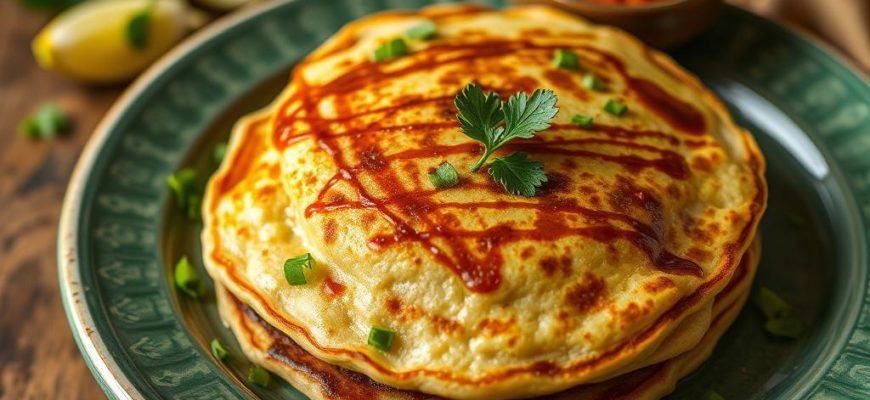
There’s something about small things that promise big flavor—those first hot, crisp edges giving way to a soft, tangy center, a whisper of spice, a dip into coconut chutney, and suddenly you’re hooked. Indian panyarum pancakes do exactly that: modest, homey, and endlessly adaptable. Whether you found them at a roadside stall, at a friend’s kitchen, or are just curious about a new snack to try this weekend, read on—this is a friendly, detailed tour of what these pancakes are, where they come from, how to make them three different ways, and what to pair them with so they sing.
- What Indian panyarum pancakes are
- History Indian panyarum pancakes
- Where it first appeared Indian panyarum pancakes
- Interesting facts about Indian panyarum pancakes
- Nutritional value Indian panyarum pancakes
- Popularity in different countries Indian panyarum pancakes
- 3 best recipes for cooking Indian panyarum pancakes
- Classic savory kuzhi paniyaram
- Sweet jaggery-coconut panyarum pancakes
- Instant rice flour paniyaram for busy mornings
- What to eat with Indian panyarum pancakes
What Indian panyarum pancakes are
Indian panyarum pancakes—more widely known in South India as paniyaram or kuzhi paniyaram—are small, round pancakes made from a fermented batter of rice and urad dal or from quick batters based on rice flour. They’re cooked in a special pan with multiple hemispherical wells, which gives them a crisp outside and soft inside. You’ll find both savory and sweet versions: the savory kind often includes onions, chilies, and curry leaves; the sweet version uses jaggery, coconut, or banana. Simple to eat, easy to love, and great for breakfast, tea time, or as a snack.
History Indian panyarum pancakes
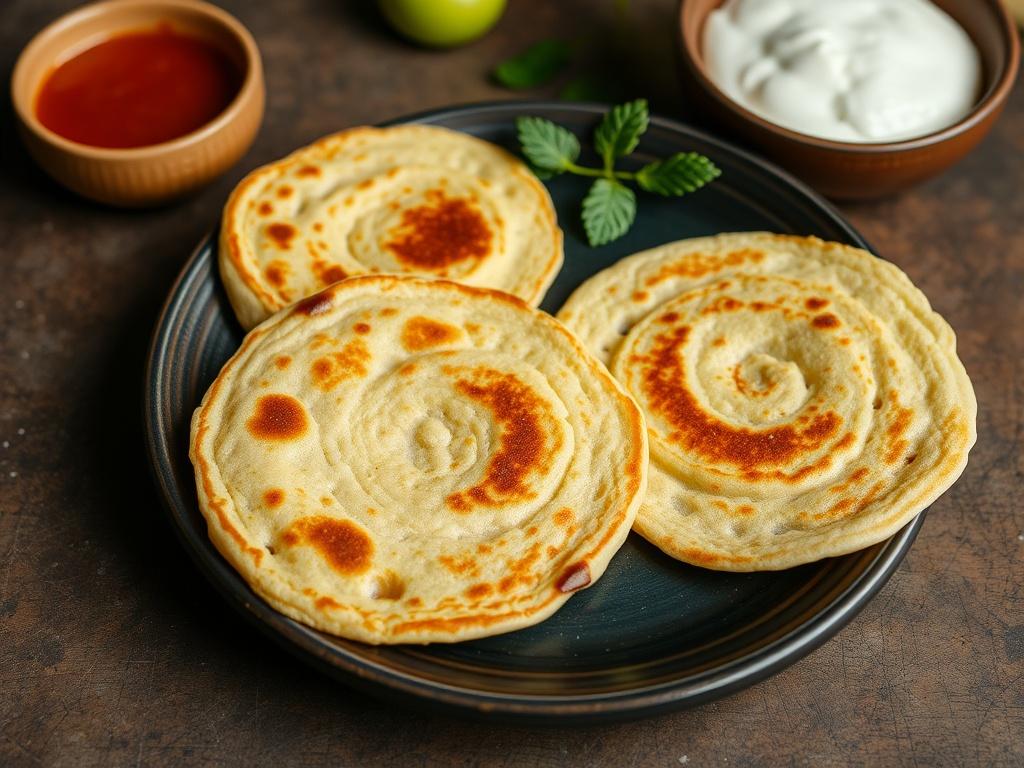
The roots of Indian panyarum pancakes trace back centuries in South Indian home cooking, where rice-and-lentil fermentation techniques gave rise to familiar staples like idli and dosa. Paniyaram evolved as a practical way to use leftover fermented batter or make a quick, portable snack. In many households, mothers and grandmothers passed down small tweaks—adding lentil sprouts, chopped veggies, or sweet fillings. Over time the snack remained chiefly regional but never really went away; it stayed a comforting, everyday food rather than a festival-only dish.
Where it first appeared Indian panyarum pancakes
These little pancakes first appeared in the southern states of India—Tamil Nadu, Karnataka, Andhra Pradesh, and Kerala. Each area has its own name and slight variations: kuzhi paniyaram in Tamil Nadu, paddu in Kannada-speaking regions, and sometimes kuzhi appam in local speech. The basic idea—fermented batter cooked in a molded pan—was born where rice cultivation and small-scale home cooking techniques were part of daily life.
Interesting facts about Indian panyarum pancakes
- Paniyaram pans are similar to takoyaki pans from Japan; they share the same concept of round, molded cooking.
- The batter for savory paniyaram is often identical to idli or dosa batter—so nothing goes to waste.
- Paniyaram can be made sweet or savory with the exact same pan and small changes in ingredients.
- Street vendors and home cooks use a variety of oils: coconut oil gives a distinctive aroma, while neutral oil yields a more neutral crust.
- They’re portable and kid-friendly, which explains their enduring popularity as a lunchbox or picnic item.
Nutritional value Indian panyarum pancakes
Nutrition varies by recipe, but here’s an approximate breakdown for 100 g of savory paniyaram made from fermented rice and urad dal batter:
| Nutrient | Approximate per 100 g |
|---|---|
| Calories | 130–160 kcal |
| Protein | 4–6 g |
| Carbohydrates | 22–28 g |
| Fat | 3–7 g (depends on oil used) |
| Fiber | 1–2 g |
Because the batter is fermented, these pancakes can be easier to digest than plain rice preparations, and fermentation slightly increases B-vitamin availability. If you add vegetables, the vitamin and fiber content improves. For lower calories, use minimal oil and smaller portions.
Popularity in different countries Indian panyarum pancakes
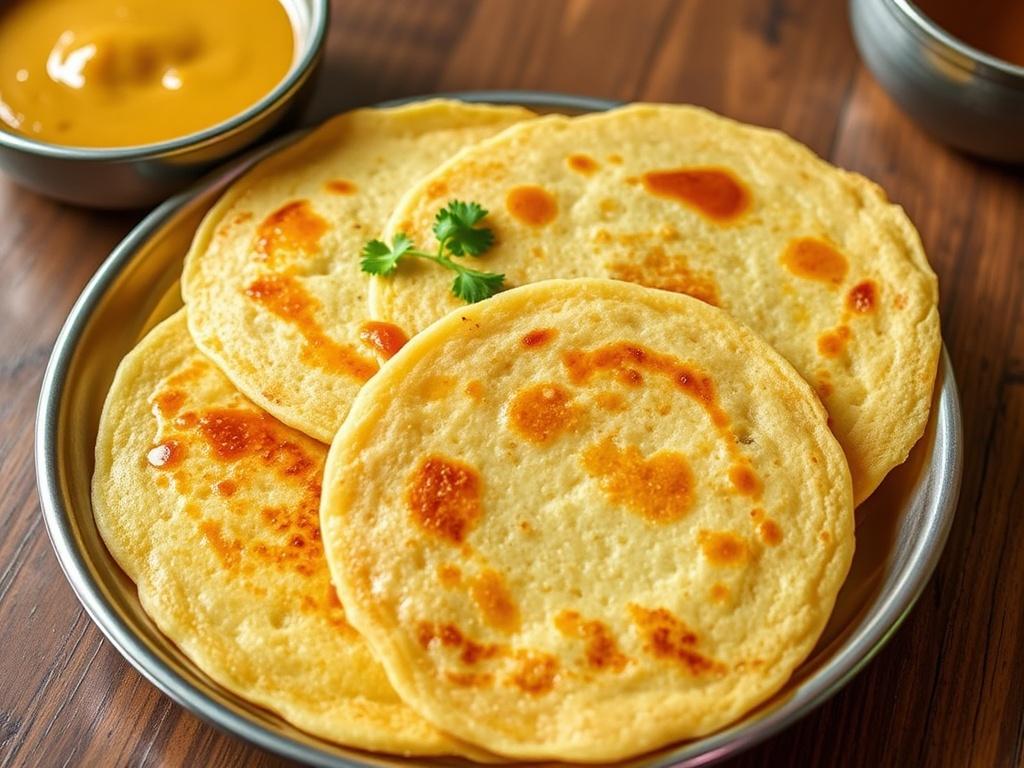
While firmly a South Indian comfort food, Indian panyarum pancakes travel with people. In Sri Lanka and parts of Southeast Asia with Indian communities you’ll see similar snacks. In the UK, US, Canada, and Australia they’ve surfaced in Indian cafés and home kitchens, especially as interest in regional Indian foods grows. Food festivals and fusion chefs sometimes reinvent them—think paniyaram sliders or paneer-stuffed versions—but many cooks prefer the classic simplicity.
3 best recipes for cooking Indian panyarum pancakes
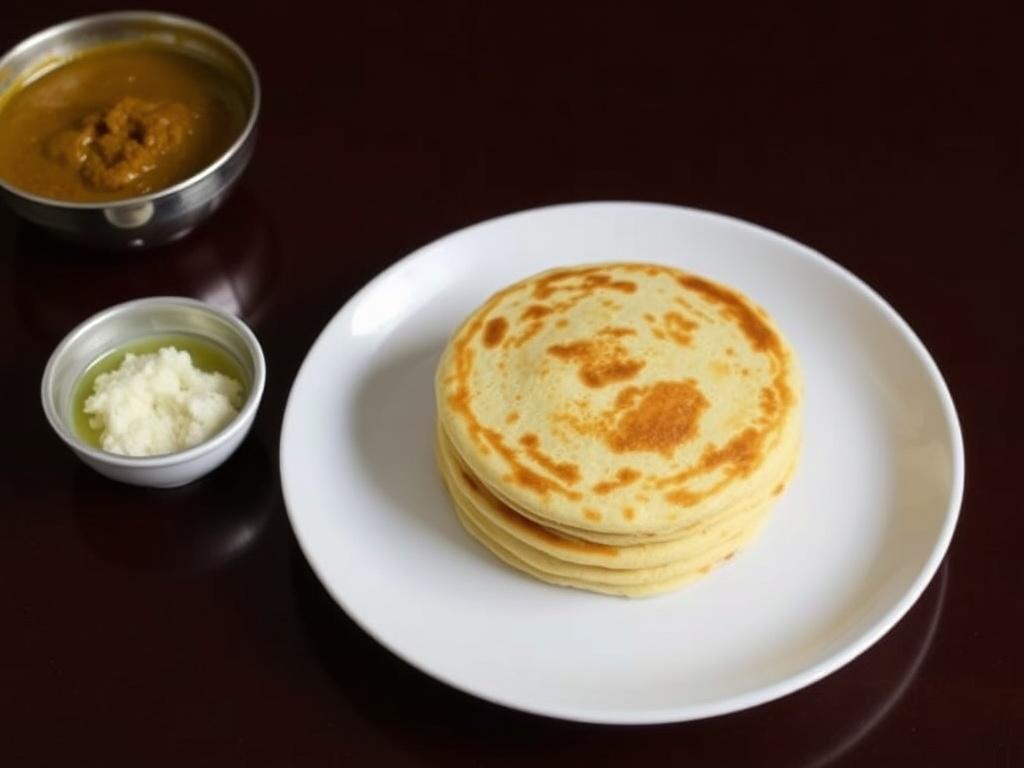
Classic savory kuzhi paniyaram
Ingredients:
- 1 cup idli/dosa batter (fermented rice and urad dal)
- 1 small onion, finely chopped
- 1 green chili, minced
- Handful chopped curry leaves
- Salt to taste, oil for cooking
Method:
- Mix batter with onion, chili, curry leaves, and salt.
- Heat paniyaram pan, brush each well with oil.
- Pour batter into wells, cover, cook on medium heat until bottoms brown.
- Use a skewer to flip pancakes and cook the other side until golden. Serve hot with coconut chutney.
Sweet jaggery-coconut panyarum pancakes
Ingredients:
- 1 cup idli/dosa batter or rice flour batter
- 3–4 tbsp grated jaggery (adjust to taste)
- 2 tbsp grated coconut
- A pinch of cardamom
- Oil or ghee for cooking
Method:
- Mix jaggery with a spoonful of warm water to melt, combine with batter and coconut, add cardamom.
- Cook in paniyaram pan, flipping once. Serve warm with a smear of ghee or condensed milk for decadence.
Instant rice flour paniyaram for busy mornings
Ingredients:
- 1 cup rice flour
- 1/4 cup yogurt, water as needed to make a thick batter
- 1 tsp mustard seeds, 1 tsp chana dal, curry leaves, chopped onion
- Salt, oil for cooking
Method:
- Beat ingredients into a thick pourable batter, rest 10–15 minutes.
- Toss in spices and onions, then cook in the paniyaram pan as above.
What to eat with Indian panyarum pancakes
Serve savory Indian panyarum pancakes with:
- Coconut chutney or tomato chutney
- Sambar or a thin lentil stew
- Dry spice powders (gunpowder/podi) mixed with ghee
For sweet versions offer:
- Fresh grated coconut
- Warm jaggery syrup or honey
- A scoop of coconut milk or a dollop of yogurt
They work great as finger food at gatherings, as an accompaniment to tea, or as part of a larger breakfast spread.
If you’re curious, start with the classic savory recipe. The pan is inexpensive, the method forgiving, and once you master the flip, you’ll find yourself inventing fillings and flavors. These pancakes are small, but they open a big door into South Indian home cooking—simple, flexible, and full of taste.


