
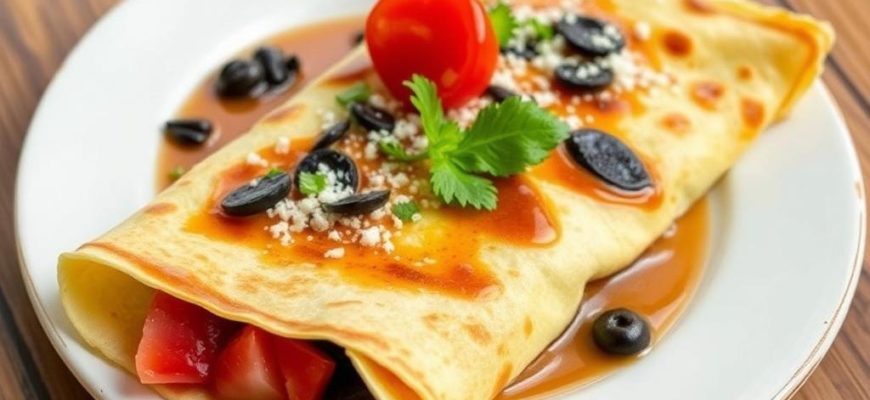
I still remember the first time I tasted a filloa — thin, lacy, warm against my palms, its edges crisp and its center silky like a promise. It was one of those simple moments that stick: a humble pancake with more stories than most fancy dishes. If you think pancakes are all about syrup and butter, stick around. Filloa pancakes carry regional memory, surprising flavors and a stubbornly practical charm that makes them worth learning about, cooking and sharing with friends.
- What it is Filloa pancakes
- History Filloa pancakes
- Where it first appeared Filloa pancakes
- Interesting facts about Filloa pancakes
- Nutritional value Filloa pancakes
- Popularity in different countries Filloa pancakes
- 3 best recipes for cooking Filloa pancakes
- 1. Classic Galician Filloas
- 2. Filloas de Sangue (Traditional Savory)
- 3. Buckwheat or Gluten-Free Filloa
- What to eat with Filloa pancakes
What it is Filloa pancakes
Filloa pancakes: at heart they are thin crepes from northwest Spain, most closely tied to Galicia and parts of Asturias and northern Portugal. Unlike American flapjacks, filloas are rolled or folded and served sweet or savory. The basic batter is simple — flour, liquid (milk or water), eggs in many recipes — and the technique is what counts: you pour a little, swirl the pan and aim for an even, paper-thin layer. Texture ranges from soft and pliable to slightly crisp at the edges, depending on cooking time and fat used.
History Filloa pancakes
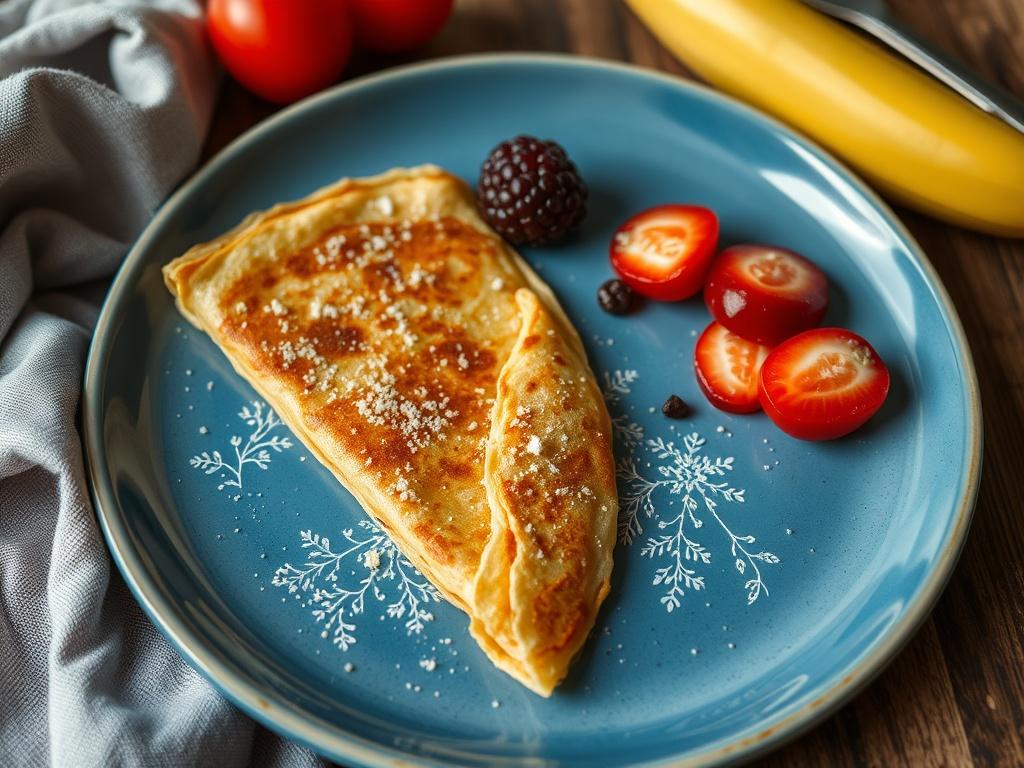
History Filloa pancakes: their exact origin is fuzzy, which is part of the fun. They belong to a family of European thin pancakes, and for centuries they have been practical food on farms and in small kitchens. Filloas became woven into local rituals: Carnival and seasonal pig slaughter events are common contexts where families made large batches. The recipe evolved regionally; some households kept a sweeter tradition, others turned filloas into a way to use leftover blood, fat and scraps after butchering, so nothing went to waste. That pragmatic origin explains the filloa’s variety — there isn’t one “authentic” version, just many honest ones.
Where it first appeared Filloa pancakes
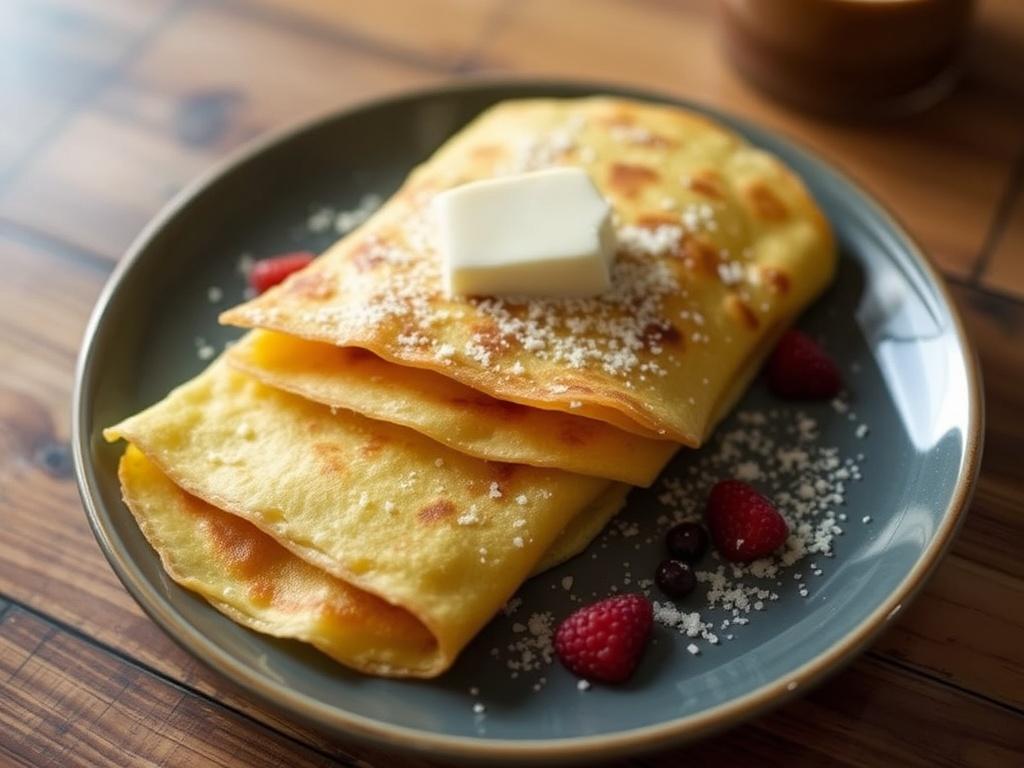
Where it first appeared Filloa pancakes: most culinary historians point to Galicia and its neighboring territories as the birthplace. The landscape — smallholdings, dairy, and a culture of home preserving — favored a thin, quickly made pancake you could fill with milk, honey, pork fat or beans. Coastal trade and cultural exchange nudged recipes around the region, but the strongest claims still come from Galician kitchens, where grandmothers guarded their own flip-and-fold techniques.
Interesting facts about Filloa pancakes
Interesting facts about Filloa pancakes:
- They’re traditionally associated with Carnival and winter feasts, when households were busiest and family meals leaned on shared comfort food.
- There are sweet and savory families of filloas — some are spread with a custard or honey, others wrap chorizo or blood pudding.
- “Filloa de sangue” (blood filloa) is a real and historic variation born of the matanza, the communal pig slaughter; it’s an example of nose-to-tail cooking.
- Technique matters more than fancy ingredients: thin batter and a hot, well-greased pan make the lace-like structure that distinguishes a good filloa.
Nutritional value Filloa pancakes
Nutritional value Filloa pancakes: values vary wildly by recipe and portion size, but here’s a practical snapshot for a single basic filloa made from flour, milk and egg (about 60–70 g):
| Nutrient | Approximate amount |
|---|---|
| Calories | 110–140 kcal |
| Carbohydrates | 15–20 g |
| Protein | 4–6 g |
| Fat | 3–6 g |
| Fiber | 0.5–1.5 g |
If you add sugar, cream, sausages or fried fat, calories and fat content rise. For a lighter option, use skim milk or water, reduce added fats, and top with fresh fruit or a thin spread of honey.
Popularity in different countries Filloa pancakes
Popularity in different countries Filloa pancakes: most popular in Galicia and northern Portugal, filloas show up at family tables and local festivals. Outside Iberia, they aren’t as mainstream as French crêpes, but food lovers and chefs who explore regional Spanish cuisine often rediscover them. In Spain, they’re a regional pride item, a dish people associate with home and seasonality rather than haute cuisine. In foodie circles globally, filloas are appreciated for their rustic versatility.
3 best recipes for cooking Filloa pancakes
Below are three approachable recipes that cover traditional and modern ground. Quantities generally serve 4.
1. Classic Galician Filloas
Ingredients: 250 g all-purpose flour, 2 eggs, 500 ml milk, pinch salt, 1–2 tbsp melted butter or oil for the pan.
Method: Whisk flour and milk into a smooth batter, add eggs and salt, let rest 20 minutes. Heat a non-stick pan, brush with fat, pour a small ladle and swirl to coat. Cook 1–2 minutes per side until lacy. Serve with sugar and lemon or a spoonful of sweet cream.
2. Filloas de Sangue (Traditional Savory)
Ingredients: basic batter as above; for filling: cooked pig’s blood mixed with sautéed onions, a little fat or lard, salt and pepper.
Method: Make thin pancakes. Warm the blood mixture, spread on a pancake and fold. This variation is linked to traditional pig slaughter meals. If pig’s blood isn’t available, substitute a savory mushroom or black pudding filling for similar texture and depth.
3. Buckwheat or Gluten-Free Filloa
Ingredients: 200 g buckwheat flour, 100 g rice flour (optional), 2 eggs or flax egg, 500–600 ml water or milk, pinch salt.
Method: Mix to a runny batter, rest, fry thinly. Buckwheat adds an earthy note and works well with savory toppings like smoked salmon, soft cheese, or sautéed greens.
What to eat with Filloa pancakes
What to eat with Filloa pancakes: the short answer is almost anything. Sweet pairings: honey, sugar and lemon, cinnamon, thick custard, fruit preserves, Nutella. Savory options: chorizo, sautéed mushrooms, slow-cooked meats, manchego or fresh goat cheese, or the traditional blood filling. For a simple crowd-pleaser, serve a stack with bowls of toppings and let people assemble their own — that’s how these pancakes shine, in shared, messy, convivial moments.
To wrap up, filloa pancakes are easy to make, endlessly adaptable and full of local history. They’re a reminder that good food doesn’t need to be complicated — it just needs a warm pan, a willing hand and something to share.


