
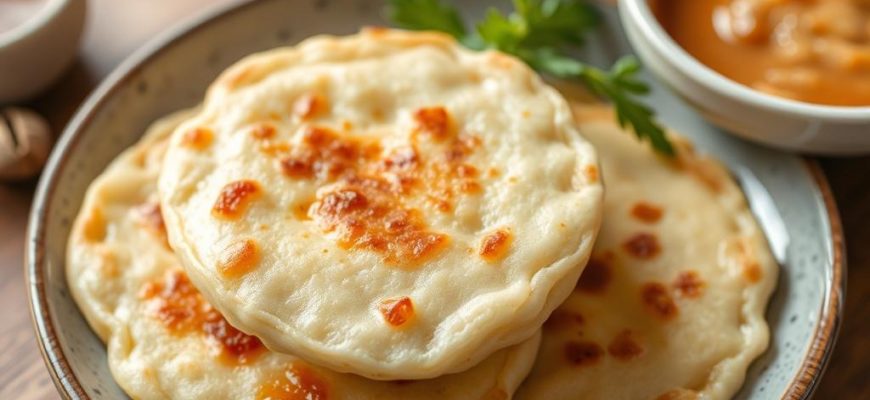
Hot, chewy pockets bursting with melted sugar and nuts — that first bite of hottok is a small, memorable thrill. Imagine a dough ball pressed flat on a skillet until the outside is golden and crisp, then tearing it open to find a molten, cinnamon-scented core that threads into sticky strings. It sounds simple, but hottok is one of those street snacks that hooks you: familiar comfort, a little sweetness, and a texture contrast that keeps you coming back. If you’ve seen vendors at night markets or winter stalls handing these over in paper cups and wondered what they are, read on — I’ll take you through what hottok is, where it came from, why it matters, how to make it at home, and the best ways to enjoy it.
- What Hottok Is and Why It Feels So Right
- History of Hottok and Its Cultural Roots
- Where Hottok First Appeared and How It Spread
- Interesting Facts About Hottok
- Nutritional Value of Hottok
- Popularity in Different Countries
- Three Best Recipes for Cooking Hottok at Home
- Classic Sweet Hottok
- Savory Cheese and Scallion Hottok
- Fusion Apple-Cinnamon Hottok
- What to Eat With Hottok and How to Serve It
What Hottok Is and Why It Feels So Right
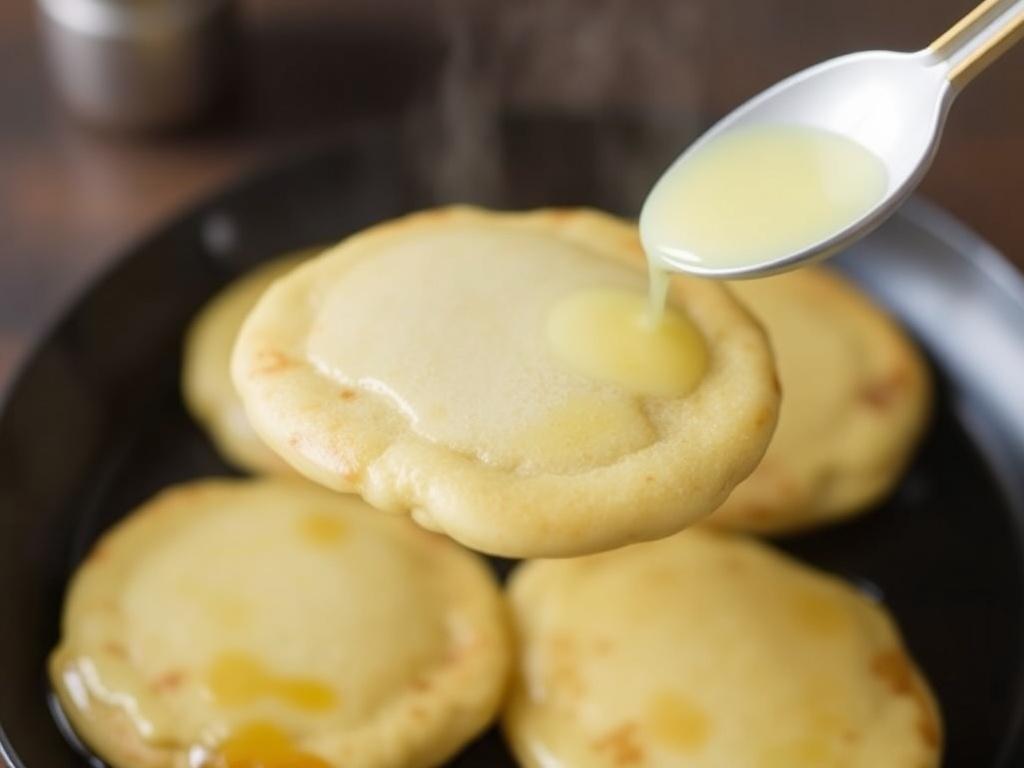
Hottok, also spelled hotteok, is a filled Korean-Chinese pancake sold mainly as a warm street snack. The outer layer is a yeasted dough made from wheat flour, water or milk, a bit of sugar and oil. The classic filling is a mix of brown sugar, chopped nuts (often peanuts), and cinnamon. When the dough puffs on the pan, the sugary center melts into a caramel-like syrup. The result: a golden crust giving way to a molten, chewy inside, sweet but not cloying. Beyond the classic sweet version, cooks have created savory variants with fillings like vegetables, cheese, or even jajang-style black bean sauce — turning hottok into a flexible snack that can be comfort food or quick street lunch.
History of Hottok and Its Cultural Roots
Hottok is a product of cultural exchange. Its immediate ancestors are stuffed pancakes and fried doughs common across East Asia, brought and adapted by Chinese immigrants living in Korea. Over the decades, the simple concept of a filled pancake took on local flavors and became entrenched in Korea’s street food scene, especially in colder months when a warm, hand-held snack is irresistible. The recipe evolved with available ingredients: nuts and sugar for sweetness, later variations responding to changing tastes and street-food creativity.
Where Hottok First Appeared and How It Spread
Most historical threads point to Chinese immigrant communities in port cities and trade districts as the place where hottok first found a foothold in Korea. Over time, as vendors set up near markets, railway stations and busy neighborhoods, the pancake became a staple at street stalls. Incheon’s Chinatown and areas of Seoul where Chinese communities settled were early hotbeds, and from there the snack spread nationwide. Today, you’ll find hottok at winter markets, food alleys, night markets, and in Korean neighborhoods around the world.
Interesting Facts About Hottok
- Seasonal favorite: Hottok is especially associated with colder weather, since the warm, sugary filling is perfect for chilly hands and quick comforting calories.
- Regional twists: Some vendors add seeds, shredded vegetables or cheese, showing how a simple idea adapts to local palates.
- Street-to-table: Hottok made the jump from stalls into cafes and modern restaurants, sometimes presented as a plated dessert with ice cream or fruit.
- Texture obsession: Fans argue endlessly about the ideal ratio of crispy exterior to gooey interior — a small but sincere culinary debate.
Nutritional Value of Hottok
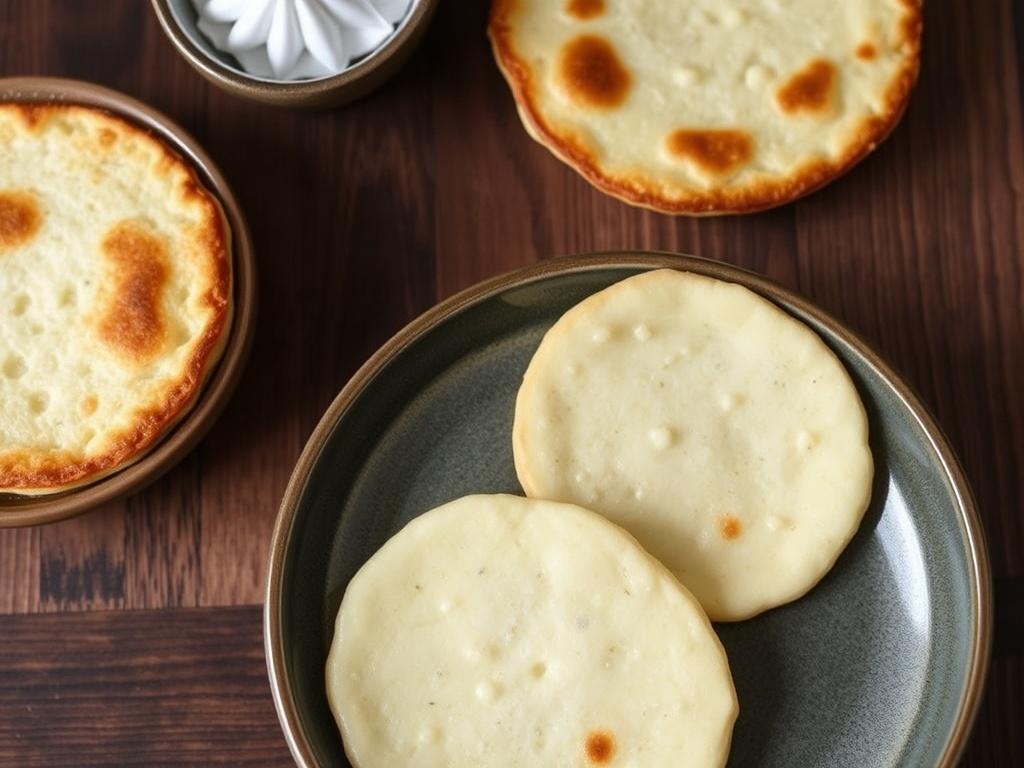
Hottok is a satisfying treat rather than a health food. Here’s a practical breakdown to help you understand what you’re eating:
| Component | Typical Amount per Pancake | Notes |
|---|---|---|
| Calories | 250–400 kcal | Varies with size and filling; sweet versions on the higher end |
| Carbohydrates | 30–50 g | Mainly from flour and sugar |
| Fat | 8–18 g | From oil used in dough and from nuts |
| Protein | 4–8 g | Higher with nut fillings or cheese |
| Sugar | 10–30 g | Depends on how much sweet filling is used |
If you want a lighter version, reduce the sugar in the filling, use less oil in the pan, or make smaller pancakes.
Popularity in Different Countries
Korea remains the heartland of hottok, but the pancake travels with the Korean diaspora. In countries with sizable Korean communities — the United States, Canada, parts of Southeast Asia, and Japan — you’ll find hottok at food festivals, Korean markets, and specialty stalls. The global curiosity about Korean food helps too: tourists and locals at night markets often try it as part of a broader Korean street-food experience. Where hot, portable snacks are valued, hottok fits right in.
Three Best Recipes for Cooking Hottok at Home
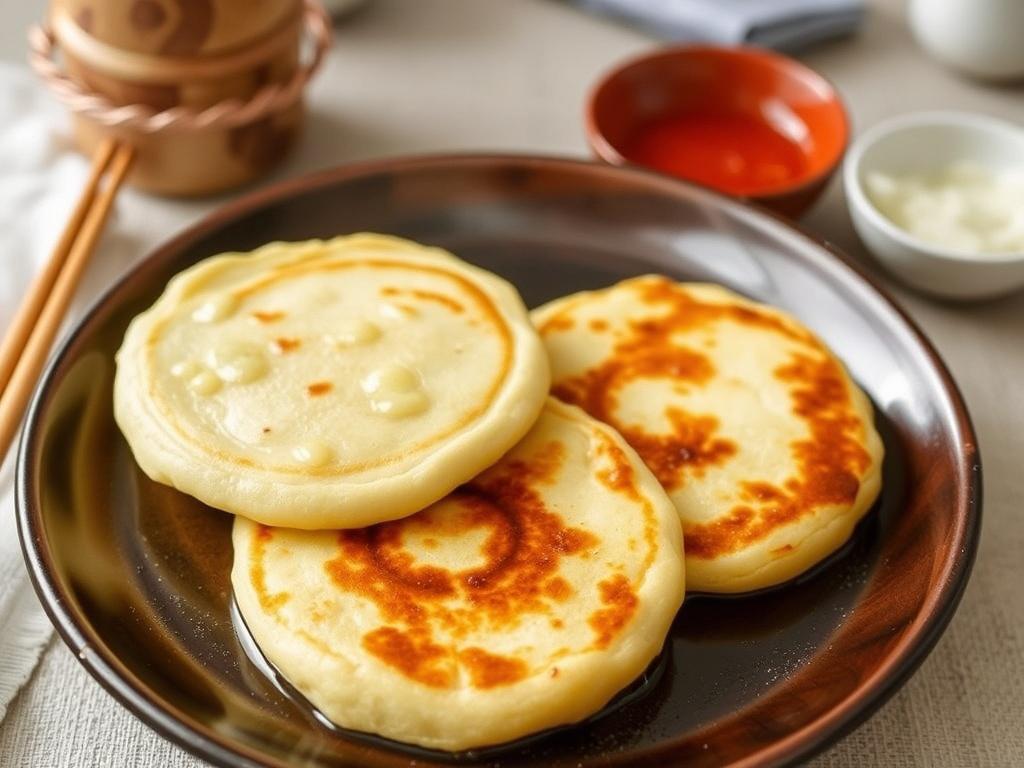
Classic Sweet Hottok
Ingredients:
- 2 cups all-purpose flour
- 1 cup warm water
- 1 tsp active dry yeast
- 1 tbsp sugar (dough)
- Pinch of salt
- 2 tbsp oil
- Filling: 1 cup brown sugar, 1/2 cup chopped peanuts, 1 tsp cinnamon
Method:
- Mix yeast with warm water and a teaspoon of sugar. Let foam 5–10 minutes.
- Combine flour, remaining sugar, salt, oil, and yeast mixture. Knead into soft dough. Let rise 30–60 minutes until doubled.
- Divide dough into balls (about golf-ball size). Flatten each, place 1–2 tbsp filling in center, seal and roll lightly.
- Pan-fry over medium heat in a lightly oiled skillet, pressing gently until both sides are golden and filling melts.
- Serve hot and tear open to enjoy the molten center.
Savory Cheese and Scallion Hottok
Ingredients and method follow the same dough base. For the filling use shredded mozzarella, finely chopped scallions, a pinch of salt and pepper, and optional cooked kimchi for tang. Seal carefully; cook a bit longer on low heat so cheese melts but the exterior doesn’t burn. This version is great as a quick lunch.
Fusion Apple-Cinnamon Hottok
A dessert take: swap the brown sugar-nut mix for diced apples sautéed briefly with butter, honey and cinnamon. Add a tablespoon of oats for texture. The fruity brightness balances the caramelization beautifully. Same dough and cooking technique.
What to Eat With Hottok and How to Serve It
Hottok pairs easiest with warm drinks: black coffee, sweet milk tea, or roasted grain teas. For a dessert twist, serve with a small scoop of vanilla ice cream and a drizzle of caramel for hot-and-cold contrast. If you prefer savory, pair cheese or kimchi-filled hottok with a light soup or a small side salad to cut through richness. Serving tip: keep them warm in a paper bag or wrapped cloth so they stay soft and the filling remains molten until you eat.
Wrap-up: Hottok is a humble little pancake with a lot of personality. It started in pockets of cultural exchange, became a winter comfort staple, and now shows up in creative forms. Make the classic version at home to understand why people line up for them, then experiment. Once you’ve torn open your first steaming hottok, you’ll know why it has such staying power.


