

There’s a moment when a hot uttapam lands on the tawa, the edges sizzling, the onions and tomatoes on top softening and smelling like sunshine—simple, comforting, and oddly celebratory. If you’ve ever wondered why South Indian uttapam pancakes keep showing up on breakfast tables and restaurant menus alike, this article will take you from the batter bowl to the plate, explain where uttapam came from, and give you practical recipes and pairing ideas so you can make them at home with confidence.
Uttapam is a South Indian savory pancake made from a fermented batter of rice and lentils. Unlike dosa, which is paper-thin and crisp, uttapam is thicker and softer, with a surface studded by toppings—onions, chilies, tomatoes, cilantro, grated carrots, sometimes cheese. The batter’s gentle fermentation gives the pancake a faint tang and lightness. Texturally, you get a tender interior and a slightly crisped exterior; flavor-wise, it’s savory and fresh, ready to pair with chutneys and sambar. In short, uttapam feels like home food that also shines at a brunch table.
- A short flavorful history of uttapam
- Where uttapam first appeared and how regions shaped it
- Interesting facts about uttapam that surprise people
- Nutritional value and what to expect on your plate
- How uttapam traveled and its popularity around the world
- Three great uttapam recipes you can make tonight
- Classic fermented rice and urad dal uttapam
- Quick no-ferment uttapam (using semolina or instant batter)
- Rava uttapam with corn and cheese (fusion favorite)
- What to eat with uttapam to make the meal sing
A short flavorful history of uttapam
Uttapam evolved from ancient South Indian fermentation traditions that produced dosa and idli batter. Fermenting rice and urad dal (black gram) is a technique documented in various regional cuisines across peninsular India for centuries. The name likely comes from Tamil and Malayalam roots implying a “pancake” or “thick dosa.” Historically it was a practical way to use leftover batter or to adapt dosa batter when a thicker, heartier option was wanted. Over time, regional cooks added local toppings and tweaks, turning uttapam into a flexible everyday dish.
Where uttapam first appeared and how regions shaped it
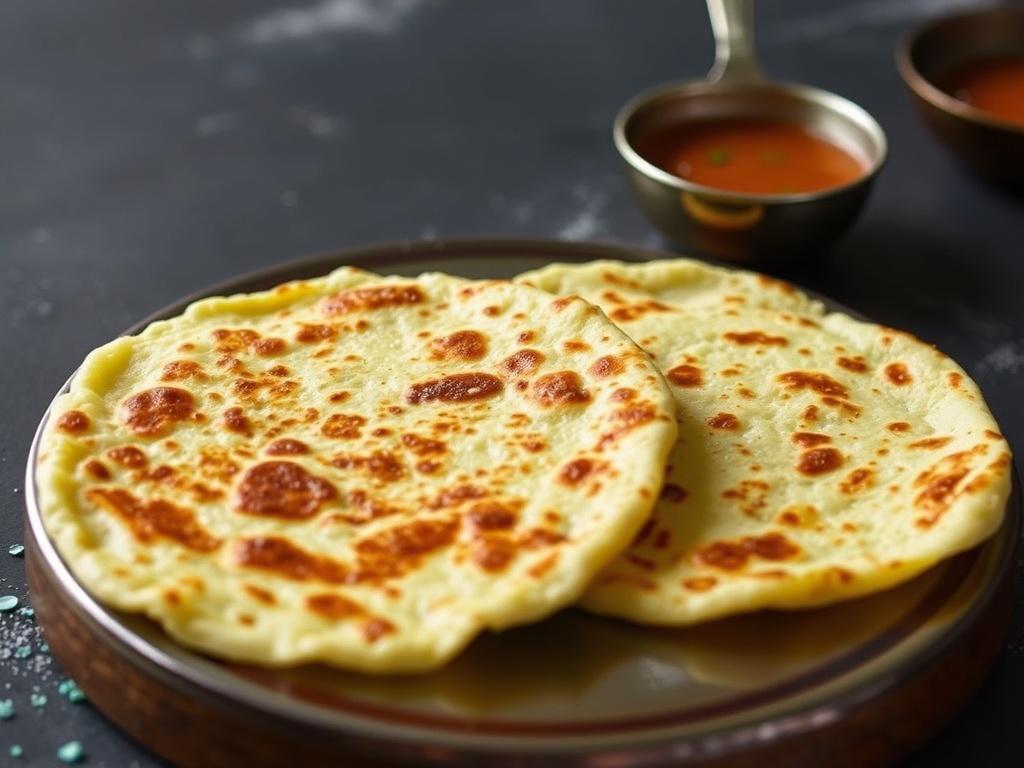
Uttapam has its roots in South India—especially Tamil Nadu, Kerala, Karnataka, and parts of Andhra Pradesh. Each state adapted the basic idea: in Tamil Nadu you’ll often see classic onion-tomato uttapam, Kerala favors thicker, more porridge-like variants sometimes topped with coconut, and Karnataka’s versions can be closer to dosa in batter ratio but still called uttapam when served thick. Urban migration and restaurants spread uttapam beyond South India, but its birthplace remains the bustling homes and temple towns of the south.
Interesting facts about uttapam that surprise people
- Fermentation does more than flavor: it boosts digestibility and can increase certain nutrients’ availability.
- Uttapam is wildly adaptable: toppings range from classic vegetables to fusion ingredients like cheese, corn, and even herbs and seeds.
- There are instant or semolina-based uttapams for people who want the taste without long fermentation.
- Although often called pancakes in English, uttapam’s texture and method set it apart from Western pancakes.
Nutritional value and what to expect on your plate
The nutrition of an uttapam depends on batter composition and toppings, but here’s a typical estimate for one medium uttapam (roughly 150–180 g finished pancake):
| Nutrient | Approximate amount |
|---|---|
| Calories | 220–300 kcal |
| Carbohydrates | 35–45 g |
| Protein | 6–10 g |
| Fat | 6–10 g (varies with oil used) |
| Fiber | 2–4 g |
Because the base is rice and lentil, uttapam provides a reasonable balance of carbs and plant protein. Fermentation can make nutrients easier to absorb. Add vegetables for more fiber, vitamins, and volume without many extra calories.
How uttapam traveled and its popularity around the world
Uttapam is a fixture in South India but traveled globally with migrants and restaurants. In the UK and US it appears on South Indian restaurant menus and in café-style brunch spots as a “savory pancake” alternative. In Australia and parts of Southeast Asia you’ll find fusion versions with local toppings. Popularity grows where people appreciate savory breakfasts and vegetarian options—uttapam’s approachable texture and adaptability make it an easy hit.
Three great uttapam recipes you can make tonight
Classic fermented rice and urad dal uttapam
Ingredients:
- 3 cups parboiled rice (idli rice) or regular raw rice
- 1 cup split urad dal (skinned black gram)
- 1/2 tsp fenugreek seeds (optional)
- Salt to taste
- Toppings: 1 small onion (finely chopped), 1 tomato (finely chopped), chopped green chili, cilantro
- Oil for cooking
Steps:
- Soak rice and urad dal (with fenugreek) separately for 4–6 hours.
- Grind urad dal to a smooth batter with water; grind rice to a slightly coarse batter. Combine, mix well, and leave to ferment 8–12 hours until airy and slightly sour.
- Add salt, heat a nonstick skillet, pour a ladle of batter to form a 5–6 inch round, sprinkle toppings, press gently, and drizzle a little oil around edges. Cook covered on low–medium until the base is golden; flip if you like both sides browned.
Quick no-ferment uttapam (using semolina or instant batter)
Ingredients:
- 1 cup semolina (rava), 1 cup plain yogurt, 1/2 cup water
- 1/2 tsp salt, 1/4 tsp baking soda (optional), 1/2 tsp sugar
- Toppings: onion, tomato, green chili, coriander
- Oil for frying
Steps:
- Mix semolina, yogurt, water, salt, and sugar. Let sit 10–15 minutes until semolina swells; add baking soda just before cooking if using.
- On a hot griddle, pour batter to make a thick pancake, spread toppings, cook until set and crisp on base, flip briefly.
Rava uttapam with corn and cheese (fusion favorite)
Ingredients:
- 1 cup semolina, 1/2 cup yogurt, 1/2 cup water
- 1/2 cup sweet corn kernels, 1/4 cup grated cheese, 1 small onion diced, spices: salt, pepper, chopped cilantro
Steps:
- Combine semolina, yogurt, water; rest 10 minutes. Fold in corn, onion, and seasoning.
- Pour onto skillet, top with grated cheese, cover until cheese melts and edges brown. Serve hot.
What to eat with uttapam to make the meal sing
Uttapam pairs beautifully with simple, bright sides. Classic accompaniments:
- Coconut chutney (grated coconut, roasted chana dal, green chilies, tempering of mustard seed and curry leaves)
- Tomato chutney or red chili–garlic chutney for a tangy kick
- Sambar: a lentil and vegetable stew that soaks into the pancake
- Podi (spiced lentil powder) mixed with ghee or oil for a nutty contrast
- Pickles, yogurt, or a light vegetable kurma if you want a heartier plate
Uttapam is generous and forgiving: it accepts improvisation and rewards freshness. Start with one of the recipes above, tweak the toppings you love, and serve it with a bright chutney. You’ll find the process reassuringly hands-on, and the result will probably be gone before you know it.


