
Have you ever heard of smelt? These small, silvery fish might seem unremarkable at first glance, but the more you learn about them, the more fascinating they become. Whether you’re a curious foodie, an avid angler, or simply a lover of nature’s little wonders, smelt have a story that’s definitely worth discovering. They have charmed fishermen for centuries, inspired delicious culinary creations, and play an important role in aquatic ecosystems. So stick around and dive into the captivating world of smelt — you’ll be surprised how much there is to know about these tiny fish and why they deserve a place on your fishing list and dinner menu.
- Smelt – Who They Are
- Smelt – Where They Live
- Smelt – How They Are Caught
- Types of Smelt
- Interesting Facts About Smelt
- What Are the Diets Using Smelt
- 5 Ways to Eat Smelt
- Cooking Tips About Smelt
- Nutritional Value of Smelt
- Benefits and Harms of Smelt
- Benefits of Smelt
- Potential Harms of Smelt
- 5 Best Dishes from Smelt
- What to Look for When Buying Smelt
- 5 More Fascinating Facts About Smelt
Smelt – Who They Are
Smelt are a group of small, slender fish belonging to the family Osmeridae. They’re often recognized by their elongated bodies, translucent scales, and shimmering silver color that almost makes them look like tiny specks of glass darting through the water. Despite their delicate appearance, smelt are surprisingly resilient and adaptable fish. They typically grow between 4 to 8 inches in length, making them an easy snack for many larger species in freshwater and marine environments.
One of the interesting things about smelt is their wide geographical spread. This family comprises several species, each adapted to particular climates, from cold Arctic streams to temperate coastal waters. What unites them, however, is their unique lifecycle and behavior—they’re often considered anadromous fish, meaning many species migrate from saltwater to freshwater to spawn.
Smelt have been valued by humans for centuries, not only as a food source but also for their ecological importance. They serve as a crucial link in the food chain, feeding larger predatory fish, birds, and mammals while consuming plankton and small invertebrates themselves. Their behavior and lifecycle also influence local ecosystems, especially where their seasonal spawn attracts large numbers of predators and anglers alike.
Smelt – Where They Live
If you wonder where smelt live, the answer is surprisingly varied. These fish occupy a wide range of habitats, mainly in the Northern Hemisphere. Most smelt species thrive in cold, clean waters with good oxygen levels, often favoring coastal areas, estuaries, lakes, and rivers. Here’s a more detailed breakdown of their preferred environments:
- Freshwater Lakes and Rivers: Many smelt species spend much of their life in freshwaters, particularly those found in North America, Europe, and parts of Asia. They are common in the Great Lakes region as well as in Scandinavian and Russian waters.
- Coastal Estuaries: Some smelt species inhabit brackish waters where freshwater mixes with the ocean, thriving in estuaries and tidal zones.
- Marine Coastal Waters: Smelt can also be found in salty ocean waters, especially around the coasts of the North Atlantic and Pacific Oceans.
What is particularly fascinating is how some smelt species migrate between these habitats during different seasons or stages of life. For example, the rainbow smelt moves between ocean and freshwater to breed, like salmon. This migration makes smelt revealing indicators of environmental health because their presence or absence can reflect water quality and habitat stability.
Smelt – How They Are Caught
Catching smelt is a cherished tradition in many regions, both as a recreational sport and a commercial endeavor. Their abundance, size, and behavior make them a fun challenge for anglers from novices to experts. Here’s how smelt are commonly caught:
- Dip Netting: This popular method involves scooping smelt out of the water with a net, especially during their spawning runs when they come close to shore. It’s a hands-on, low-tech way that families often enjoy together.
- Ice Fishing: In colder climates, ice fishing for smelt through holes drilled in frozen lakes is a favorite winter pastime. Using small jigging rods or simple hooks, anglers entice the fish to bite with little bait or small lures.
- Seine Nets: Commercial fishermen sometimes use seine nets to herd and capture schools of smelt efficiently along coastal waters or river mouths.
- Hook and Line: Smelt respond well to tiny hooks baited with natural morsels like maggots, worms, or small pieces of fish. Patience and quick reflexes pay off in this method.
Timing is essential for smelt fishing, as these fish gather in large numbers during their annual spawning migrations, usually in late winter or early spring. This period offers the best opportunities to catch them, sometimes resulting in bountiful hauls that sustain local celebrations and smelt festivals.
Types of Smelt
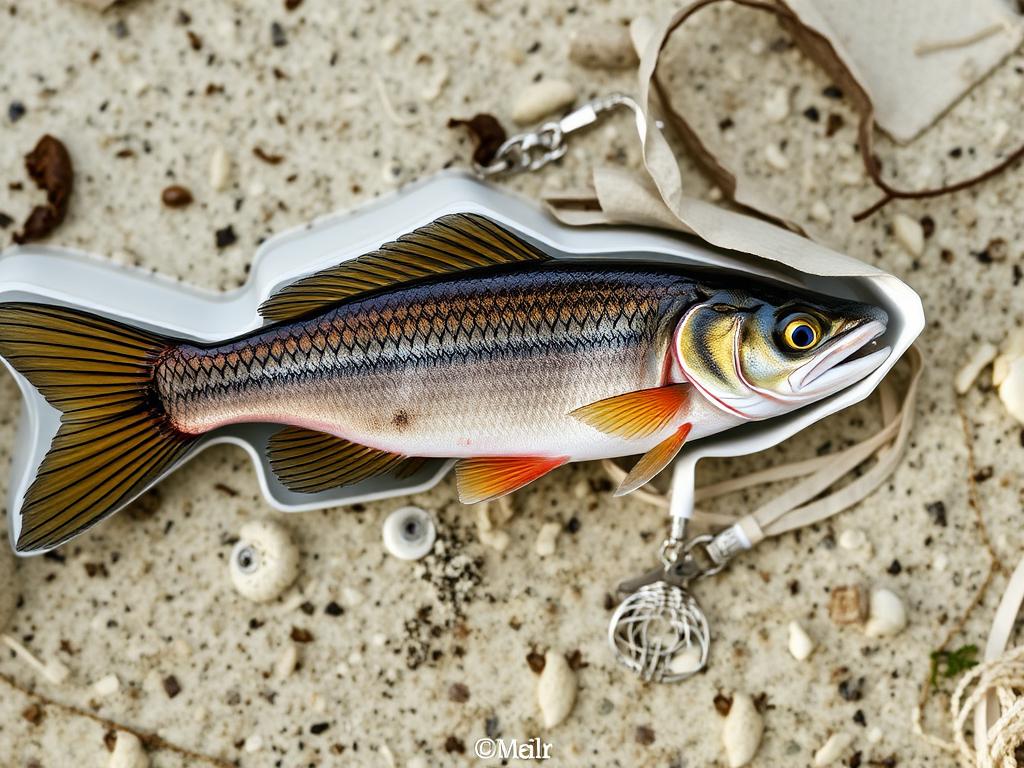
The smelt family is quite diverse, encompassing several species that differ slightly in size, habitat, and behavior. Here is a look at some of the key smelt types you might encounter:
| Species | Common Name | Distribution | Habitat | Notes |
|---|---|---|---|---|
| Osmerus mordax | Rainbow Smelt | North America (Great Lakes, Atlantic coast) | Freshwater & Estuaries | Anadromous, popular sport fish |
| Hypomesus olidus | Pond Smelt | Northern Asia and North America | Freshwater lakes and ponds | Landlocked species |
| Spirinchus thaleichthys | Eulachon (or Candlefish) | Pacific Northwest coast | Marine and freshwater | Known for high oil content |
| Osmerus eperlanus | European Smelt | Europe | Freshwater and coastal marine waters | Spawn in rivers in spring |
Each type of smelt carries its own unique traits and cultural importance depending on the region. The rainbow smelt, for example, is extensively fished and loved as food in the US and Canada, whereas the Eulachon or candlefish is renowned for its rich oils and is crucial to indigenous communities on the Pacific coast.
Interesting Facts About Smelt
You might think smelt are just tiny fish, but they carry some pretty surprising quirks and features. Here are some of the most interesting facts about smelt that set them apart:
- Bioluminescence: Some smelt species have light-producing organs called photophores along their bodies, giving them a faint glow in dark water.
- Candlefish Name: The Eulachon smelt earned the nickname “candlefish” because people used to dry and burn them like candles due to their high oil content.
- Spawning Runs: Like salmon, smelt travel upstream to spawn in huge groups, creating spectacular natural events that attract fishermen and wildlife alike.
- Indicator Species: Their sensitivity to water quality makes smelt valuable bioindicators for scientists monitoring aquatic environments.
- Short Lifespan: Generally, smelt live only around 3 to 5 years, but they grow fast and reproduce prolifically.
These 5 interesting facts about smelt already hint at just how incredible these little fish are. Despite their size, they hold a wealth of ecological and cultural stories within their silver scales.
What Are the Diets Using Smelt
Smelt are both predators and prey within aquatic food webs. Understanding their diets offers insights into their role in the ecosystem and why they’re so important.
- Adult Smelt Diet: They primarily feed on zooplankton—the tiny drifting animals found in water—as well as small fish larvae and aquatic insects. This diet helps control populations of small aquatic organisms.
- Juvenile Smelt Diet: Young smelt mostly consume microscopic algae and plankton, growing quickly to join adult fish in hunting larger prey.
- Predators That Rely on Smelt: Larger fish such as trout, bass, and salmon eagerly eat smelt, as do many bird species like herons and gulls.
- Humans Using Smelt: Smelt are used in various culinary traditions, sometimes served whole or incorporated into processed foods, adding delicate flavors to meals.
By studying smelt diets and how they integrate into the food chain, we appreciate their balancing role—contributing to healthy watersheds and supporting diverse aquatic life.
5 Ways to Eat Smelt
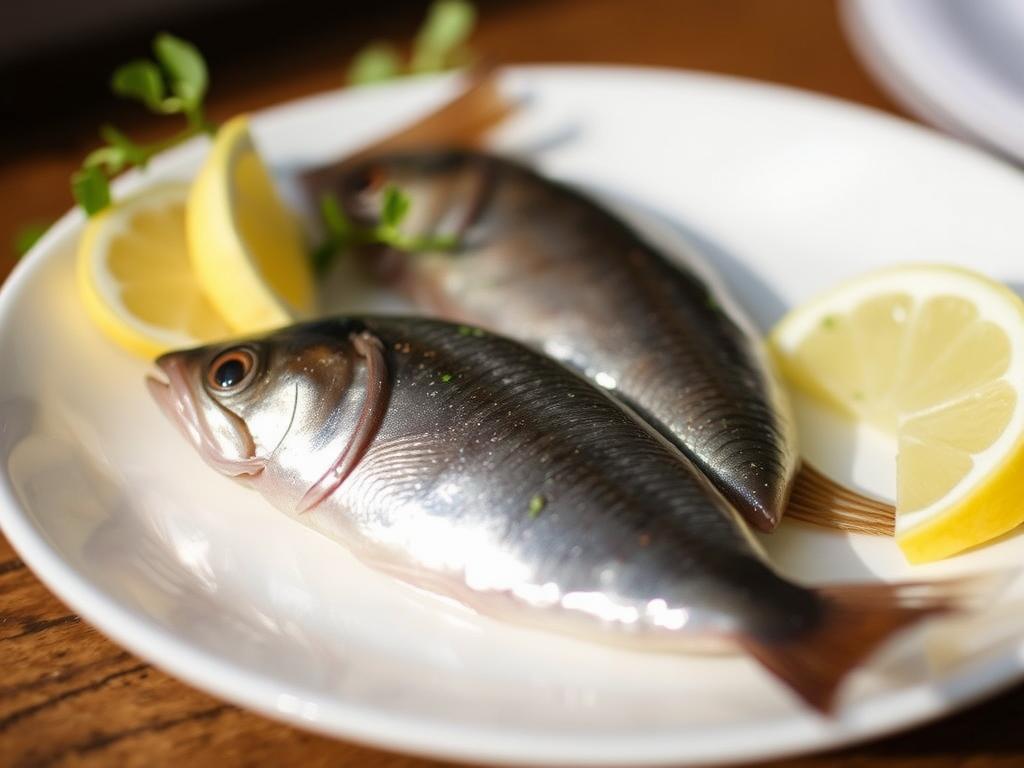
If you thought smelt were just baitfish, prepare to be surprised. Their small size and tender flesh make them a delightful ingredient in many dishes worldwide. Here are five popular ways to eat smelt that showcase their versatility:
- Fried Smelt: Quick-dipped in flour or batter and fried until crispy. This is probably the most classic way to enjoy smelt as a crunchy snack or appetizer.
- Smelt Sushi: In some parts of Japan, smelt are gently cured and served as sushi or sashimi, highlighting their delicate flavor.
- Grilled Smelt: Skewered and grilled whole, smelt can develop a smoky, charred flavor that pairs elegantly with simple seasonings.
- Pickled Smelt: Some cultures prepare smelt by pickling them in vinegar and spices, creating a tangy treat that lasts well.
- Smelt Stew or Soup: Added to broths or chowders for a burst of seafood richness, smelt’s flavor blends well with vegetables and herbs in hearty soups.
These approaches prove just how adaptable smelt are in the kitchen. Whether battered and fried or gently grilled, smelt add delightful textures and flavors to meals.
Cooking Tips About Smelt
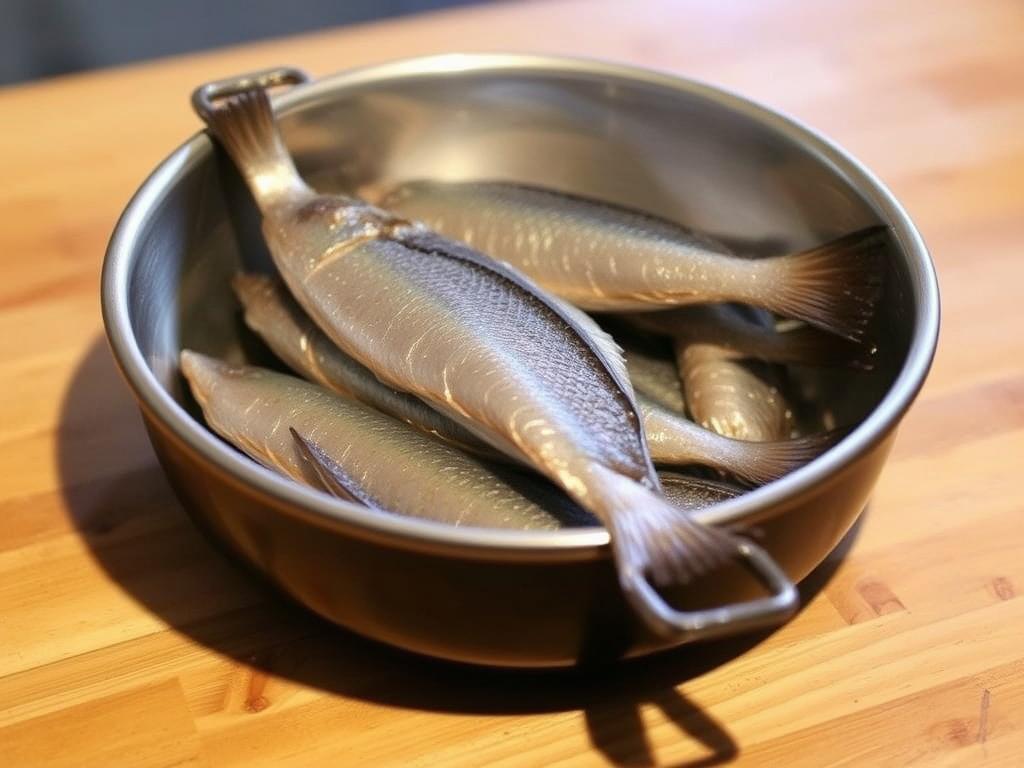
Cooking smelt can be a breeze if you follow a few simple tips that will ensure the best taste and texture. Here are some of the most helpful cooking tips about smelt:
- Keep Them Fresh: Smelt spoil quickly, so it’s best to cook them the same day you buy them or keep them chilled immediately.
- Clean Gently: Since smelt are small and delicate, rinse them in cold water but avoid aggressive cleaning that might damage their skin and flavor.
- Cook Whole: Because they’re so small, smelt are often cooked whole, including bones and head; they’re safe to eat and add crunchiness.
- Don’t Overcook: Smelt cook very quickly and become rubbery if overdone. A couple of minutes in hot oil or grilling till just golden is usually enough.
- Use Light Coatings: When frying, stick to simple coatings like flour, cornmeal, or a tempura batter to highlight the fish’s natural flavor.
With these practical pointers, anyone—from beginner cooks to seasoned chefs—can successfully work with smelt and enjoy their delicious, subtle taste.
Nutritional Value of Smelt
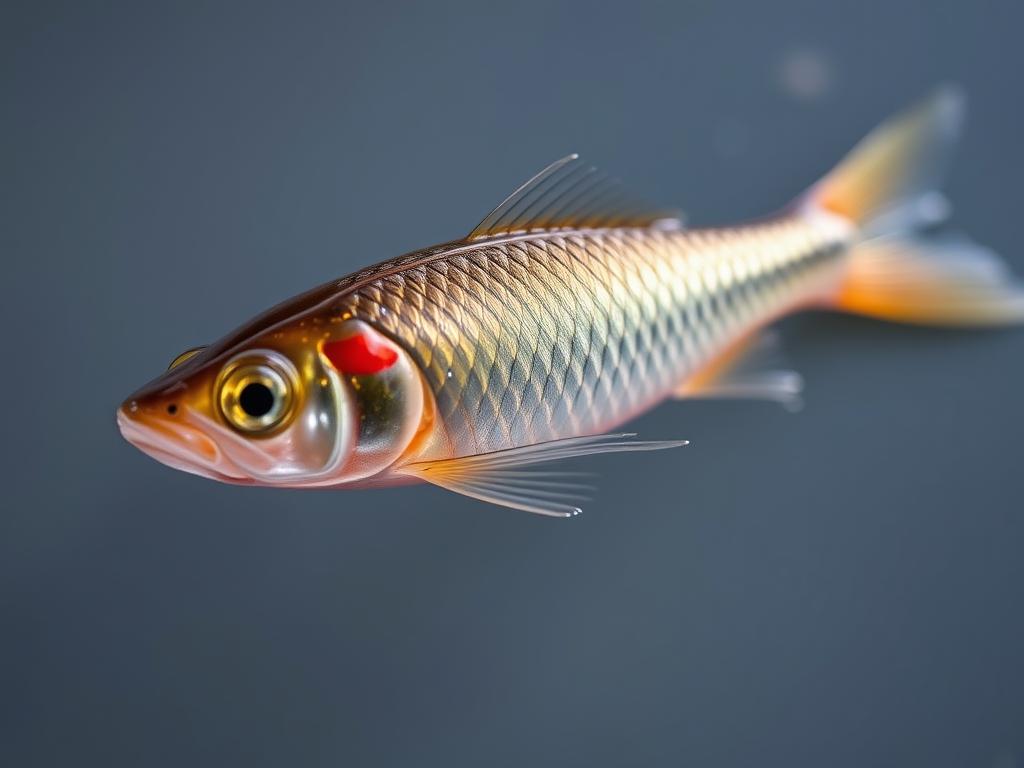
Smelt aren’t just tasty; they’re also packed with nutrients that make them a smart addition to a balanced diet. Here’s a closer look at the nutritional value of smelt per 100 grams (about 3.5 ounces):
| Nutrient | Amount | Benefit |
|---|---|---|
| Calories | 90-110 kcal | Low-calorie protein source |
| Protein | 18-20 g | Supports muscle repair and growth |
| Fat | 2-5 g | Contains beneficial omega-3 fats |
| Omega-3 Fatty Acids | High | Promotes heart and brain health |
| Vitamin B12 | Significant | Vital for nervous system and energy |
| Minerals (calcium, phosphorus) | Moderate | Important for bones and teeth |
Smelt’s rich omega-3 fatty acids and protein content are especially notable for supporting cardiovascular health and cognitive function. Plus, their small bones are edible and contribute calcium, an added nutritional bonus.
Benefits and Harms of Smelt
Like any food, smelt offer various health benefits but also come with cautions worth knowing about before making them a regular part of your diet.
Benefits of Smelt
- Rich Nutritional Profile: As shown above, smelt are an excellent source of essential nutrients, especially omega-3 fats.
- Low Contaminant Levels: Because of their small size and short lifespan, smelt tend to accumulate fewer toxins like mercury compared to larger fish.
- Supports Sustainable Fishing: When harvested responsibly, smelt populations replenish quickly, making them a sustainable seafood choice.
- Easy to Prepare: Their cooks quickly, offering a diet-friendly option for those seeking lean protein.
Potential Harms of Smelt
- Allergic Reactions: Some people allergic to fish might react to smelt, so caution is advised.
- Source Matters: Smelt from polluted waters might contain heavy metals or toxins, so sourcing is crucial.
- Small Bones: Smelt have delicate bones that are edible but could be a choking hazard for small children or careless eaters.
- Overfishing Concerns: In some areas, smelt populations might be threatened by overharvesting, disrupting local ecosystems.
By understanding these benefits and harms, consumers can enjoy smelt safely and responsibly.
5 Best Dishes from Smelt
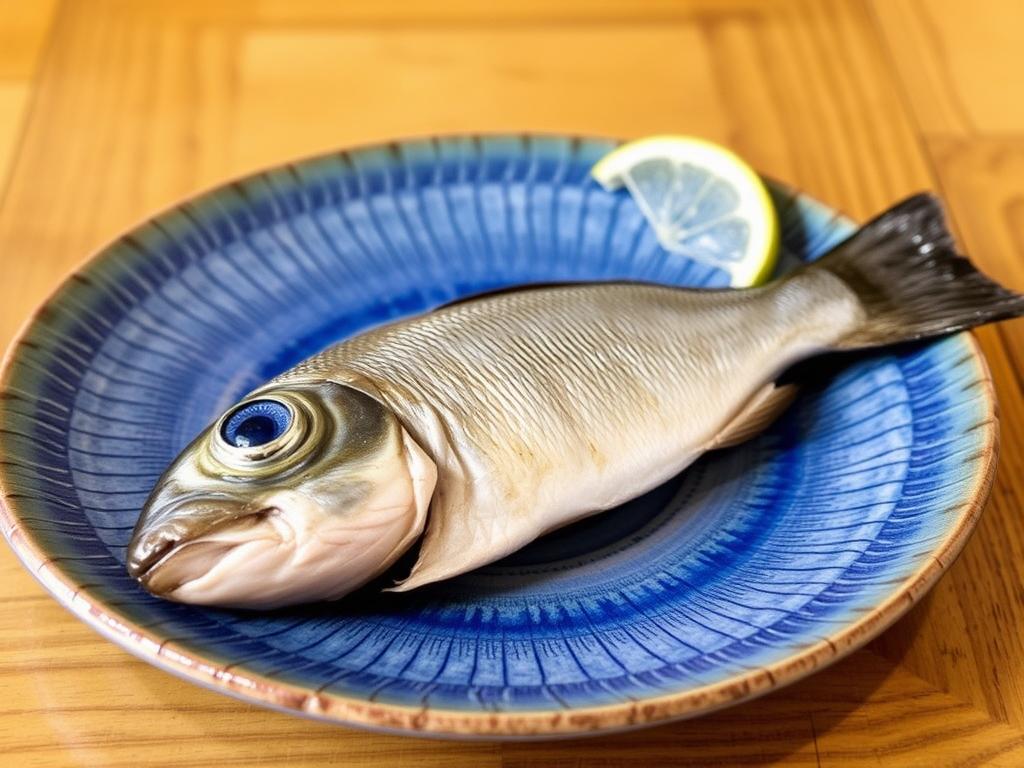
If you’re ready to try smelt but don’t know where to start, here are five of the best dishes from smelt that you should definitely try or make at home:
- Classic Fried Smelt: Smelt fried in a seasoned cornmeal batter, served hot with lemon wedges and tartar sauce.
- Japanese Smelt Tempura: Lightly battered and fried smelt served with dipping sauce for a crunchy and airy experience.
- Smelt with Garlic Butter: Grilled or pan-fried smelt tossed in a simple garlic butter sauce, perfect for a quick dinner.
- Smelt Ceviche: A tangy preparation treating smelt with lime juice, chilies, and herbs, offering a fresh and vibrant flavor profile.
- Smelt Soup (Eulachon Chowder): A creamy fish chowder featuring smelt, potatoes, and vegetables — a comforting dish especially popular in Pacific Northwest communities.
These options illustrate how versatile smelt can be—from casual fried snacks to refined dishes that highlight their delicate taste.
What to Look for When Buying Smelt
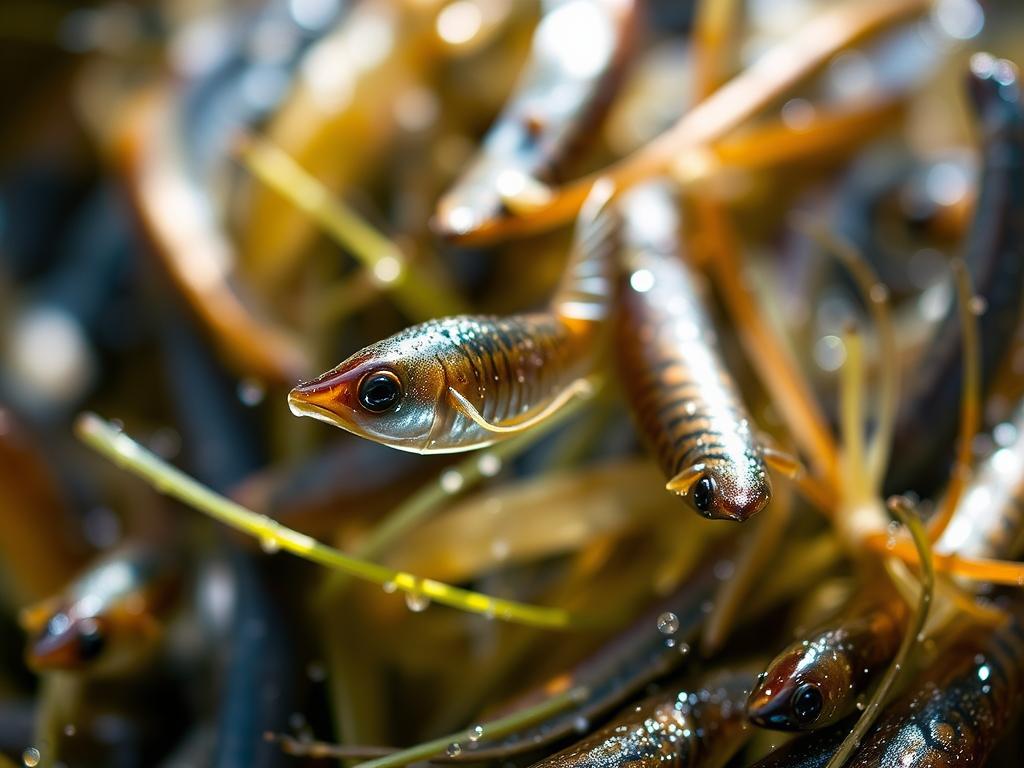
Selecting quality smelt at the market or fishery can make all the difference between a delicious meal and a disappointing experience. Here’s what to look for when buying smelt:
- Freshness: Choose smelt with bright, clear eyes and shiny, moist skin. Avoid fish that smell overly fishy or have dull scales.
- Firm Texture: The flesh of smelt should be firm and spring back when pressed, not mushy or falling apart.
- Size Consistency: Buying smelt of even sizes helps ensure even cooking.
- Source Information: Ask about where the smelt were caught to avoid fish from polluted or unsustainable sources.
- Packaging: If buying frozen smelt, ensure the package is intact with no ice crystals or freezer burn.
Following these tips will help you bring home good quality smelt that will turn into tasty dishes.
5 More Fascinating Facts About Smelt
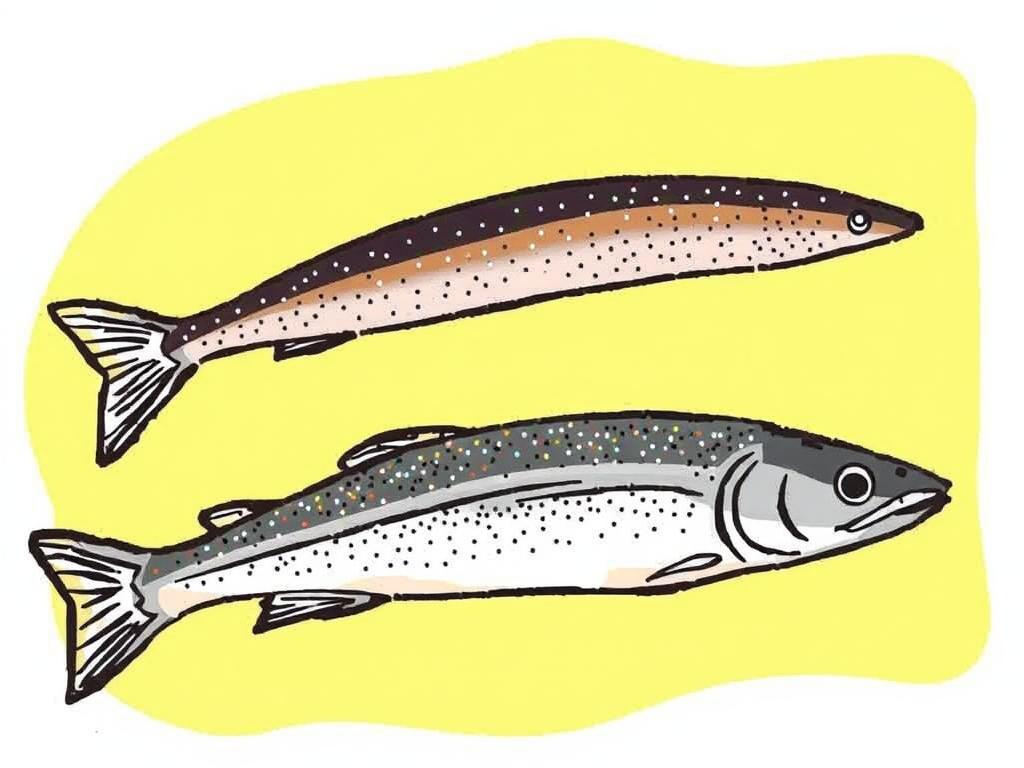
We’ve looked at some interesting facts earlier, but here are 5 more fascinating facts about smelt you might not have heard:
- Smelt Runs Are Cultural Events: In some regions, annual smelt spawning runs attract festivals and community celebrations that date back generations.
- Unique Breeding Rituals: Male smelt often develop tiny hooks on their fins during spawning season to help them cling to females.
- Smelt Serve as Natural Pest Control: By eating mosquito larvae and other insect larvae, they help keep some pests in check.
- Smelt Can Jump Out of Water: Sometimes smelt leap above the water surface to escape predators or obstacles, much like trout.
- Scientific Interest: Researchers study smelt to understand environmental changes as their populations respond quickly to shifts in water quality and temperature.
These little fish carry more than flavor—they’re intertwined with nature, culture, and science in unique ways.
—
The world of smelt is truly vast and delightful. From their fascinating biology and diverse habitats to the exciting ways they can be caught and cooked, smelt offer plenty of reasons to love them beyond the plate. Whether you’re an angler, a foodie, or simply a curious individual, delving into the story of these shimmering fish opens up a whole new appreciation for a species often overlooked. So next time you come across smelt, remember there’s much more beneath their silvery exterior than meets the eye.


