

Imagine biting into something soft, sweet, and just a little bit nostalgic—a treat beloved by kids and adults alike in Japan. Dorayaki pancakes might look like a simple sandwich of two golden discs, but inside hides a story that blends tradition, taste, and culture seamlessly. If you thought pancakes were only a breakfast thing loaded with syrup and butter, wait till you explore these little delights that have traveled from the streets of Tokyo to the hearts of dessert lovers worldwide. Ready to find out what makes Japanese Dorayaki pancakes so special? Let’s unwrap this tasty tale together.
- What Japanese Dorayaki Pancakes Really Are
- A Journey Through Time: The History of Japanese Dorayaki Pancakes
- Where Japanese Dorayaki Pancakes First Appeared
- Little-Known Nuggets: Fascinating Facts About Japanese Dorayaki Pancakes
- Crunching the Numbers: Nutritional Value of Japanese Dorayaki Pancakes
- How Japanese Dorayaki Pancakes Have Swept Different Countries
- Crafting the Perfect Batch: Three Delicious Recipes for Japanese Dorayaki Pancakes
- Classic Red Bean Dorayaki
- Matcha Cream Dorayaki
- Chocolate Banana Dorayaki
- Perfect Pairings: What to Eat with Japanese Dorayaki Pancakes
What Japanese Dorayaki Pancakes Really Are
At first glance, Japanese Dorayaki pancakes look like any ordinary American pancake sandwich, but the comparison only goes so far. Dorayaki consists of two small, fluffy pancakes crafted from a delicate batter that’s airier than typical Western pancakes. Sandwiched between them is usually a sweet filling—most famously, anko, which is a smooth, sweet red bean paste. This combination creates a perfect balance of textures and flavors: the lightness of the pancake complements the dense, richly sweet filling inside, resulting in a treat that’s both satisfying and surprisingly refined.
The batter for Japanese Dorayaki pancakes is typically made with eggs, sugar, flour, and honey, which gives these pancakes their distinct golden hue and subtle sweetness. They are cooked just right on a griddle to develop a slightly caramelized surface, adding a depth of flavor not commonly found in standard pancakes.
A Journey Through Time: The History of Japanese Dorayaki Pancakes
The origins of Japanese Dorayaki pancakes tell a tale almost as sweet as the dessert itself. They date back to the early 20th century, around 1914, in Tokyo. It’s said that a confectioner named Usagiya popularized the treat by making these double-layered pancakes filled with red bean paste, which quickly caught on for its delicious flavor and portability.
Yet, if you dig deeper, dorayaki’s roots stem from traditional Japanese sweets much older than that, where red bean paste has been a staple for centuries. The unique feature of dorayaki—the double pancake sandwich—was a clever innovation, creating a convenient snack that didn’t just satisfy hunger but also fit perfectly into the bustling urban lifestyle of Japan at the time.
Where Japanese Dorayaki Pancakes First Appeared
While Japan as a whole embraces dorayaki, the treat’s birthplace is firmly anchored in Tokyo. The story goes that the first modern dorayaki appeared in the Ueno district, linking the snack forever to the city’s vibrant food scene. This area was and still is known for its traditional sweet shops, where dorayaki quickly became a beloved fixture.
The name “dorayaki” itself has an interesting tale, deriving from “dora,” meaning gong, referencing the pancakes’ round, gong-like shape. Legend even suggests that a samurai left behind his gong, which was then used to make the first dorayaki pancakes, symbolically linking the sweet to an important piece of local history.
Little-Known Nuggets: Fascinating Facts About Japanese Dorayaki Pancakes
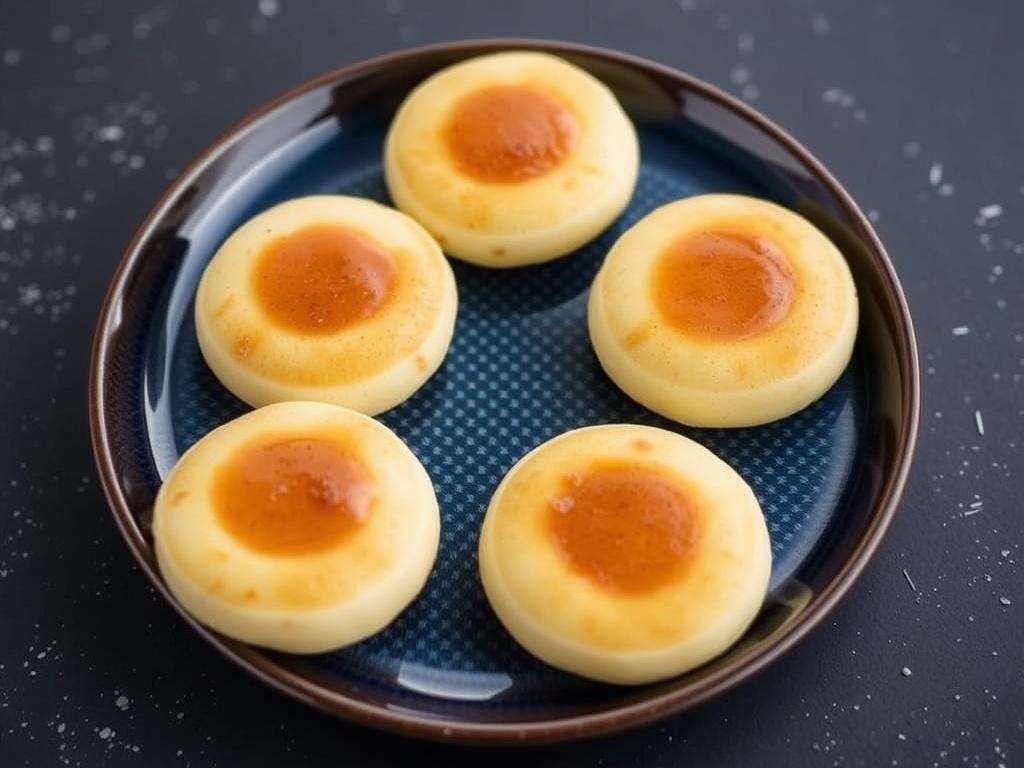
There’s more to Japanese Dorayaki pancakes than meets the eye. Here are some tidbits that might surprise you:
- Besides the classic red bean paste filling, modern variations include custard, chocolate, and even matcha cream.
- They are often featured in Japanese pop culture, such as in the famous anime “Doraemon,” where the titular character adores dorayaki.
- Seasonal versions of dorayaki emerge too, with fillings like chestnut or sakura (cherry blossom) during festive times.
- Dorayaki is so beloved that Japan designates specific shops to preserve the traditional method of making it.
Crunching the Numbers: Nutritional Value of Japanese Dorayaki Pancakes
Japanese Dorayaki pancakes are more than just a tasty indulgence; they have a reasonably balanced nutritional profile when consumed in moderation. Typically, one serving contains:
| Component | Approximate Amount |
|---|---|
| Calories | 250-300 kcal |
| Carbohydrates | 45-55 grams |
| Protein | 5-7 grams |
| Fat | 4-7 grams |
| Fiber | 2-3 grams |
The main energy comes from the carbs provided by the pancakes and the sweet filling, while the fat content remains relatively low, making dorayaki a lighter option compared to many Western-style desserts.
How Japanese Dorayaki Pancakes Have Swept Different Countries
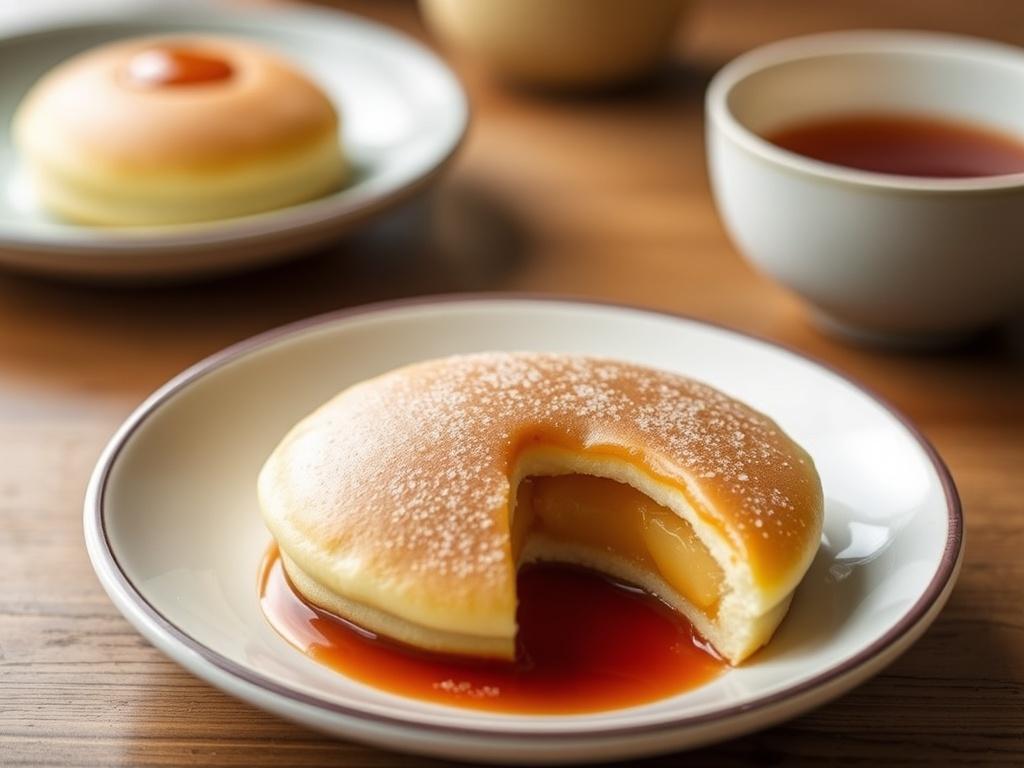
Dorayaki’s journey from Japan to other parts of the world marks one of those moments when a simple comfort food crosses cultural borders and gets embraced globally. You might find dorayaki popping up in Asian fusion cafes from New York to Paris, treasured for its unique twist on pancakes.
In some countries, the filling evolves to match local tastes—think peanut butter or Nutella playsakes—which keeps the essence of dorayaki alive while inviting new palates to the table. This adaptability has helped dorayaki not only survive but thrive in diverse culinary landscapes.
Crafting the Perfect Batch: Three Delicious Recipes for Japanese Dorayaki Pancakes
Trying your hand at making dorayaki at home? Here are three variations that preserve the soul of traditional Japanese Dorayaki pancakes, each bringing its own twist.
Classic Red Bean Dorayaki
- 2 eggs
- 1/2 cup sugar
- 1 cup all-purpose flour
- 2 tablespoons honey
- 1 teaspoon baking powder
- 1 cup sweetened red bean paste (anko)
Mix eggs and sugar until fluffy. Add honey, flour, and baking powder slowly. Cook small pancakes on medium heat, then sandwich with anko.
Matcha Cream Dorayaki
- Use the classic batter, add 1 teaspoon matcha powder into it.
- Replace anko with whipped cream mixed with a little matcha for filling.
Chocolate Banana Dorayaki
- Classic batter works here as well.
- Fill with sliced bananas and chocolate spread for a western fusion twist.
Perfect Pairings: What to Eat with Japanese Dorayaki Pancakes
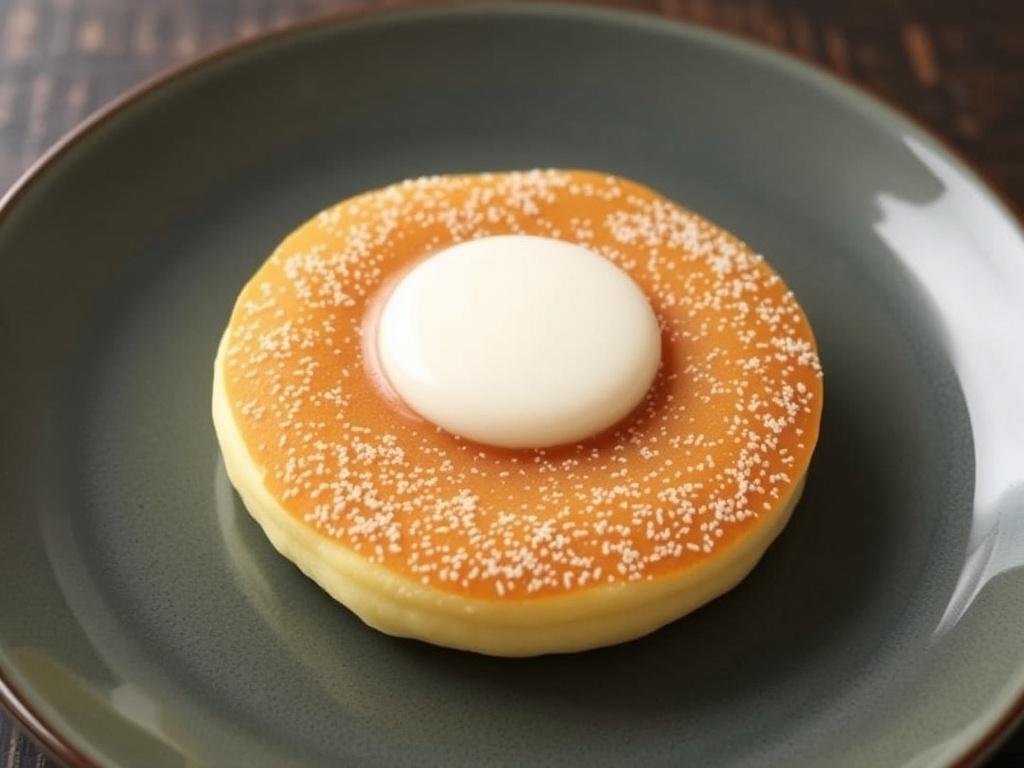
Dorayaki shines on its own, but pairing it right can elevate your experience. Traditionally, a cup of hot green tea or matcha complements the sweetness perfectly, cutting through the richness with a fresh, earthy note. For something colder, a glass of milk or a mild coffee also pairs well without overpowering the delicate flavors.
If you want to get adventurous, try dorayaki alongside fresh fruit or a scoop of ice cream for a playful dessert. This way, the familiar softness of the pancakes meets contrasting textures and temperatures, making each bite a little celebration.
—
Japanese Dorayaki pancakes bring together tradition, taste, and an approachable charm that make them a must-try. Whether you enjoy them in a Tokyo shop, at home experimenting with recipes, or at a café halfway across the world, their sweet simplicity stays unforgettable. Each bite tells a story, and now you have the background to appreciate every mouthful fully.


