

You might think pancakes are just a classic breakfast plate, but English pancakes carry a heritage and charm that set them apart in a world of batter and syrup. Unlike the fluffy American kind or the delicate French crêpes, English pancakes have their own distinct identity—thin, golden, subtly sweet, and wonderfully versatile. Whether you’re a kitchen novice or someone who’s flipped a few dozen pancakes in your time, diving into the story and essence of English pancakes will definitely change how you see this humble dish. Let’s explore what makes them special, where they come from, and how you can enjoy them in new and delicious ways. Stick around, because this is more than just cooking—it’s a tasty journey through history and flavor.
- What Are English Pancakes
- Tracing the History of English Pancakes
- Where English Pancakes First Appeared
- Interesting Facts About English Pancakes
- The Nutritional Value of English Pancakes
- English Pancakes and Their Popularity Across the Globe
- Three Tried and True Recipes to Make English Pancakes
- 1. Classic English Pancake
- 2. Wholemeal English Pancakes
- 3. Savory Mushroom and Cheese Pancakes
- What Goes Best with English Pancakes
What Are English Pancakes

English pancakes are thin, round, and somewhat similar to French crêpes but usually a bit thicker and chewier with a light, slightly crispy edge. Made from a simple batter of flour, milk, and eggs, they cook quickly in a hot pan and are traditionally enjoyed sweet—think a squeeze of lemon juice and a sprinkle of sugar—or savory, filled with ham and cheese or mushrooms to name a few variations. Their size is quite manageable, typically around 6-8 inches in diameter, making them perfect for wrapping or folding. Unlike American pancakes that are thicker and fluffy due to raising agents like baking powder, English pancakes rely solely on technique and batter consistency to achieve their signature texture.
Tracing the History of English Pancakes
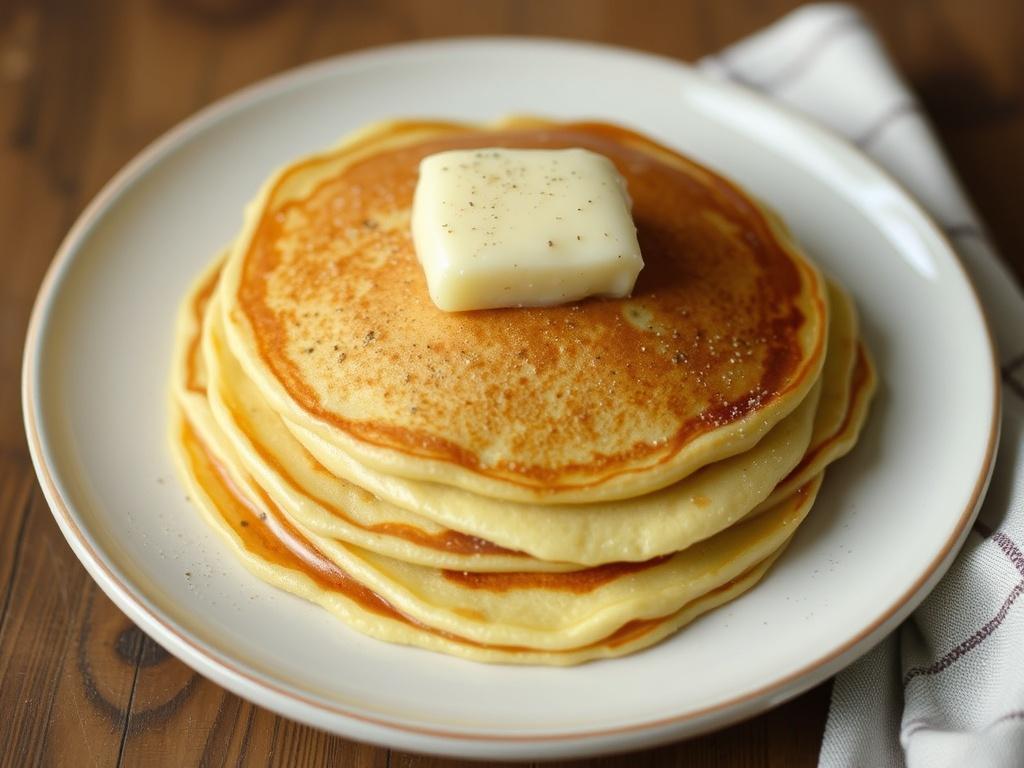
The story of English pancakes stretches back centuries, weaving through the fabric of British cuisine and culture. Evidence suggests that pancakes were a part of English diets as far back as medieval times. They were often made before Lent since the ingredients used—eggs, milk, and sugar—were traditionally forbidden during fasting periods. Pancake Day or Shrove Tuesday became a way to use up these rich ingredients, creating a festive occasion that still thrives today. The tradition of tossing pancakes in the pan or racing to flip them successfully adds a playful touch to this cultural celebration. Over time, English pancakes evolved as an everyday indulgence, far from their ritual roots.
Where English Pancakes First Appeared
England is the birthplace of English pancakes, primarily linked to the customs around Shrove Tuesday, or Pancake Day as many call it now. Initially, pancakes appeared in local households when people hunted for ways to use leftover eggs and milk before embarking on fasting periods. The dish’s simplicity made it accessible across different social classes, and it quickly became a staple. Regional variations emerged, but the classic thin pancake remained the culinary hallmark. While neighboring countries have their versions, the English rendition combines cultural meaning with universally appealing taste.
Interesting Facts About English Pancakes
English pancakes come with some quirky and fascinating tidbits:
- In England, there’s a tradition of pancake races where contestants run while flipping a pancake in a frying pan, reportedly dating back to the 15th century.
- The classic lemon and sugar topping on English pancakes is so iconic it’s almost sacrosanct, often debated among purists who insist nothing else equals this combo.
- English pancakes once played a practical role in food preservation and resource management, helping to avoid waste on the eve of Lent.
- They are commonly thinner than American pancakes but thicker than French crêpes, striking a comfortable middle ground.
The Nutritional Value of English Pancakes
What you get on your plate with English pancakes depends a lot on what you add on top or inside, but here’s a general rundown of a plain English pancake’s nutrition:
| Nutrient | Approximate Amount (per pancake) |
|---|---|
| Calories | 90-110 kcal |
| Protein | 3-4 g |
| Fat | 3-4 g |
| Carbohydrates | 12-15 g |
| Sugar | 1-2 g (without toppings) |
Adding toppings like butter, sugar, lemon, or savory fillings obviously changes the count, but the base is fairly light. English pancakes serve well as part of a balanced meal without overloading on calories.
English Pancakes and Their Popularity Across the Globe
While English pancakes are a British staple, their charm has not gone unnoticed internationally. In Canada and Australia, you’ll find similar pancakes served, especially in places with strong British influence. They don’t rival the fluffy American variant in global fame, but their elegant simplicity wins fans in specialty cafes and home kitchens worldwide. Even continental Europe offers nods through their own crêpes or galettes, though the English pancake stands out for its role as a cultural tradition in the UK. In recent years, food bloggers and recipe sites have helped spread knowledge about this simple but delicious dish.
Three Tried and True Recipes to Make English Pancakes
Here are three straightforward recipes to get started with English pancakes at home:
1. Classic English Pancake
- 100g plain flour
- 2 large eggs
- 300ml milk
- Pinch of salt
- Butter or oil for frying
Whisk flour, eggs, milk, and salt for a smooth batter. Heat a non-stick pan with butter and cook thin layers for about 1 minute per side until golden.
2. Wholemeal English Pancakes
- 80g wholemeal flour
- 20g plain flour
- 2 eggs
- 300ml milk
- Pinch of salt
Similar preparation as classic but offers nuttier flavor and more fiber.
3. Savory Mushroom and Cheese Pancakes
- Basic batter (from classic recipe)
- Sautéed mushrooms with garlic
- Grated cheddar or your favorite cheese
Cook pancakes, fill with mushroom mix and cheese, fold, and warm in the pan until cheese melts.
What Goes Best with English Pancakes
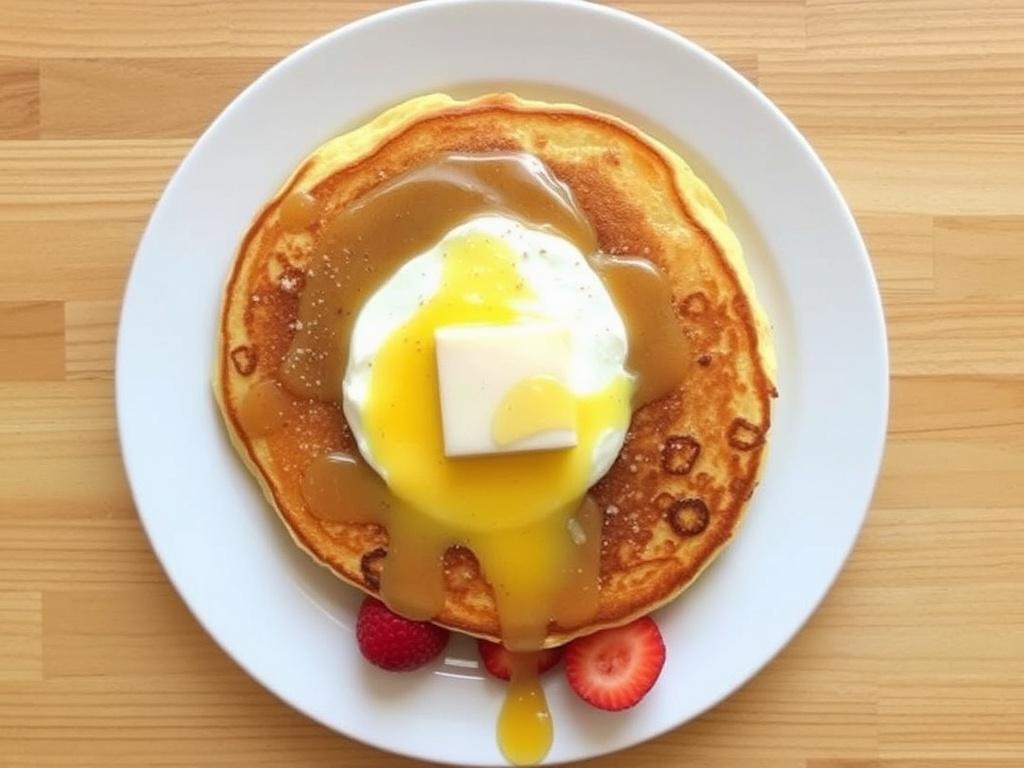
Classically, the lemon juice and sugar combo reigns supreme — the zing of citrus cuts through the pancake’s light sweetness beautifully. Beyond that, honey, golden syrup, fresh fruits, or compotes make excellent toppings. On the savory side, think smoked salmon with cream cheese, garlic mushrooms, or even a fried egg and bacon combo, perfect for brunch. The beauty lies in versatility—you can dress English pancakes according to mood, season, or occasion and they adapt effortlessly.
Diving into English pancakes opens more than a culinary window; it invites a glimpse into British tradition coupled with a simple joy of shared meals. Ready to try flipping your own batch? The flavors and stories behind English pancakes make the entire experience worthwhile.


