

They look humble, those thin golden disks sizzling in the pan, but one bite and you understand why Swedish Raggmunk pancakes have kept people coming back for centuries. Crispy edges, soft potato ribbons inside, a little salty pork or smoky salmon on the side, and a spoonful of bright lingonberry to cut through the richness — it’s simple comfort dressed up with personality. Stick around and I’ll take you through what raggmunk really is, where it came from, some neat facts, nutrition you can actually use, how this dish traveled the world, and three foolproof recipes you can make tonight.
- What Raggmunk Actually Is and How It’s Made
- Roots and History of Swedish Raggmunk pancakes
- Where Raggmunk First Appeared and Regional Notes
- Interesting Facts about Swedish Raggmunk pancakes
- Nutritional Value of Swedish Raggmunk pancakes
- How Popular Raggmunk Is Around the World
- Three Best Recipes for Cooking Swedish Raggmunk pancakes
- Classic Raggmunk with Lingonberries and Crispy Pork
- Raggmunk with Dill and Smoked Salmon
- Gluten-Free Potato-Only Raggmunk
- What to Eat with Swedish Raggmunk pancakes
What Raggmunk Actually Is and How It’s Made
Raggmunk are Swedish potato pancakes made by mixing grated raw potatoes into a thin batter of flour, milk, and eggs, then frying the mixture in butter until the outside crisps and the inside stays tender. Unlike the chunkier latke cousins, raggmunk are thinner and rely on the potato’s texture to give them character. The batter spreads on the pan, creating a lacey, golden pancake with strands of potato visible. Typical accompaniments are fried pork belly or bacon and lingonberry jam, though many modern variations exist.
Roots and History of Swedish Raggmunk pancakes
Potatoes arrived in Sweden in the 17th century and became widely used by the 18th and 19th centuries, especially in rural households where stretching ingredients mattered. Raggmunk emerged from this practical mindset: grated potato mixed with a little flour and egg to make a filling dish that used humble produce well. The recipe grew out of peasant kitchens and seasonal cooking, turning into a classic comfort food. Over time it moved from simple home cooking into café menus and festive tables, cherished for its adaptability and satisfying texture.
Where Raggmunk First Appeared and Regional Notes
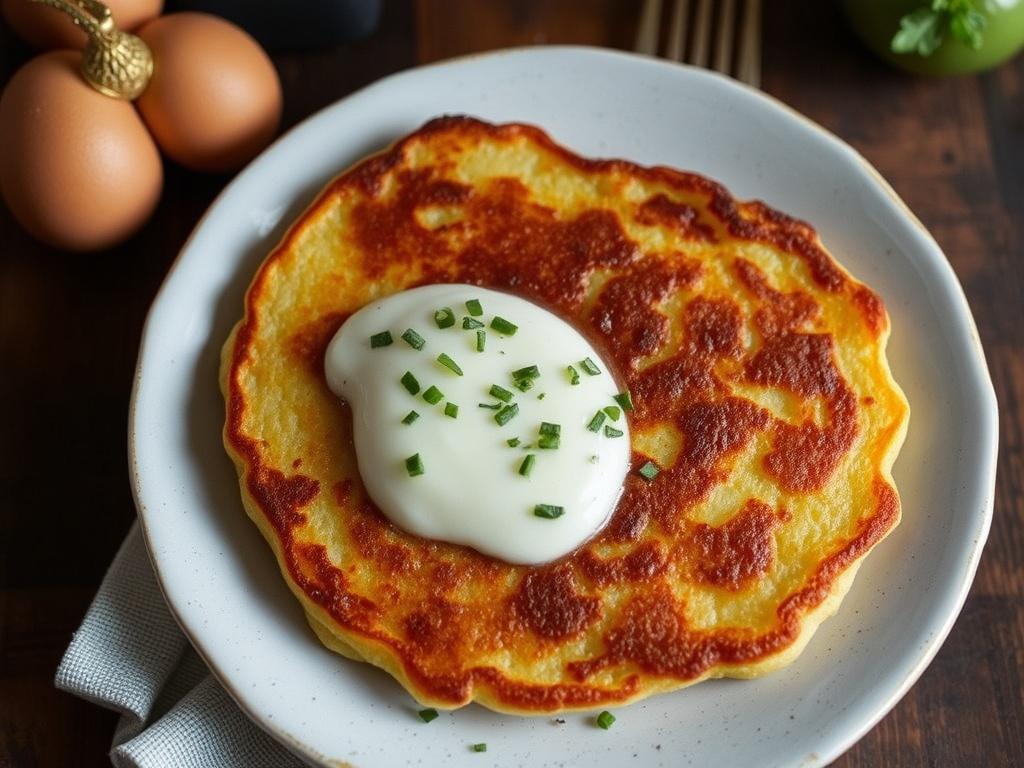
Raggmunk come from rural parts of Sweden rather than a single city. You’d find them where potatoes were plentiful — in central and southern provinces. Recipes and serving styles vary by household and region. In some areas they’re almost always paired with pork; in others, fishermen added smoked fish instead. The dish’s regional variations reflect local produce and tastes, which is why you’ll see slightly different versions depending on who’s cooking.
Interesting Facts about Swedish Raggmunk pancakes
- The name raggmunk roughly hints at texture: “ragg” can mean rough or shaggy, a nod to the grated potato threads that give the pancake a rustic look.
- Raggmunk sits in a family of European potato pancakes: latkes in Jewish cuisine, draniki in Belarus, and Kartoffelpuffer in Germany. Each has its own twist but all celebrate the potato.
- They’re traditionally a lunch or dinner item in Sweden, not a sweet breakfast pancake. Sweetness comes from lingonberries, used much like a condiment.
- They’re incredibly flexible: gluten-free versions use potato alone or rice flour, and you can make them larger as a main or small as a canapé.
Nutritional Value of Swedish Raggmunk pancakes
Here’s a practical nutrition snapshot for a typical serving (about two medium pancakes, roughly 150 grams). Values vary with added pork or sour cream.
| Nutrient | Per serving (~150 g) |
|---|---|
| Calories | ~220 kcal |
| Fat | 10 g |
| Carbohydrates | 26 g |
| Protein | 5 g |
| Fiber | 2 g |
If you add bacon or fried pork, fat and calories rise. Swap butter for a lighter oil or trim pork portions to control the total. Potatoes add vitamin C and potassium, so these pancakes aren’t empty calories.
How Popular Raggmunk Is Around the World
In Sweden raggmunk is a familiar comfort food. In neighboring Nordic countries similar potato pancakes appear, though under different names. Internationally, raggmunk shows up on Scandinavian restaurant menus and in home kitchens of people exploring traditional foods. Because they resemble latkes, they’re often accepted easily in places where potato pancakes are already known. Social media and food blogs have pushed creative versions — think raggmunk topped with crème fraîche and smoked salmon — which helps the dish travel beyond its homeland.
Three Best Recipes for Cooking Swedish Raggmunk pancakes
Classic Raggmunk with Lingonberries and Crispy Pork
Ingredients:
- 500 g potatoes, peeled
- 1 cup milk
- 1 egg
- 3/4 cup plain flour
- Salt and pepper
- Butter for frying
- Bacon or pork belly, fried
- Lingonberry jam to serve
Steps:
- Grate potatoes finely and squeeze out excess liquid, reserving a little for moisture if needed.
- Whisk milk, egg, flour, salt and pepper to a thin batter. Fold in grated potatoes.
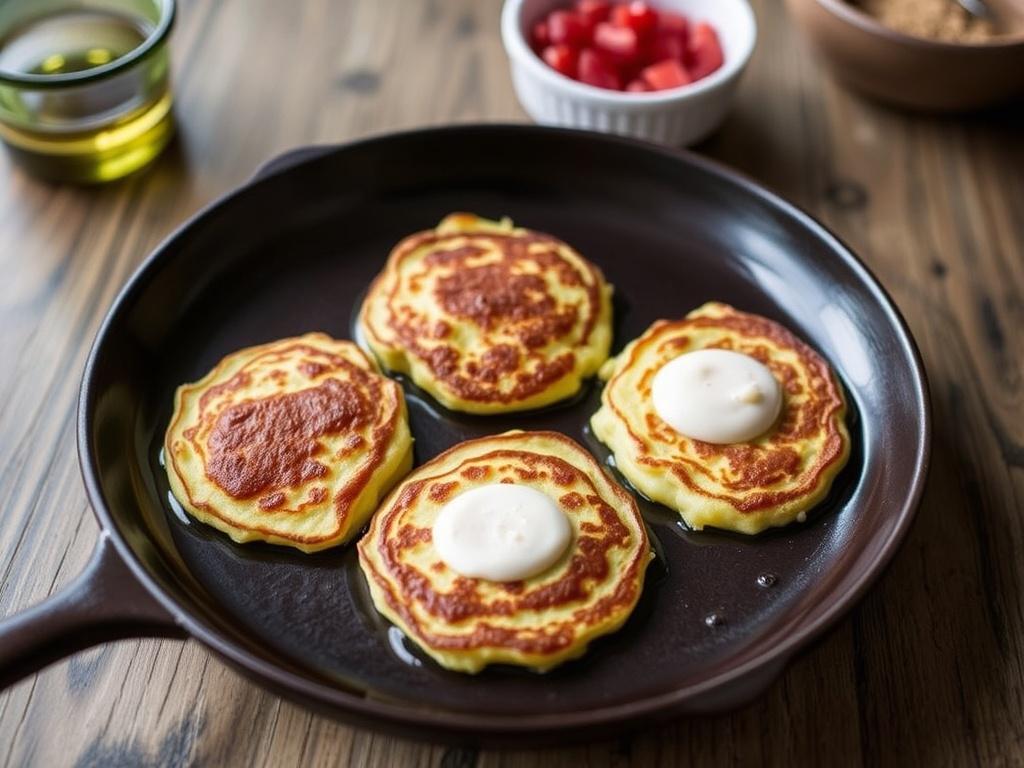
- Heat a knob of butter in a skillet, spoon ladles of batter, spread thin, fry until golden on both sides.
- Serve hot with fried pork and lingonberry jam.
Raggmunk with Dill and Smoked Salmon
A lighter, brunch-friendly twist: omit pork, add chopped dill to the batter, pan-fry gently, and top with sour cream and smoked salmon. Finish with lemon zest and cracked black pepper.
Gluten-Free Potato-Only Raggmunk
Skip the flour for a gluten-free version. Use grated potatoes and beaten egg, season well, and fry like the classic. The texture will be denser and more potato-forward. A touch of potato starch can help bind if needed.
What to Eat with Swedish Raggmunk pancakes
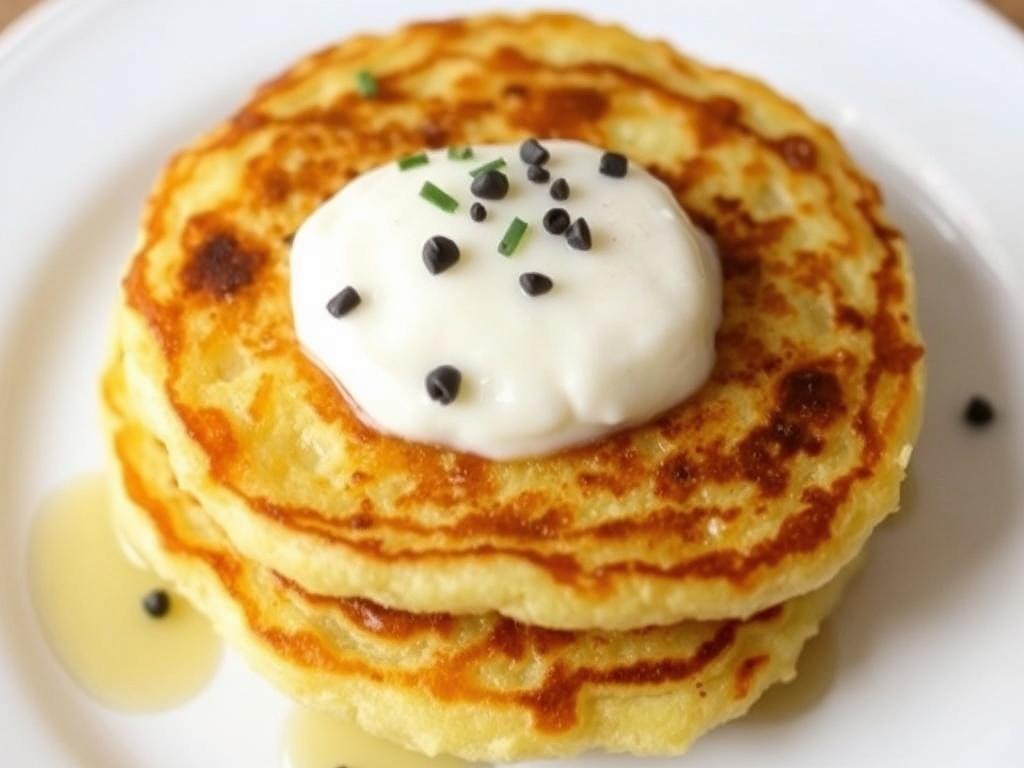
Best pairings are simple: lingonberry jam for sweetness, sour cream for creaminess, and fried bacon or pork for salt and crunch. Fresh toppings such as chopped chives, dill, or a squeeze of lemon lift the dish. For a seafood take, smoked salmon and a dollop of crème fraîche work beautifully. If you want a full meal, serve raggmunk with a crisp salad or pickled vegetables to balance the richness.
Enjoying raggmunk is about texture as much as flavor. Crispy, soft, salty, bright — all in one bite. Try the classic recipe first, then tweak. You’ll find a version that becomes your go-to, no fuss, always satisfying.


