
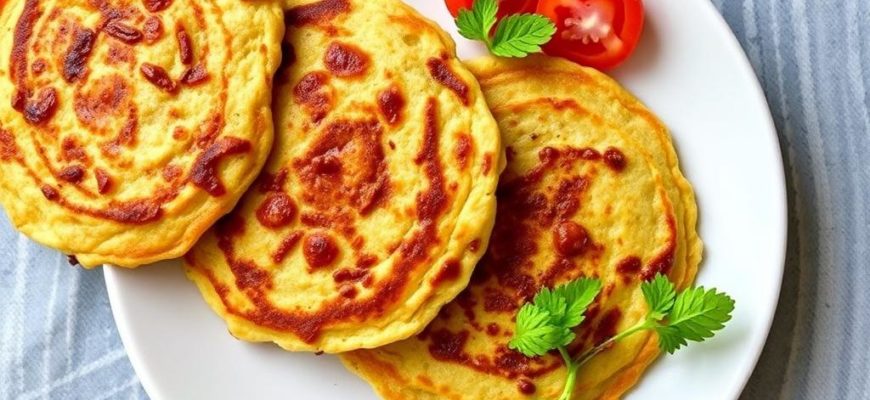
I still remember the first time I bit into a piece of farinata — thin, golden, with edges that crackled like a good toast and a soft, nutty center that made me wonder how something so simple could taste so complete. If you’ve ever craved something that feels both ancient and utterly modern — wholesome, quick, and endlessly adaptable — farinata pancakes might be the little wonder you didn’t know you needed. Stick around; by the end you’ll know what it is, where it came from, how to make it at home three different ways, and what to serve it with so it becomes a regular on your table.
- What Farinata pancakes really are
- History of Farinata pancakes
- Where Farinata pancakes first appeared
- Interesting facts about Farinata pancakes
- Nutritional value of Farinata pancakes
- Popularity in different countries Farinata pancakes
- 3 best recipes for cooking Farinata pancakes
- Classic oven-baked farinata
- Socca-style skillet farinata
- Quick stovetop mini pancakes
- What to eat with Farinata pancakes
What Farinata pancakes really are
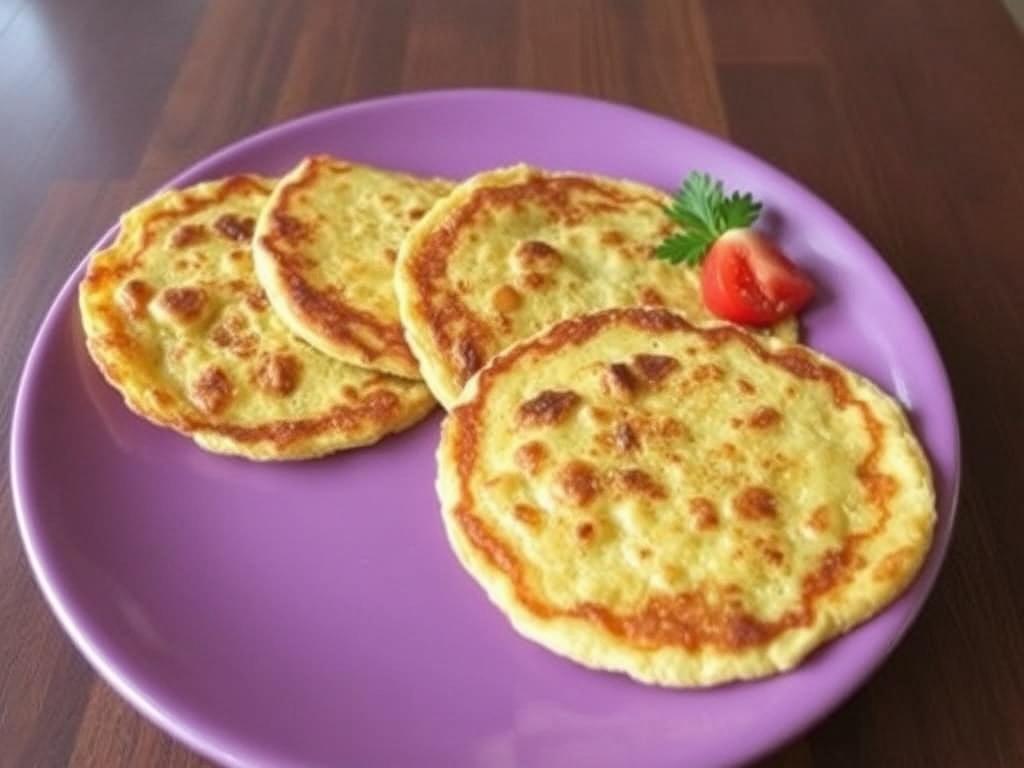
Farinata pancakes are a simple flatbread made from chickpea flour, water, olive oil, and salt. The batter is thin, poured into a wide pan, and baked until the edges puff up and become lacy-crisp while the center stays tender. Texture matters: think paper-thin crust that gives way to a slightly creamy interior with a toasted, bean-like flavor. Traditional versions use only a few ingredients and are often finished with a sprinkle of black pepper or fresh rosemary. They are naturally gluten-free and, when prepared without dairy, entirely plant-based.
History of Farinata pancakes
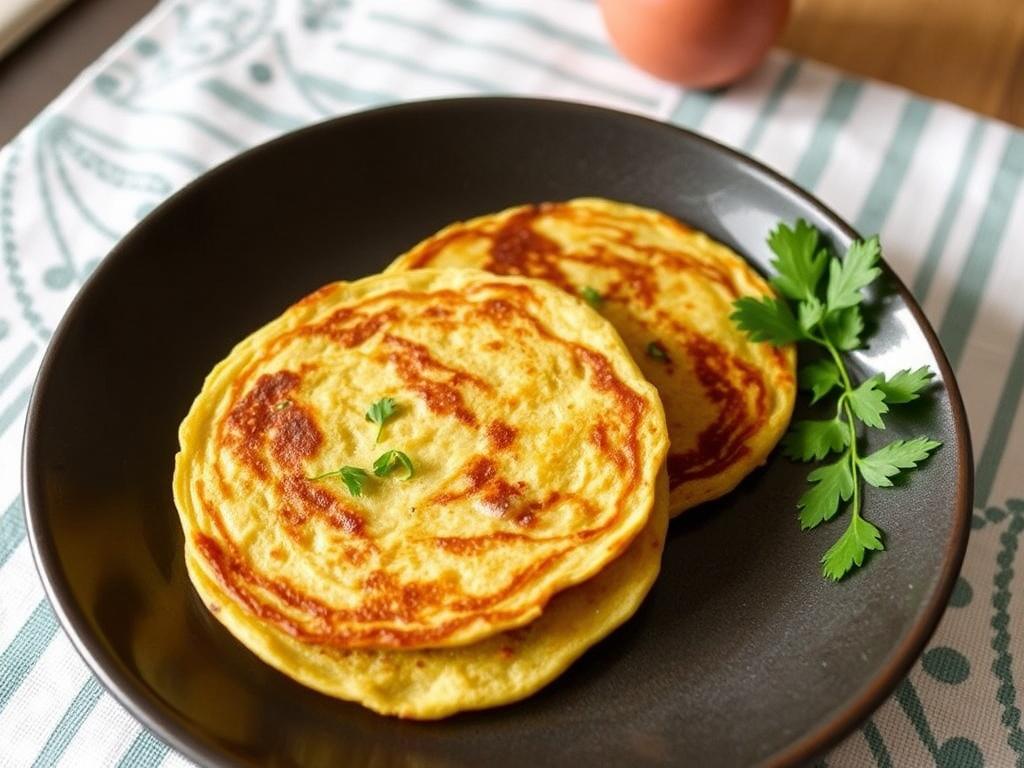
Farinata comes from peasant cooking where inexpensive, shelf-stable ingredients became food that sustained communities. Chickpea flour has been used around the Mediterranean for centuries, and farinata is the Ligurian expression of that tradition. It evolved as a street food and a homey way to stretch simple staples into a filling meal. Over time, small variations sprang up — different fats, different baking methods, local seasonings — but the essence stayed the same: a humble, nourishing pancake made from chickpeas.
Where Farinata pancakes first appeared
Most sources point to Liguria, the coastal region of northwestern Italy, especially the city of Genoa, as the home of farinata. Close neighbors also adapted the idea: in nearby Nice the same dish is called socca, and in parts of South America, Italian immigrants gave rise to fainá. Ports and trade routes helped spread chickpea flour recipes across the Mediterranean, which is why similar pancakes appear in French, Italian, and North African cuisines. Each place claims its own small twist, but the concept is unmistakably Mediterranean.
Interesting facts about Farinata pancakes
- Farinata is also known as farinata di ceci, socca, cecina, and fainá in different regions.
- Traditional cooking often uses very hot ovens and wide shallow pans, which gives the distinctive crisp edge.
- The batter sometimes rests for hours, improving flavor and texture — simple fermentation works quietly.
- It’s widely appreciated as street food because it’s easy to slice, serve, and eat on the go.
- Despite its simplicity, it travels well: you’ll find it in modern restaurants and corner bakeries alike.
Nutritional value of Farinata pancakes
Chickpea flour is the star, so farinata tends to be higher in protein and fiber than wheat-based pancakes. Exact numbers depend on how much olive oil you use and portion size, but here are rough averages per 100 g:
| Component | Approximate per 100 g |
|---|---|
| Calories | 300–360 kcal |
| Protein | 10–15 g |
| Carbohydrates | 35–45 g |
| Fat | 8–14 g (depends on oil) |
| Fiber | 5–8 g |
| Notable minerals | Iron, folate, magnesium |
Because it’s made from legumes, farinata offers a good plant-protein punch and keeps you full longer than many refined-grain options. If you’re watching gluten, it’s a naturally safe choice.
Popularity in different countries Farinata pancakes
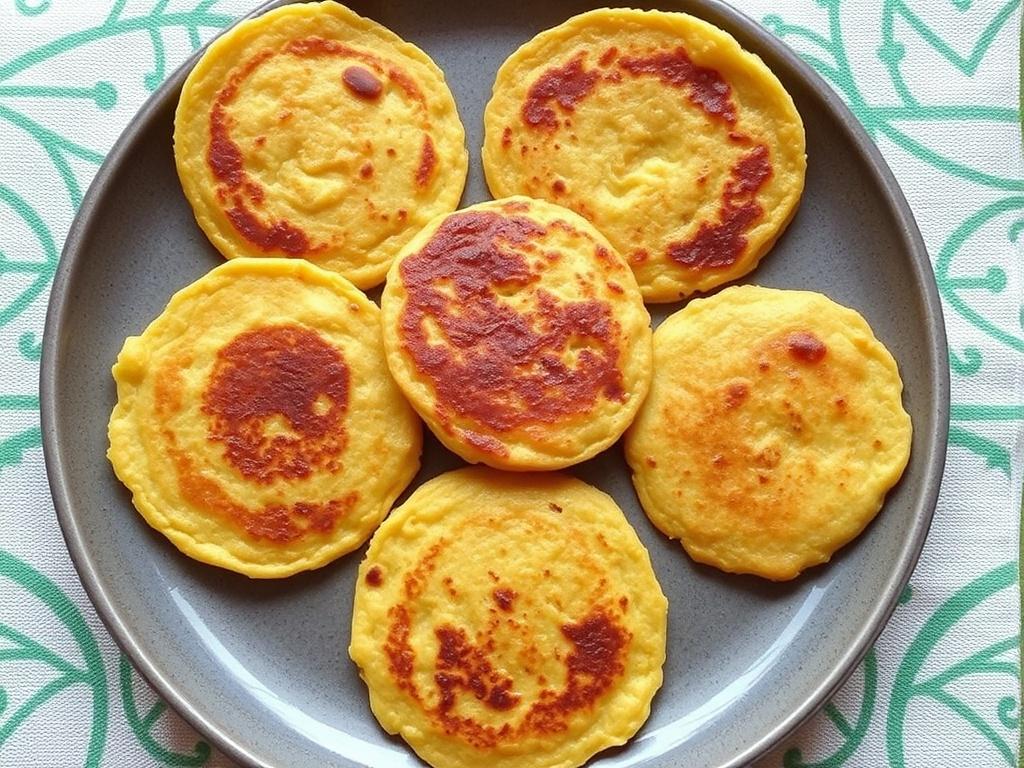
In Italy, especially Liguria, farinata is an everyday comfort. In France, socca is a staple in Nice, sold thin and hot from street stalls. In Argentina and Uruguay, Genoese immigrants brought the pancake over and it became fainá, often eaten on top of pizza or alongside it. You’ll also find chickpea pancake cousins across North Africa and the eastern Mediterranean. Each place gives it a local voice, but the recipe’s universality is part of its charm.
3 best recipes for cooking Farinata pancakes
Classic oven-baked farinata
- Ingredients: 1 cup chickpea flour, 2 1/4 cups water, 3 tbsp olive oil, 1 tsp salt, rosemary or pepper to finish.
- Method: Whisk flour into water until smooth. Stir in 2 tbsp oil and salt. Let rest 2–12 hours. Preheat oven to 250°C (480°F) with a wide shallow pan or baking sheet inside. Pour batter into hot oiled pan and bake 10–15 minutes until edges brown and crisp.
Socca-style skillet farinata
- Ingredients similar to classic but use a cast-iron skillet and 4 tbsp olive oil.
- Method: Heat skillet in very hot oven, add oil, pour batter, and bake until set. Finish under broiler for blistered spots. Slice and serve hot.
Quick stovetop mini pancakes
- Ingredients: same batter but slightly thicker (less water), oil for pan.
- Method: Heat nonstick skillet, pour small rounds, cook over medium-high until edges lift and underside is golden, flip briefly. These yield softer, thicker versions more like savory pancakes.
What to eat with Farinata pancakes
Farinata is versatile. Keep it simple with a drizzle of good olive oil and coarse black pepper or rosemary. For more structure:
- Serve alongside a bright salad with tomatoes and lemon to cut through the richness.
- Top with sautéed mushrooms, caramelized onions, or a spoonful of tapenade.
- In Argentina, try fainá on pizza — place a slice of farinata over pizza for contrasting textures.
- Pair with fresh cheeses, pickles, or cured meats for a casual shared plate.
Final tip: start simple. Once you nail the basic batter and the way your oven or pan behaves, experimenting is joyful. Add spices, fold in herbs, or make them tiny for snacks. Farinata pancakes reward curiosity and, more often than not, become the thing you reach for when you want something honest, fast, and deeply satisfying.


