
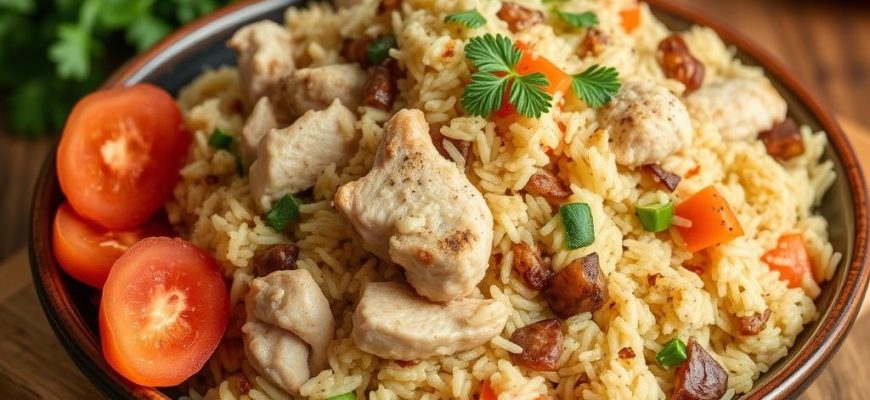
Imagine a single-pan meal that smells like home, looks like a celebration, and fills you up without weighing you down — that’s Pilaf with turkey. It’s the kind of dish that arrives at the table steaming and confident, with rice grains separate and glossy, tender turkey pieces, and a ribbon of caramelized onion running through it like a memory. Whether you want something fast and nourishing for midweek or a crowd-pleaser for weekend guests, this version of pilaf fits. Read on and you’ll discover where it comes from, why turkey works so well, a few surprising facts, the nutrition basics, how different countries embrace it, and a clear, no-fuss recipe you can follow step by step.
- Where Pilaf with Turkey Comes From
- History of Pilaf with Turkey
- Interesting Facts about Pilaf with Turkey
- Nutritional Value of Pilaf with Turkey
- Popularity in Different Countries Pilaf with Turkey
- The Best Step-by-Step Cooking Recipe for Pilaf with Turkey
- Ingredients
- Equipment
- Step-by-Step Cooking
- Serving Tips
- Final Thoughts
Where Pilaf with Turkey Comes From
Pilaf itself is ancient, with roots stretching across Persia, Central Asia, and the wider Middle East. Traditionally, rice cooked with meat, fat, and aromatics formed the backbone of many regional cuisines—called pilaf, pulao, pilau, or plov depending on where you are. The classic animal proteins were lamb, beef, or chicken. Pilaf with turkey is a modern and practical adaptation: turkey replaces or stands in for those traditional meats, especially in places where turkey is common, affordable, or preferred for its leanness. So, while the method and spirit are centuries old, this particular pairing is a contemporary twist that keeps the dish familiar and lighter.
History of Pilaf with Turkey
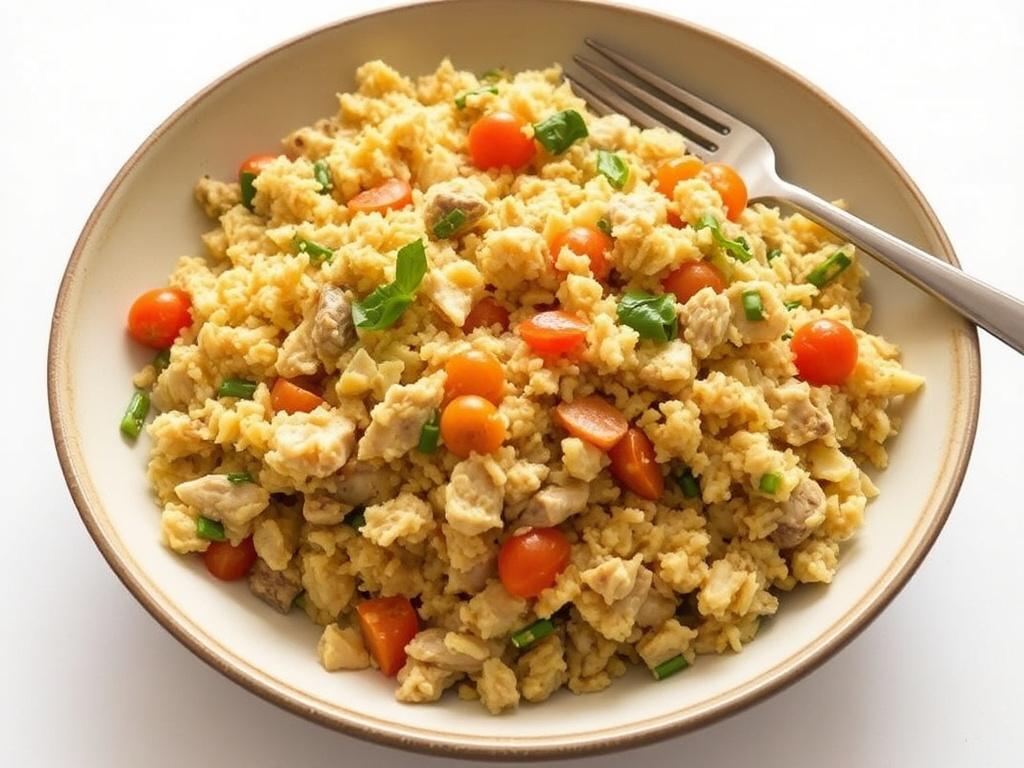
The technique of frying rice in fat before simmering, and layering flavors with onions, carrots, and stock, traveled along trade routes for centuries. As cultures met, dishes evolved. Pilaf with turkey emerged more visibly in regions where turkey became widely available—North America after the bird’s domestication became common, and in households worldwide that wanted a lighter protein or a holiday-friendly alternative. Think of it as culinary evolution: same structure, retooled ingredient. Families adapted recipes based on what was on hand, and turkey fit neatly into the role lamb or chicken once played.
Interesting Facts about Pilaf with Turkey
- Different names, same idea: Pilaf may be called pulao, pilau, or plov, but the rice-first technique is shared.
- Turkey for texture: Compared with chicken, turkey dark meat offers richness while white meat keeps things lean; both can be used in pilaf styles.
- One-pot champion: This dish is ideal for cooking outdoors in large kazan pots (in Central Asia) or simply in a heavy skillet at home.
- Holiday crossover: In some households, leftover turkey from celebrations gets reincarnated as pilaf with turkey, turning leftovers into something glorious.
Nutritional Value of Pilaf with Turkey
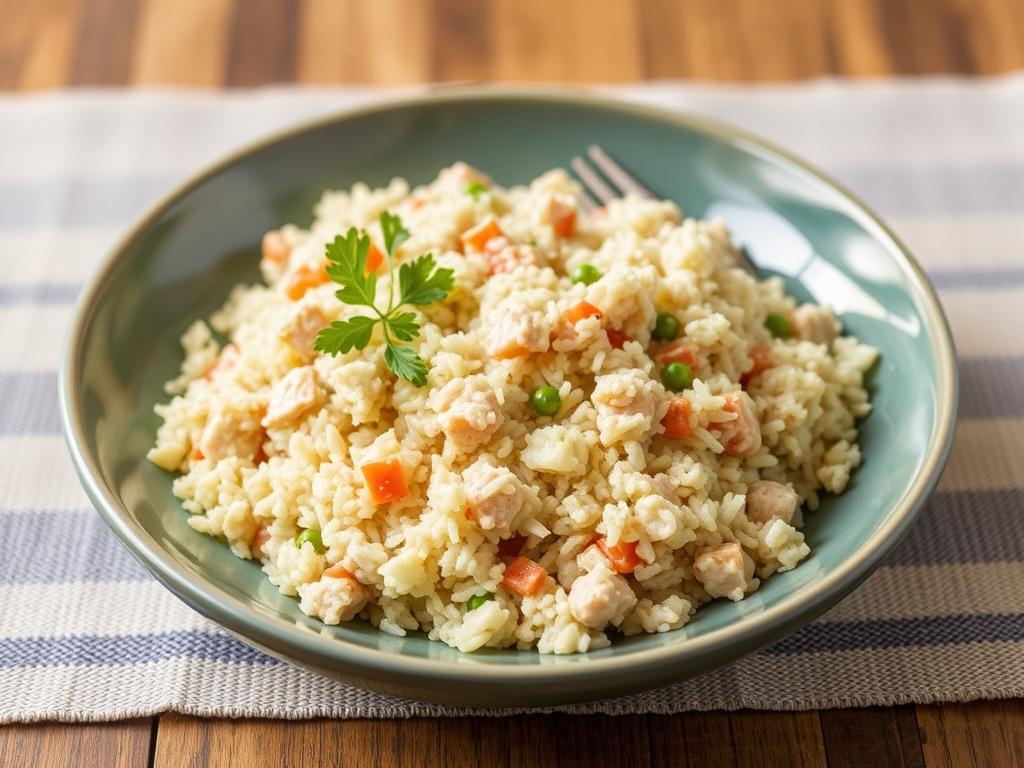
Pilaf with turkey balances macronutrients: rice supplies carbohydrates, turkey delivers lean protein, and the cooking fat adds needed calories and flavor. Vegetables like carrots and onions contribute fiber and micronutrients. Exact values depend on portion sizes and ingredients, but a typical serving (about 1 to 1.5 cups) made with skinless turkey breast will usually provide roughly 350–500 kcal, 20–30 g protein, 40–60 g carbohydrates, and 8–15 g fat. Swap in turkey thigh or add nuts for more fat and calories, or use brown rice for extra fiber. The dish is flexible so you can tune it to dietary goals without losing its character.
Popularity in Different Countries Pilaf with Turkey
Pilaf is beloved across Central Asia, the Middle East, South Asia, and Europe. Pilaf with turkey tends to be more popular in places where turkey is commonly eaten: North America and parts of Europe, and in international kitchens where cooks adapt traditional recipes to local ingredients. In Central Asia, the centerpiece remains plov with lamb or beef, but in immigrant and fusion kitchens, turkey appears frequently as a lean alternative. In short, wherever people take a traditional recipe and make it their own, pilaf with turkey finds a home.
The Best Step-by-Step Cooking Recipe for Pilaf with Turkey
Below is a clear, practical recipe for Pilaf with turkey that serves 4. It’s forgiving, low-fuss, and built around accessible ingredients.
Ingredients
- 2 cups long-grain rice (basmati or jasmine), rinsed until water runs clear
- 500 g (about 1 lb) turkey (thighs or breast), cut into 1-inch pieces
- 2 medium onions, thinly sliced
- 2 large carrots, julienned or grated
- 3 tbsp vegetable oil or clarified butter
- 3 cups chicken or turkey stock (hot)
- 1 tsp cumin, 1 tsp ground coriander, 1/2 tsp paprika
- Salt and black pepper to taste
- Optional: garlic clove minced, handful of raisins or barberries, chopped parsley
Equipment
- Large heavy-bottomed skillet or Dutch oven with a lid
- Fine-mesh sieve or bowl for rinsing rice
Step-by-Step Cooking
- Pat turkey pieces dry and season lightly with salt and pepper. Rinse rice until water is clear and drain well.
- Heat oil in the pot over medium-high heat. Add turkey in a single layer. Brown quickly on all sides—about 4–6 minutes total. Remove and set aside.
- Lower heat to medium. Add onions and a pinch of salt. Cook, stirring, until golden and soft, 8–10 minutes. Add carrots and cook 3–4 more minutes until they begin to soften.
- Add spices and garlic (if using). Stir for 30 seconds to bloom the spices. Return turkey to the pot and mix with the vegetables.
- Level the mixture, then evenly spread the rinsed rice on top without stirring it in. Gently pour the hot stock over rice. The liquid should cover rice by about 1 cm—usually a 1:1.5 rice-to-liquid ratio works for basmati in this method.
- Raise heat to bring to a gentle boil, then reduce to low. Cover tightly and simmer for 15–18 minutes, until rice is tender and liquid absorbed. Avoid lifting the lid often.
- Turn off heat and let the pilaf rest, covered, for 10 minutes. Fluff gently with a fork and fold turkey through the rice. Garnish with parsley or toasted nuts if desired.
Serving Tips
- Serve with a simple salad or yogurt for brightness.
- Leftovers reheat well and make great lunchboxes.
Final Thoughts
Pilaf with turkey is proof that a traditional technique can evolve and still delight. It’s adaptable, forgiving, and ready to be personalized. Use it to work through leftovers, feed a family, or impress guests without fuss. The rice grains keep their dignity, the turkey stays tender, and the whole pot offers comfort that’s as practical as it is tasty.


