

Imagine a bowl brimming with rich, spicy broth swirling with coconut milk, tender noodles, fresh herbs, and just the right kick of heat that wakes up your taste buds without overwhelming them. That’s laksa soup for you—a culinary experience that goes beyond just food; it’s a story in every spoonful. If you’ve never tried laksa soup or you’ve merely heard the name in passing, get ready to dive into the world of this vibrant dish that’s as comforting as it is exciting. There’s more to laksa than its delicious flavors—there’s history, culture, and even a few surprises. Stick around, and let’s unravel the full story behind laksa soup, from its origins to how you can make it right at home.
- Unpacking Laksa Soup: What Makes It So Unique
- The Story Behind the Bowl: Laksa Soup’s History
- Tracing Laksa Soup to Its Beginnings
- Intriguing Tidbits About Laksa Soup
- Nutritional Highlights of Laksa Soup
- The Global Journey: Laksa Soup’s Popularity Beyond Southeast Asia
- Cooking Laksa Soup at Home: Three Recipes Worth Trying
- What Goes Best with Laksa Soup
Unpacking Laksa Soup: What Makes It So Unique

Laksa soup is not just any noodle soup. At its core, it’s a spicy noodle soup enriched with coconut milk or sour tamarind, depending on the variety. What often surprises people is how laksa combines layers of complex flavors—creamy, spicy, tangy, and fresh—all at once. Typically, the soup contains rice noodles or vermicelli and a mix of proteins such as shrimp, chicken, or fish, along with herbs like Vietnamese coriander or mint. The real magic, though, lies in the broth, meticulously crafted from a blend of spices, chili paste, and other ingredients like lemongrass, galangal, and turmeric. This synergy creates a soup that’s not only bold but also deeply satisfying.
The Story Behind the Bowl: Laksa Soup’s History
Laksa soup’s roots run deep into Southeast Asia, a melting pot where various cultures have met and exchanged culinary ideas for centuries. The dish originated from Peranakan culture—the descendants of Chinese immigrants who settled in the Malay archipelago, blending Chinese and Malay traditions. This fusion gave birth to laksa, marrying Chinese noodles with spicy Malay flavors. Over time, laksa evolved into several regional variations, each reflecting its environment’s unique influences. It is a living testament to natural cultural evolution, where food tells the story of people, trade routes, and shared tastes.
Tracing Laksa Soup to Its Beginnings
Where did laksa soup first appear? It’s generally agreed that it emerged around the coastal regions of Malaysia, particularly in Penang and Malacca, before spreading throughout Singapore and Indonesia. These port cities, bustling with merchants from China, India, Arabia, and Europe, became places where culinary traditions collided and mingled. Laksa soup is a product of these dynamic encounters, designed initially as a way to adapt Chinese noodles to local Southeast Asian ingredients and spices. The precise origin is debated, but what’s clear is laksa’s status as a culinary bridge across cultures.
Intriguing Tidbits About Laksa Soup
Laksa soup carries more than just flavors—it’s packed with fascinating stories. For example, did you know there’s a local rivalry in Malaysia over which city makes the best laksa soup? Penang laksa, known as asam laksa, uses a tamarind-based sour broth, making it quite different from the coconut milk-based laksa in other regions. Another fun fact is that laksa’s name may derive from the Sanskrit word “laksha,” meaning a hundred thousand, hinting at the myriad of spices or even the noodles in a bowl. Some even claim laksa soup is the perfect “comfort food” during rainy or chilly days, thanks to its warming spices and hearty ingredients.
Nutritional Highlights of Laksa Soup
While laksa soup feels indulgent, it can also pack a nutritional punch. Coconut milk provides healthy fats and a decent amount of calories, essential for energy. The broth, depending on the recipe, is often rich in antioxidants and anti-inflammatory compounds thanks to spices like turmeric and lemongrass. Protein from chicken, seafood, or tofu adds body to the dish, while herbs contribute vitamins and minerals. Like any soup, its nutritional content varies widely depending on the ingredients and portion sizes, but laksa can be a balanced meal on its own, especially when loaded with fresh veggies and lean protein.
The Global Journey: Laksa Soup’s Popularity Beyond Southeast Asia
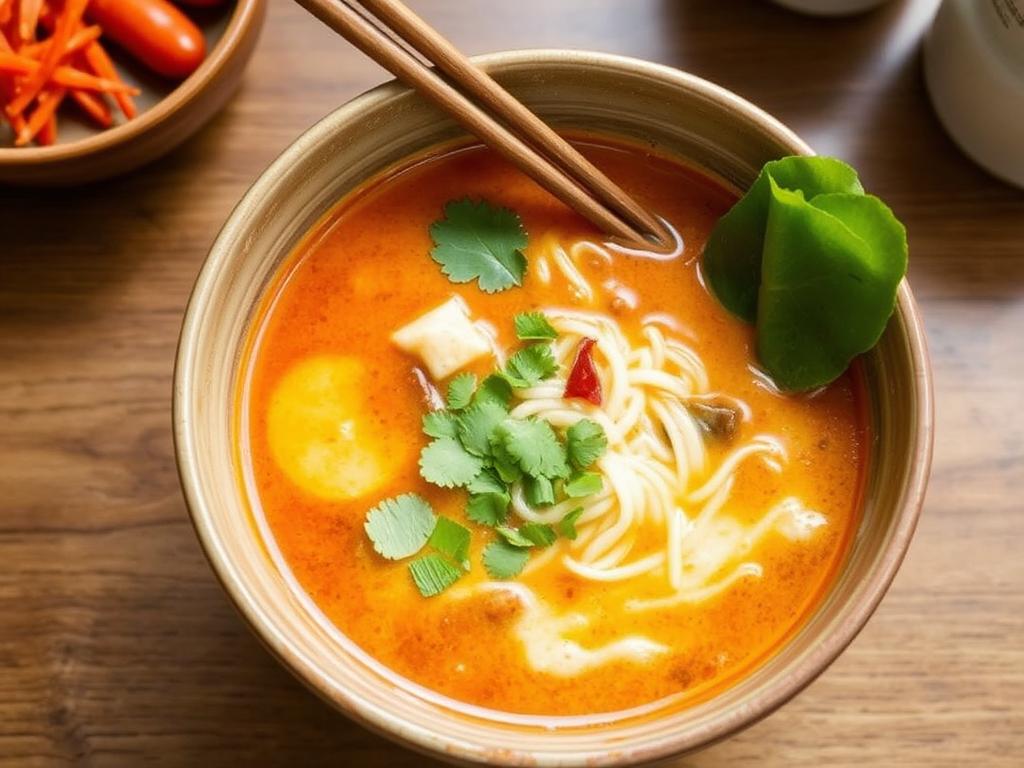
Laksa soup’s appeal has spread far beyond its birthplace. It found fans in countries like Australia, where laksa bowls appear in trendy Asian fusion restaurants, and in the UK and the US, where food lovers keen on exploring world cuisines often encounter it at Asian eateries or food festivals. Many overseas Southeast Asians bring their family laksa recipes along, creating a home away from home through food. Even in cities without a notable Southeast Asian population, adventurous chefs are reinventing laksa, sometimes blending it with local tastes. Its adaptability and bold yet approachable flavors have made laksa soup increasingly popular globally.
Cooking Laksa Soup at Home: Three Recipes Worth Trying
If the idea of homemade laksa soup excites you, here are three delicious variations to explore:
- Traditional Laksa Lemak: Rich and creamy with coconut milk, chicken, prawns, tofu, and rice noodles. It’s the classic coconut-based laksa beloved in Singapore.
- Asam Laksa: A tangy and sour version from Penang made with tamarind broth, fish, and thick rice noodles. It’s refreshing with a punch.
- Vegetarian Laksa: A version free of meat, using mushrooms, tofu, and plenty of greens in a spicy coconut broth. Equally satisfying and vibrant.
Each recipe requires a bit of prep—like blending spices and preparing homemade broth—but the end result is immensely rewarding and worth the effort.
What Goes Best with Laksa Soup
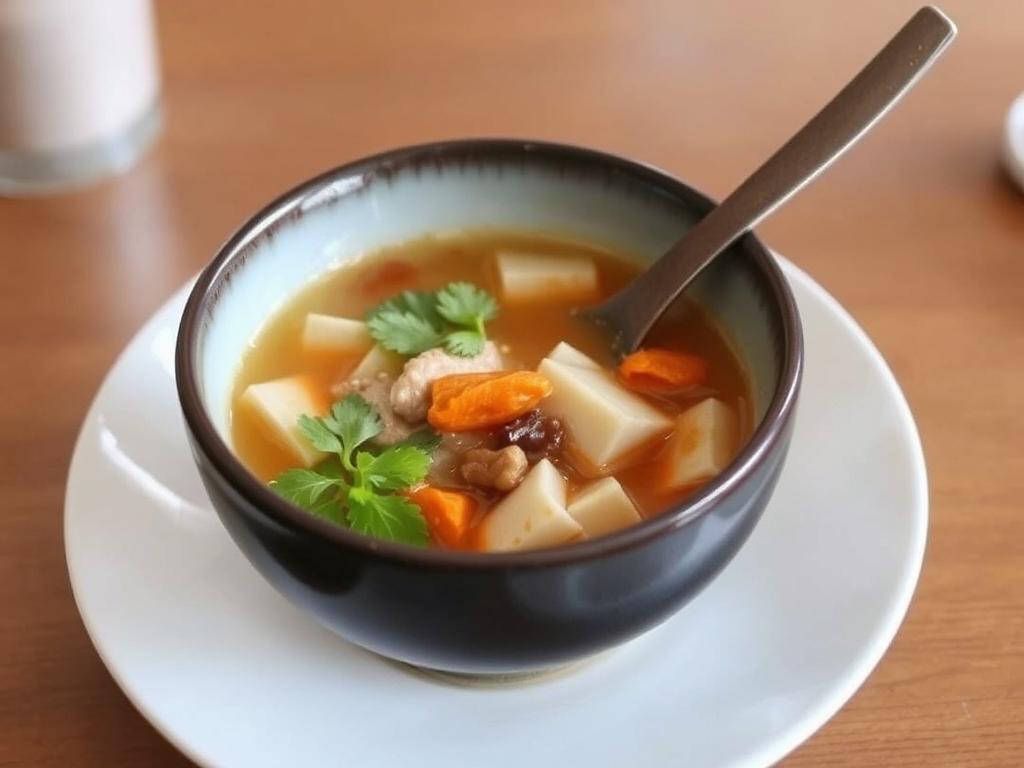
Laksa soup is hearty enough to be a meal, but complementary sides can elevate the experience. Often, laksa is served with a wedge of lime to add freshness and a bit of sour brightness. On the side, you might find crispy prawn crackers or fried shallots to add crunch. A small serving of sambal chili can enhance the heat for those craving more fire. If you want something cool alongside, a simple cucumber salad or a cold iced tea balances the rich soup perfectly. The key is to keep sides light and crisp to contrast with the soup’s deep, creamy layers.
Laksa soup is a dish that invites you into its story, flavors, and culture the moment your spoon touches the broth. Whether you’re a food enthusiast curious about its origins or someone who simply loves a great bowl of soup, laksa promises a rewarding experience with every bite. Ready to dive into making your own or hunting down the best laksa in your city? The journey has just begun.


