

Imagine coming across a bowl of chilled, silky tomato soup that instantly transports you to sunny Spanish plazas, where the warm breeze carries whispers of centuries-old traditions. Salmorejo Soup isn’t just another tomato soup; it’s a refreshing blend of simplicity and bold flavor, an embodiment of Andalusian culture served cold. If you’ve never tried this creamy, garlicky delight or want to understand why it’s captured the hearts of food lovers around the world, you’re in for a treat. Let’s dive deep into what makes Salmorejo Soup so special and how you can bring a taste of Spain straight to your kitchen.
- What Is Salmorejo Soup
- History of Salmorejo Soup
- Where Salmorejo Soup First Appeared
- Interesting Facts About Salmorejo Soup
- Nutritional Value of Salmorejo Soup
- Popularity in Different Countries
- 3 Best Recipes for Cooking Salmorejo Soup
- Classic Córdoba Style
- Light and Vegan Twist
- Quick Blender Version
- What to Eat with Salmorejo Soup
What Is Salmorejo Soup
Salmorejo Soup is a cold Spanish tomato soup known for its thick, creamy texture and rich flavor. Unlike the more familiar gazpacho, which is a lighter, chunkier mix of vegetables, Salmorejo offers a velvet-smooth blend made from ripe tomatoes, crusty bread soaked and ground into the mix, garlic, olive oil, and vinegar. This combination creates a luscious soup that tastes like summer captured in a bowl. Often served as a starter or even a light main course during warmer months, it’s a simple yet satisfying dish that balances acidity with the depth of olive oil and the pungent bite of garlic.
What sets Salmorejo apart is its consistency. The bread isn’t just a sidekick; it forms the soup’s body, giving it a creamy feel without any cream added—a perfect example of traditional ingenuity turning humble ingredients into a luxurious experience.
History of Salmorejo Soup
The roots of Salmorejo trace back to the agricultural lands of Andalusia in southern Spain, where tomatoes and olive oil have been staples for centuries. While soups and cold dishes made from vegetables were common household fare, Salmorejo carved its identity over time in Córdoba’s rustic kitchens. It was originally a peasant dish—a thrifty meal to cool off after a hard day in the fields, utilizing day-old bread and ripe tomatoes that were plentiful in summer.
Over the years, this modest soup traveled beyond farmhouses, becoming part of local festivals and family gatherings. Today, Salmorejo Soup stands as a symbol of Andalusian culinary heritage, its history as rich as its flavor.
Where Salmorejo Soup First Appeared
Salmorejo Soup’s birthplace is definitively Córdoba, Spain. This city, nestled between ancient streets and olive groves, is known for blending history with gastronomy. The dish emerged there as a clever way to use leftovers—stale bread and leftover tomatoes—and turn them into something fresh and inviting.
Unlike gazpacho, which originated across various parts of Spain with many regional variations, Salmorejo’s identity is closely tied to Córdoba’s local cuisine. It’s a dish that tells a story about the city’s relationship with its land and climate.
Interesting Facts About Salmorejo Soup
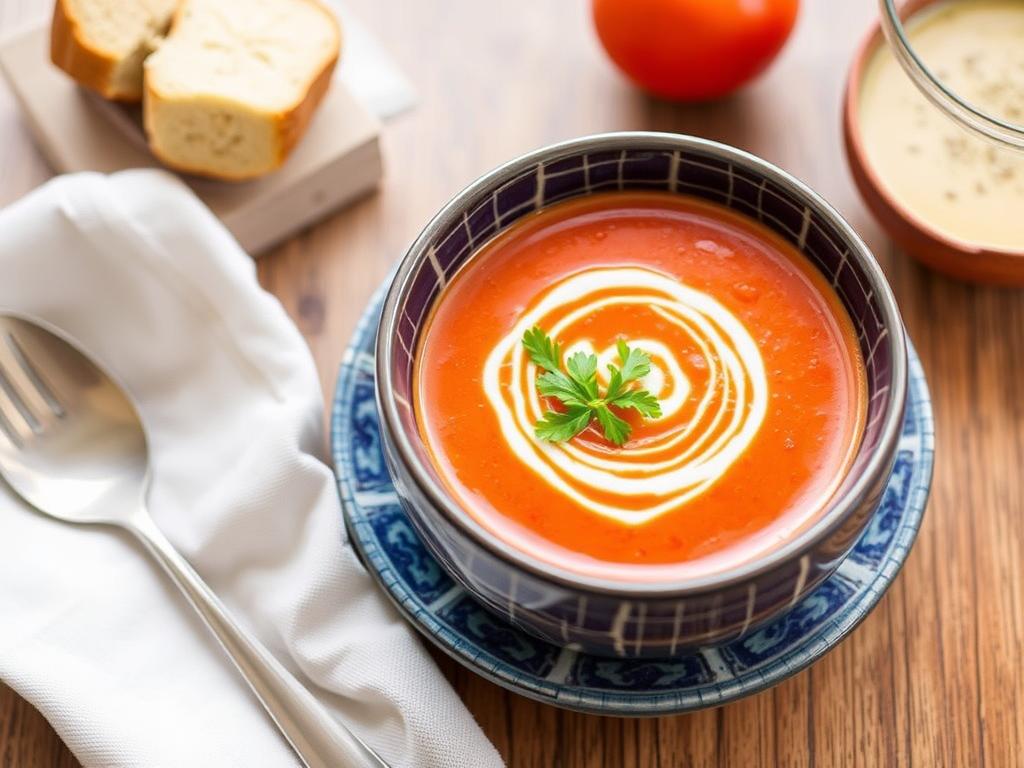
Salmorejo Soup boasts a few quirky and fascinating facets. For one, while it looks like a simple tomato puree, the secret lies in slowly emulsifying the olive oil into the tomato-bread mixture, similar to making a mayonnaise. This technique gives it that rich, creamy mouthfeel without any dairy.
Another curious fact is the typical garnishes served atop Salmorejo. Most often, you’ll find slices of hard-boiled egg and fine strips of Spanish cured ham (jamón serrano), adding bursts of flavor and texture to the smooth base.
Even the name “Salmorejo” sparks debate: some link it to the Spanish word “salmorejo,” meaning a marinade or sauce, hinting at its condiment-like origins.
Nutritional Value of Salmorejo Soup

Let’s talk numbers. Salmorejo Soup is far from just an indulgent appetizer—it provides a decent nutritional profile packed with benefits. Here’s a simple breakdown per typical serving:
| Nutrient | Approximate Amount |
|---|---|
| Calories | 180-220 kcal |
| Carbohydrates | 18-22 grams |
| Fat (mostly from olive oil) | 12-15 grams |
| Protein | 4-6 grams (especially if topped with eggs and ham) |
| Fiber | 3-4 grams |
| Vitamins | Rich in Vitamin C and A (from tomatoes) |
The use of olive oil in Salmorejo not only enhances flavor but adds heart-healthy monounsaturated fats, making it a surprisingly nutritious choice for a chilled starter.
Popularity in Different Countries
While Salmorejo Soup has its heart in Spain, its charm has inspired chefs and food enthusiasts globally. In Mediterranean countries, it’s gaining attention next to gazpacho for summer meals. Cities with strong Spanish culinary scenes like New York, London, and Sydney have included Salmorejo on tapas menus, increasing its visibility.
That said, outside Spain, it remains less widespread than gazpacho, mostly because its texture and rich mouthfeel are a bit more demanding on the palate. Yet, food bloggers and home cooks keep sharing their versions online, slowly turning this traditional dish into an international summer favorite.
3 Best Recipes for Cooking Salmorejo Soup
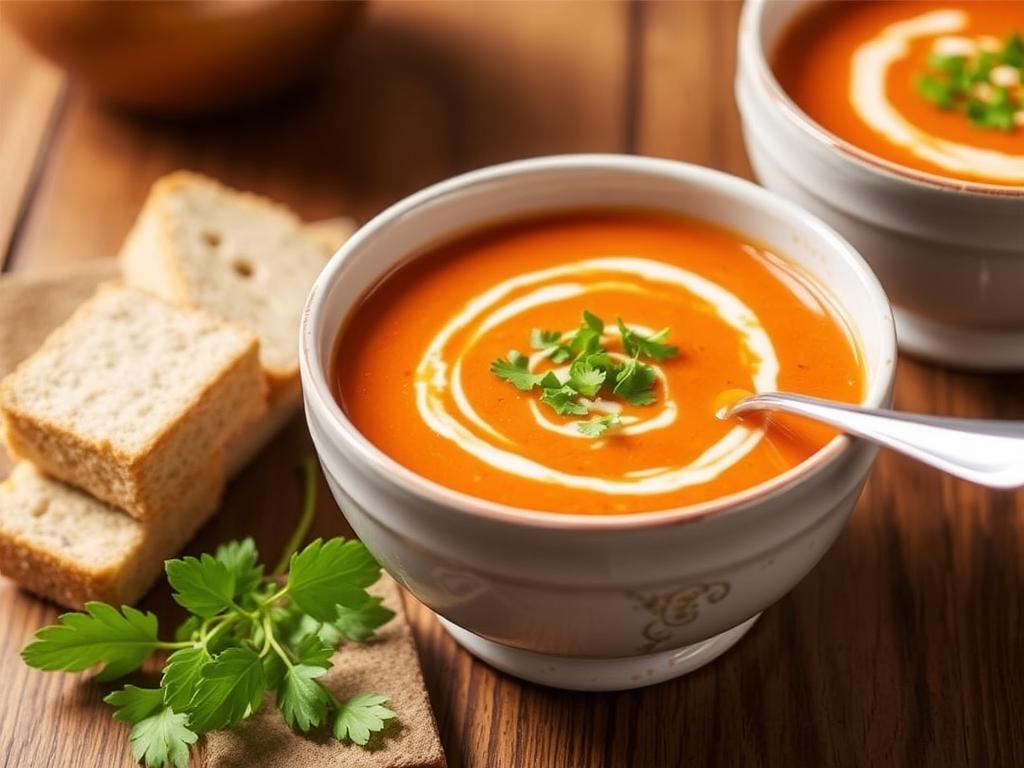
Ready to give it a whirl? Here are three takes on Salmorejo Soup for every skill level:
Classic Córdoba Style
- 4 ripe tomatoes, peeled and chopped
- 100g stale white bread (no crust)
- 1 clove garlic, minced
- 100ml high-quality extra virgin olive oil
- 1 tbsp sherry vinegar
- Salt to taste
- Garnishes: hard-boiled egg slices and diced jamón serrano
Blend tomatoes and garlic, soak bread in the mix, then slowly add olive oil until creamy. Serve chilled with garnishes.
Light and Vegan Twist
Substitute bread with soaked cashews for creaminess. Use apple cider vinegar instead of sherry vinegar, and skip the egg and ham, adding thinly sliced cucumbers for crunch.
Quick Blender Version
Use canned whole peeled tomatoes for convenience, plus garlic, olive oil, vinegar, and crustless bread. Blend everything at once until silky smooth and chill for an hour before serving.
What to Eat with Salmorejo Soup
Salmorejo Soup is fantastic on its own, but pairing it right elevates the whole experience. Thanks to its creamy texture and coolness, it’s often enjoyed with:
- Thin slices of rustic toasted bread rubbed with garlic
- Ham croquettes or Spanish tortilla for heartier bites
- Fresh olives or marinated vegetables to balance richness
- A chilled glass of fino sherry or crisp white wine
If you’re feeling adventurous, try it alongside grilled seafood—the acidity and creaminess create a perfect harmony. Whether for a casual summer lunch or a tapas night, these combinations unlock the soup’s full potential.
Salmorejo Soup may seem simple, but it’s a layered experience that reflects a blend of culture, history, and taste. Give it a shot next time tomatoes are ripe, and you may just find yourself reaching for that chilled bowl long after the summer sun sets.


