

Imagine a bowl so comforting, so packed with layers of flavor, that it feels like a warm hug on a chilly day. That’s Esogelin soup for you—a dish that invites you to slow down, savor each spoonful, and dive deep into a culinary story rooted in history and culture. Whether you stumble upon it in a cozy Turkish café or decide to make it at home, Esogelin soup promises an experience beyond just eating. It’s a delight that stirs curiosity and makes you want to understand what goes into this broth, how it came to be, and why people keep coming back for more. If you’ve never heard of Esogelin soup before, prepare yourself to travel far beyond ordinary soups—there’s so much to learn and taste.
- Unveiling Esogelin Soup: What It Is and Why It Matters
- The Roots of Esogelin Soup: A Peek Into its History
- Where Esogelin Soup First Appeared
- Some Surprising Facts About Esogelin Soup
- Looking Inside the Bowl: Nutritional Value of Esogelin Soup
- Esogelin Soup Across Borders: Popularity Beyond Turkey
- Mastering Esogelin Soup: Three Tried and True Recipes
- The Perfect Pairings: What to Eat with Esogelin Soup
Unveiling Esogelin Soup: What It Is and Why It Matters
Esogelin soup is a traditional Turkish soup that beautifully balances tangy, spicy, and hearty notes. At its core, it’s a lentil-based soup combined with bulgur, rice, or cracked wheat, often seasoned with a blend of dried mint, paprika, and sometimes tomato paste. The ingredients might sound simple, but the magic lies in how they come together to create something vibrant and wholesome. Unlike plain lentil soups you might find elsewhere, Esogelin soup carries a distinct flavor profile with a slight acidity, usually from lemon juice or tomato, and a fresh aroma from herbs—especially mint.
What makes it stand out is its connection to both nutrition and taste. For centuries, it has been a staple not only because it’s filling but because it aligns with Turkish culinary traditions, especially in the Central Anatolia region. It’s comfort food with a story, perfect for cold afternoons or as a starter that whets the appetite without overwhelming it.
The Roots of Esogelin Soup: A Peek Into its History
Diving into the history of Esogelin soup feels like opening a window to Turkish culture and daily life long ago. The soup is named after “Eso Gelin,” which roughly translates to “Bride Eso” in Turkish—a legendary figure said to have created the dish. This name alone invites legends and folklore, making the soup more than just nourishment; it’s part of a narrative passed down through generations.
The recipe likely took shape from the need for a nutritious and affordable dish, combining locally available ingredients. Over time, Esogelin soup became more than a simple homemade meal. It became part of festivals, family gatherings, and even traditional ceremonies. Every spoonful carries echoes of Anatolian winters when this soup warmed many homes.
Where Esogelin Soup First Appeared
This dish originated in the Eskişehir region of Turkey, which lies in Central Anatolia. Known for its rolling hills and agricultural roots, Eskişehir provided exactly the kind of staples—lentils, grains, herbs—that fit perfectly into the creation of Esogelin soup. It’s no coincidence that the soup’s name pays homage to this place and the legendary bride whose culinary creativity is immortalized in its taste.
Some Surprising Facts About Esogelin Soup
Talking about Esogelin soup reveals some fun and unexpected tidbits. For instance, did you know that this soup is usually served with a dollop of butter or a drizzle of chili oil on top, elevating the flavors even more? Also, the soup’s texture isn’t entirely smooth; it often contains tiny grain bits that add a rustic, chewy sensation—in other words, texture lovers rejoice! In Turkey, Esogelin soup is sometimes even thought to have healing properties, thanks to ingredients like lentils and herbs that support digestion and general well-being.
Looking Inside the Bowl: Nutritional Value of Esogelin Soup
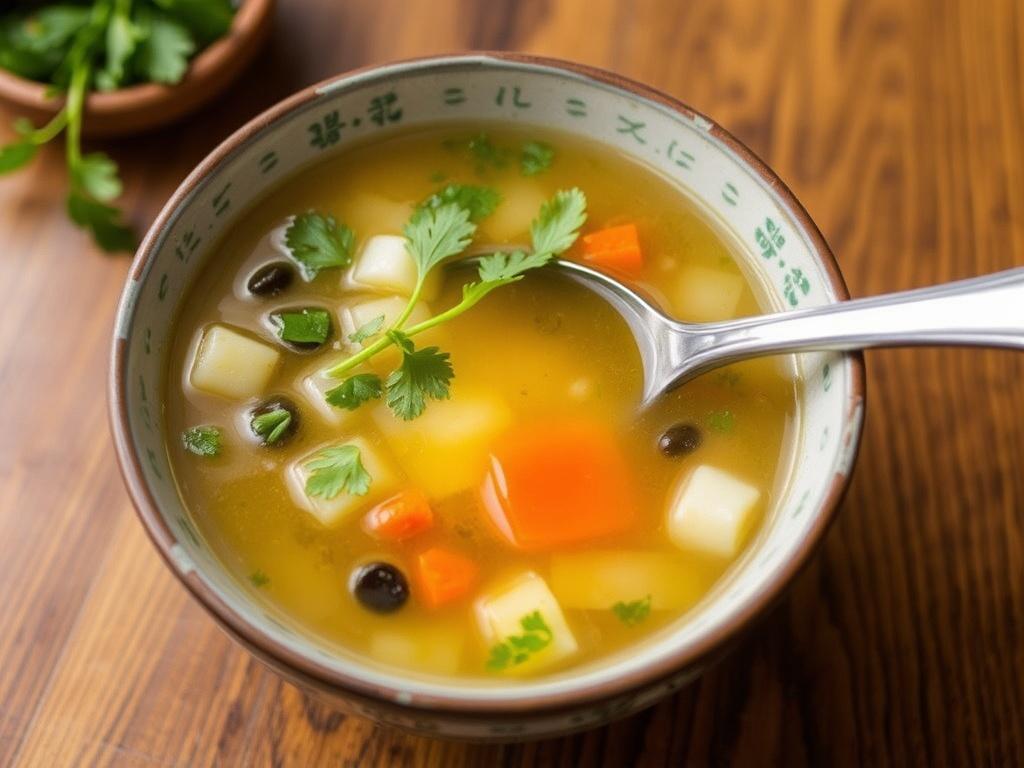
One bowl of Esogelin soup works wonders not just for your taste buds but also for your health. Lentils are powerhouse legumes rich in protein, fiber, and essential minerals like iron and folate. When combined with bulgur or rice, the soup turns into a well-balanced meal with complex carbohydrates and amino acids. Herbs like mint aid digestion, while spices such as paprika bring antioxidants.
| Nutrient | Amount (per serving) | Health Benefit |
|---|---|---|
| Protein | 12-15g | Muscle repair and energy |
| Dietary Fiber | 8-10g | Improves digestion and satiety |
| Iron | 3-4mg | Supports blood health |
| Vitamin C | varies (from lemon or tomato content) | Boosts immune system |
Esogelin Soup Across Borders: Popularity Beyond Turkey
While Esogelin soup remains a beloved dish in Turkey, it’s slowly gaining recognition abroad, particularly in countries with Turkish diasporas like Germany, the Netherlands, and the United States. Food festivals and Middle Eastern restaurants sometimes feature it as an exotic yet accessible dish. However, it’s still considered somewhat of a hidden gem, unlike the more internationally known Turkish staples like baklava or kebabs.
Its growing popularity owes much to the rising interest in healthy, plant-based eating, as well as authentic global flavors. Esogelin soup fits both categories, appealing to foodies and health-conscious eaters alike.
Mastering Esogelin Soup: Three Tried and True Recipes
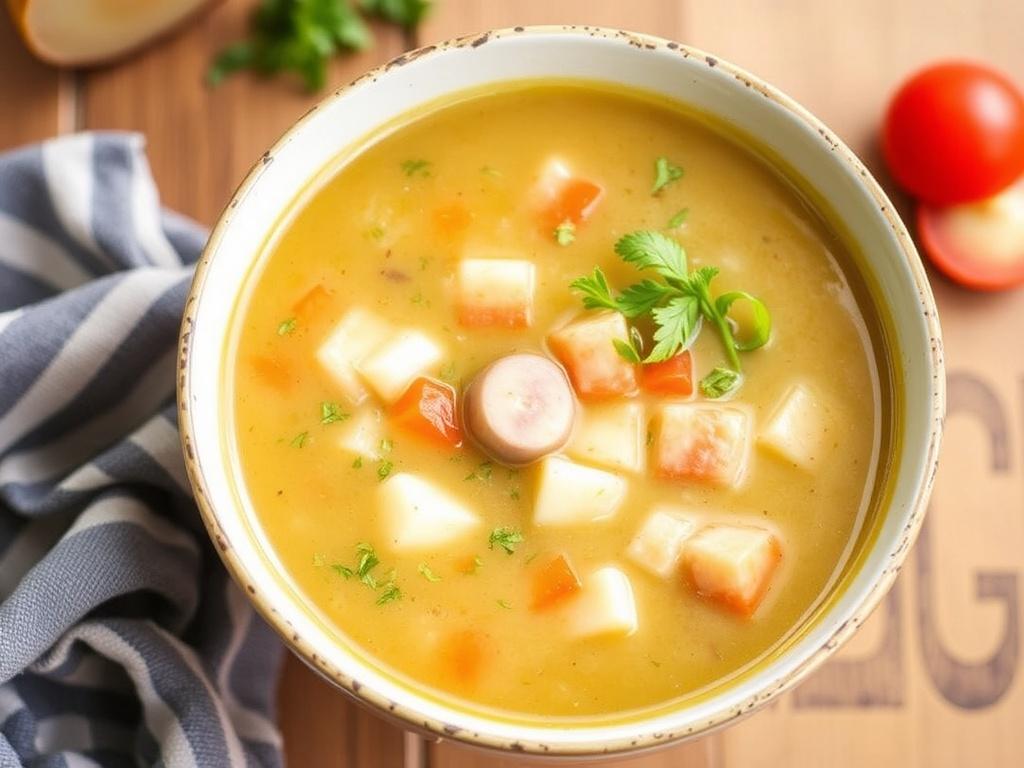
Want to make Esogelin soup at home? Here are three delicious variations that highlight its versatility:
- Classic Esogelin Soup: Lentils, bulgur, tomato paste, dried mint, paprika, onion, and garlic, finished with a squeeze of lemon.
- Spicy Version: All the classic ingredients plus a pinch of red pepper flakes and a touch of chili oil to add heat.
- Vegetable-Enriched: Classic base with added diced carrots, potatoes, and celery for extra texture and nutrients.
Each recipe invites experimentation—you can make it as simple or as hearty as you like.
The Perfect Pairings: What to Eat with Esogelin Soup
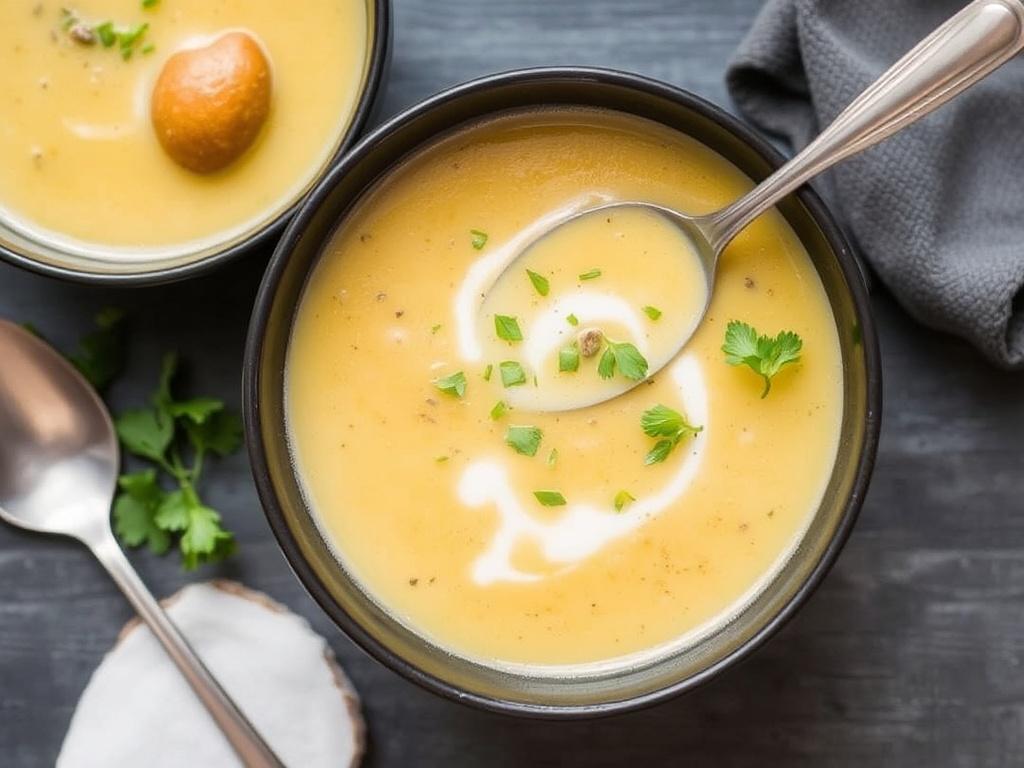
Esogelin soup stands beautifully on its own, but pairing it thoughtfully can turn a simple meal into a feast. Traditionally, it’s accompanied by:
- Freshly baked Turkish bread or pide to soak up every drop
- A side of pickled vegetables to contrast the soup’s earthiness
- A light salad, often with cucumbers and tomatoes, dressed in lemon and olive oil
You might also want to finish your meal with a cup of Turkish tea, creating a full dining experience that honors the culture behind the soup.
—
Exploring Esogelin soup reveals so much beyond its ingredients: history, culture, and a way of appreciating simple, honest food. Whether you try making it yourself or hunt for it at a restaurant, this soup offers more than just a meal—it’s a story served in a bowl.


