
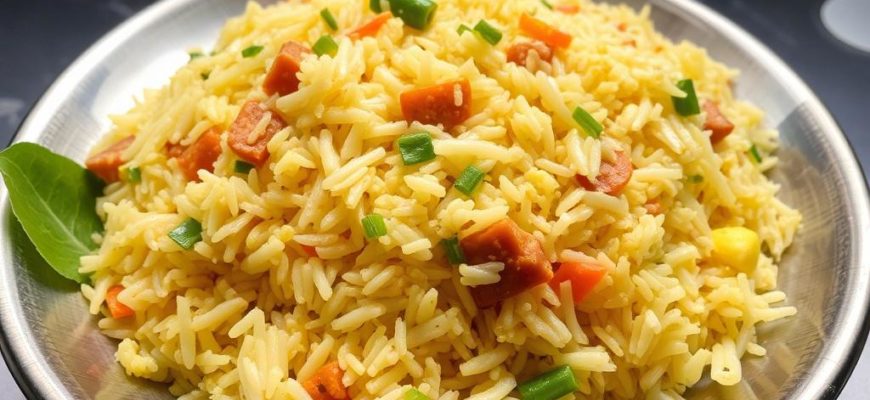
Close your eyes and imagine steaming layers of fragrant rice threaded with warm spices, tender meat falling apart, and a ribbon of golden oil glinting on top. That scent alone can pull people to the table, to memories, to conversations that go late into the night. Bangladeshi pilaf is one of those dishes that feels like home and celebration at once — humble on the surface, complex in character. In this article I’ll take you from its origins and quirky facts through the nutrition, its journey beyond Bangladesh, and finally to a straightforward, fail-safe recipe you can try in your own kitchen. If you like food that tells a story, stick around — there’s a lot to enjoy.
- Roots in Bengal: The Country of Origin of Bangladeshi Pilaf
- A Brief History of Bangladeshi Pilaf
- Little Known Facts about Bangladeshi Pilaf
- Nutritional Value of Bangladeshi Pilaf
- How Bangladeshi Pilaf Gained Fans Worldwide
- The Best Step-by-Step Cooking Recipe for Bangladeshi Pilaf
- Ingredients (serves 4)
- Method
- Pro Tips
Roots in Bengal: The Country of Origin of Bangladeshi Pilaf
Bangladeshi pilaf traces its heart to the fertile riverine plains of Bengal, where rice is not just a staple but a cultural language. In Bangladesh, pilaf — often called pulao locally — grew from a blend of Persian-influenced cooking and homegrown Bengali techniques. Long-grain rice, fragrant spices, and slow, careful cooking became part of local foodways. Pilaf sits comfortably at weddings, religious festivals, and ordinary family lunches, reflecting both the agricultural abundance and the region’s history as a crossroads of trade and migration.
A Brief History of Bangladeshi Pilaf
The history of Bangladeshi pilaf runs parallel to the broader culinary narrative of South Asia. Persian culinary traditions arrived centuries ago and mingled with local practices: the technique of cooking rice with broth and aromatics, layering meat and rice, and finishing with ghee or clarified butter. Over time, Bengali cooks adapted spice blends, favored locally available ingredients like mustard oil or ghee, and developed quicker one-pot versions for everyday meals. The dish evolved regionally — coastal areas might use fish or prawns, while inland families favor mutton or chicken — but all versions emphasize balance between fragrant rice and richly seasoned accompaniments.
Little Known Facts about Bangladeshi Pilaf
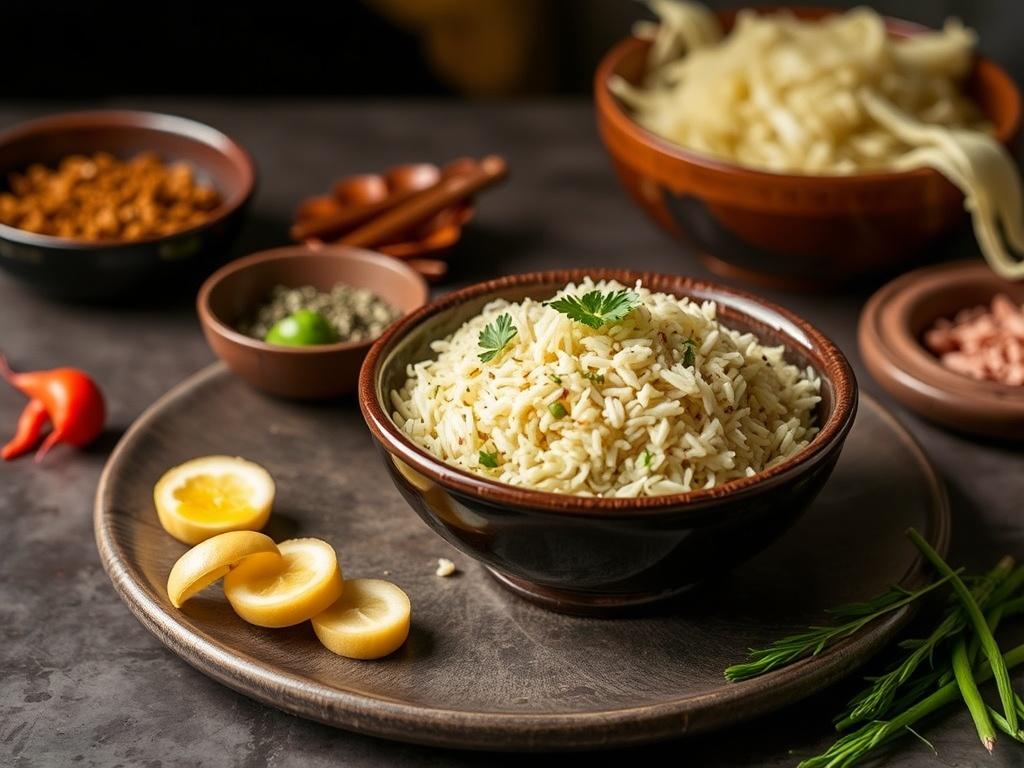
- Pilaf and biryani are cousins rather than twins: both layer rice and meat, but pilaf usually cooks rice in seasoned stock and is simpler in technique than the multi-step biryani.
- Fragrant rice variety matters: quality pilaf often uses long-grain aromatic rice, which absorbs flavors without becoming sticky.
- Regional twists are bold: in some parts of Bangladesh, people add roasted nuts, dried fruits, or a touch of lemon for brightness.
- Pilaf doubles as both daily fare and festival centerpiece — its versatility is part of its charm.
Nutritional Value of Bangladeshi Pilaf
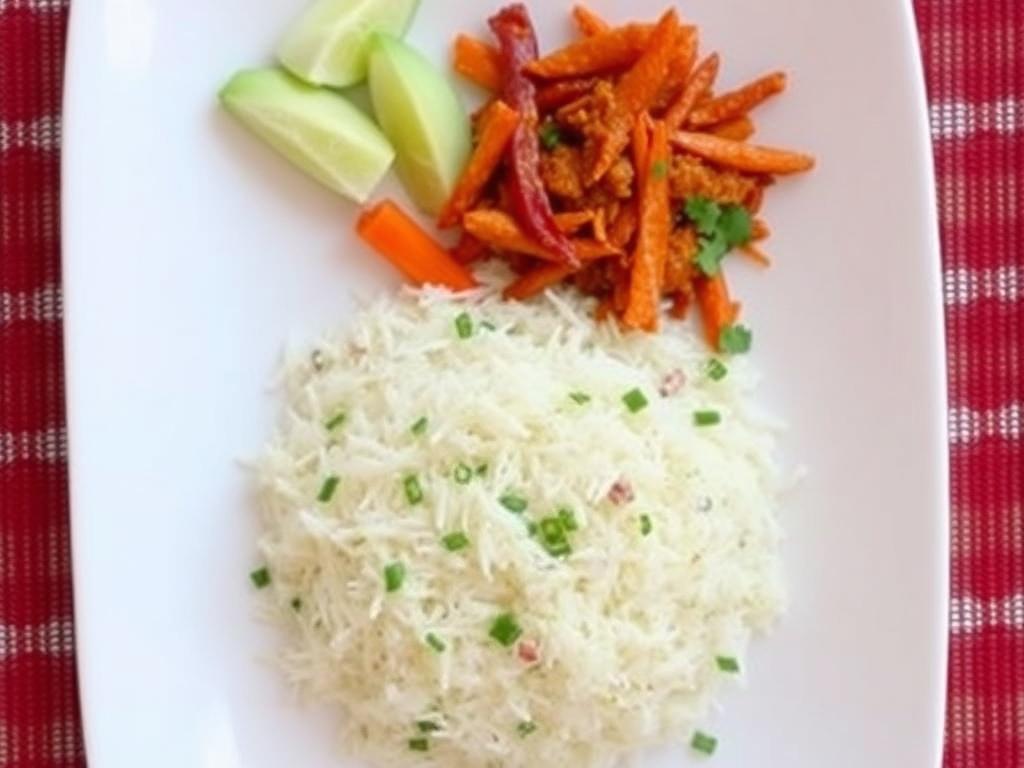
Nutrition varies by recipe, especially the protein choice and amount of fat. Below is an approximate breakdown for a typical serving (about 300–350 g) made with basmati rice, chicken, and moderate oil.
| Nutrient | Amount per serving (approx.) |
|---|---|
| Calories | 450–550 kcal |
| Protein | 20–30 g |
| Carbohydrates | 55–70 g |
| Fat | 10–20 g (depending on ghee/oil) |
| Fiber | 1.5–3 g |
To make pilaf lighter, reduce added fats, use lean protein, and increase vegetables such as peas, carrots, or cauliflower. For a richer, celebratory version, ghee and toasted nuts add depth and texture.
How Bangladeshi Pilaf Gained Fans Worldwide
Bangladeshi pilaf traveled with people. As migrants settled in the UK, Middle East, North America, and beyond, they brought family recipes and opened restaurants. Pilaf appeals because it’s comforting, flexible, and carries bold but balanced flavors. In neighboring countries it sits alongside biryani and other rice dishes; in Western cities, pilaf often appears in diaspora restaurants or fusion menus. Chefs like to experiment with local seafood or plant-based proteins, proving pilaf adapts without losing its soul.
The Best Step-by-Step Cooking Recipe for Bangladeshi Pilaf
Ingredients (serves 4)
- 2 cups long-grain basmati rice, rinsed until water runs clear
- 500 g bone-in chicken pieces (or mutton, beef, or vegetables)
- 3 tbsp ghee or neutral oil
- 1 large onion, thinly sliced
- 3 cloves garlic, minced; 1-inch ginger, grated
- 1 cinnamon stick, 4 green cardamom pods, 4 cloves
- 1 bay leaf
- 1 tsp turmeric, 1 tsp ground cumin, 1 tsp coriander powder
- Salt to taste
- 3 1/4 cups chicken stock or water (adjust if using different rice)
- A handful of toasted nuts and chopped cilantro for garnish
Method
- Soak the rinsed rice in cold water for 20–30 minutes, then drain. This keeps grains separate after cooking.
- Heat ghee in a heavy-bottomed pot. Add whole spices (cinnamon, cardamom, cloves, bay leaf) and toast for 30 seconds until fragrant.
- Add sliced onions and sauté over medium heat until golden brown. Patience here builds flavor; don’t rush.
- Stir in garlic and ginger, cook 1 minute. Add turmeric, cumin, coriander, and salt, then toss the chicken pieces to coat in spices. Brown the chicken for 4–5 minutes so the meat picks up flavor.
- Pour in the stock, bring to a simmer. Cover and cook until chicken is nearly done (time varies: 20–30 minutes for chicken, longer for mutton).
- Once the chicken is tender, gently layer the drained rice over the meat. Do not stir. Pour the remaining warm stock so rice is submerged by about 1 cm.
- Cover tightly, reduce heat to very low, and cook undisturbed for 15–20 minutes. This final steam cooks the rice through and allows flavors to meld.
- Turn off the heat and let the pot rest, covered, for 10 minutes. Then fluff rice lightly with a fork, mixing the meat and rice gently.
- Garnish with toasted nuts and cilantro. Serve with a simple yogurt raita or fresh salad.
Pro Tips
- For extra aroma, thread a few strands of saffron into a tablespoon of warm milk and drizzle before sealing the pot.
- Adjust liquid according to rice type: short-grain needs slightly less, aged basmati needs a touch more.
- If using mutton, brown well and simmer longer for tenderness; you may prefer a pressure cooker for convenience.
Bangladeshi pilaf is an invitation — to slow down, savor, and share. Cook it once with care and you’ll understand why a simple pot of rice can become the center of a good story.


