
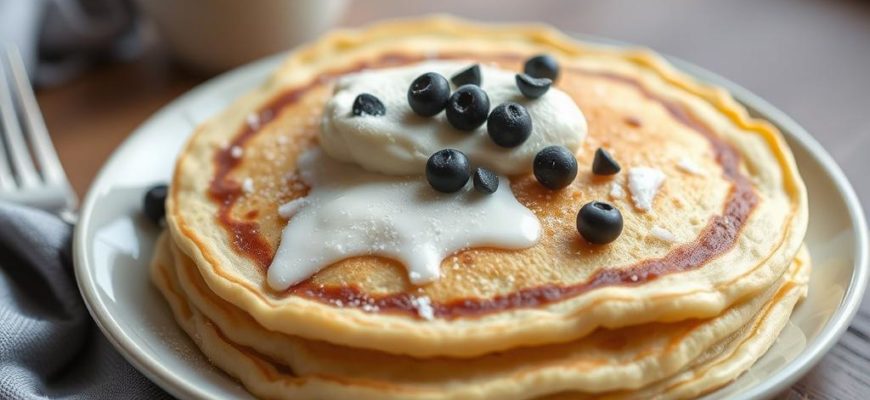
There’s something about a thin, golden pancake sliding off a pan that feels like home. German Pfannkuchen pancakes are that kind of food: comforting, forgiving, and endlessly adaptable. Whether you grew up with them, discovered them while traveling, or only know the American “German pancake” cousin, this dish deserves a closer look. I’ll walk you through what German Pfannkuchen pancakes actually are, where they come from, how they evolved, how to make them three different ways, and the best things to serve alongside them. No fluff — just useful stories, clear steps, and tasty ideas you can try tonight.
- What German Pfannkuchen pancakes really are
- History and roots of German Pfannkuchen pancakes
- Where German Pfannkuchen pancakes first appeared and how they spread
- Interesting facts about German Pfannkuchen pancakes
- Nutritional value of German Pfannkuchen pancakes
- Popularity of German Pfannkuchen pancakes in different countries
- Three best recipes for cooking German Pfannkuchen pancakes
- 1. Classic thin Pfannkuchen
- 2. Oven-baked German pancake (Dutch baby style)
- 3. Filled Pfannkuchen with jam and quark
- What to eat with German Pfannkuchen pancakes
What German Pfannkuchen pancakes really are
German Pfannkuchen pancakes most often means a thin, crepe-like pancake made from a batter of flour, eggs, milk, and salt, fried quickly in a lightly oiled pan until lacy and golden. In everyday German kitchens these are simple breakfast or dessert pancakes, not the thick, fluffy stacks you might expect from American diner pancakes. Important note: in parts of Germany, especially Berlin, the word Pfannkuchen can also mean a jelly-filled doughnut. Context matters, but when people talk about German Pfannkuchen pancakes in a cooking sense they usually mean the thin, foldable kind you can roll with jam or sprinkle with sugar and lemon.
History and roots of German Pfannkuchen pancakes
Pancakes are ancient — flatbreads cooked on hot stones appear in many early cuisines — and the German version evolved along the same practical lines. Thin batter cooked in a pan is economical and fast: just eggs, flour, and milk. Over centuries regional names and slight ingredient tweaks appeared: Eierkuchen (egg cakes) is a common synonym, Palatschinken is used in Austria and parts of eastern Germany, and the Dutch pannenkoeken sits nearby across the border. The idea of a thicker, oven-baked “German pancake” made its way into American menus in the 20th century, often under names like Dutch baby, showing how recipes travel and adapt.
Where German Pfannkuchen pancakes first appeared and how they spread
There isn’t a single village where Pfannkuchen were born — they’re a household staple that emerged wherever people had a pan and a few simple staples. Northern and central Europe share many flat pancake traditions, so Pfannkuchen likely developed concurrently with regional variants. Migration and trade helped spread the style; Germans took their batter skills to America and other places, where local cooks renamed or reshaped the dish. That’s how you end up with thin German Pfannkuchen pancakes in Berlin kitchens and a puffed “German pancake” in a Seattle diner.
Interesting facts about German Pfannkuchen pancakes
- One word, two meanings: In Berlin Pfannkuchen often means a jam-filled doughnut, which confuses travelers who ask for pancakes and get jelly instead.
- Regional names vary: Eierkuchen, Palatschinken, Pfannkuchen — same idea, slightly different local twists.
- Versatility is key: sweet with sugar and lemon, rolled with jam, layered with apples, or made savory with cheese and ham.
- The American “Dutch baby” or “German pancake” is a different technique — oven-baked and puffy — but shares the family resemblance.
Nutritional value of German Pfannkuchen pancakes
Below is an approximate nutritional breakdown for a basic thin German Pfannkuchen pancake (per 100 g). Values will change with fillings, toppings, and cooking fat.
| Nutrient | Approximate amount per 100 g |
|---|---|
| Calories | 180 kcal |
| Protein | 6–7 g |
| Fat | 6–8 g |
| Carbohydrates | 22–26 g |
| Fiber | 1–2 g |
You can tweak nutrition easily: use whole-grain flour, reduce sugar, or swap milk for plant-based alternatives.
Popularity of German Pfannkuchen pancakes in different countries
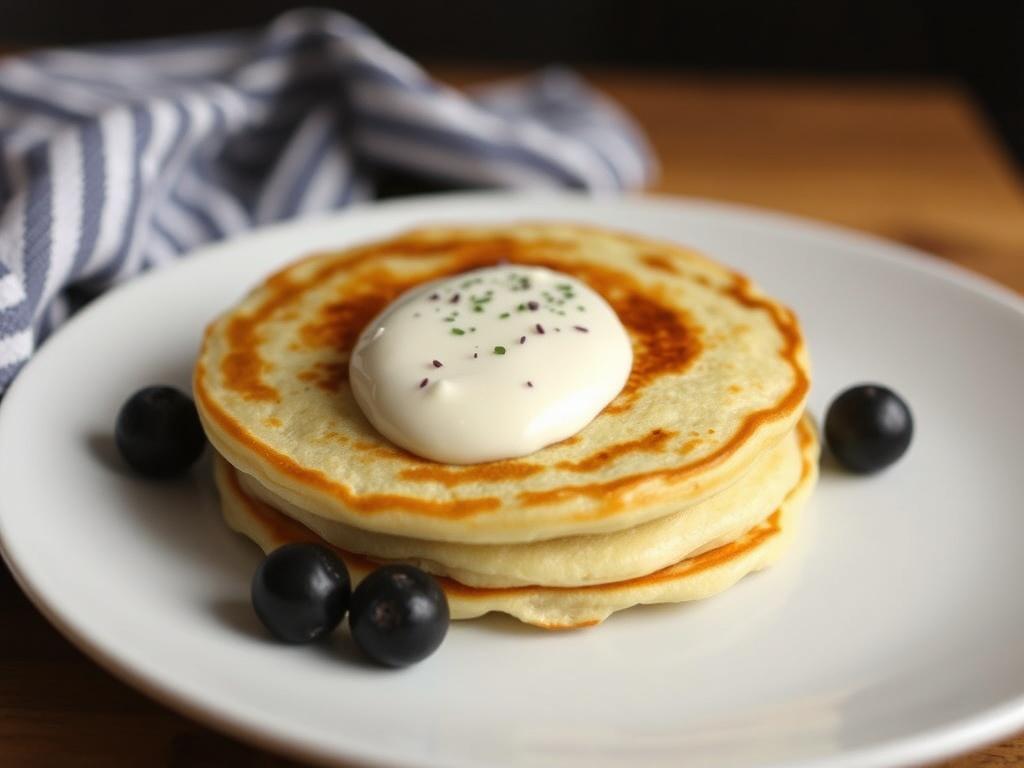
German Pfannkuchen pancakes enjoy popularity across Europe and beyond, though under different names. In Austria and Hungary you’ll find palatschinken filled with jam or sweet cheese. In the Netherlands, pannenkoeken are larger and often served as a full meal with savory toppings. In the U.S., the “German pancake” or Dutch baby shows up on brunch menus — thicker and baked, but inspired by similar batter ideas. Scandinavian countries serve their thin pancakes as a breakfast staple too. The dish’s adaptability makes it a local favorite nearly everywhere.
Three best recipes for cooking German Pfannkuchen pancakes
1. Classic thin Pfannkuchen
Ingredients:
- 1 cup all-purpose flour
- 2 eggs
- 1 1/4 cups milk
- 1 pinch of salt
- Butter or oil for frying
Method:
- Whisk flour and salt, add eggs, then slowly whisk in milk until smooth.
- Let the batter rest 10–20 minutes for the best texture.
- Heat a nonstick pan, add a little butter, pour a ladle of batter, swirl to coat thinly, cook 1–2 minutes per side until pale gold.
- Stack and keep warm while you finish the batch.
2. Oven-baked German pancake (Dutch baby style)
Ingredients:
- 3 eggs
- 2/3 cup milk
- 2/3 cup flour
- 1 tbsp sugar
- 2 tbsp butter
Method:
- Preheat oven to 220°C (425°F). Blend eggs, milk, flour, and sugar until smooth.
- Melt butter in a cast-iron skillet in the oven, pour batter in and bake 15–20 minutes until puffed and browned.
- Serve immediately with lemon juice and powdered sugar or fresh fruit.
3. Filled Pfannkuchen with jam and quark
Ingredients:
- Basic pfannkuchen batter (from recipe 1)
- Apricot or plum jam
- Quark or ricotta
- Powdered sugar for dusting
Method:
- Cook thin pancakes. Spread a thin layer of quark, add a teaspoon of jam, roll up snugly.
- Warm briefly in the pan seam-side down to set, dust with sugar, serve warm.
What to eat with German Pfannkuchen pancakes
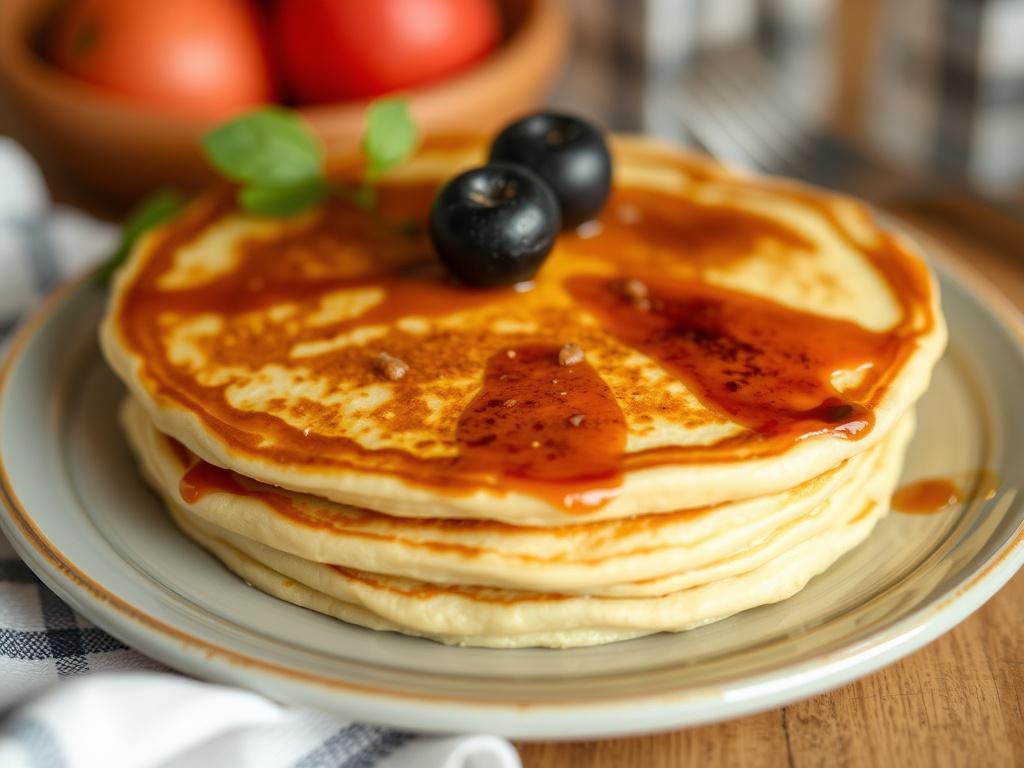
Sweet pairings work beautifully: simple sugar and lemon, fruit compote, honey, good jam, Nutella, or a spoonful of quark with berries. For savory options try smoked salmon and dill, warm mushrooms with thyme, or ham and cheese folded inside for a quick lunch. Here’s a short list of pairing ideas:
- Sugar and lemon
- Applesauce or stewed apples
- Seasonal fruit compote (berries, plums)
- Quark, yogurt, or crème fraîche with honey
- Smoked salmon and crème fraîche for savory
Final note: German Pfannkuchen pancakes are easy to make and endlessly personal. Try the classic batter once, then experiment with flour types, fillings, and cooking fats. You’ll quickly learn which version becomes your comfort food. If you want, I can give you a printable recipe card or a shopping list for any of the three recipes above. Which one would you try first?


