
There’s something about the smell of frying dough and molasses that grabs you the way a sing-song sea shanty catches the ear on a foggy morning. Newfoundland pancakes—often called toutons—are that comforting thing: simple, a bit rustic, and stubbornly delicious. Whether you grew up on them or are discovering them for the first time, these pan-fried rounds tell a story of kitchens where ingredients were few but inventiveness was plenty. Keep reading and you’ll get the how, the why, and a few recipes to try tonight.
- What Newfoundland pancakes are and why they matter
- History of Newfoundland pancakes
- Where Newfoundland pancakes first appeared
- Interesting facts about Newfoundland pancakes
- Nutritional value of Newfoundland pancakes
- Popularity in different countries
- Three top recipes for cooking Newfoundland pancakes
- 1. Traditional toutons (from bread or biscuit dough)
- 2. Quick baking powder Newfoundland-style pancakes (for when you don’t have dough)
- 3. Scrunchion-topped toutons (with salty pork bits)
- What to eat with Newfoundland pancakes
- Final note
What Newfoundland pancakes are and why they matter
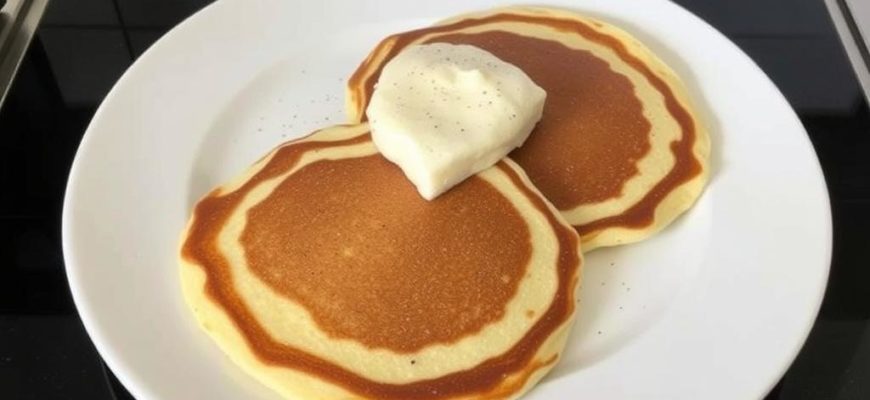
Newfoundland pancakes, commonly known as toutons, are small, round pieces of dough pan-fried until golden and served hot. They’re not the classic fluffy American pancakes; they’re denser, often made from leftover bread or biscuit dough, and finished in fat for a crisp outside and soft, pillowy inside. What makes them memorable isn’t just texture but the way they’re eaten—slathered with butter and molasses, or paired with scrunchions (crispy bits of fried salted pork). In short: practical, flavorful, and built for the hearty appetite of life by the Atlantic.
History of Newfoundland pancakes
The history of Newfoundland pancakes is rooted in frugality and resourcefulness. Settlers and fishermen needed foods that were filling, portable, and quick to prepare. Yeasted dough or leftover bread could be reshaped and fried, stretching supplies into a satisfying meal. Over time these fried dough rounds became a fixture in homes across the island, a go-to for breakfast or a mid-day treat. The exact origin is hard to pin down, as similar fried dough traditions exist worldwide, but in Newfoundland the practice took on local character through ingredients like molasses and pork fat.
Where Newfoundland pancakes first appeared
They first appeared in Newfoundland and Labrador, particularly in outport communities where supplies were limited and improvisation was essential. Kitchens there adapted recipes from British and Irish settlers, as well as Indigenous influences, into a version shaped by life on the sea and the need to make simple staples stretch farther. The result: a uniquely Newfoundland adaptation of fried dough that became a household staple on the island.
Interesting facts about Newfoundland pancakes
- They’re often called toutons, but you’ll also hear “tuttons,” “tatoons,” or local nicknames depending on the parish—pronunciations vary with the island’s rich dialects.
- Traditionally fried in rendered salt pork, toutons gained extra flavor and crispness; today many cooks use butter or vegetable oil.
- Toutons were and are sometimes made from leftover bread dough, making them a zero-waste option long before that phrase existed.
- The molasses-and-butter combination widely used in Newfoundland reflects the historic availability of molasses in Atlantic trade routes.
Nutritional value of Newfoundland pancakes
Nutritional content varies a lot depending on the recipe and cooking fat. A typical pan-fried touton will be higher in calories and fat than a baked or griddle pancake because of the frying process. Expect a serving to provide mostly carbohydrates and fat, with some protein if milk or eggs are used in the dough. Below is an approximate guide; use it as a ballpark, not a precise label.
| Component | Approximate per touton (medium) |
|---|---|
| Calories | 150–300 kcal |
| Carbohydrates | 20–35 g |
| Fat | 5–20 g (depending on frying) |
| Protein | 3–6 g |
Popularity in different countries
Newfoundland pancakes are most beloved on the island itself and among Newfoundland and Labrador communities across Canada. Outside Canada, they’re less common but show up at cultural festivals, Canadian-themed diners, and among food enthusiasts exploring regional specialties. Wherever there’s a Newfoundland diaspora, you’ll likely find toutons on family tables—proof that food travels with people faster than any map can show.
Three top recipes for cooking Newfoundland pancakes
1. Traditional toutons (from bread or biscuit dough)
- Ingredients: 2 cups bread/biscuit dough (or leftover risen yeast dough), 2–3 tbsp butter or oil for frying, molasses and butter for serving.
- Method: Flatten dough into rounds about 1/2 inch thick. Heat skillet with butter or oil over medium. Fry 2–3 minutes per side until deep golden and puffed. Drain briefly on paper towel. Serve warm with a pat of butter and molasses drizzled over.
2. Quick baking powder Newfoundland-style pancakes (for when you don’t have dough)
- Ingredients: 1 cup flour, 1 tsp baking powder, pinch salt, 1 tbsp sugar, 3/4 cup milk, 1 tbsp melted butter.
- Method: Mix dry ingredients, add milk and butter to form a thick batter. Spoon rounds into a hot greased skillet and spread slightly. Cook 2–3 minutes each side until golden. Serve with molasses or syrup.
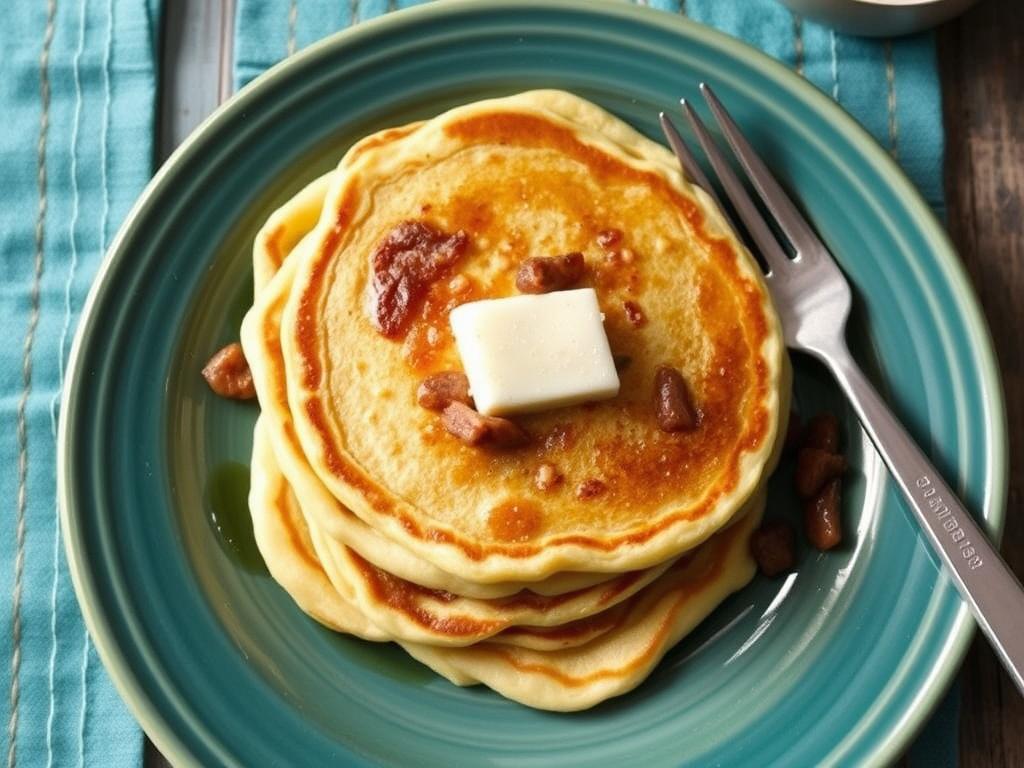
3. Scrunchion-topped toutons (with salty pork bits)
- Ingredients: Dough for toutons, 3–4 oz salted pork or pancetta, diced; butter or oil for frying.
- Method: Fry diced pork until crisp and remove. In the pork fat, fry dough rounds until golden. Top each touton with the crispy pork bits and serve—savory and rich, excellent with molasses to balance the salt.
What to eat with Newfoundland pancakes
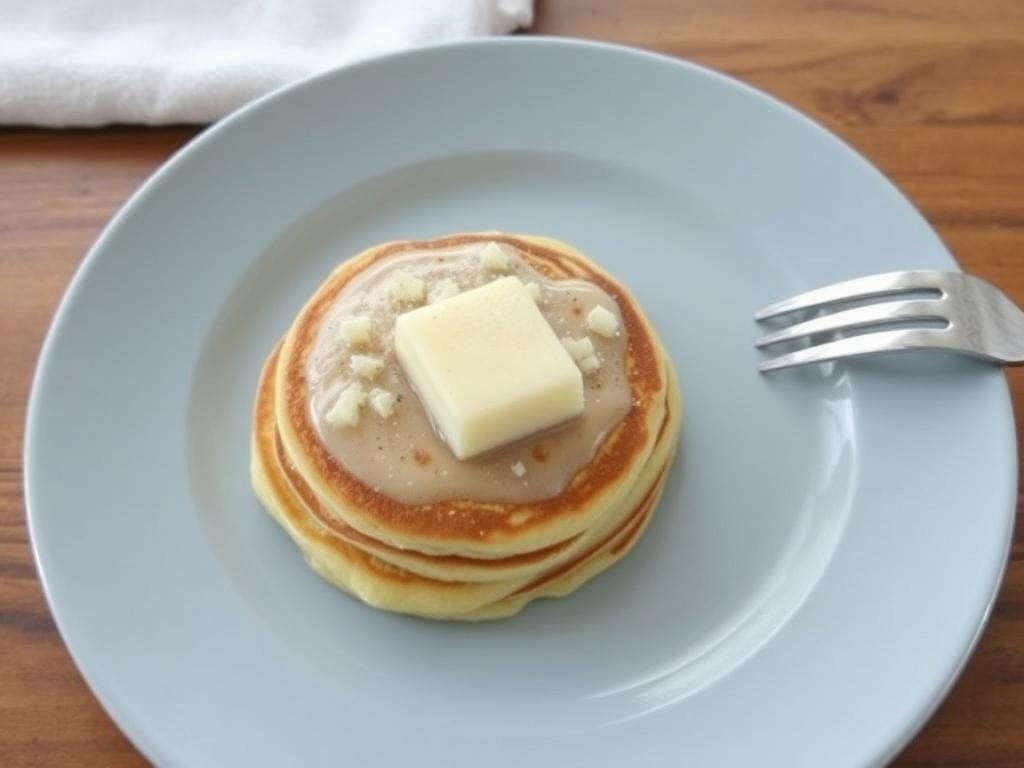
The classic pairing is butter and molasses. Dark molasses cuts through the fat with a deep, slightly bitter sweetness that makes each bite memorable. Other popular options: jam, syrup, or simply sugar and butter. For a savory twist, serve with scrunchions or alongside fried eggs and beans for a full, comforting breakfast. Tea or strong coffee completes the picture as it has for generations of Newfoundland tables.
Final note
Newfoundland pancakes are modest in ingredients but rich in character. Try them once and you’ll see why they stick around in memory and on menus. They’re a reminder that great food doesn’t need to be complicated—just honest, well-cooked, and shared with people who appreciate it.


