
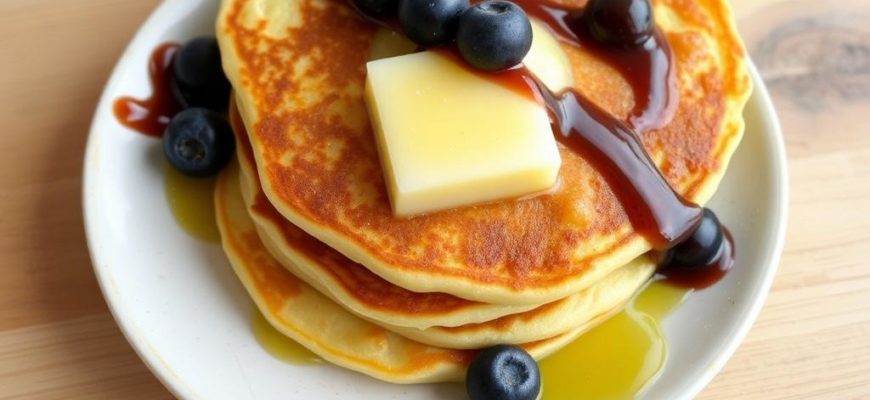
There’s something captivating about a pancake that isn’t just sweet and fluffy but carries a tangy twist that makes your taste buds perk up in surprise. Sour pancakes, with their unique flavor and texture, offer more than just breakfast—they carry history, culture, and a complex taste that’s worth diving into. If you’ve ever wondered why pancakes can sometimes taste a little funky, or why some recipes call for fermented batter, you’re about to unravel a story that’s part science, part tradition, and all about savoring something delightfully different. Let’s peel back the layers of sour pancakes and see what makes them stand out from the usual flapjack crowd.
- What Are Sour Pancakes Really All About
- A Brief Look at the History of Sour Pancakes
- Tracing the Origins: Where Sour Pancakes First Appeared
- Curious Facts About Sour Pancakes You Didn’t Know
- Breaking Down the Nutritional Value of Sour Pancakes
- The Global Appeal: Popularity of Sour Pancakes Around the World
- Three Top Recipes to Make Your Own Sour Pancakes
- 1. Classic Russian Blini
- 2. South Indian Dosa
- 3. Simple Buttermilk Sour Pancakes
- Pairing Ideas: What Goes Perfectly with Sour Pancakes
What Are Sour Pancakes Really All About
When we talk about sour pancakes, we’re referring to those pancakes made with a fermented batter or one that includes acidic ingredients that impart a characteristic tang. Unlike the typical sweet pancake you might slather with maple syrup, sour pancakes often use ingredients like buttermilk, yogurt, or naturally fermented flours. This process creates lactic acid and other compounds that give the pancakes a mild sourness—refreshing, intriguing, and slightly crisp around the edges. It’s a completely different experience from the usual syrupy sweetness, bringing a bit of complexity to a simple dish.
One of the key elements is fermentation, where natural or added bacteria break down sugars in the batter, releasing acids that give flavor and make these pancakes tender and airy. The tang also helps balance richness, especially when sour pancakes accompany savory toppings or fillings. The texture can vary—some are light and fluffy, others closer to crepes but always with a bright and sharp flavor note. Sour pancakes aren’t just a trend; they’re a traditional way to enjoy breakfast or snacks that connects to old culinary practices.
A Brief Look at the History of Sour Pancakes
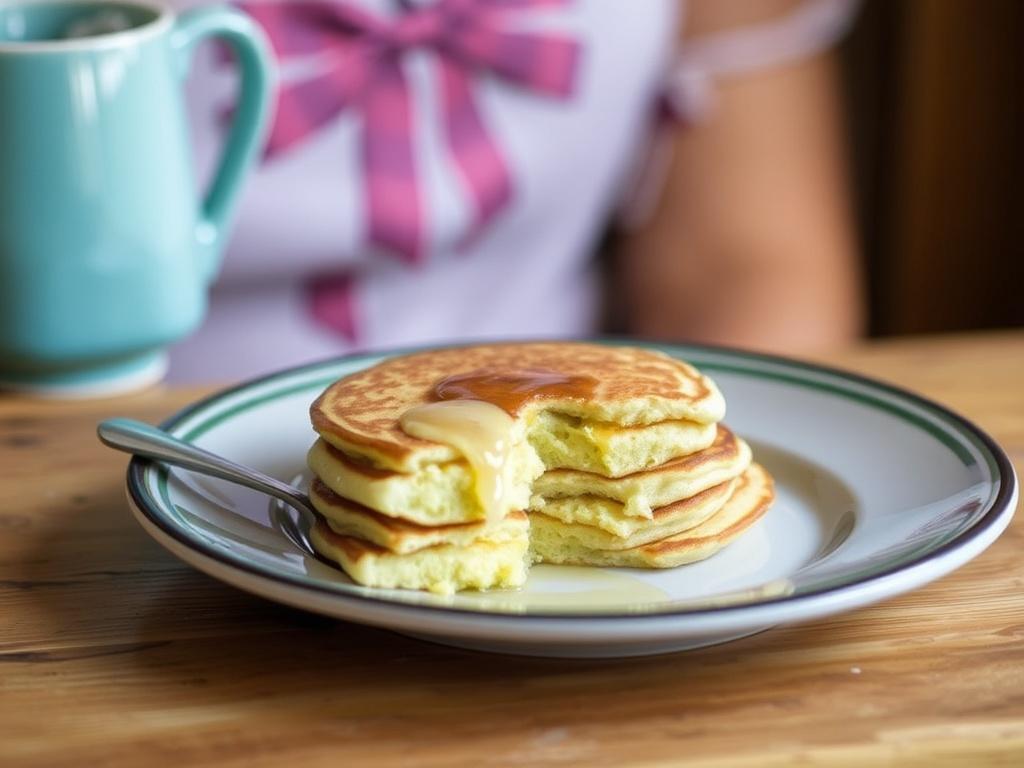
Sour pancakes carry a legacy that stretches back centuries, intertwined with the evolution of fermentation in cooking. The use of fermented batter isn’t limited to one region; many cultures developed their own versions independently. In some cultures, sour pancakes began as a practical solution to extending the life of batter and improving digestibility long before refrigerators or preservatives existed.
Historically, fermentation was a natural process when batter was left to rest for hours, allowing wild yeasts and bacteria to work their magic. This wasn’t just about flavor—it also helped break down gluten and starch, making these pancakes easier to digest, particularly important in times and places where diets were heavy and fats harder to come by. You can trace the concept back to traditional Eastern European blini, Russian sourdough or Scandinavian specialties, each presenting their regional take on the sour pancake idea.
Tracing the Origins: Where Sour Pancakes First Appeared
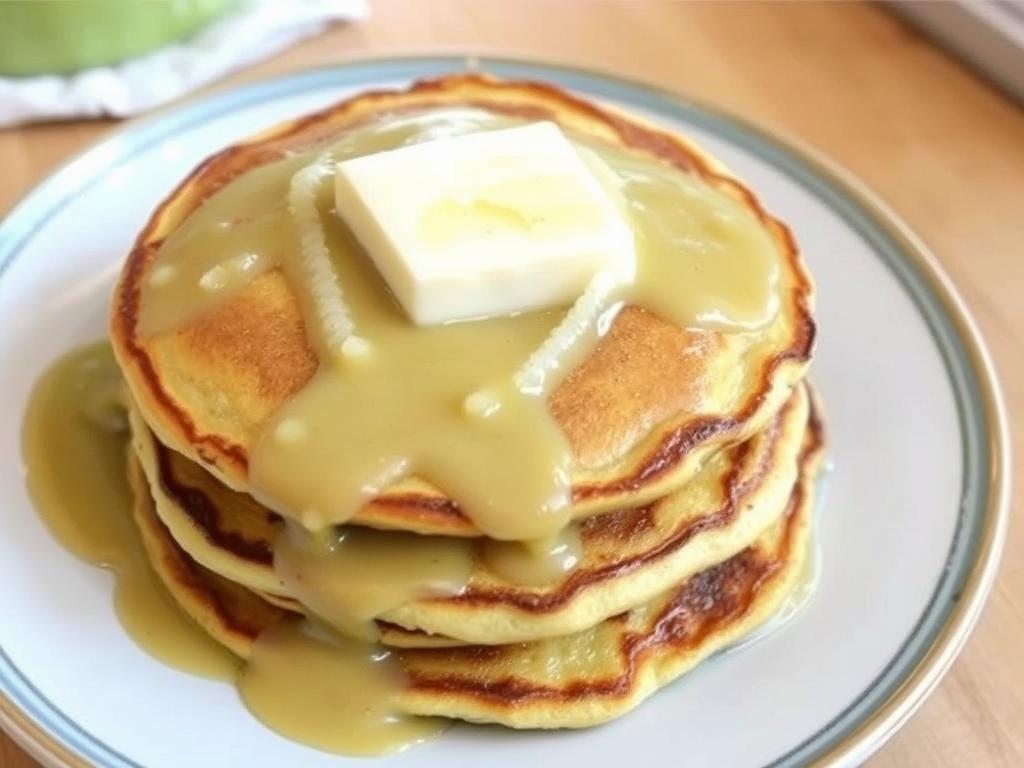
Pinpointing the birth of sour pancakes is tricky, but their roots run deep in Eastern Europe and parts of Asia, where fermenting batter has long traditions. For instance, the Eastern European blini, made with yeasted and sometimes fermented batter, boasts sour notes and a rich cultural symbolism. These pancakes were often linked to festivals and celebrations, showing up on tables as a sign of abundance and warmth.
In India, dosa and uttapam take the principle even further, using fermented rice and lentil batter to create savory pancakes with subtle sourness and a crispy texture. These ancient recipes exemplify how fermentation not only enhances flavor but also preserves the mixture and makes those ingredients more nutritious. So, in a way, sour pancakes belong to many cultures, each adapted for local ingredients and tastes, but all united by that inviting tang.
Curious Facts About Sour Pancakes You Didn’t Know
Sour pancakes carry some surprises that make them even more fascinating:
- Fermentation increases the nutritional availability of certain minerals like zinc and iron, making sour pancakes a bit of a superfood compared to non-fermented versions.
- The sour flavor is a natural preservative, so these pancakes can last longer without losing their charm.
- In some cultures, the batter is fermented for days, even up to a week, developing complex aromas and flavors far beyond everyday pancakes.
- During fermentation, gases like carbon dioxide form, which help rise the batter and create those perfect fluffy textures.
- Some sour pancake varieties are paired with unusual side dishes like pickled vegetables or smoked fish, blending savory and tangy in unique ways.
Breaking Down the Nutritional Value of Sour Pancakes
You might expect sour pancakes to be just delicious but not particularly healthy, but let me share why they can actually be a better choice. Thanks to fermentation, the batter becomes easier to digest—the microbes partially break down starches and proteins, resulting in a pancake that feels lighter on the stomach.
Here’s a quick rundown on their nutritional perks:
| Aspect | Benefit |
|---|---|
| Digestibility | Improved through fermentation, reducing bloating and gas for some people |
| Probiotics | If eaten fresh, some bacteria may still be alive, contributing to gut health |
| Lower Glycemic Index | Fermentation slows starch digestion, leading to steadier blood sugar levels |
| Vitamins | Some B vitamins increase during fermentation |
Of course, the overall healthiness depends on ingredients and toppings, but sour pancakes definitely add an interesting nutritional angle to your meal.
The Global Appeal: Popularity of Sour Pancakes Around the World
Sour pancakes sneak into breakfast tables and snack times globally, shapeshifting to suit local palettes. In Russia and Eastern Europe, blini with sour cream or caviar remain iconic. Across India and South Asia, dosa rules as a fermented pancake staple that kicks off the day or fills the belly any time. Scandinavia offers versions where sourdough batters create hearty, tangy pancakes perfect for cold climates.
Western countries, too, have started to embrace sour pancakes thanks to the growing interest in sourdough and fermentation trends. Chefs experiment with incorporating ancient techniques, and health-conscious eaters appreciate their texture and flavor variety. It’s a quiet resurgence with room to grow as more people discover the charm of sourness in their pancakes.
Three Top Recipes to Make Your Own Sour Pancakes
Ready to try sour pancakes? Here are three recipes that cover different styles and flavors:
1. Classic Russian Blini
- Ingredients: Buckwheat flour, wheat flour, yeast, milk, eggs, a pinch of sugar and salt
- Method: Mix yeast with warm milk, let it foam, then combine with flours and eggs. Leave to ferment for 1-2 hours, then cook small pancakes on a skillet.
- Flavor: Lightly sour, slightly nutty, perfect with sour cream and smoked salmon or jam.
2. South Indian Dosa
- Ingredients: Rice, urad dal (black gram), fenugreek seeds, water, salt
- Method: Soak rice and dal separately, grind finely, mix and ferment overnight (8-12 hours). Pour thin batter on hot griddle, spread thin, cook until golden and crisp.
- Flavor: Tangy, crisp edges, best eaten with chutney and sambar.
3. Simple Buttermilk Sour Pancakes
- Ingredients: Plain flour, buttermilk, baking soda, egg, a pinch of salt
- Method: Combine dry ingredients, whisk egg and buttermilk, mix quickly then cook on a hot pan.
- Flavor: Mildly sour, fluffy, classic American pancake twist with fermented tang.
Pairing Ideas: What Goes Perfectly with Sour Pancakes
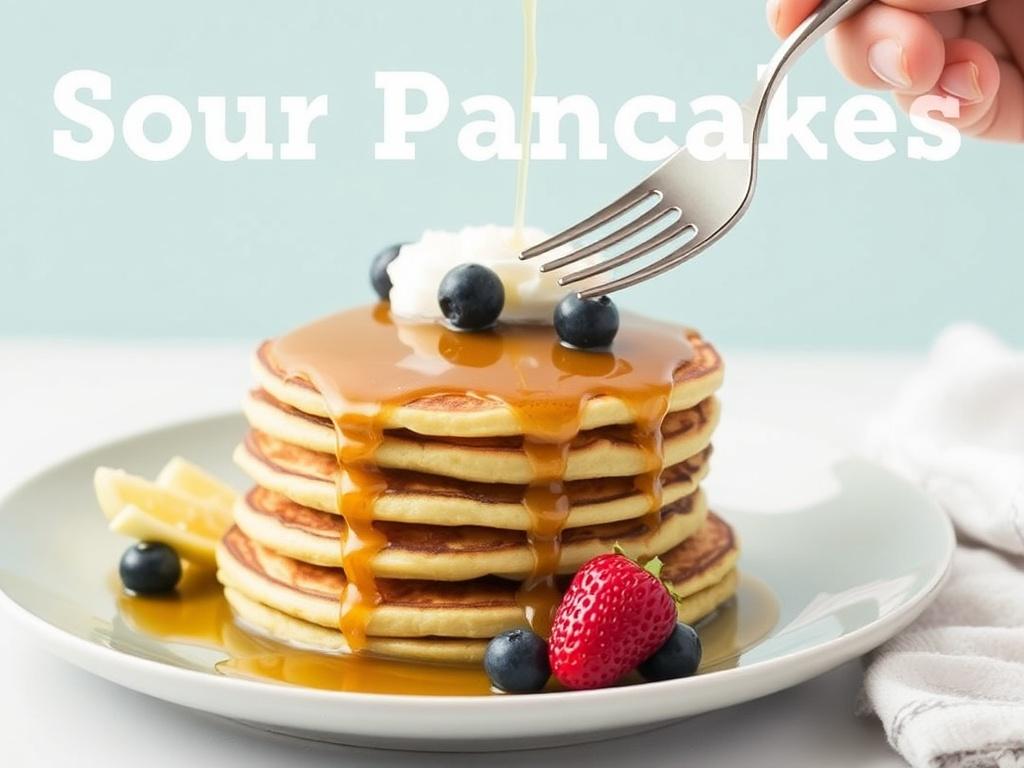
Sour pancakes open doors for a wide variety of accompaniments, both sweet and savory. Because of their tang, they pair beautifully with:
- Fresh berries or fruit compotes that balance sourness with natural sweetness
- Creamy or tangy dairy products—Greek yogurt, sour cream, creme fraiche
- Smoked fish or cured meats for a sophisticated savory experience
- Pickled vegetables, especially with thicker or denser sour pancakes
- Spicy chutneys or salsas that contrast with the mild acidity
Personal favorite? I love my dosa with a scoop of coconut chutney and spicy lentil stew. It’s a flavor combination that sticks with you long after breakfast.
If you’ve never ventured into the world of sour pancakes, they’re a delicious invitation to discover a new side of an old favorite. Tangy, textured, and rich with culinary heritage, sour pancakes prove breakfast doesn’t have to play it safe. Who knew a little sourness could brighten your morning so much?


