
Serbian Pancakes: Little Golden Rounds That Tell a Story
There’s something quietly addictive about a warm, thin pancake folded around jam or cheese, steam rising and flavor unfolding with every bite. If you’ve never tried Serbian pancakes, you’re missing a small, delicious chapter of Balkan cooking that’s equal parts comfort food and tradition. They’re not fussy, they don’t pretend to be haute cuisine, and yet they carry family breakfasts, village fairs and grandmother’s hands folded into one simple, perfect circle. Ready to meet them properly?
- What it is Serbian pancakes
- History Serbian pancakes
- Where it first appeared Serbian pancakes
- Interesting facts about Serbian pancakes
- Nutritional value Serbian pancakes
- Popularity in different countries Serbian pancakes
- 3 best recipes for cooking Serbian pancakes
- 1. Classic Thin Palačinke (basic batter)
- 2. Savory Cheese and Spinach Palačinke
- 3. Walnut and Honey Dessert Palačinke
- What to eat with Serbian pancakes
What it is Serbian pancakes
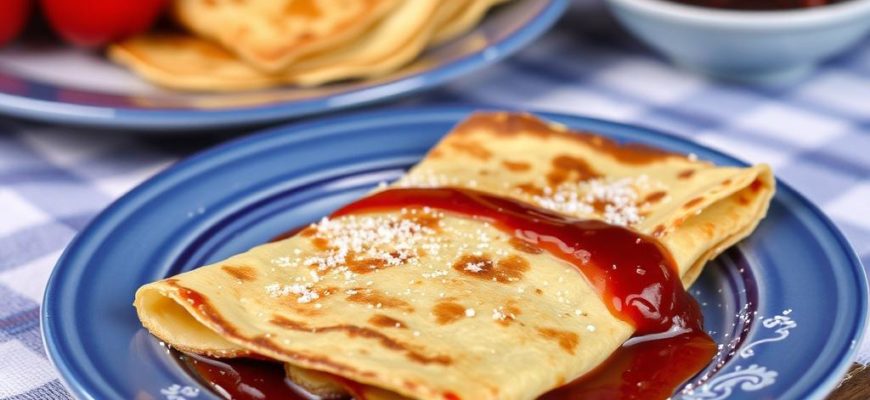
Serbian pancakes, often called palačinke in Serbian, are thin crepe-like pancakes made from a batter of flour, eggs, milk and a bit of oil. Think of them as the Balkan answer to the French crêpe, but with their own rhythm: slightly chewier texture, adaptable thickness, and a personality shaped by the fillings and toppings used. They are rolled or folded, not stacked like American pancakes, and appear at breakfasts, street stalls, family gatherings and festive tables. Sweet versions with chocolate, jam or walnuts are common, but there’s an equally beloved savory tradition with cheeses, ham or even ajvar.
History Serbian pancakes
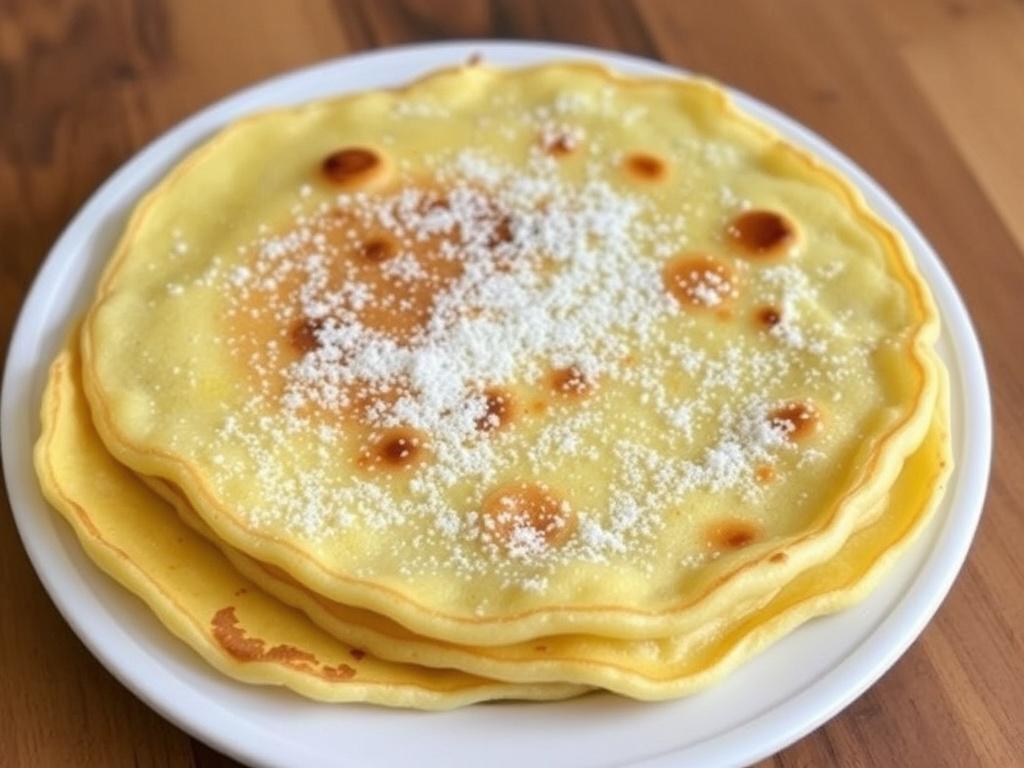
The history of Serbian pancakes traces back through regional exchanges across Central and Southeastern Europe. Thin pancakes have existed in many forms for centuries; in the Balkans, palačinke became part of daily life as ingredients like wheat, eggs and milk were widely available. Over time Serbian households developed their own preferences—some prefer thinner, almost translucent pancakes; others like a sturdier wrap for heavy fillings. The Ottoman influence, Austro-Hungarian trade and neighboring culinary practices all nudged the dish in small ways, but the essence stayed local: cheap, quick to make and endlessly customizable.
Where it first appeared Serbian pancakes
Pinpointing the exact birthplace of Serbian pancakes is tricky because similar thin pancakes appear across the region. What we can say is that palačinke became mainstream in Serbia during the 19th and early 20th centuries, as wheat flour and dairy were staples in rural households. Urban cafes and bakeries later refined techniques and popularized sweet variations. In short, Serbian pancakes didn’t arrive from a single moment or place; they evolved in kitchens across the country and settled into the national culinary identity.
Interesting facts about Serbian pancakes
– Palačinke are commonly served rolled with filling facing inward, making them portable and neat to eat.
– A classic children’s favorite is Nutella-style chocolate spread combined with crushed nuts—simple and irresistible.
– In some Serbian towns, pancake contests and fairs celebrate the skill of flipping and filling, turning a humble food into local sport.
– Savory palačinke are sometimes used to make layered casseroles, similar to lasagna but lighter and quicker.
– They make an appearance at both modest family breakfasts and at celebrations, proving their cultural versatility.
Nutritional value Serbian pancakes
Here’s a straightforward look at approximate nutrition for one medium plain Serbian pancake (about 60–70 g), before any fillings or toppings:
| Nutrient | Amount (approx.) |
|---|---|
| Calories | 120 kcal |
| Carbohydrates | 18–20 g |
| Protein | 4–5 g |
| Fat | 3–5 g |
| Fiber | 0.5–1 g |
Additions change the numbers fast: a scoop of jam or a smear of chocolate spread increases sugars and calories; a filling of cottage cheese and smoked ham ups the protein and sodium. For lighter versions, use milk alternatives, reduce oil and choose fruit-based toppings.
Popularity in different countries Serbian pancakes
Within the Balkans, Serbian pancakes are a household staple and share cousins in Croatia, Bosnia, Slovenia and beyond. In Hungary they have palacsinta, in Romania clătite—similar but regionally distinct. As people migrated, palačinke traveled with them, appearing in Serbian restaurants and diaspora kitchens across Europe, Australia and North America. Outside the Balkans they’re often labeled simply as “crepes,” but when Serbian cooks serve them, fillings and accompaniments reflect home-grown tastes: kajmak (creamy cheese), crushed walnuts with honey, or thick fruit preserves.
3 best recipes for cooking Serbian pancakes
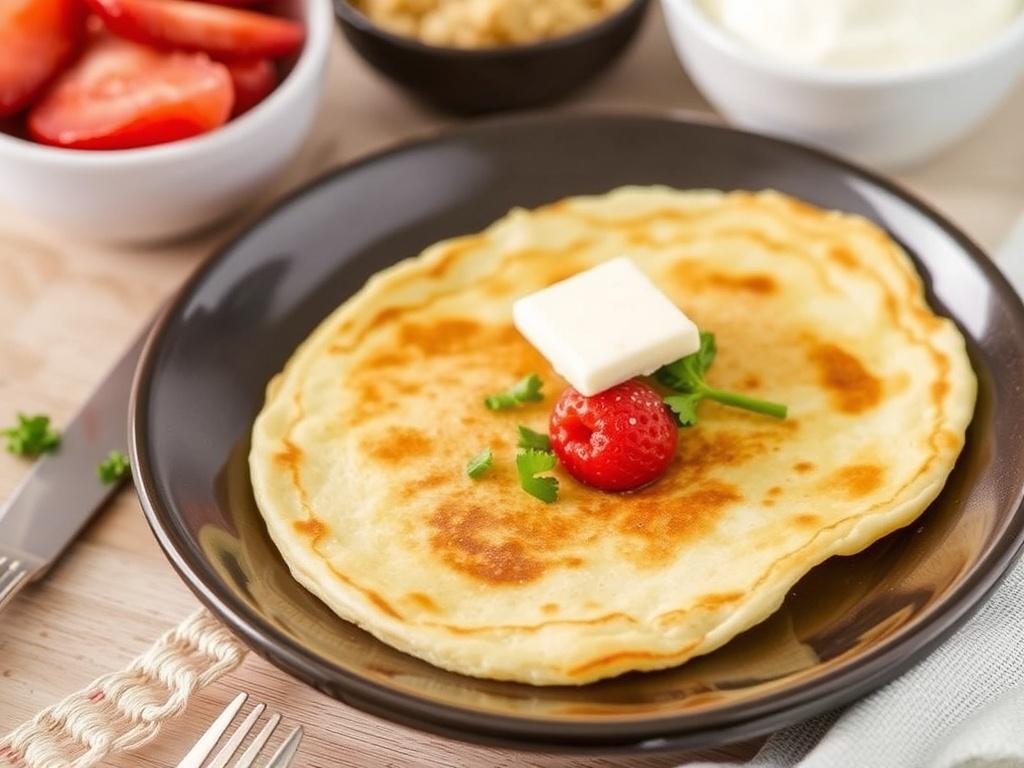
Below are three well-loved recipes covering sweet, savory and festive.
1. Classic Thin Palačinke (basic batter)
- Ingredients: 2 eggs, 250 ml milk, 125 g all-purpose flour, pinch of salt, 1 tbsp vegetable oil.
- Method: Whisk eggs and milk, add flour and salt, whisk until smooth. Stir in oil. Let rest 15 minutes. Heat a small non-stick pan, grease lightly, pour a ladle to coat bottom, swirl to spread. Cook 1–2 minutes per side. Stack with parchment between to keep soft.
2. Savory Cheese and Spinach Palačinke
- Ingredients: Basic batter above, 200 g spinach (sautéed and drained), 250 g cottage cheese or ricotta, salt, pepper, nutmeg.
- Method: Mix spinach with cheese and seasoning. Spoon onto each pancake, roll, place in oven dish, top with a bechamel or grated cheese, bake 10–12 minutes until golden.
3. Walnut and Honey Dessert Palačinke
- Ingredients: Basic batter, 150 g ground walnuts, 3–4 tbsp sugar, honey to serve, optional cinnamon.
- Method: Mix walnuts with sugar and cinnamon. Spread a thin layer on each pancake, roll, drizzle with warm honey. Serve with a dollop of yogurt or whipped cream.
What to eat with Serbian pancakes
Serbian pancakes are a blank canvas. For sweet lovers: jams, chocolate spreads, Nutella, crushed walnuts, powdered sugar, honey or seasonal fruit keep things simple and satisfying. For savory pairings: kajmak or feta-style cheese, smoked ham, sautéed mushrooms, or ajvar add depth and a touch of smokiness. If you’re hosting, set up a small “pancake bar” with bowls of fillings and let people assemble their own—this is how you turn a meal into an experience. For drinks, black coffee or yogurt-based drinks are traditional, but tea and fruit juices work just as well.
Final tip: practice makes perfect. The first few pancakes might stick or overcook, but once you find the right pan temperature and batter consistency, making Serbian pancakes becomes a quick ritual that’s oddly calming. Try one plain right away, then experiment. You’ll see why these little rounds have been quietly loved for generations.


