
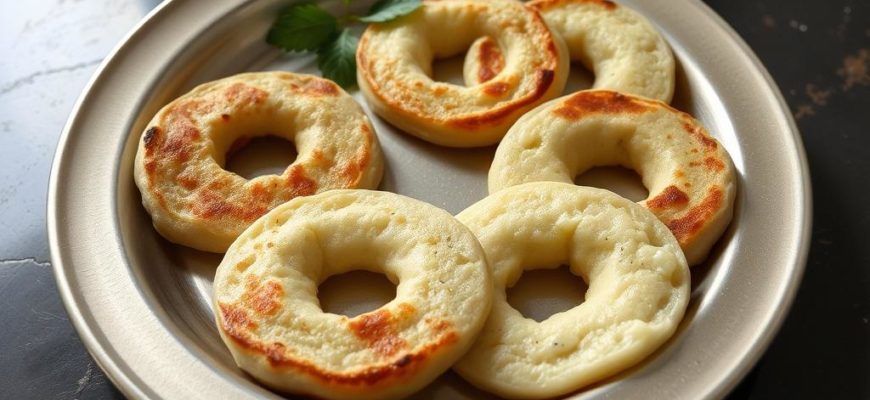
There’s a smell that, once you’ve noticed it, sticks in your memory: warm rice batter sizzling in oil, a sweet hint of cardamom in the air, something ring-shaped turning golden brown. That’s sel roti, but imagine it softer, flatter, pancake-like — a little easier to eat with a fork, still full of that comforting, festival-time flavor. If you love discovering dishes that carry stories in every bite, stick around. I’ll walk you through what Nepalese Sel roti pancakes are, where they come from, why people love them, how to cook them three different ways, and what to serve alongside to make a proper meal out of them.
- What Nepalese Sel roti pancakes Are and How They Taste
- Origins and the Story Behind Nepalese Sel roti pancakes
- Where Nepalese Sel roti pancakes First Appeared
- Little-Known Facts About Nepalese Sel roti pancakes
- Nutritional value of Nepalese Sel roti pancakes
- How Nepalese Sel roti pancakes Spread Their Flavor Across Countries
- Three Tried-and-True Recipes for Nepalese Sel roti pancakes
- 1. Classic Rice-Flour Sel Roti Pancakes
- 2. Quick Banana-Cardamom Sel Roti Pancakes
- 3. Traditional-Style Shallow-Fried Sel Roti Pancakes
- What to Eat with Nepalese Sel roti pancakes
What Nepalese Sel roti pancakes Are and How They Taste
Sel roti is a traditional Nepali treat, usually ring-shaped and deep-fried from a rice batter. Nepalese Sel roti pancakes are a friendly, pancake-style twist on that tradition. Instead of the classic donut-like ring, the batter is cooked like a pancake on a skillet or shallow fried to a flat disc. Texture sits between soft and slightly chewy, with a crisp edge if you cook them hot enough. Flavor-wise they’re gently sweet, often perfumed with cardamom, and sometimes lifted with mashed banana or milk. People eat them for breakfast, as snacks, or during festivals, where the smell alone can feel like home.
Origins and the Story Behind Nepalese Sel roti pancakes
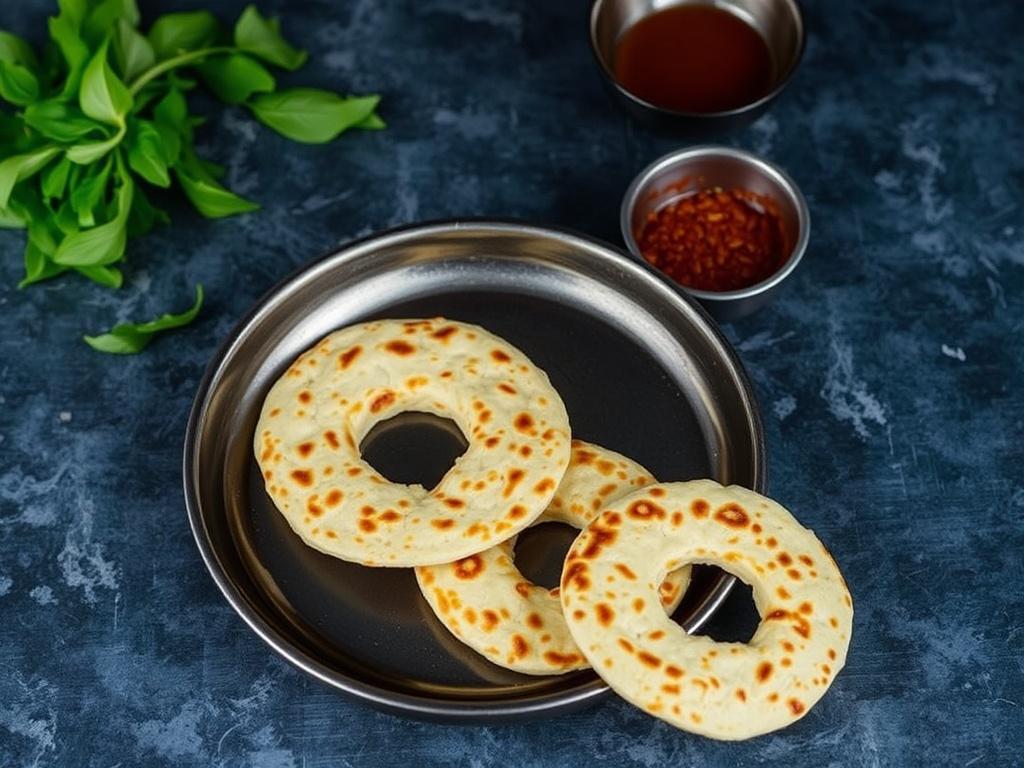
Sel roti’s roots are in Nepal, where it’s woven into seasonal rituals. Families make batches during Dashain and Tihar, sharing them with neighbors and offering them at temples. The pancake adaptation isn’t a formal historical dish, but rather a natural evolution: cooks who wanted the taste of sel roti without deep-frying or shaping rings developed a skillet version. You’ll find both versions in Nepali kitchens today — the classic for ceremonies, and the pancake form for everyday convenience.
Where Nepalese Sel roti pancakes First Appeared
The original sel roti first appeared in the Himalayan region, created by communities that relied on rice as a staple. As Nepali families moved, either within Nepal or abroad, they adapted their recipes to available equipment and time. The pancake-style Nepalese Sel roti pancakes likely began in home kitchens where people wanted that familiar flavor with faster cooking and less oil. Today you’ll find them across Nepal, in Nepali neighborhoods in India, Bhutan, and in Nepali restaurants and homes around the world.
Little-Known Facts About Nepalese Sel roti pancakes
– Sel roti is traditionally made from soaked rice ground into a batter, not wheat flour. The pancake versions often use rice flour for speed.
– They’re more than food — sel roti often accompanies offerings and symbolic feasts.
– Making sel roti can be a social ritual: family members take turns shaping rings or tending the oil. Pancake versions keep that feeling alive with quicker, shared cooking.
– You can find sel roti sold at Nepali food stalls and markets, but the fresh, warm ones from a home kitchen are the ones people rave about.
Nutritional value of Nepalese Sel roti pancakes
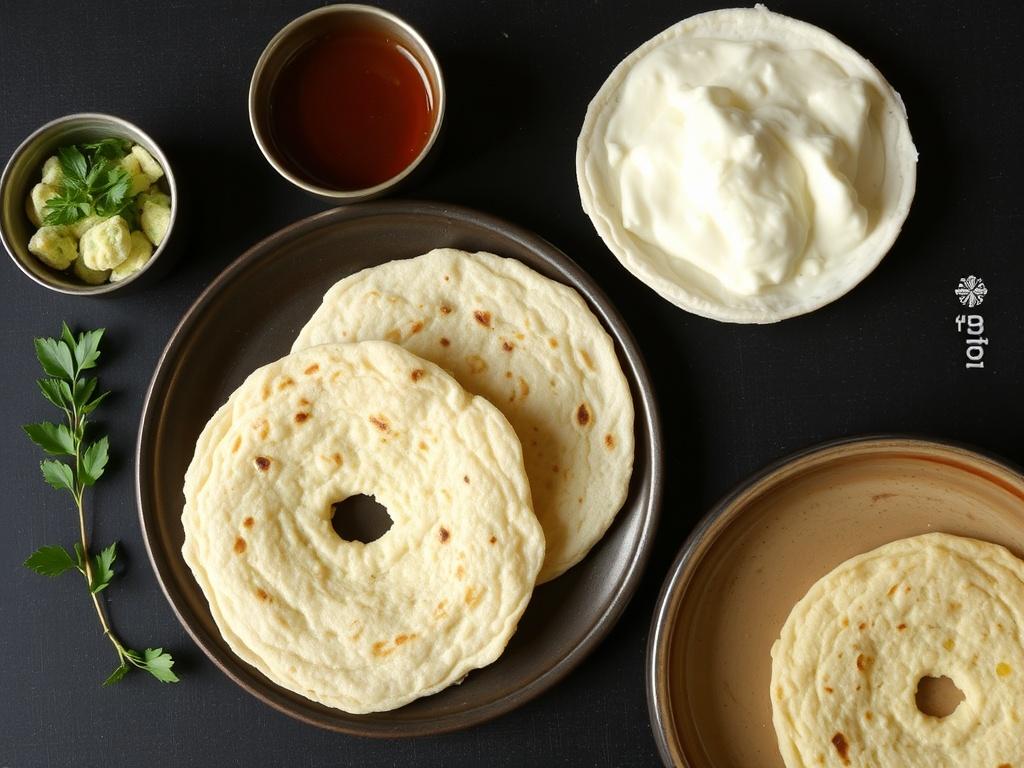
Here’s a simple, approximate breakdown per 100 g serving for a typical pan-cooked sel roti pancake made from rice flour, sugar, milk, and a little oil.
| Nutrient | Approx. Amount per 100 g |
|---|---|
| Calories | 300 kcal |
| Carbohydrates | 55–60 g |
| Fat | 6–10 g |
| Protein | 4–6 g |
| Fiber | 1–2 g |
These are estimates. Deep-fried traditional sel roti will be higher in fat and calories. You can reduce calories by pan-cooking with minimal oil or using a nonstick surface and by cutting back on sugar.
How Nepalese Sel roti pancakes Spread Their Flavor Across Countries
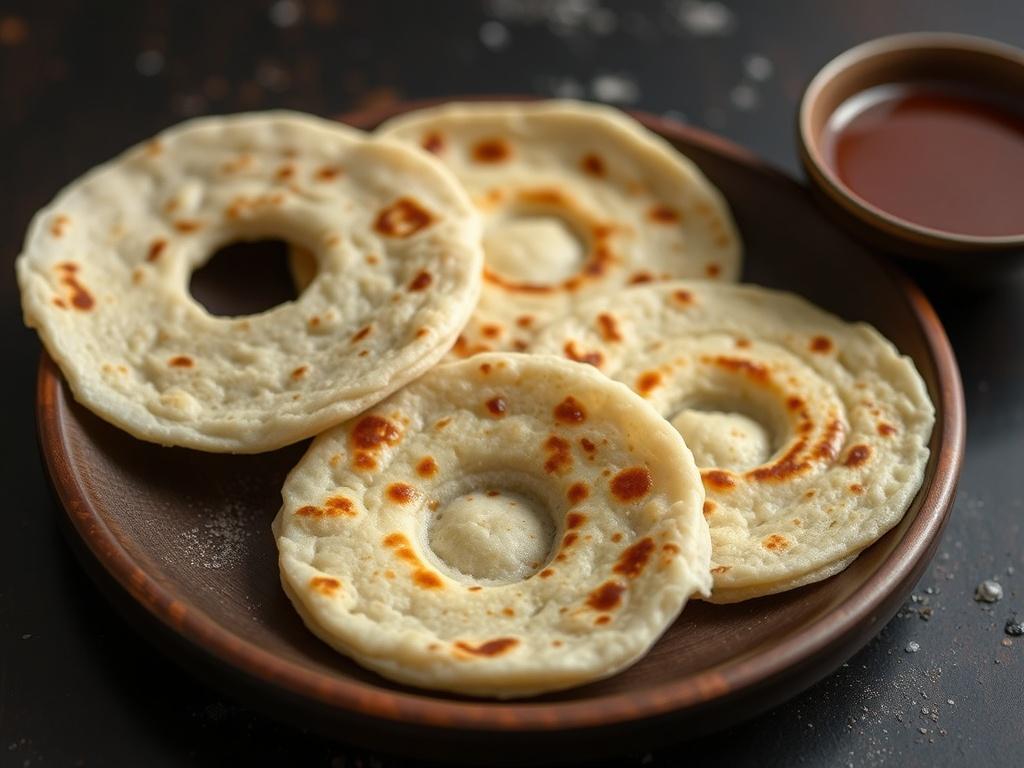
Nepalese Sel roti pancakes travel with people. In Nepali communities in India — especially Sikkim and Darjeeling — you’ll find them at festivals and local bakeries. Bhutan and parts of Myanmar with Nepali populations also recognize them. Abroad, Nepali restaurants and diaspora cooks have introduced these pancakes to the UK, US, Australia, and the Middle East. Often they’re adapted to local tastes: some versions add spices, others fold in mashed fruits like banana or grated coconut.
Three Tried-and-True Recipes for Nepalese Sel roti pancakes
1. Classic Rice-Flour Sel Roti Pancakes
- Ingredients: 2 cups rice flour, 1/3 cup sugar, 1 cup milk (adjust), 1/4 tsp ground cardamom, pinch of salt, 1 tbsp ghee or oil for cooking.
- Method: Whisk rice flour, sugar, cardamom, and salt. Add milk gradually until you get a thick but pourable batter. Heat a nonstick skillet lightly greased with ghee. Spoon batter into the pan and spread slightly. Cook until bubbles form and edges firm, flip and cook until golden. Serve warm.
2. Quick Banana-Cardamom Sel Roti Pancakes
- Ingredients: 1 cup rice flour, 1 ripe banana mashed, 2 tbsp sugar, 1/2 cup milk, 1/4 tsp cardamom, oil for pan.
- Method: Mix all to a smooth batter. Banana adds moisture and sweetness so you can reduce sugar. Cook like regular pancakes. These are softer and a touch denser, great for brunch.
3. Traditional-Style Shallow-Fried Sel Roti Pancakes
- Ingredients: 2 cups soaked, ground rice (or rice flour), 1/2 cup sugar, 1 cup yogurt or milk, 1/4 tsp yeast (optional for lightness), pinch salt, oil for shallow frying.
- Method: If using soaked ground rice, blend to fine batter. Mix with sugar and yogurt, let rest 30–60 minutes if you used yeast. Heat a wide pan with a thin layer of oil. Pour ladlefuls to form discs, cook until brown on both sides, turning carefully. These hold closer to the original sel roti texture.
What to Eat with Nepalese Sel roti pancakes
Sel roti pancakes are versatile. Here are pairing ideas that make a full meal or a comforting snack:
- Hot milk tea or black tea for breakfast
- Plain yogurt or spiced yogurt dip to soften the texture
- Achar (Nepali pickles) — mango or spicy vegetable — for contrast
- Potato curry or lentil dal to turn it into a savory meal
- Honey or ghee for a simple sweet finish
If you want a real Nepali touch, serve these at family gatherings or festivals alongside other traditional items. They’re easy to scale up, and the pancake style makes them approachable for people who haven’t tried sel roti before.
Wrap-up: Nepalese Sel roti pancakes bring the heart of Nepali home cooking to a pan on your stove. They’re simple, adaptable, and comforting, with subtle sweetness and a texture that invites second helpings. Try the classic batter, play with bananas or spices, and pair them with tea or a tangy achar — you’ll soon understand why this dish endures.


