

If you’ve ever encountered the world of Eastern European cuisine, chances are you’ve stumbled upon Draniki pancakes. These golden, crispy delights aren’t just ordinary potato pancakes—they carry stories, traditions, and flavors woven into every bite. Whether you’re craving a comforting meal or a new culinary adventure, Draniki pancakes have a charm that pulls you in close, inviting you to learn about their unique taste and history. So, what exactly are Draniki pancakes, and why do they keep showing up on plates from Minsk to far beyond? Let’s dive into everything you should know about these beloved treats and maybe even get your kitchen smelling like a cozy Belarusian home.
- What Are Draniki Pancakes
- The Story Behind Draniki Pancakes
- Tracing Their Origins: Where Draniki First Appeared
- Some Surprising Facts About Draniki Pancakes
- Breaking Down Draniki Pancakes Nutritional Value
- How Draniki Pancakes Found Fans Around the World
- Three Tried-and-True Recipes to Experience Draniki Pancakes at Home
- Classic Belarusian Draniki
- Garlic & Herb Infused Draniki
- Draniki with Cheese Twist
- Pairing Draniki Pancakes: What to Eat With Them
What Are Draniki Pancakes
To put it simply, Draniki pancakes are thin, crispy potato pancakes made primarily from grated potatoes. But don’t let the simplicity fool you; their texture is a beautiful contrast—crispy on the edges and tender inside. Unlike some potato pancakes that can be heavy or doughy, Draniki achieve a delicate balance thanks to a few key ingredients: potatoes, onions, eggs, flour, salt, and pepper. Sometimes a touch of garlic or herbs sneaks in, adding a subtle warm aroma. When cooked in a hot pan with oil until golden brown, their smell alone is enough to make your mouth water.
In essence, Draniki pancakes are comfort food at its purest, often served with a dollop of sour cream, mushroom sauce, or even meat stews. Their simplicity pairs well with a wide range of savory accompaniments.
The Story Behind Draniki Pancakes
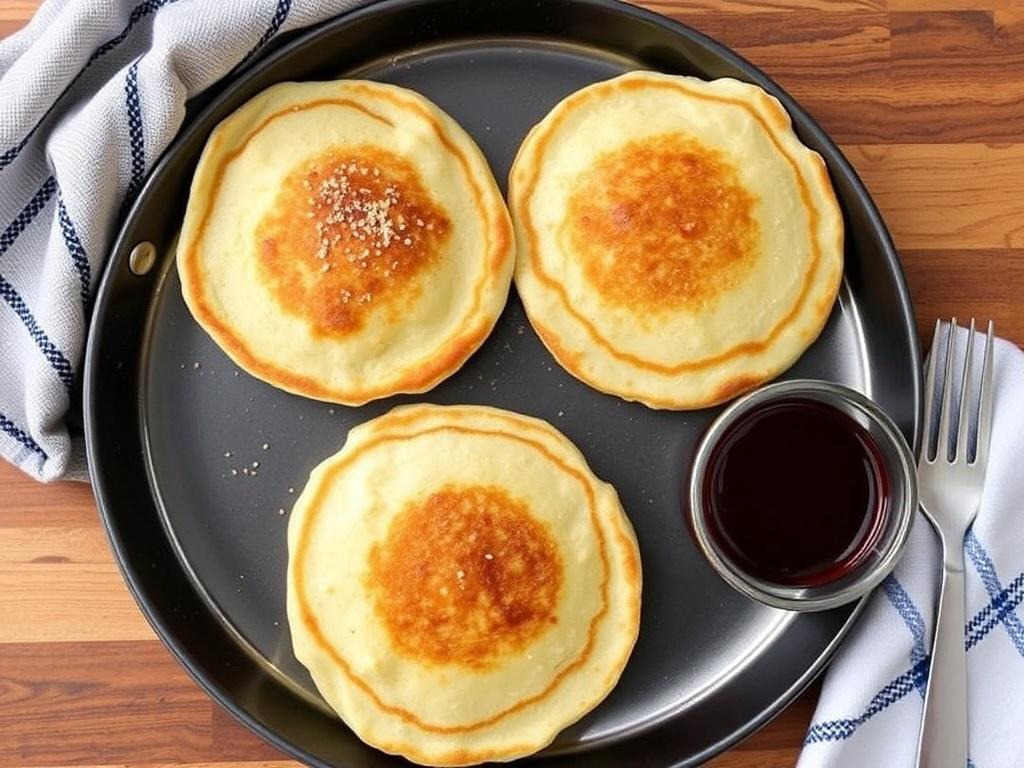
Draniki pancakes come with a history as layered as the crispy stacks themselves. Originating in Belarus, where potatoes play a starring role in the national diet, these pancakes have been a staple for centuries, stretching back to rural traditions. Back when winters were long and harvests crucial, Draniki pancakes provided a hearty and affordable meal for everyone.
Think of them as the ultimate winter comfort: filling, warm, and made of ingredients that were easy to grow or keep through harsh seasons. The recipe was simple but versatile, so families adapted it with whatever they had at hand. Over time, Draniki pancakes became emblematic of Belarusian identity, showing up at holidays, family dinners, and even street stalls.
Tracing Their Origins: Where Draniki First Appeared
While Draniki pancakes are closely linked to Belarus, their roots extend into neighboring countries with similar culinary traditions. They first appeared in the Eastern European region, where cold climates and agricultural life fostered potato cultivation. Belarus, often called the “potato country,” naturally embraced the vegetable in many forms, Draniki being the most cherished.
It’s important to note that while versions of potato pancakes exist in Poland, Russia, Lithuania, and Ukraine, Draniki’s defining characteristics—a simple recipe, particular texture, and traditional accompaniments—make them uniquely Belarusian. The name “Draniki” itself comes from the Belarusian and Russian word “drat’” meaning “to grate,” which perfectly hints at the method used to prepare the potatoes.
Some Surprising Facts About Draniki Pancakes

Despite their everyday nature, Draniki pancakes have some interesting tales and quirks attached:
- Draniki was once considered such a staple in Belarus that the country hosts annual festivals celebrating this humble dish.
- The texture depends heavily on how much liquid the potatoes release—pressing out the excess is critical to get that coveted crispiness.
- Some variations replace potatoes partially with vegetables like zucchini or carrots for a fresh twist.
- In Belarus, it’s common to eat Draniki pancakes with a variety of toppings, but sour cream remains the unquestioned classic.
Breaking Down Draniki Pancakes Nutritional Value
If you’re wondering whether these crispy cakes are just empty calories, here’s a clear picture. Draniki pancakes, made from potatoes and a few other simple ingredients, offer a modest nutritional profile:
| Component | Per 100g |
|---|---|
| Calories | 150-180 kcal |
| Carbohydrates | 25-30 g |
| Protein | 3-5 g |
| Fat | 5-7 g (depending on oil used) |
| Fiber | 2-3 g |
Thanks to their carb content, Draniki pancakes provide quick energy, while modest protein and fiber content help with satiety. Using healthier oils and pairing them with vegetables or lean proteins can make them even more balanced.
How Draniki Pancakes Found Fans Around the World

Though rooted in Belarus, Draniki pancakes didn’t stay confined there. Immigrants carried this delicious tradition to North America and parts of Europe, where local hands tweaked recipes while keeping the spirit intact. Today, you’ll find Draniki on menus of Slavic restaurants globally—and even in home kitchens where people hunt for authentic Eastern European comfort food.
In places like Canada and the U.S., Draniki are sometimes compared to the Jewish latkes, another beloved potato pancake, but Draniki’s Belarusian twist gives it a distinct identity. The love for these pancakes often sparks curiosity about their history and cultural significance, leading to a broader appreciation of Belarusian cuisine.
Three Tried-and-True Recipes to Experience Draniki Pancakes at Home
Ready to give Draniki pancakes a try? Here are three classic recipes with slight variations, each promising crispy, golden results.
Classic Belarusian Draniki
- 4 large potatoes, peeled and grated
- 1 medium onion, grated
- 1 egg
- 2 tbsp flour
- Salt and pepper to taste
- Vegetable oil for frying
Mix grated potatoes and onion. Squeeze out liquid thoroughly. Add egg, flour, salt, and pepper. Fry spoonfuls in hot oil until crisp and golden on both sides.
Garlic & Herb Infused Draniki
- Everything from the classic recipe
- 2 cloves garlic, minced
- Fresh dill or parsley, chopped
Add garlic and herbs to the mix before frying. This adds a fresh aroma and a hint of zest.
Draniki with Cheese Twist
- Follow the classic recipe
- Sprinkle grated cheddar or farmer’s cheese on each pancake before flipping
The melted cheese creates gooey pockets inside the crunchy cake—a showstopper for cheese lovers.
Pairing Draniki Pancakes: What to Eat With Them
Draniki pancakes don’t like to stay solo for long—they come alive with the right sides. Sour cream is the staple, mellowing the crispy edges with its creamy tang. Mushroom or creamy dill sauces add earthiness. For something heartier, homemade meat stews or fried bacon bits work wonders.
Vegetable toppings like sautéed cabbage or beetroot also complement Draniki, giving bright flavors and healthy contrast. In some homes, applesauce or jams offer a surprising but delicious sweet contrast. Honestly, the best pairing is the one you crave most, making this dish endlessly adaptable.
Draniki pancakes are a beautiful blend of humble ingredients, rich history, and versatile flavors. Whether you choose to enjoy them as a simple snack, a side dish, or a centerpiece, they invite you to savor a taste of Eastern Europe that has delighted generations. Dive in and let your kitchen embrace a little crispy magic today.


