

They look like little golden moons you can pop in your mouth — light, puffy, and often hiding a surprise inside. Danish ebelskiver pancakes are the kind of food that turns a chilly morning into a small celebration, and once you learn how they’re made and why they matter, you’ll want a pan and some batter on standby. Read on and you’ll discover what makes them different from ordinary pancakes, a few stories about their past, easy ways to cook them at home, and the best accompaniments to turn a batch into a memorable meal.
- What Danish Ebelskiver pancakes actually are and why they feel special
- A brief history of Danish Ebelskiver pancakes
- Where they first appeared and how they spread
- Interesting facts about Danish Ebelskiver pancakes
- Nutritional value of Danish Ebelskiver pancakes
- How popular Danish Ebelskiver pancakes are in different countries
- Three best recipes for cooking Danish Ebelskiver pancakes
- Classic Apple-Filled Ebelskiver
- Jam-Filled Ebelskiver
- Savory Cheese and Herb Ebelskiver
- What to eat with Danish Ebelskiver pancakes
What Danish Ebelskiver pancakes actually are and why they feel special
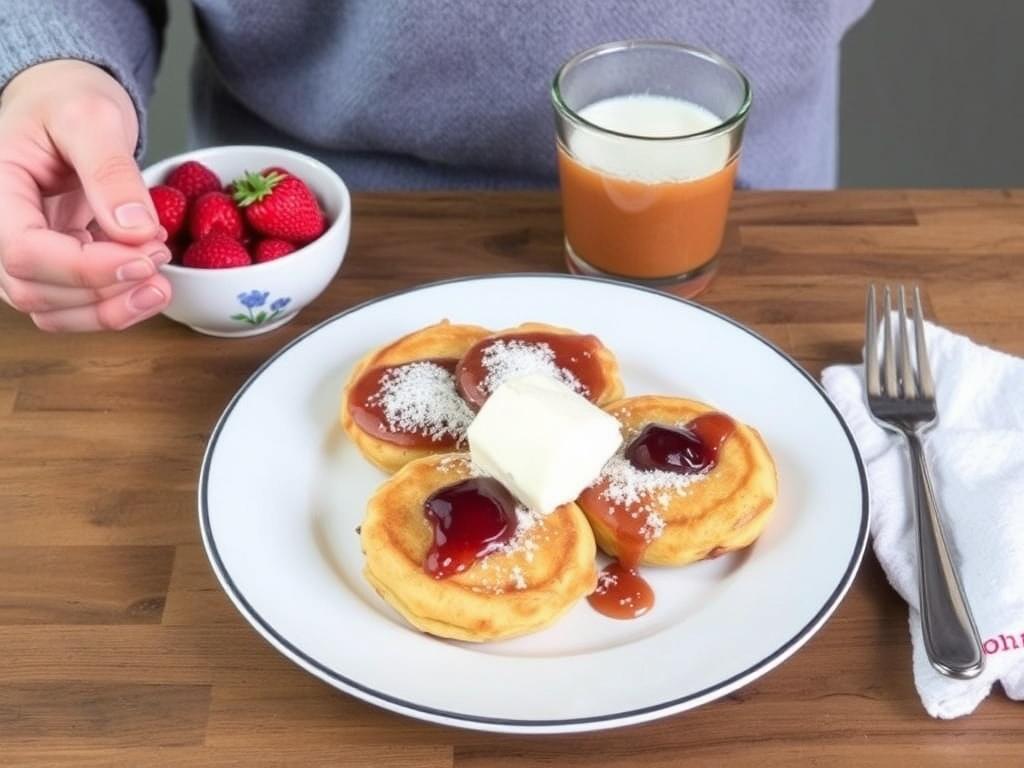
Ebelskiver are small, round Danish pancakes traditionally cooked in a specialized cast-iron or nonstick pan with half-sphere wells. The batter is fairly similar to American pancake batter — flour, eggs, milk or buttermilk, a bit of sugar and fat — but the cooking method creates a light, almost hollow interior and a crisp, caramelized exterior. You often find them filled with jam, a cube of apple, or chocolate during cooking; the result is a warm pocket of flavor, perfect for popping into your mouth whole. They’re easy to eat, shareable, and best enjoyed hot, so they naturally turn breakfast into a social ritual.
A brief history of Danish Ebelskiver pancakes
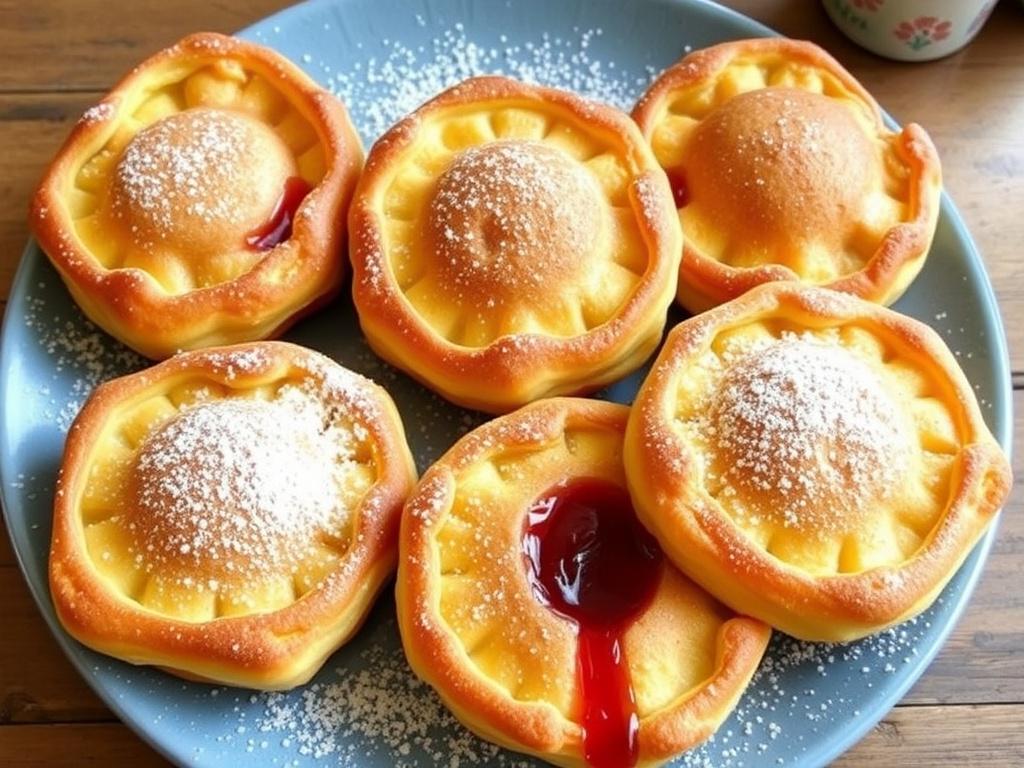
The name æbleskiver (often spelled ebelskiver) literally means “apple slices” in Danish, a nod to the original fillings — thin slices or small pieces of apple. Over time fillings and techniques diversified, but the round shape stuck. Traditionally they were made for holiday gatherings, especially around Christmas and New Year, where families turned the pan to create dozens of tiny cakes for guests. Think of them as comfort food with a long-standing place in Danish home kitchens: simple ingredients, communal cooking, and a warm, festive atmosphere.
Where they first appeared and how they spread
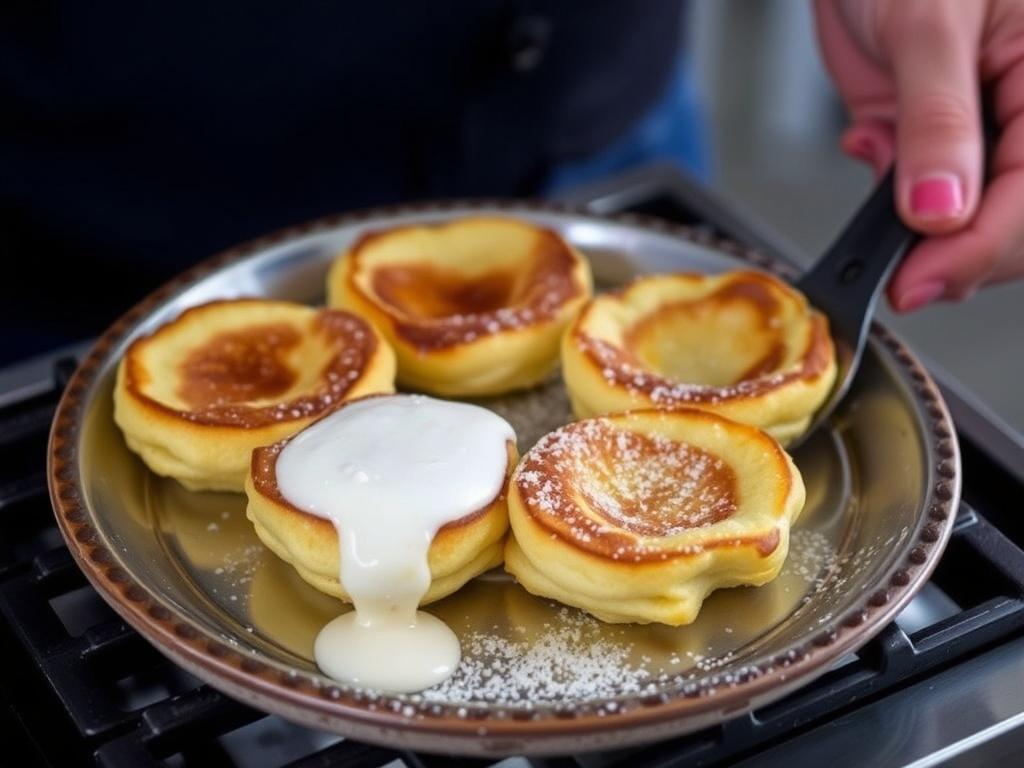
Ebelskiver originated in Denmark and spread across Scandinavia, becoming a staple at fairs and family celebrations. As Danes emigrated, they brought the pan and the recipe with them, introducing the treat to communities in North America and beyond. Today you’ll see ebelskiver at Scandinavian bakeries, Christmas markets, and in the kitchens of home cooks who love the theatrical, hands-on way they’re prepared. If you ever visit an outdoor market in winter in northern Europe, you’re likely to see a cast-iron pan sizzling away, and a queue of people waiting with mugs in hand.
Interesting facts about Danish Ebelskiver pancakes
– The traditional name references apples, but modern versions often use jam, chocolate, or savory fillings.
– The unique texture — crisp outside, airy inside — comes from turning the batter in its pan to ensure even cooking and form a spherical shape.
– There’s a special utensil, a thin skewer or knitting needle, commonly used to turn the ebelskiver mid-cook.
– In Denmark they’re tied to festive rituals; in other places they’ve evolved into brunch favorites and café items.
Nutritional value of Danish Ebelskiver pancakes
Nutritional content varies a lot depending on ingredients and fillings. A plain ebelskiver made from standard batter is primarily carbohydrates and fat, with some protein from eggs and milk. Adding jam or chocolate increases sugar and calories; adding savory fillings like cheese raises fat and protein. If you want rough guidance: a single small ebelskiver commonly ranges from 70 to 130 calories. Use whole-grain flour, reduce sugar, or serve with fruit and yogurt to keep portions lighter.
How popular Danish Ebelskiver pancakes are in different countries
In Denmark and nearby Scandinavian countries, they remain a beloved tradition. In the United States and Canada, ebelskiver gained traction via Scandinavian immigrant communities and specialty bakeries, and now appear at brunch spots and Christmas fairs. Their shareable, interactive nature helps them travel well — people love the novelty of the round shape and the variety of fillings. In other parts of Europe and Asia their presence is more niche but growing in cafés that focus on international pastries.
Three best recipes for cooking Danish Ebelskiver pancakes
Below are three reliable approaches: classic apple-filled, jam-filled, and savory cheese-and-herb.
Classic Apple-Filled Ebelskiver
- Ingredients: 1 cup flour, 1 tbsp sugar, 1 tsp baking powder, pinch salt, 1 egg, 3/4 cup buttermilk, 2 tbsp melted butter, small diced apple pieces, cinnamon.
- Method: Whisk dry ingredients, mix egg and buttermilk separately, combine, fold in butter. Spoon batter into hot greased ebelskiver pan wells, add a few apple pieces and a dusting of cinnamon, then top with more batter. When edges set, use a skewer to turn 90 degrees; continue turning until golden all around. Serve warm with powdered sugar or syrup.
Jam-Filled Ebelskiver
- Ingredients: Same batter as classic but consider slightly thinner consistency; your favorite jam (strawberry, raspberry, or blueberry).
- Method: Fill batter into wells halfway, drop about 1/2 tsp jam into center, top with batter. Turn and cook until golden, being careful that jam doesn’t overflow. Serve with extra jam or whipped cream.
Savory Cheese and Herb Ebelskiver
- Ingredients: Replace 1/4 cup flour with cornmeal for texture, use milk instead of buttermilk, add shredded sharp cheese, chopped chives, salt and pepper.
- Method: Prepare batter, spoon into wells, add a pinch of cheese and herbs in center, top with batter. Turn carefully — savory ebelskiver pair well with smoked salmon or pickled vegetables.
| Recipe | Prep time | Cook time | Difficulty |
|---|---|---|---|
| Classic Apple | 10 min | 15 min | Easy |
| Jam-Filled | 8 min | 12 min | Easy |
| Savory Cheese | 10 min | 15 min | Medium |
What to eat with Danish Ebelskiver pancakes
Serve them hot with a variety of choices: powdered sugar, fruit preserves, honey, maple syrup, or a dollop of crème fraîche or whipped cream. For drinks, coffee is classic, but mulled wine or gløgg makes them feel festive. If you opt for savory ebelskiver, think smoked fish, pickles, or a bright salad to cut the richness. The best advice: offer several condiments and let people experiment.
Enjoy making ebelskiver at home. They’re forgiving, fun to cook in groups, and a tasty way to add a little ritual to breakfast or dessert.


