
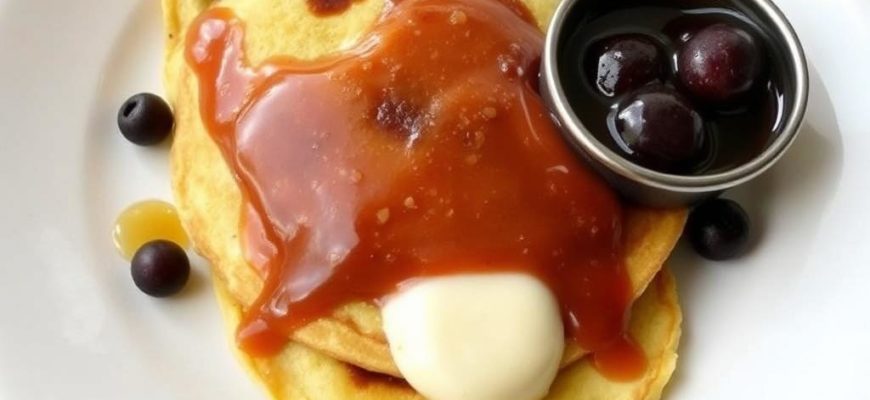
I still remember the first time I bit into a Staffordshire oatcake — warm, slightly chewy, with that gentle oat flavor that feels like a proper hug from the Midlands. It wasn’t a sweet pancake at all, but it carried the same comfort you expect from pancakes: quick, versatile, and perfect for folding around whatever you fancy. If you’ve never tried English Staffordshire pancakes, you’re in for something both humble and oddly addictive. Read on and I’ll walk you through what they are, where they come from, how to make them three different ways, and all the best things to eat with them.
- What it is English Staffordshire pancakes
- History English Staffordshire pancakes
- Where it first appeared English Staffordshire pancakes
- Interesting facts about English Staffordshire pancakes
- Nutritional value English Staffordshire pancakes
- Popularity in different countries English Staffordshire pancakes
- 3 best recipes for cooking English Staffordshire pancakes
- 1. Classic Staffordshire oatcakes (yeast)
- 2. Quick stovetop oatcakes (baking powder)
- 3. Sweet oat pancake variation
- What to eat with English Staffordshire pancakes
What it is English Staffordshire pancakes
Staffordshire pancakes are the thing locals call oatcakes, a griddle-cooked flatbread made mainly from oats and wheat flour. They’re thin but sturdier than a French crepe, more flexible than a pitta and quite different from the dry oat biscuits that share the same name. Traditionally cooked on a flat iron or griddle, they have a soft, slightly chewy texture and a warm, wheaty-oat aroma. In everyday life they act as bread, plate and wrap all in one — folded around bacon and cheese at breakfast, piled with pulled pork at lunch, or smeared with butter and jam for a simpler treat.
History English Staffordshire pancakes
Oat-based griddle cakes have a long past across the British Isles, but the Staffordshire version became recognizable in the 18th and 19th centuries as a working-class staple in the Midlands. Oats were cheap, filling and suited the local climate, so people turned them into a batter cooked on a hot surface. Over time, methods and ingredients varied — some recipes use yeast for a slightly fermented tang, others rely on baking powder for speed — but the role stayed the same: an inexpensive, portable food you can wrap and eat on the go.
Where it first appeared English Staffordshire pancakes
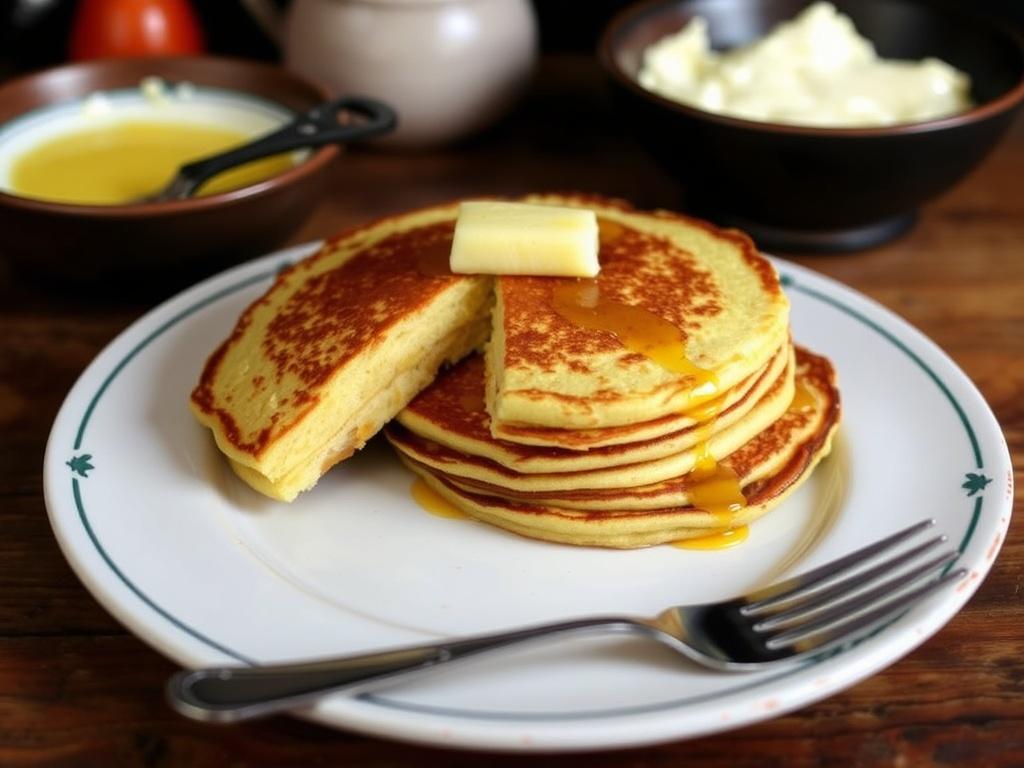
They developed in and around Staffordshire and neighbouring counties like Derbyshire and Cheshire. Market towns and industrial centres of the North and Midlands popularised them because they were easy to sell from stalls and shops. Stoke-on-Trent and the Potteries area have deep connections to oatcakes in local memory and menus, which is why you’ll often hear them called Staffordshire oatcakes. Exact origin dates are hard to pin down, but the form we recognize today emerged as communities adapted simple ingredients for busy lives.
Interesting facts about English Staffordshire pancakes
- They’re not the same as Scottish oatcakes — those are usually hard biscuits, while Staffordshire oatcakes are soft and cooked on a griddle.
- Oatcakes were historically both sweet and savoury depending on what was available; in some households they were eaten plain with butter.
- They double as a sandwich base — in parts of the Midlands shops still sell hot oatcakes folded around fillings, similar to a wrap.
- The texture varies by maker: some aim for very thin and pliable, others keep them thicker for a heartier bite.
Nutritional value English Staffordshire pancakes
Oats bring fibre, complex carbohydrates and a bit of protein, making these pancakes more sustaining than wheat-only pancakes. Exact nutrition depends on recipe and portion size, but here’s a reasonable estimate for a plain oatcake (about 80 grams):
| Component | Approximate per oatcake |
|---|---|
| Calories | 160–200 kcal |
| Carbohydrates | 25–30 g |
| Protein | 5–7 g |
| Fat | 3–6 g |
| Fibre | 3–5 g |
Bear in mind fillings change the picture quickly: cheese and bacon add fat and protein; butter and jam increase sugar and calories. If you’re after a healthier version, use more oats, less flour, and choose lean toppings.
Popularity in different countries English Staffordshire pancakes
They remain best known in the UK, especially the Midlands. Outside Britain they’re less familiar, but they turn up in British cafés, artisan bakeries and some specialty delis in Australia, New Zealand and parts of the United States where there’s a British culinary influence. Internationally, people tend to compare them to crepes or tortillas, which makes them easy to explain — once you try one, they grow fans fast because of their texture and adaptability.
3 best recipes for cooking English Staffordshire pancakes
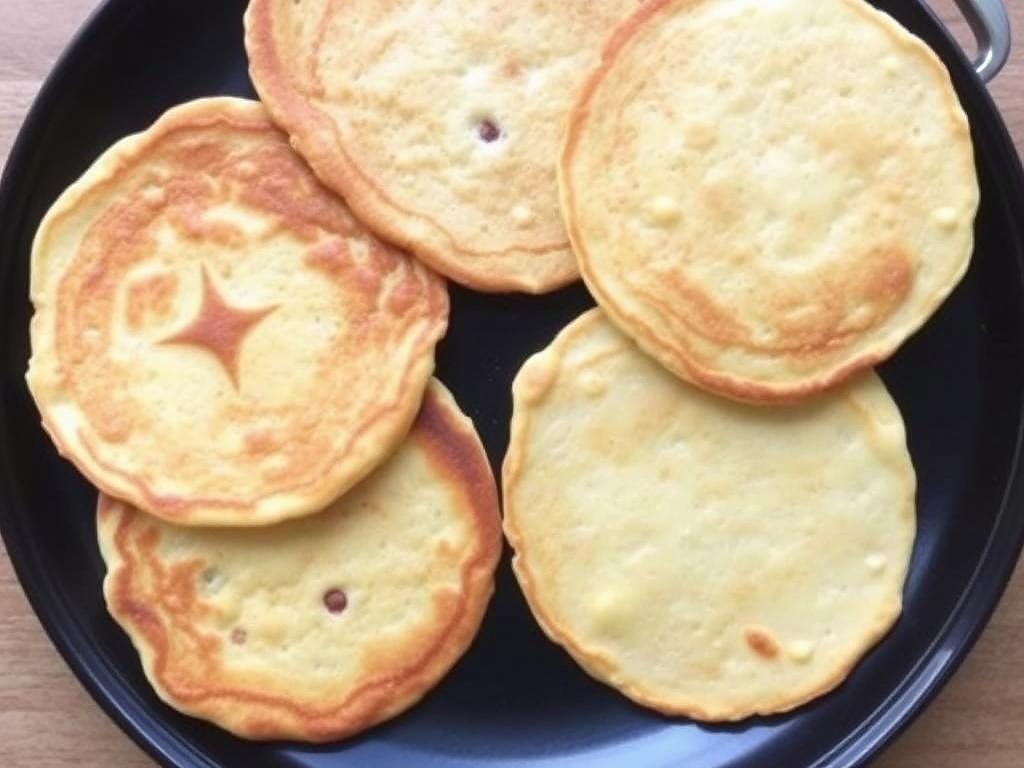
Here are three practical approaches: traditional, quick, and sweet.
1. Classic Staffordshire oatcakes (yeast)
- Ingredients: 200 g rolled oats, 100 g plain flour, 1 tsp salt, 7 g dried yeast, 450 ml warm water, 1 tsp sugar.
- Method: Blend oats to a coarse flour or use fine oatmeal. Mix dry ingredients, stir in warm water to a batter consistency, cover and leave to ferment for 1–2 hours until slightly bubbly. Heat a lightly oiled griddle or frying pan to medium. Pour ladles of batter, spread thinly and cook until set and golden underneath, then flip briefly. Keep warm wrapped in a cloth.
2. Quick stovetop oatcakes (baking powder)
- Ingredients: 150 g oat flour, 100 g plain flour, 1 tsp baking powder, 1/2 tsp salt, 300–350 ml milk or water, 1 tbsp oil.
- Method: Mix dry ingredients, whisk in liquid to a thick batter. Fry on a hot, greased skillet 2–3 minutes per side until golden. No resting time, perfect when you want them fast.
3. Sweet oat pancake variation
- Ingredients: 100 g oats, 100 g flour, 1 tbsp sugar, 1 tsp baking powder, 1 egg, 300 ml milk, pinch of cinnamon.
- Method: Blend oats into flour, mix all ingredients into a smooth batter. Cook like pancakes, serve with honey, fruit or yoghurt.
What to eat with English Staffordshire pancakes
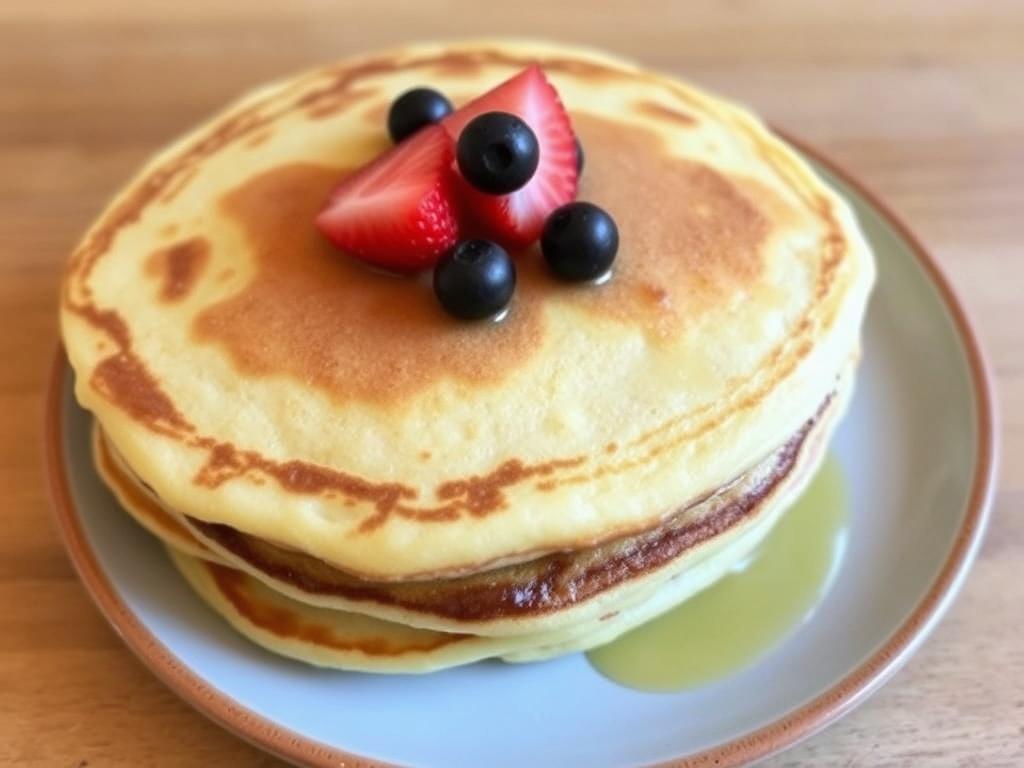
These pancakes are a blank canvas. Here are combinations that work particularly well:
- Savoury classics: melted cheese and bacon, egg and black pudding, sausage and mustard.
- Light lunch: roasted vegetables, hummus and greens; smoked salmon, crème fraîche and chives.
- Sweet options: warm butter and jam, honey and banana, stewed apples with cinnamon.
- On the side: pickles, Branston-style chutneys or tangy relishes lift the flavour.
If you want to start simply, make a batch using the quick recipe, fold one around melted cheddar and hot bacon, and you’ll see why these English Staffordshire pancakes are held in such affection. They’re forgiving, adaptable and just the sort of thing that makes a meal feel made for you.


