
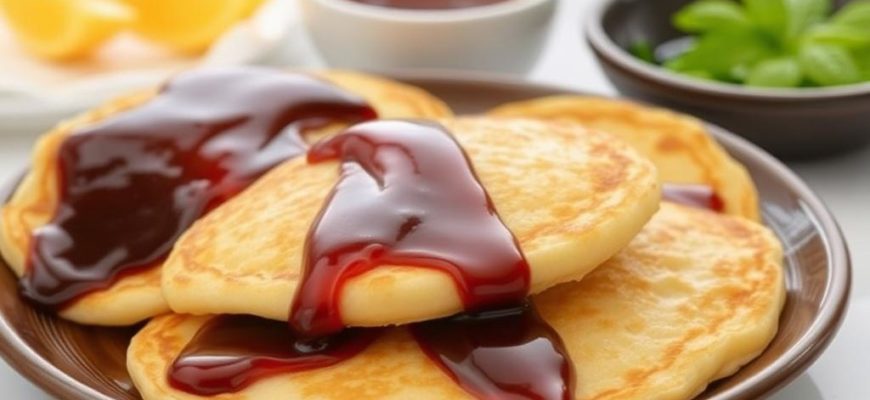
If you’ve ever found yourself wandering through the vibrant street markets of Indonesia, the tantalizing aroma of something sweet and fluffy may have pulled you toward a small stall buzzing with eager customers. That tiny treat is none other than Indonesian Kue Kubit pancakes, a unique snack that’s as charming as it is delicious. These mini pancakes aren’t just any ordinary flapjacks—each bite offers a cloud-like texture paired with subtle flavors that linger in your memory long after the last crumb is gone. Believe me, once you get to know these little wonders, you’ll want to dive deeper into their story, taste, and even how to make them at home.
- Unpacking the Magic: What Indonesian Kue Kubit Pancakes Really Are
- Tracing the Origins: A Journey into the History of Indonesian Kue Kubit Pancakes
- The Birthplace: Where Indonesian Kue Kubit Pancakes First Made Their Mark
- Unveiling the Fun Facts that Make Indonesian Kue Kubit Pancakes Stand Out
- What’s Inside Each Bite: Nutritional Value of Indonesian Kue Kubit Pancakes
- From Local Streets to Global Plates: Popularity of Indonesian Kue Kubit Pancakes Worldwide
- Make Them Your Way: The 3 Best Recipes for Cooking Indonesian Kue Kubit Pancakes at Home
- Perfect Pairings: What Goes Best with Indonesian Kue Kubit Pancakes
Unpacking the Magic: What Indonesian Kue Kubit Pancakes Really Are
At first glance, Indonesian Kue Kubit pancakes might remind you of ordinary mini pancakes, but they stand out by being incredibly light and airy—almost like a tiny sponge cake. The batter usually includes simple ingredients like flour, sugar, eggs, and sometimes coconut milk, giving them a slightly sweet and fragrant profile. Their small, bite-sized shape is perfect for snacking, making them a favorite street food treat that you can enjoy on the go. Unlike Western pancakes served with butter and syrup, Kue Kubit offers a subtler experience, often topped or mixed with traditional flavors like pandan, chocolate, or cheese. This combination of neat size and fluffy texture makes them irresistible, especially for those who love simple yet delicate snacks.
Tracing the Origins: A Journey into the History of Indonesian Kue Kubit Pancakes
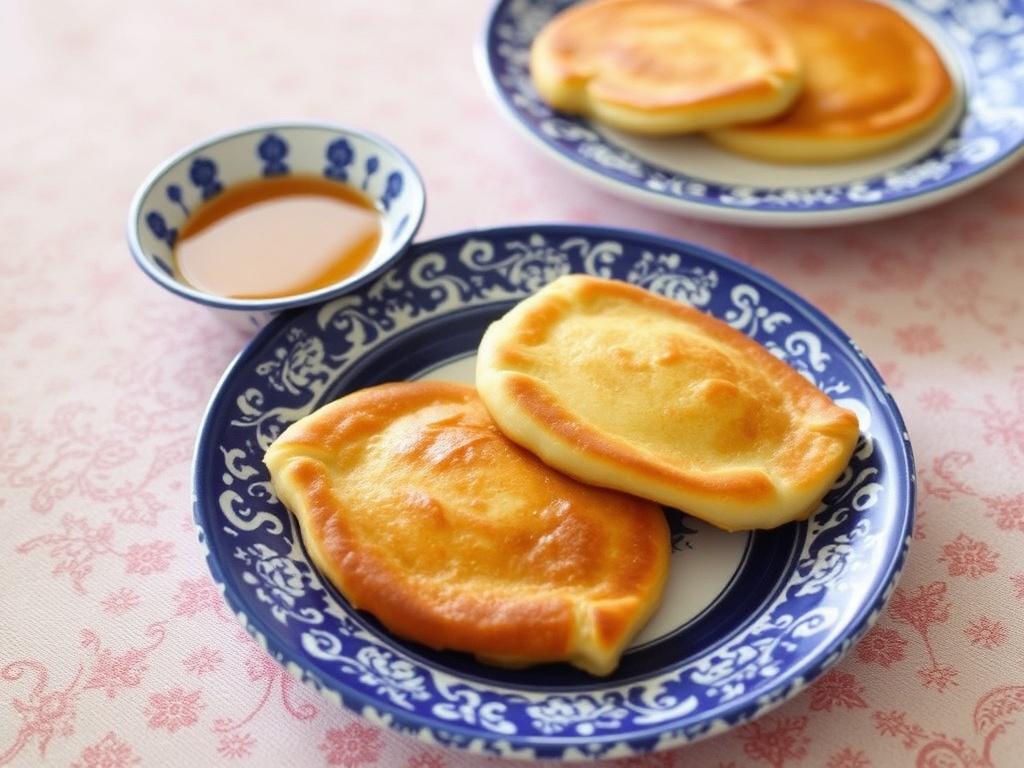
Like many Indonesian delicacies, Kue Kubit pancakes trace their roots deep into the country’s rich culinary heritage. The name “kue kubit” translates roughly to “pinch cake,” referencing its small size that you could hold between your thumb and forefinger. These pancakes likely evolved from traditional kue, a broad term in Indonesia for bite-sized snacks or cakes, which have been part of local food culture for centuries. Some culinary historians believe that the soft, fluffy texture was inspired by European sponge cakes introduced during the colonial era but adapted using local ingredients and flavors. While some recipes have changed with time, the essence remains—a sweet, lightweight treat enjoyed in markets and homes throughout Indonesia.
The Birthplace: Where Indonesian Kue Kubit Pancakes First Made Their Mark
Indonesian Kue Kubit pancakes are most commonly associated with Java, particularly the bustling streets of cities like Jakarta and Bandung. This region is a melting pot of cultural and culinary innovation, where traditional recipes mingle with colonial influences and street food creativity. It’s on street corners and market stalls here that Kue Kubit first gathered a loyal following, thanks to vendors who expertly balance the pancake’s texture and flavors. Over the years, these charming little bites have traveled to other parts of Indonesia, becoming a ubiquitous snack that teenagers, parents, and workers alike crave during coffee breaks or as an afternoon pick-me-up.
Unveiling the Fun Facts that Make Indonesian Kue Kubit Pancakes Stand Out
If you think Kue Kubit pancakes are just cute snacks, wait until you hear some of these interesting tidbits. For one, they’re often cooked using specialized molds—small round cavities that help give these pancakes their distinctive, consistent size and shape. Beyond that, vendors sometimes create colorful versions by adding natural dyes from pandan leaves (green), beetroot (red), or turmeric (yellow), turning the snack into a visual delight. Another fun fact: although traditionally sweet, there are savory variations sprinkled with toppings like cheese or corn, showing just how versatile this humble pancake can be. Little surprise that such diversity makes Kue Kubit a crowd favorite at festive occasions as well.
What’s Inside Each Bite: Nutritional Value of Indonesian Kue Kubit Pancakes
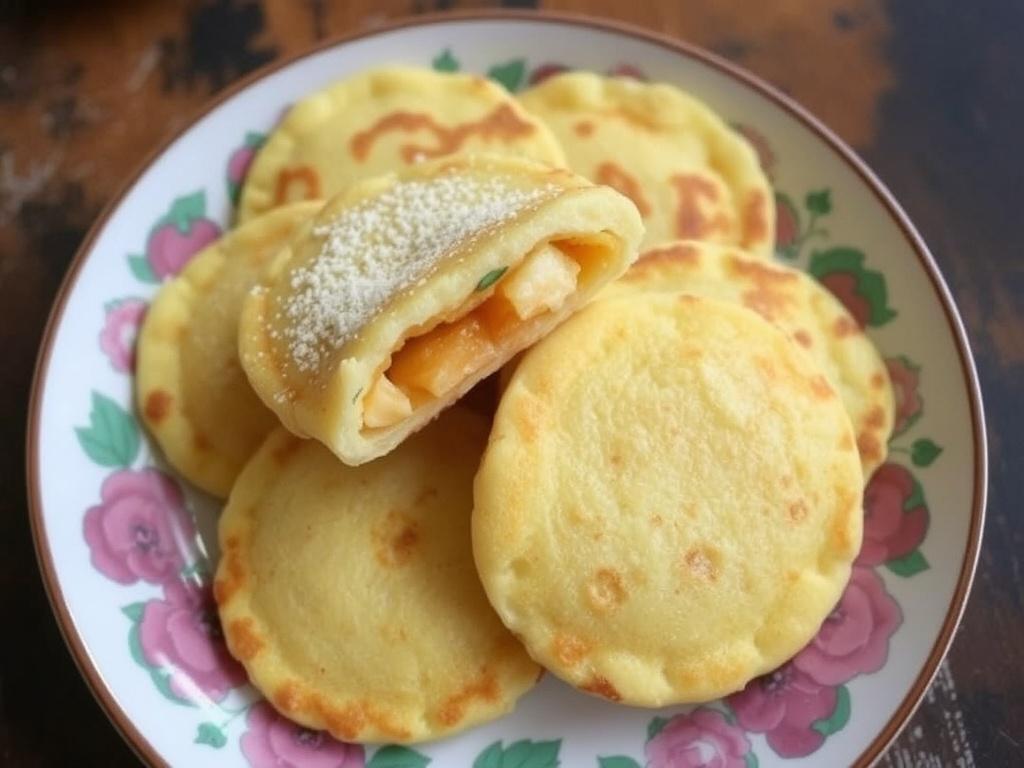
For a tiny snack, Indonesian Kue Kubit pancakes pack a modest nutritional profile. Because they’re mainly made from flour, eggs, sugar, and sometimes coconut milk, they provide a quick energy boost thanks to their carbohydrate and fat content. Of course, they’re not exactly a health food, especially when topped with sugar or rich additions like chocolate. However, their small serving size helps keep calorie intake moderate—perfect for when you want a sweet nibble without overdoing it. If you want to make them a bit healthier, swapping sugar for natural sweeteners or using whole-grain flour can be an option. Still, these pancakes shine more as a delightful treat than a nutritional powerhouse.
From Local Streets to Global Plates: Popularity of Indonesian Kue Kubit Pancakes Worldwide
While deeply rooted in Indonesian culture, Kue Kubit pancakes are slowly winning hearts beyond their native borders. Thanks to food festivals, Indonesian diaspora, and the global appeal of street food, these fluffy bites are popping up in cafes and markets far from Java or Bali. Countries with a strong Indonesian community like the Netherlands and Malaysia have embraced Kue Kubit, and even in places like Australia and the United States, food lovers seek them out online or in specialty restaurants. The reason? Their charming size, nostalgic flavors, and straightforward ingredients speak to anyone who enjoys a well-crafted comfort snack.
Make Them Your Way: The 3 Best Recipes for Cooking Indonesian Kue Kubit Pancakes at Home
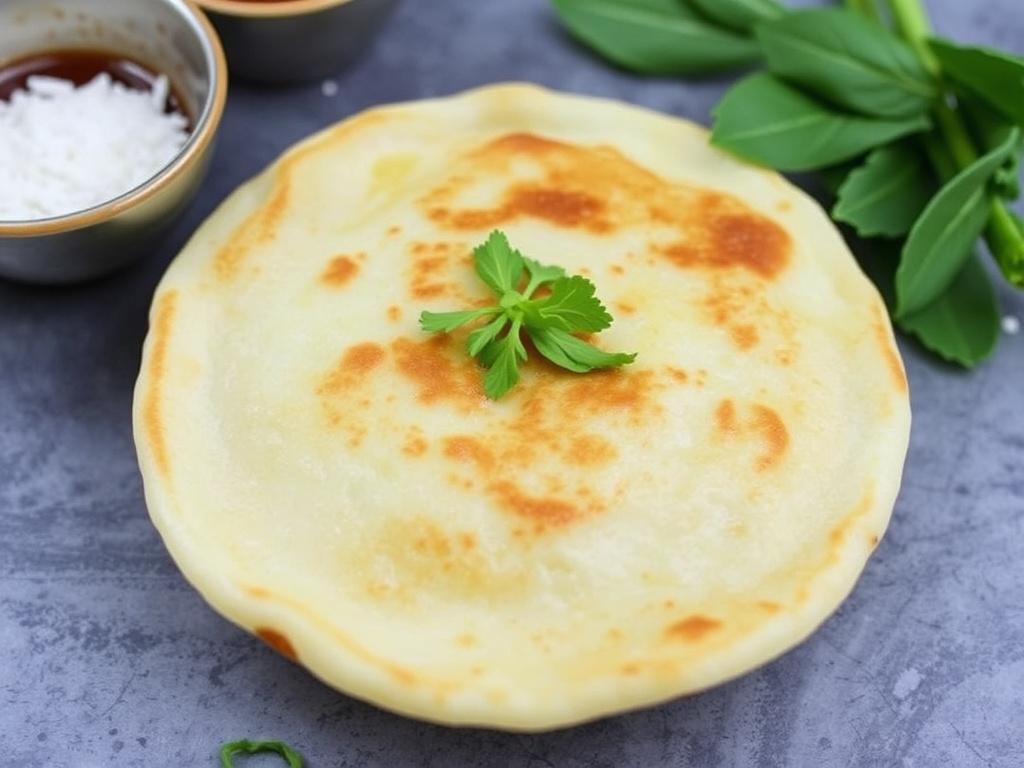
Trying your hand at making Indonesian Kue Kubit pancakes is a joy. Here are three fantastic recipes to get you started:
- Classic Kue Kubit: Flour, sugar, eggs, baking powder, vanilla extract, and coconut milk form the base. Cook in small molds until puffy and golden.
- Chocolate Delight: Add cocoa powder to the batter and top with chocolate chips before cooking for a richer flavor that kids adore.
- Pandan Infused Kue Kubit: Blend pandan leaf juice into the batter, giving the pancakes a gentle green hue and a fragrant aroma unique to Southeast Asian cuisine.
Each version keeps the soft, airy texture intact, but with small flavor twists tailored to your mood or occasion.
Perfect Pairings: What Goes Best with Indonesian Kue Kubit Pancakes
While Kue Kubit pancakes are delightful on their own, pairing them with the right companions opens up new taste dimensions. Traditionally, people enjoy them alongside strong, slightly bitter coffee or sweetened tea, allowing the pancakes’ subtle sweetness to shine. Some street vendors offer condensed milk or chocolate syrup as dips, adding richness. For a refreshing twist, fresh tropical fruits like mango or pineapple provide a juicy contrast to the sponge-like texture. If you’re feeling adventurous, a scoop of vanilla ice cream alongside warm Kue Kubit can turn this humble snack into a mini dessert celebration.
—
So next time you’re craving something light and sweet, or simply want to explore Indonesian flavors beyond the usual, give Kue Kubit pancakes a try. Once you taste their pillowy softness and gentle sweetness, you’ll see why they’ve earned their special place in Indonesia’s culinary tapestry. Whether you enjoy them on a bustling street corner or in your own kitchen, these little pancakes carry a big dose of joy.


