
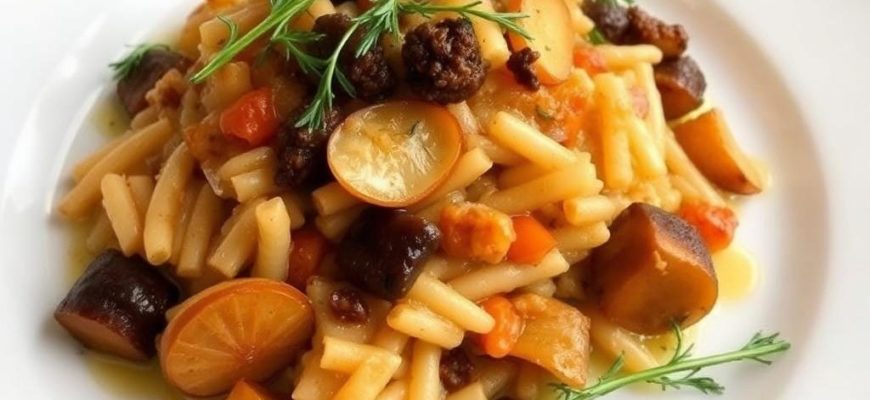
Imagine the warm, comforting scent of toasted rice mingling with the honeyed aroma of chanterelles — bright, golden mushrooms that taste like the forest after rain. This is not a fussy restaurant dish but a humble celebration of two simple worlds: grain and mushroom. Pilaf with chanterelles turns pantry staples into something layered and memorable. Read on and you’ll learn where this pairing comes from, why chanterelles lift the dish to another level, and exactly how to cook it so every grain stays separate and every mushroom bite sings.
- Where Pilaf with chanterelles comes from and why it makes sense
- How the pilaf with chanterelles evolved through history
- Little-known and delightful facts about pilaf with chanterelles
- Nutritional value of pilaf with chanterelles
- How popular pilaf with chanterelles is around the world
- The best step-by-step cooking recipe for pilaf with chanterelles
- Ingredients (serves 4)
- Equipment and timing
- Step-by-step
- Tips and variations
Where Pilaf with chanterelles comes from and why it makes sense
Pilaf itself has deep roots in the ancient Middle East: a technique of cooking rice in seasoned stock so each grain swells but doesn’t clump. Over centuries the basic idea traveled along trade routes and adapted to local tastes. Chanterelles entered the story in cooler, forested regions of Europe and Russia where foraging is part of seasonal life. Combining pilaf and chanterelles is a natural crossroad — the neutral, buttery canvas of pilaf welcomes the mushroom’s fruity, slightly peppery notes. In short, the pairing is cultural meeting practical: rice for sustenance, chanterelles for aroma and texture.
How the pilaf with chanterelles evolved through history
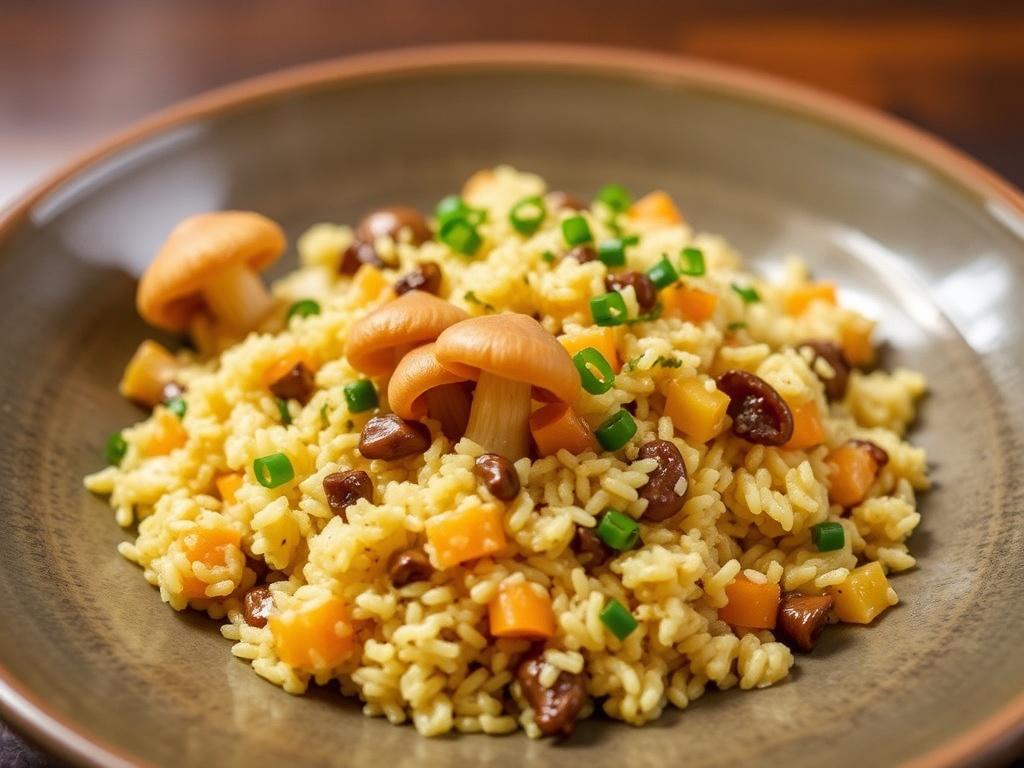
The technique that became pilaf likely began in Persia, where rice was prized and spices abundant. As the method moved north and east, local ingredients were incorporated: lamb and carrots in Central Asia, saffron in the Mediterranean, mushrooms in the north. In regions where chanterelles are abundant — Scandinavia, the Baltics, parts of Eastern Europe and Russia — cooks began adding them to grain dishes during mushroom season. Home kitchens refined the idea: sauté mushrooms separately to concentrate flavor, then fold them into rice at the right moment. That small tweak turned a plain pilaf into a dish with depth and seasonality.
Little-known and delightful facts about pilaf with chanterelles
- Chanterelles are not just tasty — they have a fruity, apricot-like aroma that plays beautifully against the savory base of pilaf.
- Because chanterelles release little water when sautéed, they keep a meaty texture and don’t make the rice soggy if handled correctly.
- In many places, chanterelles are foraged rather than farmed; that seasonal hunt makes pilaf with chanterelles a herald of late summer and early autumn.
- People often assume saffron is mandatory in pilaf — it isn’t. Chanterelles add so much aroma that subtle spices like cumin, coriander, or bay leaf are often enough.
Nutritional value of pilaf with chanterelles
This dish balances energy and nutrition: rice provides carbohydrates for sustained energy, while chanterelles add protein, fiber and micronutrients. Below is an approximate nutritional snapshot for one serving (about 300–350 g).
| Nutrient | Approx. amount per serving |
|---|---|
| Calories | ~420 kcal |
| Carbohydrates | 60–70 g |
| Protein | 8–12 g |
| Fat | 10–15 g (dependent on oil/butter used) |
| Fiber | 2–4 g |
| Notable micronutrients | B vitamins, potassium, selenium, some vitamin D (if mushrooms had sun exposure) |
Adjust oils, stock type and rice variety to change the calorie and fat profile. Using brown rice raises fiber and keeps you fuller longer, while using less oil trims calories.
How popular pilaf with chanterelles is around the world
Wherever people gather wild mushrooms, you’ll find rice dishes with them. In Russia and Eastern Europe this combination is a comforting staple during mushroom season. In Scandinavia, chanterelles star in rice-and-barley blends. In cosmopolitan kitchens, chefs fuse ideas, adding local spices or using arborio for creamier textures. The dish isn’t mainstream on restaurant menus everywhere, but it’s beloved in home kitchens and among foragers who prize simple recipes that highlight fresh mushrooms.
The best step-by-step cooking recipe for pilaf with chanterelles
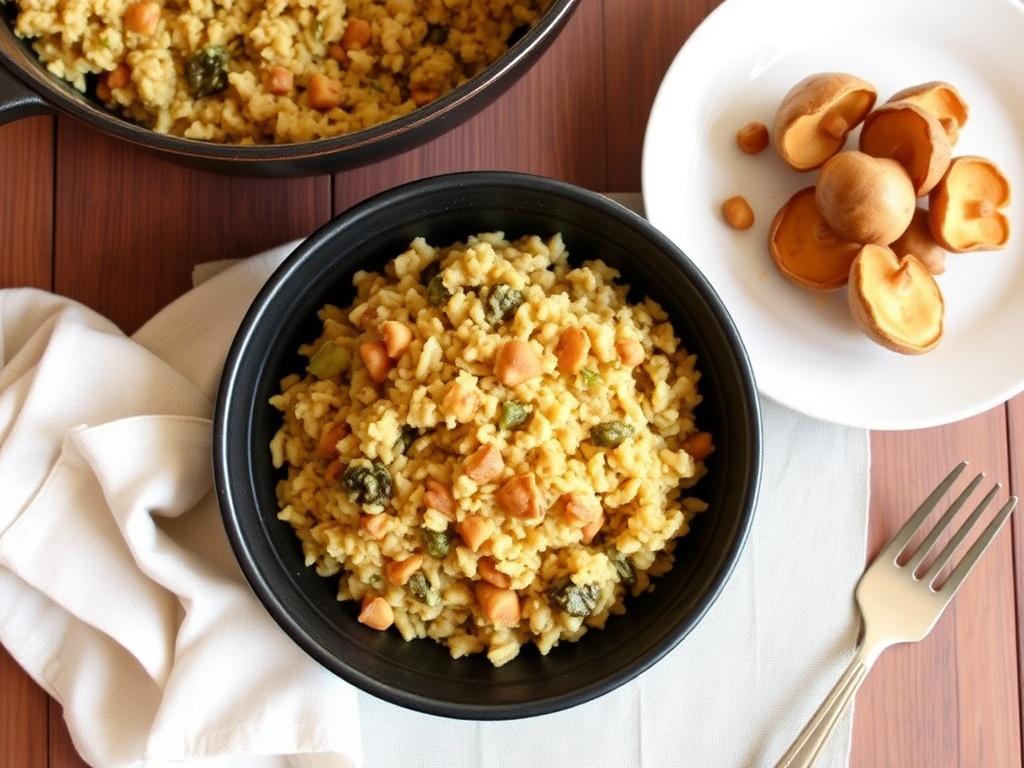
Ingredients (serves 4)
- 300 g long-grain rice (basmati or similar), rinsed
- 300–350 g fresh chanterelles, cleaned and roughly chopped
- 1 large onion, finely chopped
- 2 medium carrots, julienned or grated
- 3 tbsp vegetable oil or 2 tbsp butter + 1 tbsp oil
- 700 ml hot vegetable or chicken stock (roughly 2.3:1 stock to rice)
- 1 tsp ground cumin, 1 tsp ground coriander (optional)
- 1–2 bay leaves
- Salt and black pepper to taste
- Fresh parsley or dill for garnish
Equipment and timing
- Heavy-bottomed pot or Dutch oven with lid
- Frying pan for mushrooms
- Total time: about 45–55 minutes (including prep)
Step-by-step
- Rinse rice under cold water until water runs clear; drain. This removes surface starch and helps keep grains separate.
- Heat 2 tbsp oil or 1 tbsp butter + 1 tbsp oil in a large pot over medium heat. Add onion and sauté until translucent but not browned, about 5 minutes.
- Add carrots and cook 3–4 minutes until slightly softened. Stir in cumin and coriander if using; toast briefly to release aroma.
- Add the rice to the pot and stir to coat every grain with the fat. Toast the rice for 2–3 minutes; you should smell a faint nutty scent.
- Pour in hot stock, add bay leaves, and season lightly with salt. Bring to a gentle boil, then reduce heat to the lowest setting, cover tightly and simmer 15–18 minutes (check rice package for exact time).
- While rice cooks, heat remaining oil or butter in a frying pan. Add chanterelles in a single layer. Sauté without crowding so they brown and their liquid evaporates, about 6–8 minutes. Season with salt and pepper.
- When rice has absorbed the stock and is tender, turn off the heat and let it rest, covered, for 8–10 minutes. Remove bay leaves.
- Gently fold the sautéed chanterelles into the rice, fluffing with a fork to keep grains separate. Taste and adjust salt and pepper.
- Serve warm, garnished with chopped parsley or dill. A squeeze of lemon brightens the flavors if you like.
Tips and variations
- For extra depth, replace half the stock with mushroom stock or add a splash of dry white wine to the rice before simmering.
- Use brown rice but increase stock and cooking time; the result will be chewier and nuttier.
- Add toasted pine nuts or fried breadcrumbs on top for crunch.
- Fold in a knob of butter at the end for silkier mouthfeel.
Pilaf with chanterelles is a modest luxury: it’s not complicated, but it rewards patience and good ingredients. Once you master the balance of toasted rice and well-caramelized mushrooms, this dish becomes a go-to for cozy dinners, bringing a piece of the forest into your kitchen.


