
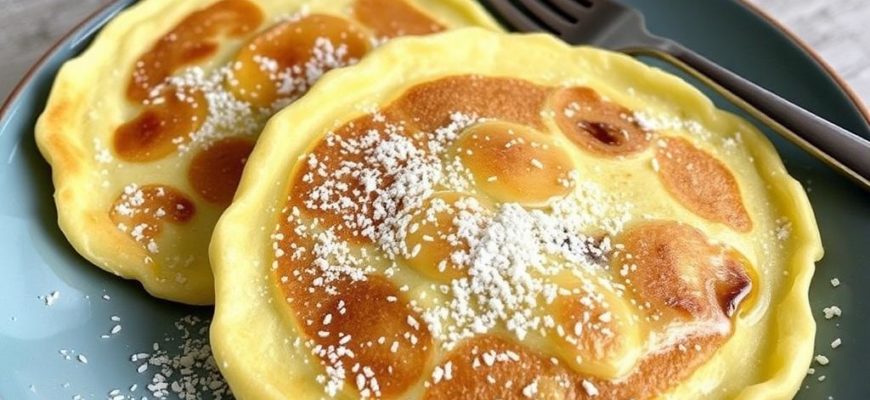
There’s something magnetic about a thin pancake folded around jam or cheese — simple, comforting, and a little surprising. Czech pancakes invite you to taste a slice of everyday joy from Central Europe: delicate, paper-thin crepes that can be dressed up for dessert or kept plain for a light meal. Stick with me and I’ll take you through what they are, where they come from, how to make the best ones at home, and the small cultural details that make them special.
- What Czech pancakes are and why they stand out
- History of Czech pancakes
- Where they first appeared and how they traveled
- Interesting facts about Czech pancakes
- Nutritional value of Czech pancakes
- Popularity in different countries
- 3 best recipes for cooking Czech pancakes
- Classic palačinky (basic batter)
- Cottage cheese and herb savory palačinky
- Sweet plum jam with vanilla cream
- What to eat with Czech pancakes
What Czech pancakes are and why they stand out
Czech pancakes, known locally as “palačinky,” are thin crepe-style pancakes made from a batter of flour, eggs, milk, and a pinch of salt. They are thinner than American flapjacks yet not as fragile as some French crêpes. The batter cooks quickly into a flexible disk that folds easily around fillings — sweet or savory. What makes them stand out is their versatility: they can be rolled with jam, layered with whipped cream and fruit, or filled with cottage cheese and herbs for a savory twist. They’re often lightly fried in butter so the edges get a tiny crisp while the center stays tender.
History of Czech pancakes
Palačinky have roots that trace back centuries across Central and Eastern Europe. Thin pancakes appeared in many peasant and monastic kitchens because their ingredients were affordable and easy to source. Over time, each region adapted the basic batter to local tastes and available fillings. In Czech lands, they became a household staple — quick to make for families and suitable for both festive tables and weekday suppers. Unlike some national dishes that evolve into formal recipes, Czech pancakes remained an adaptable, home-centered food, passed down through practical kitchen traditions rather than cookbooks.
Where they first appeared and how they traveled
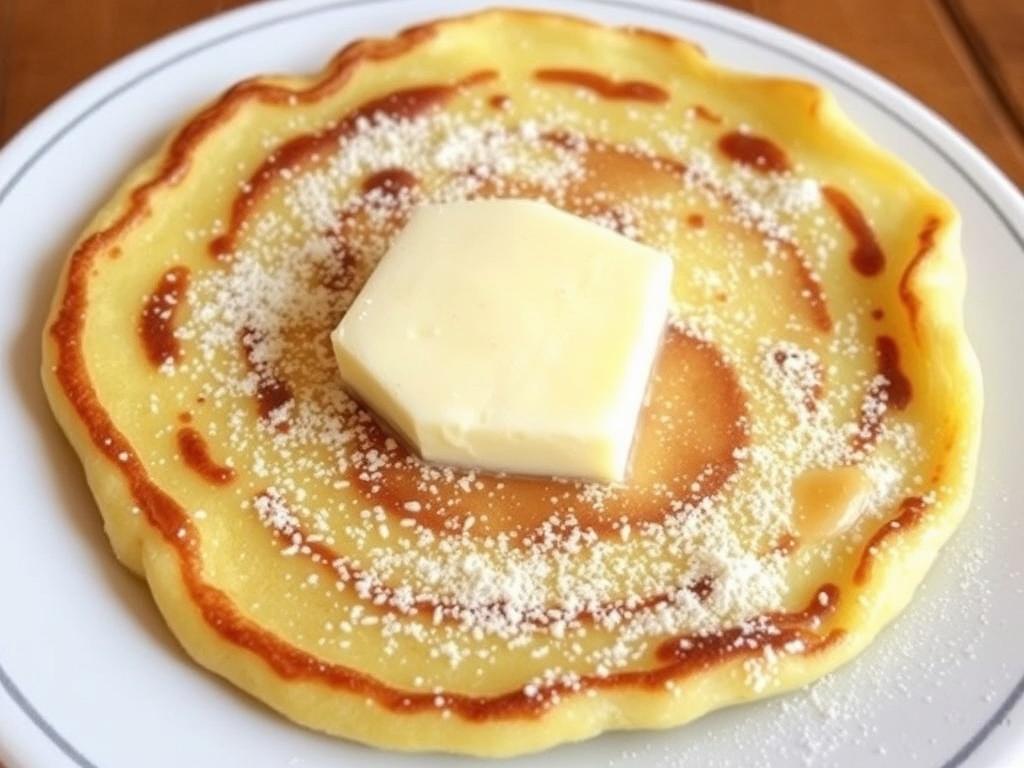
The precise birthplace of thin pancakes is hard to pin down, because variations existed across medieval Europe and the Balkans. What we can say is that similar thin batter pancakes were common in Slavic regions and in neighboring Austria and Hungary. Trade routes and migration spread techniques, and recipes intermingled. By the 18th and 19th centuries, the idea of a thin, rolled pancake with sweet or savory fillings was well established in Bohemia and Moravia. From there, the dish traveled with emigrants and visitors, influencing and being influenced by neighboring cuisines.
Interesting facts about Czech pancakes
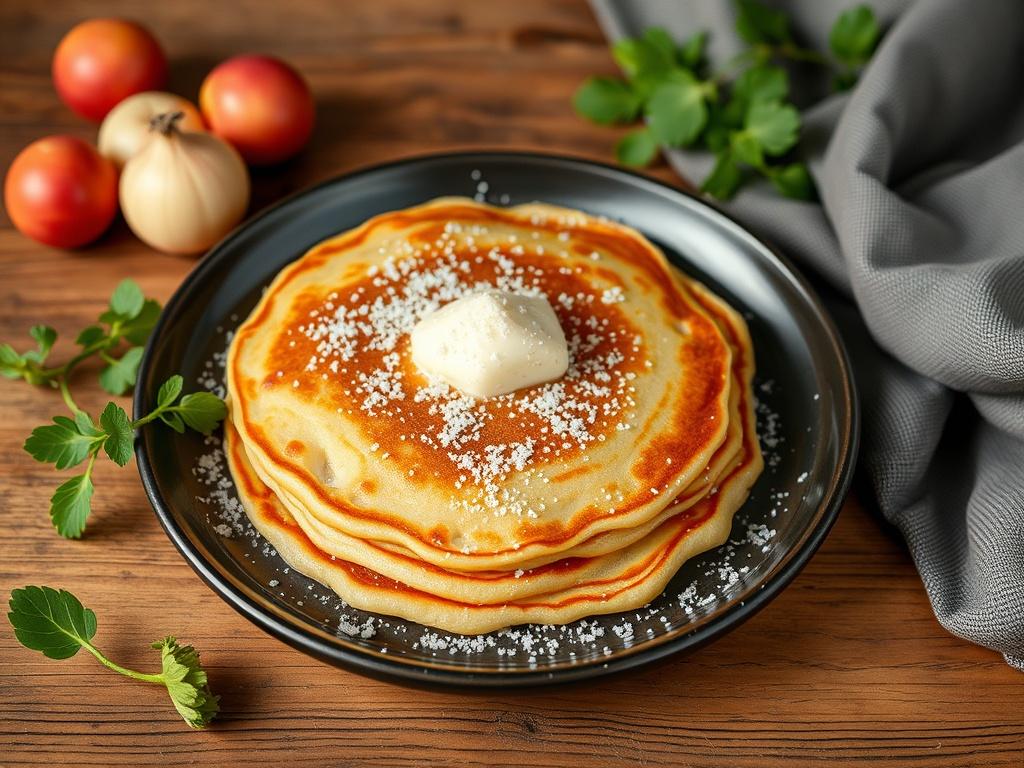
- Palačinky are traditionally served both as a dessert and as a main dish, depending on the filling and portion size.
- A common sweet filling is plum jam — a nod to Central European orchards where plums are abundant.
- In Czech households, pancakes are often a quick solution when there’s a slight shortage of fresh groceries; pantry staples become a satisfying meal.
- There’s no single canonical recipe: every family tends to have subtle variations, from a dash of sugar in the batter to adding beer or sparkling water for lighter texture.
Nutritional value of Czech pancakes
Czech pancakes’ nutrition depends largely on portion size and fillings. A basic plain pancake made from 50 g flour, one egg, and 150 ml milk contains approximately:
| Component | Per pancake (approx.) |
|---|---|
| Calories | 120–160 kcal |
| Protein | 5–7 g |
| Carbohydrates | 15–20 g |
| Fat | 4–8 g (depends on butter/oil used) |
| Fiber | 0.5–1.5 g |
If you fill palačinky with fruit and low-fat dairy, they can be a balanced meal. Filling them with jam, whipped cream, or chocolate increases sugar and calorie content. For a lighter version, use whole-grain flour and limit added fats.
Popularity in different countries
Palačinky are a familiar idea across Europe under different names: crêpes in France, palacsinta in Hungary, blintzes in Jewish cuisine, and naleśniki in Poland. In the Czech Republic they’re a staple; in Slovakia they’re nearly identical. In neighboring Austria and Germany, similar thin pancakes appear, often with local fillings. Outside Europe, they are less common as a household staple but have made their way into cafés and international brunch menus because they’re adaptable and photogenic. Travelers often encounter them first as a comforting local dish in small Czech restaurants or at farmer markets.
3 best recipes for cooking Czech pancakes
Classic palačinky (basic batter)
- Ingredients: 1 cup (125 g) all-purpose flour, 2 eggs, 1 1/4 cups (300 ml) milk, pinch of salt, 1 tbsp melted butter or oil for cooking.
- Method: Whisk eggs and half the milk, add flour and salt, then slowly whisk in remaining milk until smooth. Let rest 15 minutes. Heat a nonstick pan, brush with butter, pour a small ladle so batter thinly coats the surface, cook 1–2 minutes per side until lightly golden. Stack and keep warm.
Cottage cheese and herb savory palačinky
- Ingredients: Use classic batter. Filling: 200 g cottage cheese, 1 tbsp sour cream, chopped chives, salt, pepper, lemon zest.
- Method: Mix filling ingredients. Spread on warm pancake, fold into a roll or envelope, heat briefly in pan to warm through. Serve with fresh salad.
Sweet plum jam with vanilla cream
- Ingredients: Classic batter; filling: 4 tbsp good plum jam, 150 ml whipped cream sweetened with a teaspoon of vanilla sugar.
- Method: Spread jam on pancake, add a spoonful of vanilla cream, fold or roll. Dust with powdered sugar and serve warm.
What to eat with Czech pancakes
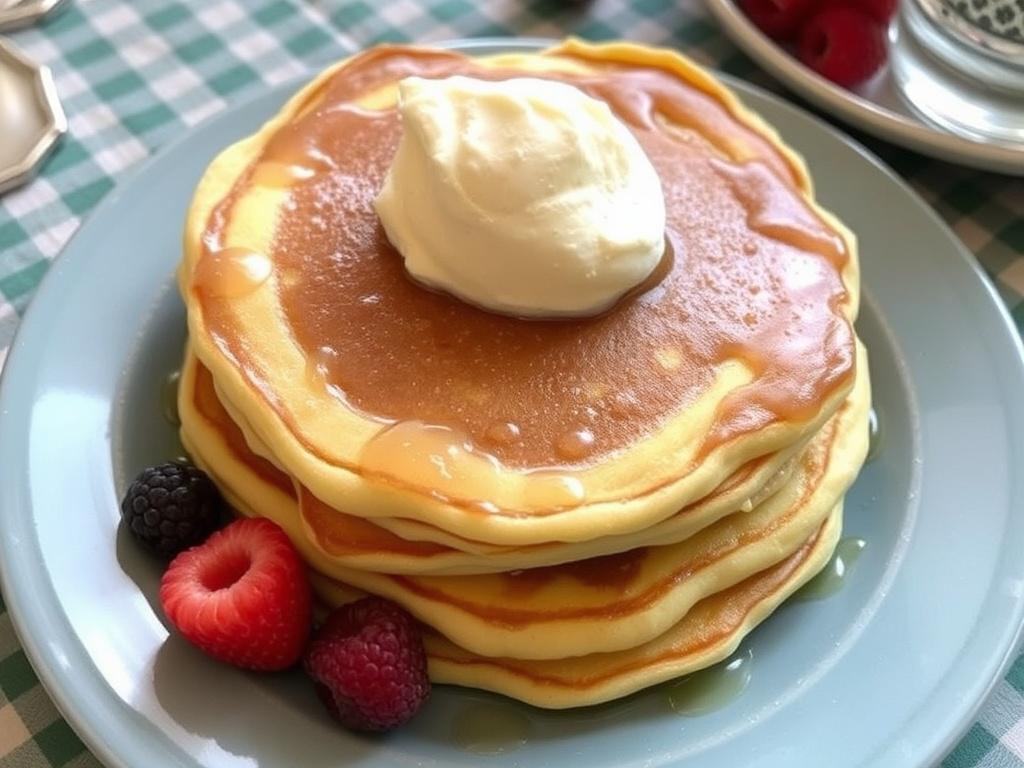
Czech pancakes pair well with both light and rich accompaniments. For breakfast or a light lunch, serve with fresh fruit, a dollop of yogurt, or a simple salad for savory versions. For dessert, go classic with fruit preserves, Nutella, caramelized apples, or a scoop of ice cream. Drinks that complement them include coffee, tea, or sparkling mineral water. For a hearty option, fill palačinky with minced meat and onions, then top with a light béchamel for a main course.
If you try making them, start with the classic batter and experiment with fillings you love. Palačinky are forgiving; they reward small tweaks — a touch more milk for extra thinness, a splash of beer for lightness, or a dusting of cinnamon for warmth. Soon you’ll have your own family version, and that’s when they truly become Czech pancakes at home.


