
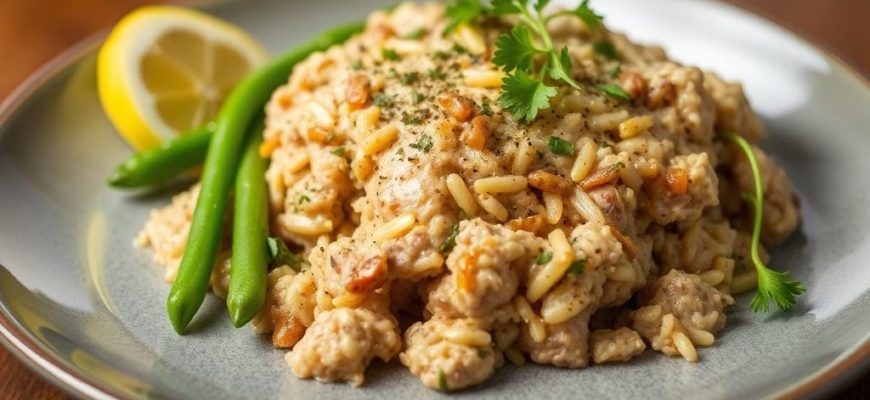
Imagine a pot of fragrant rice, each grain separate and glossy, threaded through with caramelized onions and soft pieces of liver that melt on the tongue. It smells like home: warm spices, toasted rice, a little tang from lemon or pomegranate, and the hum of a kitchen where time slows down. Pilaf with liver is one of those dishes that feels both humble and celebratory at once — simple ingredients, bold flavor, and a texture contrast that keeps you reaching for another spoonful. If you’ve never tried liver in pilaf, let me walk you through why it works so well and how to make a bowl that people will ask for again.
Country of origin Pilaf with liver
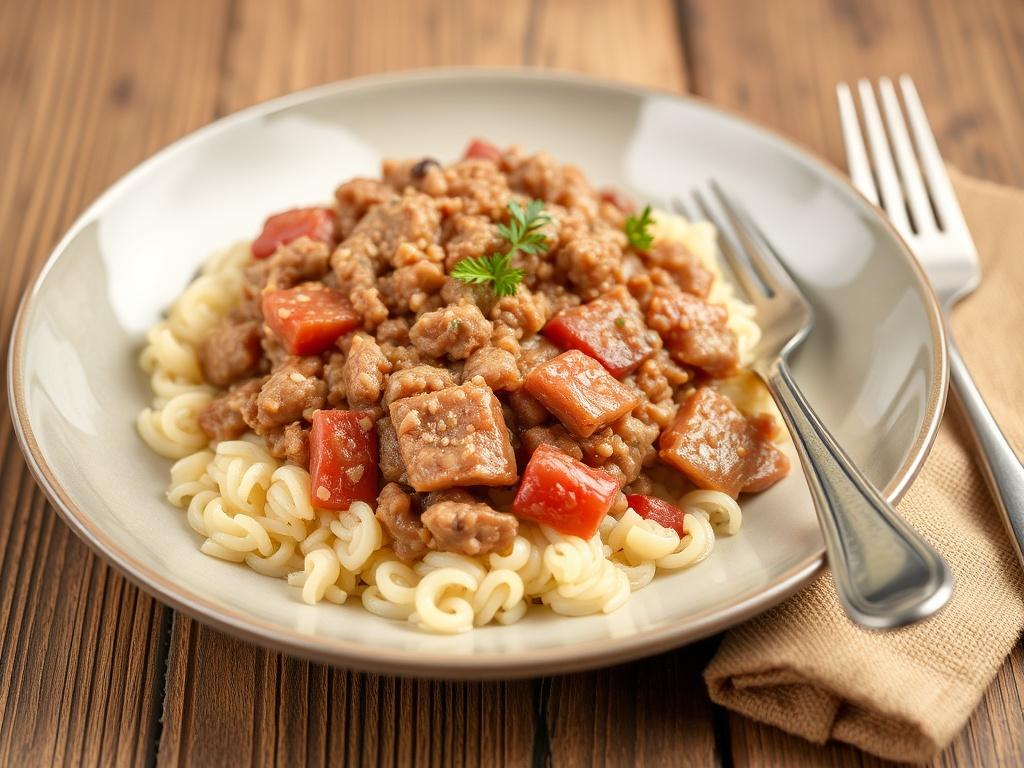
Pilaf itself traces back to the Middle East and Central Asia, where rice, oil, and aromatics were combined centuries ago. The idea of adding liver is equally widespread and hard to pin to a single country. In many kitchens across the Caucasus, Iran, Turkey, and Central Asia, cooks have adapted local rice techniques to include offal when meat was scarce or when cooks wanted to add an intense, savory note. So, rather than belonging to one nation, pilaf with liver is more of a regional chapter in the larger story of pilaf, appearing whenever people want a more nutrient-dense, richly flavored version of rice.
History Pilaf with liver
Pilaf evolved along trade routes where spices, grains, and cooking ideas moved together. Traditionally, offal was prized for its nutrition and affordability, so liver naturally became part of many peasant and festive dishes. Over generations, cooks learned how to tame liver’s strong flavor — quick frying, marinating, or pairing it with sweet onions and acidic elements like lemon or sumac. The result: a technique that balances intensity with subtlety. In households, liver pilaf often emerged as a weekday favorite because it cooks fast and stretches well, feeding families without wasting precious protein.
Interesting facts about Pilaf with liver
- Liver boosts iron and B vitamin content dramatically, making pilaf not just tasty but nourishing.
- In many cultures, dishes using offal are associated with resourcefulness and respect for the whole animal.
- A small touch changes everything: a sprinkle of ground coriander, a squeeze of lemon, or a few roasted chickpeas can transform the flavor profile.
- Some versions skip carrots and add dried fruit like apricots or raisins for a sweet-sour contrast that complements liver.
Nutritional value Pilaf with liver
Liver is one of the most nutrient-dense animal foods. Per typical serving, liver brings iron, vitamin B12, folate, riboflavin, and a lot of high-quality protein. Rice provides energy in the form of carbohydrates and, depending on the variety, some B vitamins. Together, they form a meal that fuels hard days. A word of caution: liver is high in cholesterol and vitamin A, so it’s wise to enjoy it a few times a week rather than daily.
| Component | Typical per serving |
|---|---|
| Calories | Approx. 450-600 kcal (varies by portion and oil) |
| Protein | 25-35 g |
| Iron | High — good for preventing anemia |
| Vitamins | B12, A, folate — significant amounts |
Popularity in different countries Pilaf with liver
Findings vary by region, but the pattern is clear: wherever rice pilaf exists, someone has tried it with liver. In Turkey and parts of the Caucasus, liver often appears grilled or fried and served alongside rice. In Central Asia, variations of plov sometimes include organ meats depending on season and availability. In the Middle East, cooks may prefer lamb or chicken liver, pairing it with cumin, cinnamon, and bright herbs. Modern chefs also revisit liver pilaf as a way to introduce offal to diners in an approachable format.
The best step-by-step cooking recipe for Pilaf with liver
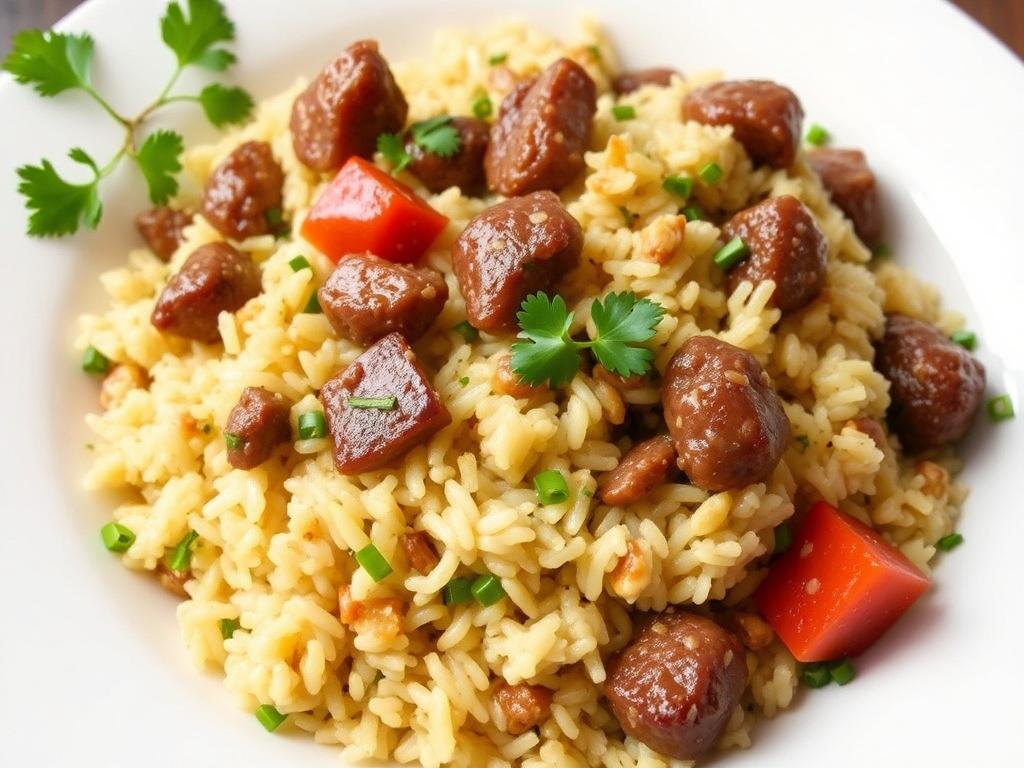
This recipe serves 4. It’s built to be forgiving: clear steps, realistic timing, and flavors that balance liver’s strength.
Ingredients
- 2 cups long-grain rice (basmati preferred)
- 400 g liver (chicken or beef), trimmed and cut into bite-sized pieces
- 1 large onion, thinly sliced
- 2 carrots, julienned or grated
- 3 cloves garlic, minced
- 1 tsp ground cumin, 1/2 tsp ground coriander
- Salt and pepper to taste
- 3 tbsp neutral oil (vegetable or sunflower)
- 3.5 cups hot chicken or vegetable stock
- Juice of half a lemon or 1 tbsp pomegranate molasses
- Fresh parsley or cilantro to finish
Method
- Rinse the rice until the water runs clear. Soak 20 minutes, then drain.
- Pat liver dry, season lightly with salt and pepper. In a hot pan with 1 tbsp oil, quickly sear the liver in batches until just browned but still slightly pink inside. Remove and set aside. Overcooking makes liver tough.
- In the same pan, add remaining oil and sweat the onions until golden. Add carrots and cook until softened. Stir in garlic and spices for a minute to bloom the flavors.
- Add the rice and stir to coat grains with oil and juices. Pour in hot stock, bring to a gentle boil, then reduce heat to low. Nestle the seared liver pieces into the rice; do not stir further.
- Cover tightly and simmer 15-20 minutes, or until rice is tender and liquid absorbed. Turn off the heat and let rest, covered, for 10 minutes to steam.
- Fluff with a fork, squeeze lemon or add pomegranate molasses for acidity, and scatter fresh herbs on top. Serve warm.
Tips: use chicken liver for a milder taste if you’re new to offal. If using beef liver, briefly marinate in milk to mellow the flavor. Adjust spice levels with a pinch of red pepper flakes if you like heat. Leftovers reheat well and taste even more integrated the next day.
Pilaf with liver is a small leap for your palate but a big return: hearty, honest, and full of character. Try it once, and you’ll see why this pairing survives across kitchens and cultures — it turns plain rice into something with backbone and soul.


