
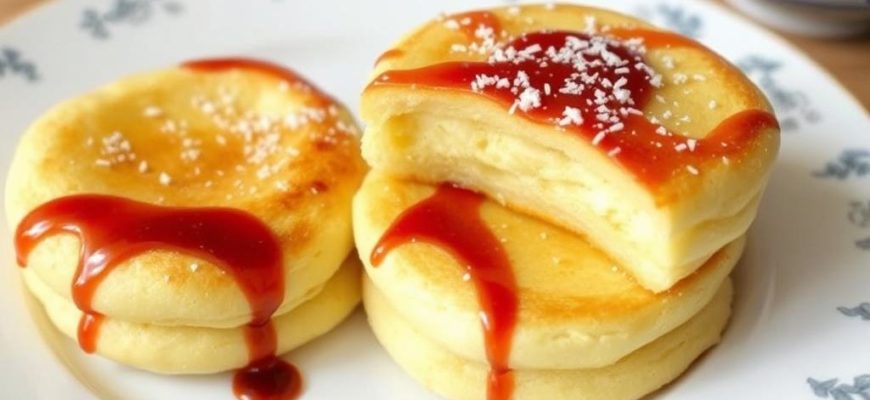
I still remember the first time I saw those impossibly tall, cloud-like pancakes wobbling on a tiny plate — they looked like breakfast gravity forgot. If you’ve ever wanted to bite into something that’s part cake, part soufflé and pure joy, stick around. I’ll walk you through what makes Japanese-style soufflé pancakes so special, where they came from, how to make them at home without a cafe setup, what to pair them with, and a few surprising facts you’ll enjoy sharing at brunch.
- What Japanese-style soufflé pancakes are and why they feel magical
- The origins and rise of Japanese-style soufflé pancakes
- Where they first appeared and how they spread
- Interesting facts about Japanese-style soufflé pancakes
- Nutritional value of Japanese-style soufflé pancakes
- How popular Japanese-style soufflé pancakes are around the world
- Three recipes worth trying at home
- Recipe 1: Classic Japanese-style soufflé pancakes
- Recipe 2: Matcha Japanese-style soufflé pancakes
- Recipe 3: Vegan aquafaba version
- What to eat with Japanese-style soufflé pancakes
- Final tips for home success
What Japanese-style soufflé pancakes are and why they feel magical
Japanese-style soufflé pancakes are tall, airy pancakes made by folding whipped egg whites into a batter, creating a light, custardy interior and a delicate crust. They wobble slightly like a jelly, have a tender crumb, and rise into a spongey tower because of the trapped air from the meringue. Think of them as a hybrid between souffle and pancake — soft, pillowy, and meant to be savored slowly rather than scarfed down.
The origins and rise of Japanese-style soufflé pancakes
These pancakes took shape in Japan during the 2010s, when creative cafe culture pushed pancake techniques toward something theatrical and texture-driven. Chefs combined Western soufflé and classic pancake methods, emphasizing technique: whip the whites to glossy peaks, fold gently, and cook slowly so the inside sets without collapsing. By the mid-2010s the trend exploded in Tokyo cafes, then spread to Asia and beyond as photos of towering, jiggle-worthy stacks filled social feeds.
Where they first appeared and how they spread
The birthplace is Japan — mostly Tokyo’s inventive cafe scene. Small cafes began serving limited runs of these pancakes, often in a few time slots per day, which added to the allure. Travelers and food bloggers shared photos; soon, cafes from Seoul to Los Angeles were experimenting with their own versions. Because the technique is accessible at home, many home bakers helped fuel the global wave of interest.
Interesting facts about Japanese-style soufflé pancakes
- They rely on meringue for lift rather than chemical leaveners alone, which gives the unique airy texture.
- Many cafes use ring molds to keep the pancakes tall and cylindrical while cooking gently on low heat.
- Serving style is part of the experience: a tiny pat of butter, a drizzle of syrup, or a dusting of powdered sugar — simple and elegant.
- They’re temperature-sensitive. Overbeating whites, overmixing, or cooking too hot can deflate or brown them too quickly.
Nutritional value of Japanese-style soufflé pancakes
The basic batter is flour, eggs, sugar, milk, and a little fat. That means a stack will provide carbohydrates, protein from eggs, and calories depending on fat and sugar content. Toppings — butter, whipped cream, syrup — are what usually push calories higher. Below is a rough comparative table for a typical single-serving stack (two medium pancakes) without extravagant toppings.
| Nutrient | Approximate amount per serving |
|---|---|
| Calories | 300–450 kcal |
| Protein | 8–12 g |
| Carbohydrates | 35–55 g |
| Fat | 10–20 g |
Adjustments: use less sugar, swap full-fat milk for a lower-fat option, or lighten toppings to reduce calories. For more protein, add an extra egg white to the batter or top with Greek yogurt instead of whipped cream.
How popular Japanese-style soufflé pancakes are around the world
After their rise in Japan, these pancakes became a hit across Asia, especially South Korea, Taiwan, and Hong Kong. Western cities with active cafe cultures — New York, Los Angeles, London — also welcomed them, often adapting flavors to local tastes: matcha in London, ricotta-inspired versions in New York, or fruit-forward plates in Australia. Their visual appeal makes them social-media favorites, and the texture keeps people coming back.
Three recipes worth trying at home
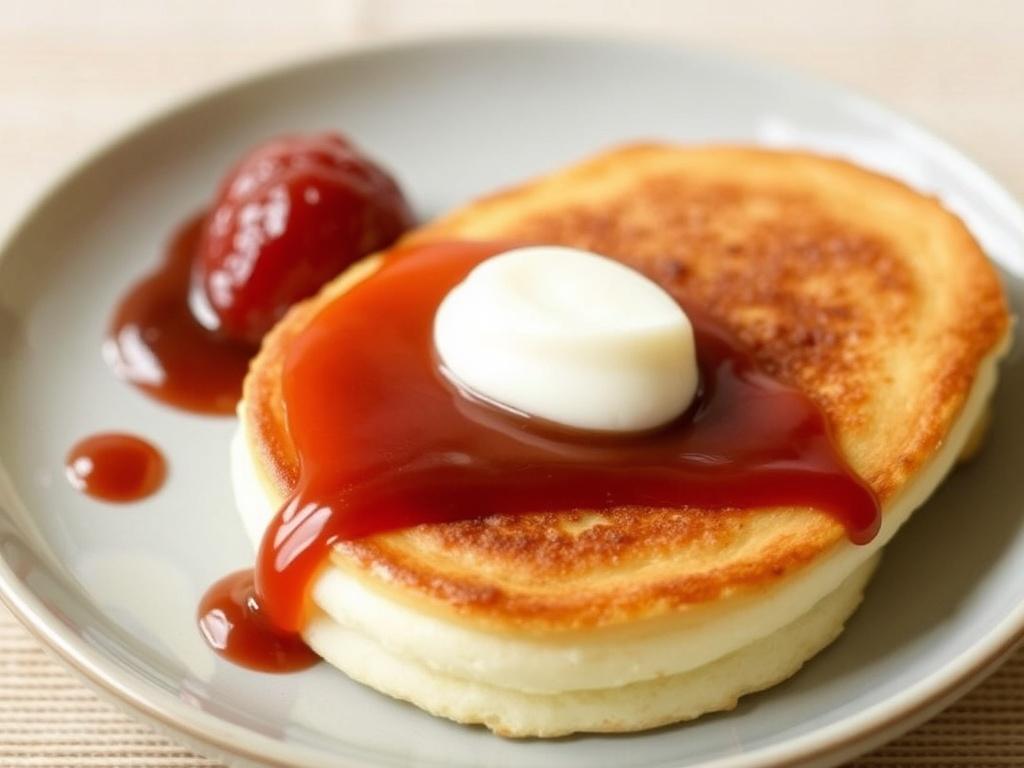
Below are three approachable recipes for home cooks: a classic cafe-style, a matcha twist, and a vegan adaptation using aquafaba. Each includes key tips so you get that airy, jiggly texture.
Recipe 1: Classic Japanese-style soufflé pancakes
- Ingredients: 2 large eggs (separated), 3 tbsp milk, 1 tbsp sugar, 1/2 tsp vanilla, 1/2 cup all-purpose flour, 1/4 tsp baking powder, pinch of salt, butter or oil for pan.
- Method: Whisk yolks with milk, vanilla, flour, baking powder and salt until smooth. Beat egg whites with sugar to soft-peak meringue. Fold one-third of whites into yolk mixture to loosen, then gently fold remaining whites until combined. Heat a nonstick pan over low heat, brush rings or use a wide spoon to pile batter into two tall rounds. Cover and cook gently 4–6 minutes per side until set. Serve immediately.
- Tips: Cook low and slow. Use a lid to trap steam and help the centers set.
Recipe 2: Matcha Japanese-style soufflé pancakes
- Modify the classic recipe by adding 1–1.5 tsp sifted ceremonial or culinary matcha to the dry ingredients. Serve with a dollop of sweetened red bean paste or mascarpone and a light dusting of matcha powder.
Recipe 3: Vegan aquafaba version
- Ingredients: 3/4 cup aquafaba (liquid from chickpeas), 1 cup plant milk, 1 cup all-purpose flour, 2 tbsp sugar, 1 tsp baking powder, 2 tbsp vegetable oil, pinch of salt.
- Method: Whip aquafaba to soft peaks, stir together dry ingredients and plant milk/oil, fold whipped aquafaba gently into batter. Cook as classic, keeping heat low and using a lid.
- Notes: Aquafaba whips differently from egg whites; aim for a light, glossy foam before folding.
What to eat with Japanese-style soufflé pancakes
These pancakes love simple accompaniments that highlight the texture: a small pat of high-quality butter and warm maple syrup, a scoop of vanilla ice cream and fresh berries, or a drizzle of condensed milk with sliced bananas. For a more Japanese twist, try matcha syrup, azuki (sweet red bean), or a dusting of kinako (roasted soybean flour). If you want to keep things lighter, plain Greek yogurt with honey and seasonal fruit complements the airy cake without overpowering it.
Final tips for home success
- Separate eggs carefully — even a little yolk in the whites reduces volume.
- Fold gently to retain air; don’t rush. A few streaks of white are okay.
- Use low heat and a lid for consistent cooking through the center.
- Serve right away; the texture is best freshly made.
If you love texture-focused food, Japanese-style soufflé pancakes are a small culinary thrill: they look dramatic, feel luxurious, and are surprisingly achievable. Try one of the recipes above and you might find breakfast was never the same again.


