
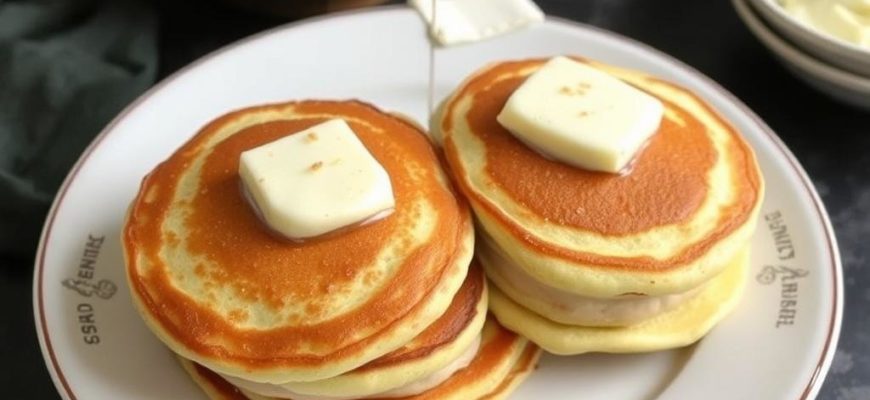
I remember the first time I tasted palachinke pancakes at a tiny kitchen table in Zagreb. They arrived rolled and steaming, the sweet smell of jam mingling with butter. One bite and everything else on the menu blurred out. If you like crepes, you will fall for palachinke too. They are simple, flexible, and somehow more homey than fancy. Read on and I’ll show you what palachinke really are, where they came from, why everyone has an opinion about fillings, and how to make three fail-safe versions at home.
- What it is Palachinke pancakes
- History Palachinke pancakes
- Where it first appeared Palachinke pancakes
- Interesting facts about Palachinke pancakes
- Nutritional value Palachinke pancakes
- Popularity in different countries Palachinke pancakes
- 3 best recipes for cooking Palachinke pancakes
- 1. Classic Batter (base recipe)
- 2. Sweet Rolled Palachinke with Nutella and Bananas
- 3. Savory Cheese and Mushroom Palachinke
- What to eat with Palachinke pancakes
- Final note
What it is Palachinke pancakes
Palachinke pancakes are thin, crepe-style pancakes popular across the Balkans. The batter is basic: flour, eggs, milk, and a little oil or butter. The key is making them very thin and flexible so they can be filled, rolled, or folded without tearing. Unlike thicker American pancakes, palachinke are almost like a quick edible blanket for whatever filling you fancy. They can be sweet or savory, breakfast or dessert, and they adapt to whatever the kitchen has on hand.
History Palachinke pancakes
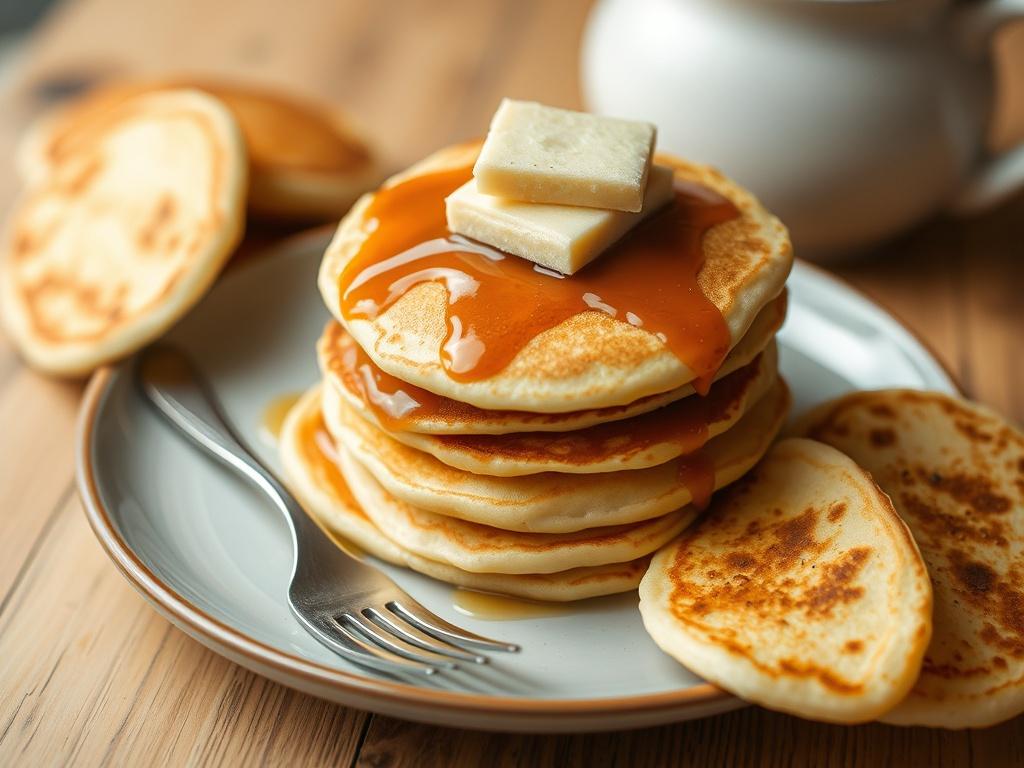
The story of palachinke is a story of shared kitchens and travel. Thin pancakes exist in many cultures, from French crepes to Hungarian palacsinta and Central European palatschinken. Palachinke likely evolved as a regional take on these thin pancakes, adapting to local ingredients and tastes. Over generations they moved from bakeries and home kitchens to cafes and street stalls. There is no single inventor here. Instead, palachinke are the result of culinary influence crossing borders, being tweaked and loved until they felt local.
Where it first appeared Palachinke pancakes
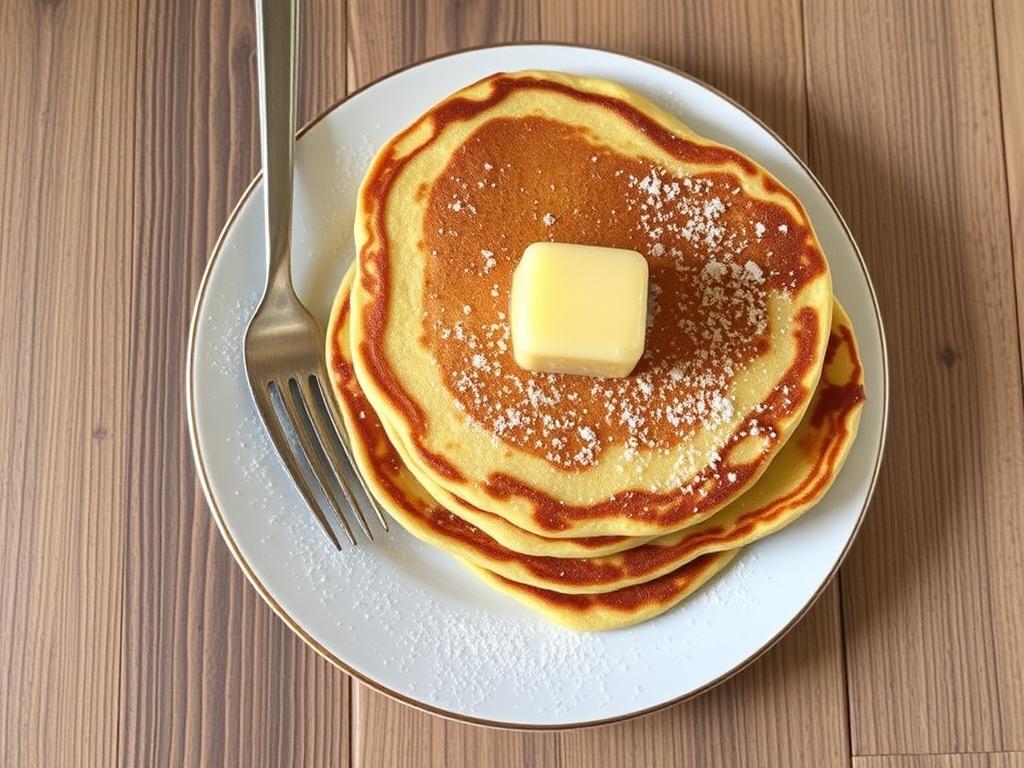
Pinpointing the exact birthplace is tricky. Palachinke are widely associated with the countries of the former Yugoslavia: Serbia, Croatia, Bosnia and Herzegovina, Slovenia, Montenegro, and North Macedonia. Similar versions are found in neighboring countries too, under different names. What matters more than the exact origin is that palachinke became a staple across households in this part of Europe. Every town has a grandma who makes them just a little differently, which is part of the charm.
Interesting facts about Palachinke pancakes
- They are versatile. One batter can produce sweet and savory dishes in the same meal.
- Names change but the concept stays. You will see palachinke, palatschinken, palacsinta, and clătite depending on the country.
- They travel easily. Palachinke are popular at markets, festivals, and roadside cafes because they are quick to make and easy to eat on the go.
- Fillings tell a story. From home jams and ground walnuts to modern spreads like chocolate hazelnut, fillings reflect local tastes and global trends.
- They are often part of family rituals. Bringing palachinke to the table can mean comfort, celebration, or a fast weekday treat.
Nutritional value Palachinke pancakes
Nutrition depends heavily on portion size and fillings. Below is an approximate guide for one medium plain palachinka (about 25–28 cm diameter) made with a standard batter.
| Nutrient | Approximate amount per pancake |
|---|---|
| Calories | 120–180 kcal |
| Protein | 4–6 g |
| Fat | 5–9 g |
| Carbohydrates | 15–25 g |
| Fiber | 0.5–2 g |
Adding Nutella, jam, sugar, or cheese will change these numbers a lot. For a lighter option, use low-fat milk, smaller amounts of oil, and fresh fruit for filling.
Popularity in different countries Palachinke pancakes
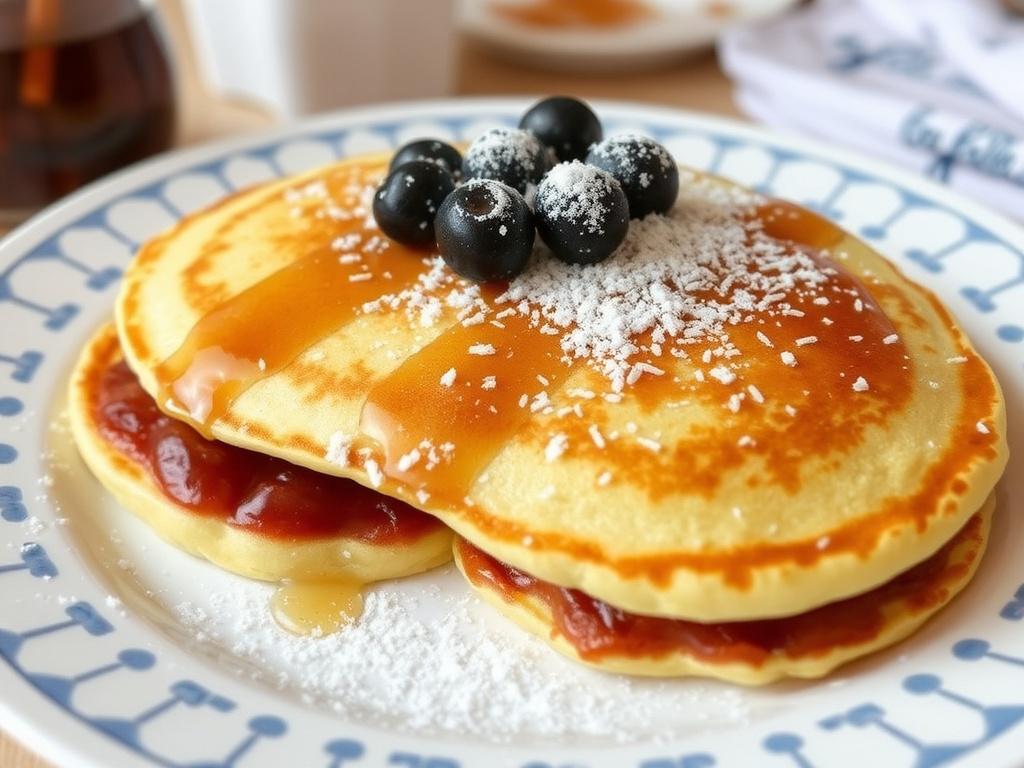
Across Central and Eastern Europe, thin pancakes have cousins with different names and slightly different techniques. In Hungary they are called palacsinta. In Austria and parts of Germany you may find palatschinken. Romania has clătite. Each country adapts the pancake to local tastes: ground walnuts and sugar in one place, cottage cheese and sour cream in another, chocolate spread everywhere these days. In the Balkans palachinke are especially common as an everyday street and home food. You will see them at fairs, in small cafés, and on family tables.
3 best recipes for cooking Palachinke pancakes
1. Classic Batter (base recipe)
- Ingredients: 1 cup (125 g) all-purpose flour, 2 large eggs, 1 1/4 cups (300 ml) milk, 1 tablespoon oil, pinch of salt, optional 1 tsp sugar for sweet versions.
- Method: Whisk flour and salt. Add eggs and half the milk, whisk until smooth. Stir in remaining milk and oil. Let rest 15–30 minutes. Heat a nonstick pan, lightly grease, pour a thin layer of batter and swirl to cover. Cook 1–2 minutes per side. Stack on a plate and keep covered.
- Tips: For ultra-thin palachinke, use a ladle to pour small amounts and swirl quickly.
2. Sweet Rolled Palachinke with Nutella and Bananas
- Ingredients: Classic batter, Nutella or chocolate spread, sliced bananas, powdered sugar.
- Method: Make batter and cook thin pancakes. Spread a thin layer of Nutella while the pancake is warm, add banana slices, roll up. Dust with powdered sugar and serve.
- Variation: Replace bananas with strawberries or use jam and crushed walnuts for a classic touch.
3. Savory Cheese and Mushroom Palachinke
- Ingredients: Classic batter, 200 g mushrooms sliced, 1 small onion chopped, 150 g ricotta or cottage cheese, salt and pepper, 1 tbsp olive oil.
- Method: Sauté onion and mushrooms until golden, season. Stir in ricotta and warm through. Fill cooked pancakes with the mixture, fold or roll, and heat briefly in the pan to set the filling.
- Serving: Great with a spoonful of sour cream or a light green salad.
What to eat with Palachinke pancakes
Palachinke are a canvas. Sweet options: jam, honey, Nutella, fresh fruit, chocolate sauce, ground walnuts with sugar, or cottage cheese sweetened with a little sugar and lemon. Savory options: cheeses, ham, mushrooms, spinach and feta, smoked salmon with cream cheese. For drinks, coffee or tea fits breakfast and dessert. For a more local pairing, try them with a glass of yogurt or a small pour of plum brandy for festive occasions. The rule is simple: balance richness with freshness, and do not be afraid to experiment.
Final note
Palachinke pancakes are one of those recipes that reward practice. The first few may look imperfect, but the taste will be there. Once you master the thin batter and the pan swirl, you’ll have a fast, flexible dish for any time of day. Try different fillings, and soon you’ll have your signature palachinka that friends will ask for whenever they come over.


