
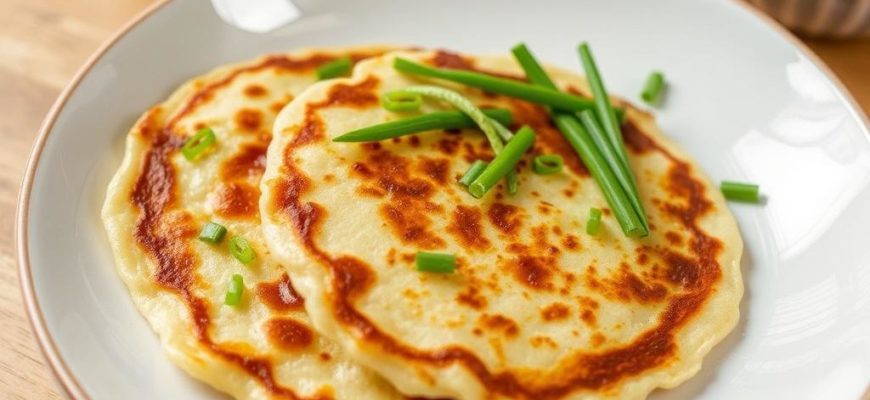
I love the sound of a pancake hitting hot oil — that little hiss, the edges turning golden, the scent of scallions and soy rising up. Korean pajon pancakes are one of those dishes that feel like home no matter where you are: simple batter, bright green scallions, a bit of drama when you flip it, and then the reward of a warm, savory bite. If you’ve ever wondered why people reach for these pancakes on rainy days, how they differ from other Korean jeon, or how to make a show-stopping haemul pajeon at home, stick around — this piece walks through the what, why, how, and the delicious who-with of Korean pajon pancakes.
- What makes Korean pajon pancakes special
- A quick historical snapshot of Korean pajon pancakes
- Where pajeon first appeared and how it spread
- Interesting facts about Korean pajon pancakes
- Nutritional value of Korean pajon pancakes
- How popular are Korean pajon pancakes around the world
- Three standout recipes for cooking Korean pajon pancakes
- 1. Classic scallion pajeon
- 2. Haemul pajeon (seafood)
- 3. Kimchi pajeon
- What to eat with Korean pajon pancakes
What makes Korean pajon pancakes special
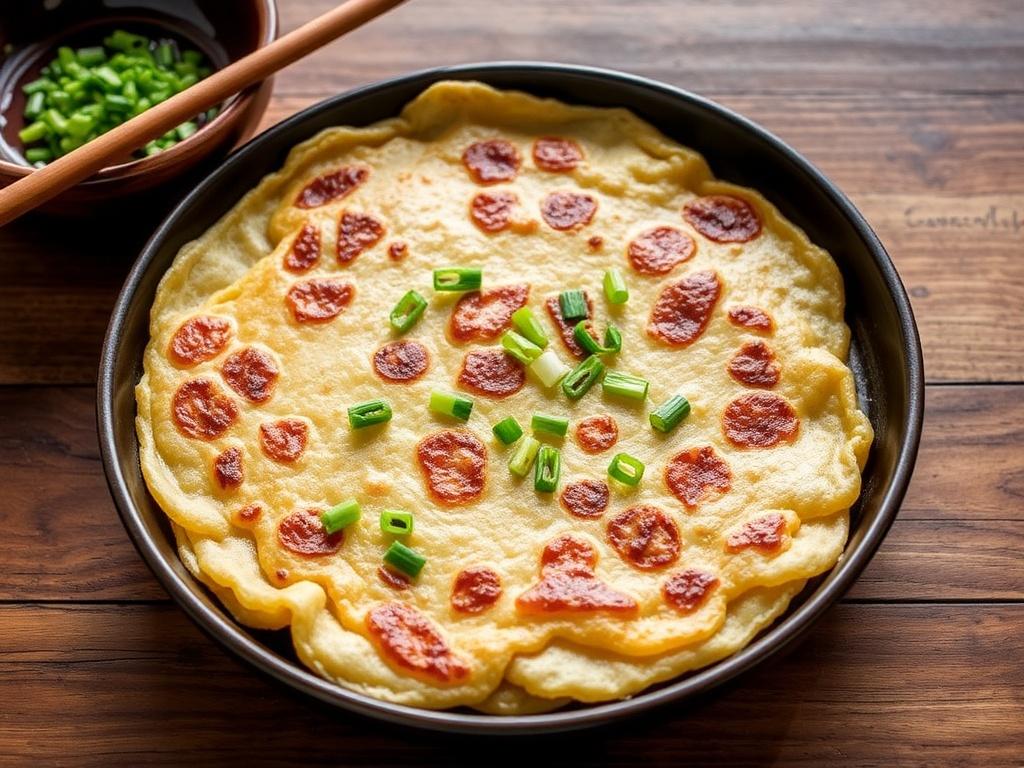
Pajon — more commonly spelled pajeon — is a Korean savory pancake where the star ingredient is green onion, or pa. Think of it as a batter that celebrates scallions: flour and water form a thin, slightly sticky canvas dotted with long, aromatic scallion stalks. From there you get variations: add seafood, kimchi, or just plain vegetables. What sets Korean pajon pancakes apart from Western pancakes is texture and purpose. They’re meant to be crisp at the edges, tender inside, and eaten as an appetizer, a snack, or shared over drinks. The dipping sauce — usually soy-based with vinegar and sesame oil — finishes each bite with a salty-tangy lift.
A quick historical snapshot of Korean pajon pancakes
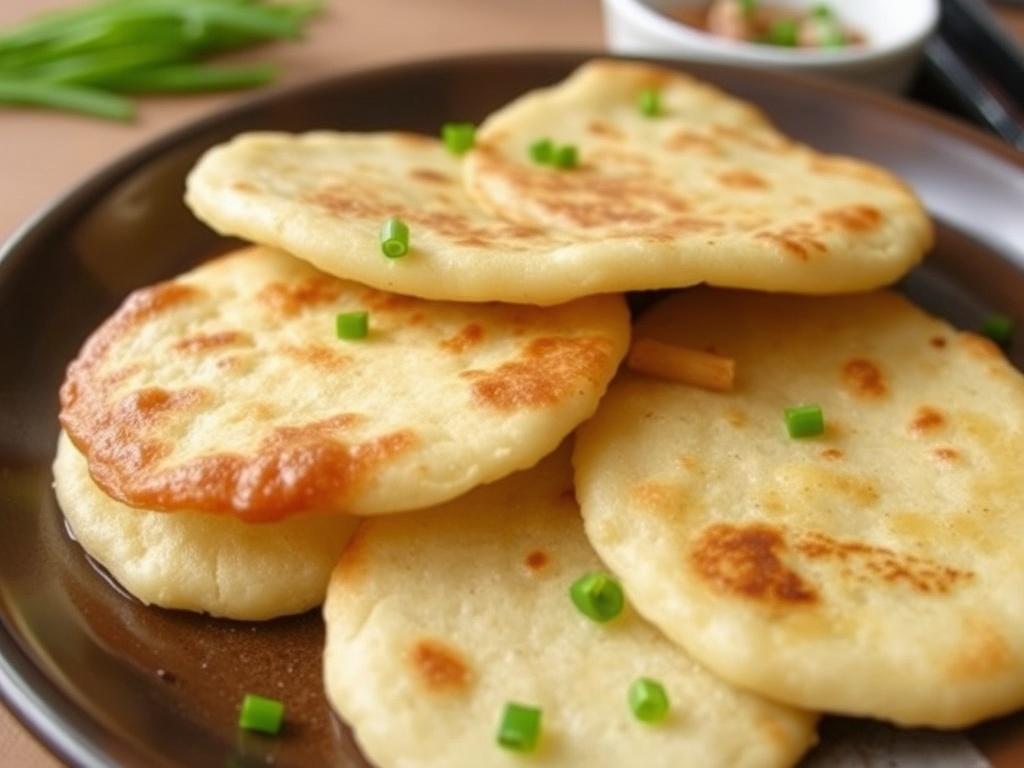
Pajeon belongs to the broader family of jeon, pan-fried savory cakes that have been part of Korean cuisine for centuries. Jeon recipes appear in historical cookbooks and were often prepared for special occasions and ancestral rites where small, shared dishes were customary. Over time, pajeon evolved from a modest household staple into a barroom favorite, especially in the company of makgeolli, a milky rice wine. The pancake’s sturdy, shareable nature made it perfect for communal eating, which is central to Korean dining culture.
Where pajeon first appeared and how it spread
Pajeon originated on the Korean peninsula. Regional variations emerged as local ingredients were added — coastal areas favored seafood-filled versions, while inland cooks emphasized vegetables and meats. The form we recognize today — scallion-heavy and pan-fried — likely solidified through household cooking traditions rather than a single invention moment. From Korea, pajeon traveled with migrants and through the global rise of Korean cuisine; now you can find it in Korean restaurants and street-food stalls from Seoul to Los Angeles.
Interesting facts about Korean pajon pancakes
- Rainy-day ritual: Many Koreans crave pajeon when it rains. The sound of raindrops on the roof pairs in the mind with the sizzle of pajeon frying — a cultural association that’s almost poetic.
- Makgeolli companion: Pajeon and makgeolli are a classic pairing. The slightly sweet, fizzy rice wine balances the pancake’s savory richness.
- Many names, one family: Pajeon is a type of jeon or buchimgae. Labels vary by ingredient: haemul pajeon includes seafood, kimchi jeon features fermented cabbage, and so on.
Nutritional value of Korean pajon pancakes
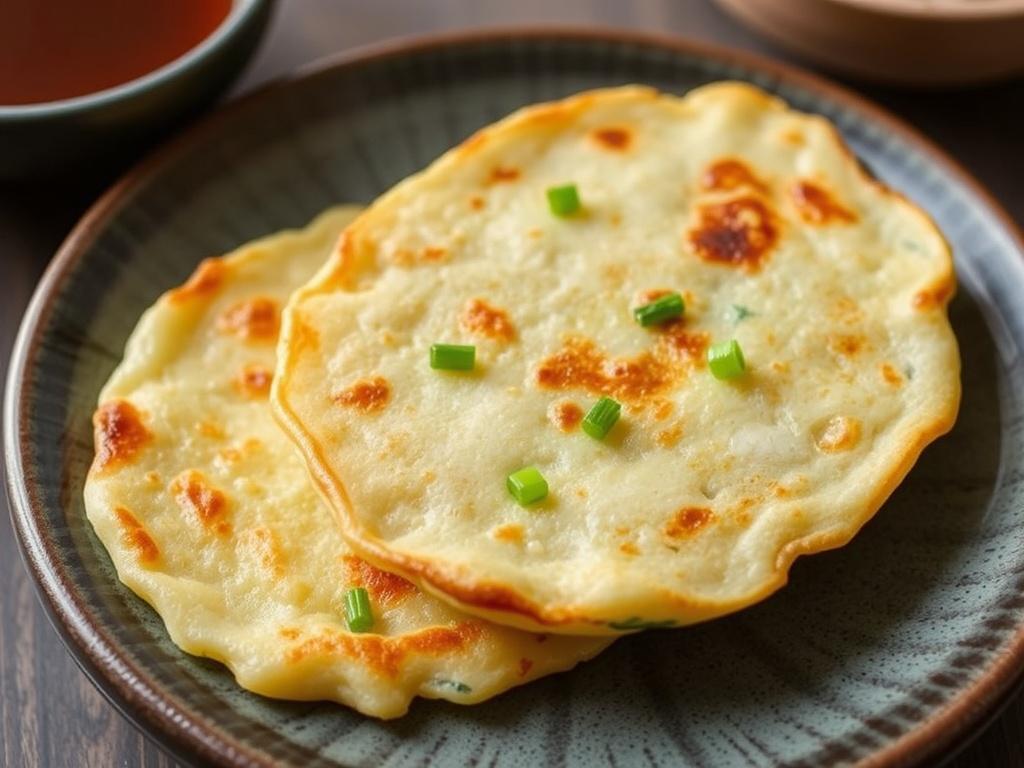
Nutritional content depends on ingredients and portion size. A standard homemade pajeon (about one medium pancake, 200–250 g) roughly contains:
| Component | Approximate per pancake |
|---|---|
| Calories | 300–450 kcal |
| Protein | 6–12 g |
| Fat | 10–20 g (varies by oil used) |
| Carbohydrates | 35–50 g |
| Fiber | 2–4 g |
Use whole-grain flour or reduce oil to make a lighter version. Adding seafood increases protein; kimchi adds probiotics and tang but also sodium. The dipping sauce contributes salt, so taste before adding more.
How popular are Korean pajon pancakes around the world
In South Korea, pajeon is ubiquitous — from home kitchens to marketplaces. Internationally, it gained traction with the Korean food wave: restaurants, food blogs, and cooking shows helped spread it. In North America, Europe, and parts of Asia, pajeon appears in both authentic Korean eateries and fusion menus. Chefs remix it as a brunch item, serve mini-pancakes as bar snacks, or use the batter idea for vegetable-forward appetizers. Its adaptability makes it a global crowd-pleaser.
Three standout recipes for cooking Korean pajon pancakes
Below are three reliable recipes to try, each with simple steps. Adjust salt and heat to taste.
1. Classic scallion pajeon
- Ingredients: 1 cup all-purpose flour, 1 cup cold water, 2 eggs, pinch salt, 8–10 long scallions, neutral oil for frying.
- Method: Whisk flour, water, eggs, and salt to a smooth batter. Trim scallions and lay them across a preheated oiled skillet. Pour batter over, spread gently, fry on medium until edges brown, then flip (use a plate to assist if needed). Cook until both sides golden. Serve hot with dipping sauce.
2. Haemul pajeon (seafood)
- Ingredients: Use classic batter, add 150–200 g mixed seafood (shrimp, squid, mussels), sliced scallions, optional chili slices.
- Method: Mix seafood into batter, pour into skillet, fry on medium-high until crispy. Seafood cooks quickly, so watch timing. Finish with toasted sesame oil drizzle.
3. Kimchi pajeon
- Ingredients: Classic batter plus 1 cup chopped well-drained kimchi, 1/4 cup kimchi juice, optional chopped scallions.
- Method: Fold kimchi into batter, reduce additional salt because kimchi is salty. Fry until crisp; serve with a soy-vinegar dip. This version is spicy, tangy, and deeply savory.
What to eat with Korean pajon pancakes
Dipping sauce is essential: mix soy sauce, rice vinegar, a little sugar, sesame oil, chopped garlic, and sliced chili or scallion. Beyond that, pair pajeon with:
- Makgeolli or light beer — the classic match
- Kimchi or pickled radish to cut the fat
- Steamed rice if you want a fuller meal
- A crisp salad for contrast
If you try making Korean pajon pancakes at home, start simple: a handful of scallions, a confident flip, and a small bowl of dipping sauce. Once you’ve nailed the basic technique, experiment — seafood one night, kimchi the next. The joy is in the sizzle and the sharing.


