

There’s something fascinating about dishes that carry a story—built from humble ingredients, yet packed with culture and history. Pig’s Blood Soup is exactly that kind of food. On the surface, it might sound unusual, maybe even off-putting to some. But dive a little deeper, and you find a dish that has been nourishing communities, carrying ancient recipes and bold flavors that connect people to their roots. It’s time to explore what makes Pig’s Blood Soup not just a meal, but a living tradition worthy of our curiosity and taste buds. Ready to find out what’s simmering in this intriguing bowl? Let’s start.
- What Exactly is Pig’s Blood Soup
- The Journey Through Time: History of Pig’s Blood Soup
- Tracing the Roots: Where Pig’s Blood Soup First Appeared
- Surprising Stories: Interesting Facts About Pig’s Blood Soup
- Food for the Body: Nutritional Value of Pig’s Blood Soup
- Global Taste: Popularity of Pig’s Blood Soup in Different Countries
- Cooking at Home: 3 Best Recipes for Pig’s Blood Soup
- 1. Traditional Chinese Pig’s Blood Soup
- 2. Filipino Dinuguan
- 3. Polish Czernina (Duck Blood Soup variation with pig’s blood option)
- Pairing Perfection: What to Eat with Pig’s Blood Soup
What Exactly is Pig’s Blood Soup
Pig’s Blood Soup might not be a daily staple for many, but it’s a dish with a straightforward concept. At its core, the soup uses coagulated pig’s blood combined with a savory broth filled with herbs, vegetables, and sometimes meats like pork or offal. The blood itself is typically solidified into cubes or strips, giving the soup a unique texture that contrasts with the broth’s liquid warmth. This kind of soup balances earthiness with a richness often missing from other dishes.
Depending on local traditions, the soup can range from spicy to mild, clear to thick. What ties them together is that distinct flavor—deep, mineral-like, and hearty. It’s a dish that asks you to experience food differently, appreciating the whole animal and culinary ingenuity behind it.
The Journey Through Time: History of Pig’s Blood Soup
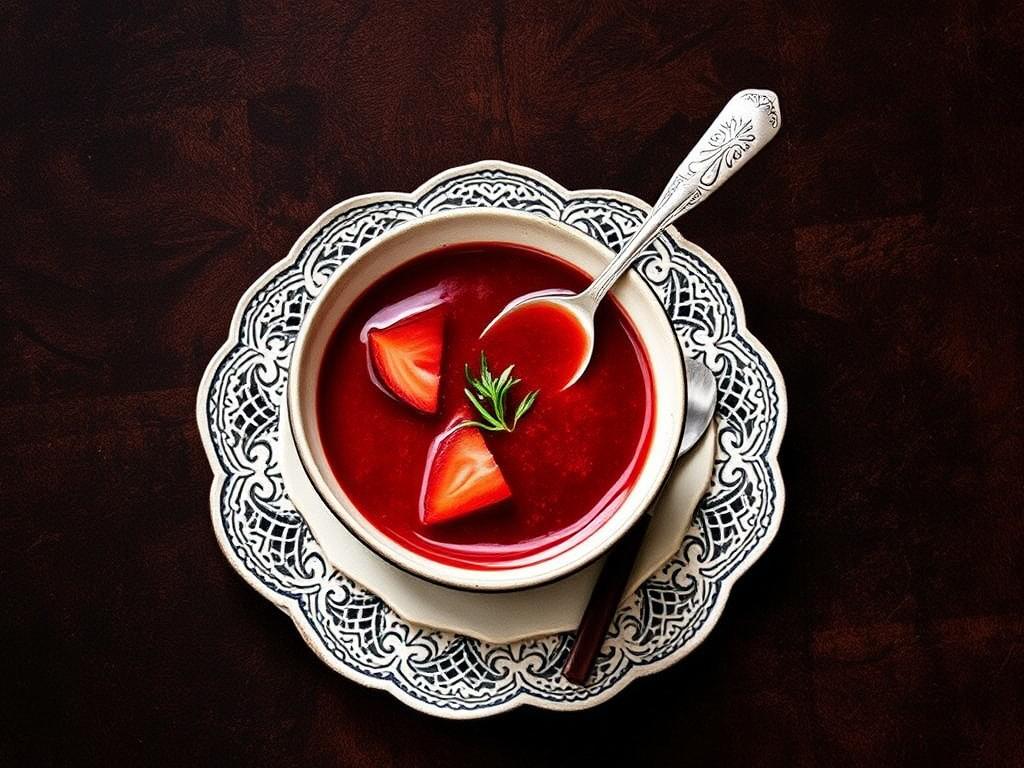
The origins of Pig’s Blood Soup reach back centuries. Various cultures have prepared some form of blood soup, but the pig’s blood version holds a special place, especially in East Asian and European gastronomy. Historically, it was born out of practical need. When no part of the animal was to be wasted, blood became a resource, transforming into a rich, nutritious ingredient.
In many villages, making pig’s blood soup was a communal event that combined skills and stories. Passed down through generations, the recipe morphed with local flavors but always maintained its identity as comfort food and sustenance. It tells a story of resilience—a food that fed families even in hard times.
Tracing the Roots: Where Pig’s Blood Soup First Appeared
Pinpointing exactly where Pig’s Blood Soup first appeared is tricky because many regions shaped their own versions independently. However, historical records and culinary traditions suggest East Asia and parts of Europe were among the earliest to develop distinct types.
In China, for example, versions like “Xue Tang” have been enjoyed for centuries, often flavored with ginger and garlic. In Europe, notably Poland and Germany, blood soups have been staples for rural communities where pig slaughter was a significant seasonal event. Each place claims a little ownership, showing how this dish transcends borders and invites shared appreciation.
Surprising Stories: Interesting Facts About Pig’s Blood Soup
You might be surprised by some aspects of Pig’s Blood Soup:
- Contrary to popular belief, blood used in cooking is sterile immediately after slaughter, making the dish safe when prepared properly.
- The soup is often celebrated for its health benefits in traditional medicine, believed to improve blood quality and vitality.
- Some regions use unique spices or herbs, like star anise or coriander, giving each version a distinctive aroma.
- It’s a communal dish, often tied to cultural festivals or family gatherings during pig slaughter seasons.
These tidbits reveal just how integral this soup is beyond just its flavor, embedding it into social and health practices.
Food for the Body: Nutritional Value of Pig’s Blood Soup
Pig’s Blood Soup packs quite a nutritional punch. Here’s a rough breakdown per serving:
| Nutrient | Amount | Benefit |
|---|---|---|
| Protein | 10-15g | Supports muscle repair and immune function |
| Iron | High | Promotes healthy red blood cells and combats anemia |
| Calcium | Moderate | Important for bone health |
| Vitamin B12 | Significant | Supports nervous system and energy metabolism |
| Low fat | Varies | Keeps calories reasonable depending on extras added |
Its rich iron content is especially notable—something many diets lack. This soup becomes more than just comfort; it’s a boost to nourishment.
Global Taste: Popularity of Pig’s Blood Soup in Different Countries
Pig’s Blood Soup has traveled far and wide. In Southeast Asia, countries like Vietnam serve it as part of street food culture, while in the Philippines, “Dinuguan” offers a thick, spicy stew version. In Europe, it’s often found in Eastern European cuisines as a celebratory dish during harvests or holidays.
Even with its niche appeal, this soup maintains devoted followings. It’s more than food—it’s identity. Travelers often find it a highlight or challenge to their palates. Meanwhile, locals treasure the taste as a reminder of home and heritage.
Cooking at Home: 3 Best Recipes for Pig’s Blood Soup
Here are three well-loved recipes showcasing the versatility of Pig’s Blood Soup:
1. Traditional Chinese Pig’s Blood Soup
Ingredients include pork blood cubes, ginger slices, garlic, green onions, and a light soy-based broth. Garnished with cilantro and a dash of white pepper, it’s subtle, warming, and soul-soothing.
2. Filipino Dinuguan
This hearty stew mixes pig’s blood with vinegar, garlic, onions, chili peppers, and pork meat. Rich and tangy, it’s best enjoyed with sticky white rice.
3. Polish Czernina (Duck Blood Soup variation with pig’s blood option)
A sweet-and-sour soup featuring pig’s blood, dried fruits, vinegar, and spices. Traditional and festive, it combines flavors you wouldn’t expect but somehow love.
Pairing Perfection: What to Eat with Pig’s Blood Soup
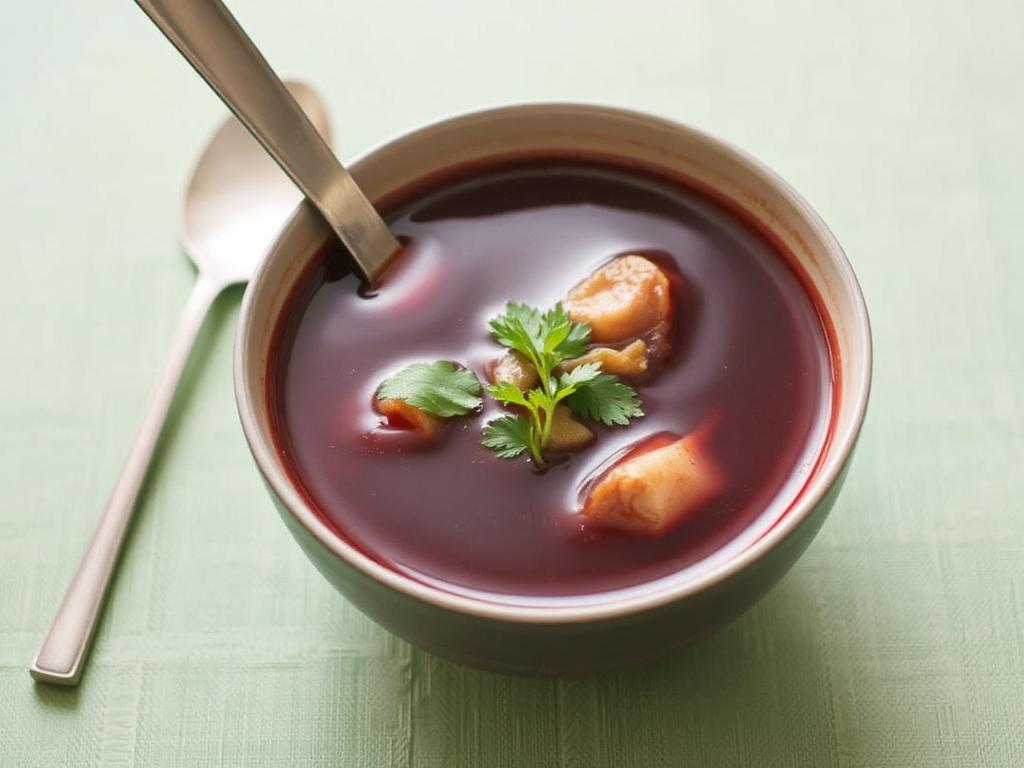
The ideal accompaniments vary by region, but a few constants appear. Starchy sides like rice, bread, or noodles help balance the boldness. In Vietnam, rice noodles turn the soup into a hearty meal. In Europe, rye or sourdough breads offer a satisfying contrast.
Also popular are fresh herbs and pickled vegetables. They bring brightness and cut through the richness. Don’t underestimate a squeeze of lime or a sprinkle of chili flakes to elevate each bite.
—
Exploring Pig’s Blood Soup invites us to step out of our comfort zones and discover how food connects culture, history, and nutrition in a single bowl. It’s a dish that challenges expectations and rewards curiosity. Give it a try—you might find it’s an unexpected favorite.


