

There’s something magical about a bowl of soup that feels like a warm hug on a chilly evening, especially when that soup is brimming with the ocean’s bounty. Cioppino Soup is one of those dishes that not only satisfies the palate but also tells a story through its fragrant broth and generous chunks of seafood. Whether you’re a seasoned cook or someone discovering seafood soups for the first time, understanding what makes Cioppino Soup special can completely change how you approach it in the kitchen. Imagine a medley of fresh fish, shellfish, and tomatoes simmering in a savory broth, filling your home with an irresistible aroma. Ready to learn about its roots, how to make it at home, and some tasty pairing ideas? Let’s take a deep dive into the world of Cioppino Soup.
- Unpacking Cioppino Soup: What You’re Actually Eating
- The Story Behind the Spoon: History of Cioppino Soup
- The Birthplace of a Classic: Where Cioppino Soup First Appeared
- Did You Know? Fascinating Tidbits About Cioppino Soup
- What’s Inside the Bowl Nutritionally: Cioppino Soup’s Nutritional Value
- Across the Globe: Popularity of Cioppino Soup in Different Countries
- Three Standout Cioppino Soup Recipes to Try at Home
- Classic San Francisco Cioppino
- Spicy Cioppino with Chili and Fennel
- Vegetarian-Inspired Cioppino Broth
- Perfect Pairings: What to Eat with Cioppino Soup
Unpacking Cioppino Soup: What You’re Actually Eating

If you’ve heard the name but aren’t quite sure what Cioppino Soup is, you’re in for a treat. At its core, Cioppino Soup is a seafood stew that originated on the West Coast of the United States, especially San Francisco. What sets it apart is the harmonious combination of various seafood—crab, clams, shrimp, mussels, and white fish—all cooked together in a rich tomato base that’s spiced with herbs, garlic, and wine. Unlike simple seafood broths, Cioppino is packed with chunky ingredients, making every spoonful hearty and satisfying. It’s less about being a pure soup and more of a robust stew, perfect for sharing or enjoying as a comforting solo meal.
The Story Behind the Spoon: History of Cioppino Soup
Every iconic recipe has a story, and Cioppino Soup is no exception. Its origins trace back to the late 19th century when Italian fishermen who had settled in San Francisco’s North Beach neighborhood began creating a dish with the surplus catch of the day. These fishermen didn’t focus on a single type of seafood—instead, they threw everything they had into a pot with some tomatoes, wine, and herbs, crafting a stew that captured the spirit of their Mediterranean heritage and the richness of the Pacific coast. The name ‘Cioppino’ itself is believed to derive from the Italian word “ciuppin,” meaning “to chop” or “to cut,” which reflects the dish’s chopped variety of seafood. From its humble immigrant roots, Cioppino Soup has grown into a celebrated American classic.
The Birthplace of a Classic: Where Cioppino Soup First Appeared
While seafood stews are common across many cultures, Cioppino Soup’s claim to fame lies squarely in San Francisco, California. This coastal city’s Italian immigrant community crafted the dish using Pacific Ocean fresh catches that were readily available. Fishermen would bring in a mixture of whatever they caught—a practice still echoed in how the stew is made today. The waterfront setting gave Cioppino Soup not just an abundance of ingredients but also a unique flavor profile, blending Italian cooking styles with West Coast seafood. Today, specialty seafood markets in San Francisco often highlight Cioppino as a must-try local dish, making it a culinary landmark of the city.
Did You Know? Fascinating Tidbits About Cioppino Soup
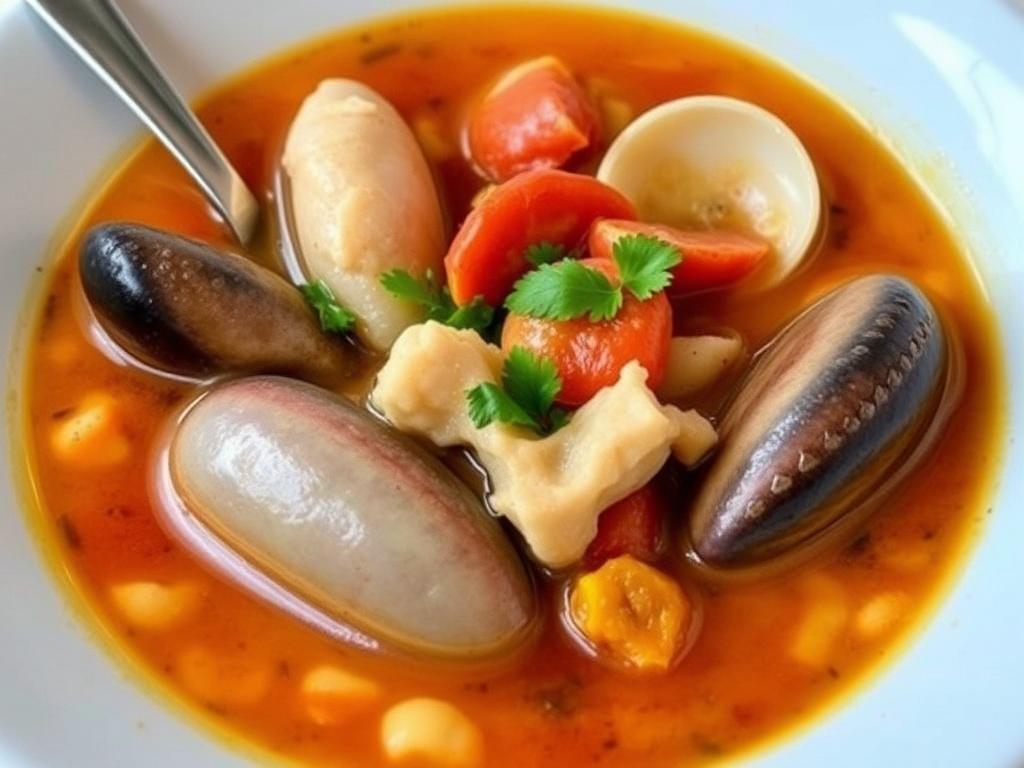
Here are some interesting facts about Cioppino Soup that might surprise you:
- The recipe varies widely because traditionally, it was created from whatever fish and shellfish were available that day, so no two batches are ever the same.
- Authentic Cioppino often uses Dungeness crab, a West Coast delicacy, to give it a distinct flavor.
- White wine, usually a dry variety like Sauvignon Blanc, is an essential ingredient that brightens the stew’s acidity and complements the seafood.
- The soup is often served with crusty sourdough bread, another San Francisco staple, used to soak up the delicious broth.
What’s Inside the Bowl Nutritionally: Cioppino Soup’s Nutritional Value
Besides being a flavorful dish, Cioppino Soup offers several nutritional benefits. Seafood provides plenty of lean protein, omega-3 fatty acids, and essential minerals like iodine and selenium. The tomato base adds vitamins A and C, along with antioxidants from the herbs and garlic. A typical serving is moderate in calories but rich in nutrients, making it a balanced option for many diets. However, depending on the recipe, the sodium content can be a bit on the higher side due to broth and seasoning, so it’s worth moderating salt use if you’re watching intake. Overall, Cioppino Soup is a nutritious meal that doesn’t sacrifice taste.
Across the Globe: Popularity of Cioppino Soup in Different Countries
While Cioppino Soup is a tradition from San Francisco, its appeal has crossed oceans. In Italy, you’ll find dishes that resemble it, like “zuppa di pesce,” but Cioppino’s fusion of Italian heritage and American ingredients makes it unique. In the United States, especially along the West Coast, it remains a beloved menu item in seafood restaurants and at home tables. Elsewhere—particularly in gourmet circles in Europe and Australia—Cioppino is gaining recognition as an exemplary seafood stew, appreciated for its complex flavors and rustic charm. Its popularity often depends on access to fresh seafood and a willingness to embrace mix-and-match cooking.
Three Standout Cioppino Soup Recipes to Try at Home
If you want to give Cioppino Soup a shot, here are three variations that highlight different aspects of this dish:
Classic San Francisco Cioppino
- Dungeness crab
- Mussels and clams
- Shrimp and firm white fish
- Tomato, garlic, onion base with white wine and fresh herbs
Spicy Cioppino with Chili and Fennel
- All traditional seafood plus red chili flakes
- Fennel bulbs for a subtle anise flavor
- Tomatoes roasted for deeper flavor
- Smoked paprika to add warmth
Vegetarian-Inspired Cioppino Broth
- Mushrooms and artichokes replacing seafood
- Hearty vegetable broth with tomatoes and herbs
- Optional pea protein or tofu for texture
- White wine and lemon zest for brightness
Each version carries the heart of Cioppino Soup but can be adjusted according to your taste or pantry content.
Perfect Pairings: What to Eat with Cioppino Soup
To truly enjoy Cioppino Soup, pairing it right matters. The classic companion is thick slices of toasted sourdough bread that soak up the rich broth with every bite. Some like to add a side salad with crisp greens and a light vinaigrette to balance the heaviness of the seafood stew. For drinks, a chilled glass of dry white wine complements the soup’s flavors perfectly. If you prefer beer, look for a crisp pilsner or pale ale to cut through the tomato richness. For those who want a heartier side, garlic mashed potatoes or polenta work beautifully, blending into the savory sauce of the soup.
By exploring the rich history, varied recipes, and the vibrant flavor combinations of Cioppino Soup, you’ll see why it holds a special place at tables near and far. Its blend of cultures, fresh seafood, and simple ingredients encourage both casual cooks and seasoned foodies to dive in and explore seafood cooking beyond the usual. So next time you crave something sturdy and comforting, but with a twist of the sea, Cioppino Soup might just be the answer you didn’t know you wanted.


