

There’s something truly charming about the humble Scottish pancake. Unlike their thinner cousins from other parts of the UK or the fluffy towers you might find stateside, these pancakes have their own personality — they’re thicker, richer, and carry a subtle tang that sets them apart. If you’ve ever wondered what Scottish pancakes are, or why they hold a special place in the heart of Scotland’s culinary scene, you’re in for a treat. Beyond just breakfast, these pancakes carry stories, history, and quite a few surprises about how they came to be a beloved staple. Trust me, once you dive into the world of Scottish pancakes, you might just want to start your day with one (or three).
- Delving into What Scottish Pancakes Really Are
- The Story Behind Scottish Pancakes: History and Origins
- Where Scottish Pancakes First Appeared
- Little-Known and Intriguing Facts about Scottish Pancakes
- Nutritional Value of Scottish Pancakes
- How Scottish Pancakes Gained Popularity Beyond Scotland
- Three Must-Try Scottish Pancake Recipes
- Classic Scottish Pancakes
- Oat-Based Scottish Pancakes
- Savory Scottish Pancakes with Herbs
- The Perfect Companions: What to Eat with Scottish Pancakes
Delving into What Scottish Pancakes Really Are
Scottish pancakes are not your typical thin crepes or the fluffy buttermilk pancakes you often see. They’re thicker, smaller in diameter, and boast a soft, dense texture that’s almost a cross between a pancake and a crumpet. Traditionally, Scottish pancakes are made with flour, eggs, milk, and sometimes a hint of baking powder to give them that soft rise, but without the intensity of American-style pancakes. They boast a mild sweetness and a subtly tangy flavor that often comes from the addition of buttermilk or natural acidity in the batter.
Unlike many pancake varieties, Scottish pancakes typically don’t pile on syrup or butter immediately. They’re often paired with hearty toppings such as golden syrup or served alongside a plate of bacon and eggs, offering both sweet and savory options. Their unique texture means they soak up toppings beautifully without falling apart, making them a delight whether you’re enjoying them at breakfast or as a comforting snack.
The Story Behind Scottish Pancakes: History and Origins
Understanding the history of Scottish pancakes gives this dish more depth than just a delicious meal. These pancakes have roots deep in Scotland’s culinary traditions, emerging from a need for simple, filling breakfasts that could sustain people through long, often cold days. Early mentions date back centuries, with recipes evolving from basic oat or barley cakes to the more refined versions we recognize today.
Historically, Scottish communities relied heavily on oats, a grain well-suited to the Scottish climate. While oats sometimes formed the base of these pancakes, the introduction of wheat flour and baking powder enhanced their fluffiness. The pancakes became a staple for farmers and travelers alike, offering nourishment that was easy to prepare and versatile.
Where Scottish Pancakes First Appeared
Scottish pancakes likely originated in rural Scotland, where oats were plentiful and meals needed to be economical yet sustaining. Small towns and countryside households would serve these pancakes commonly, often using ingredients they had on hand like buttermilk from their own cows or eggs from nearby hens. Over time, recipes traveled and adapted, but the heart of Scottish pancakes remained in the country’s northern regions. They were a comfort food, enjoyed during festive occasions and daily meals — a truly local gem before catching the eye of wider audiences.
Little-Known and Intriguing Facts about Scottish Pancakes
– Traditional Scottish pancakes are sometimes called “drop scones,” although “drop scones” can vary slightly in texture and size across Scotland.
– Unlike American pancakes, Scottish pancakes have less sugar in their batter, which allows the toppings to shine.
– They are frequently cooked on a griddle or frying pan without oil, so they develop a delicate, golden crust.
– In some areas of Scotland, people celebrate Shrove Tuesday (Pancake Day) by making Scottish pancakes instead of the thinner English version.
– These pancakes are culturally embedded in Highland hospitality, often served with local preserves, butter, or honey.
Nutritional Value of Scottish Pancakes
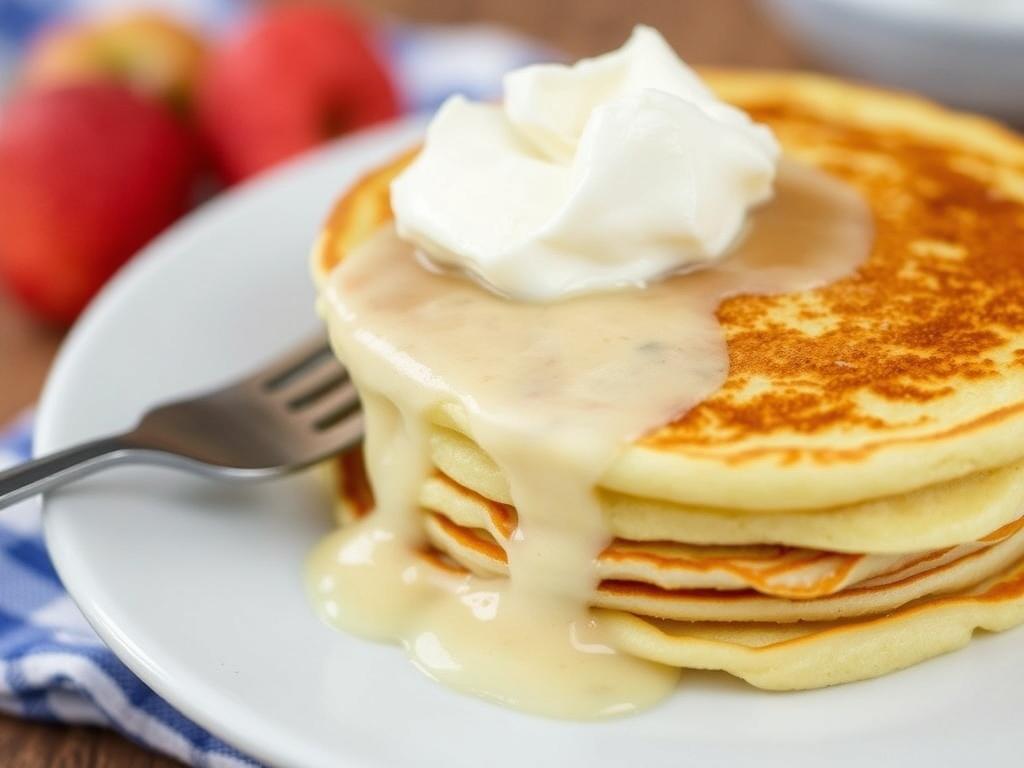
When you look at Scottish pancakes from a nutrition standpoint, they offer a surprisingly balanced profile. Here’s a rough idea of what a single pancake (about 60 grams) provides:
| Nutrient | Amount |
|---|---|
| Calories | 100-130 kcal |
| Carbohydrates | 18-22 grams |
| Protein | 3-4 grams |
| Fat | 2-3 grams |
| Fiber | 1-2 grams |
| Sugar | 1-3 grams |
Because they are often made with simple, whole ingredients without excessive sugar or fat, Scottish pancakes can fit well into a balanced diet. Add toppings like fresh fruits or a dollop of yogurt, and they become even healthier.
How Scottish Pancakes Gained Popularity Beyond Scotland
While Scottish pancakes remain a beloved traditional dish at home, they’ve also started winning hearts abroad. In countries with sizeable Scottish diaspora, like Canada, Australia, and the United States, you’ll find Scottish pancake recipes often featured in cafes aiming to offer authentic UK flavors. Food bloggers and chefs worldwide have praised their unique texture and flavor profile, sometimes adding their own twists like gluten-free flours or alternative milks.
Interestingly, Scottish pancakes have begun to carve out a niche in the brunch culture—a global trend thriving on meaningful, hearty dishes. Their versatility makes them suitable for sweet or savory pairings, lending themselves well to global palates seeking something beyond the usual pancake fare.
Three Must-Try Scottish Pancake Recipes
If you’re ready to bring a taste of Scotland home, here are a few recipes that really showcase the best of Scottish pancakes. Each one offers a slightly different spin, ensuring there’s something for every taste.
Classic Scottish Pancakes
- 1 cup all-purpose flour
- 2 tsp baking powder
- 1 egg
- 3/4 cup milk or buttermilk
- Pinch of salt
Mix dry ingredients, whisk the egg and milk, combine gently, cook on a non-stick pan until golden. Serve with butter and golden syrup or your favorite preserves.
Oat-Based Scottish Pancakes
- 3/4 cup rolled oats
- 1/2 cup whole wheat flour
- 1 tsp baking powder
- 1 large egg
- 3/4 cup buttermilk
- Pinch of salt
Blend the oats slightly for a finer texture or leave as is for more bite. Prepare as above, enjoy with honey or fresh cream.
Savory Scottish Pancakes with Herbs
- 1 cup flour
- 1 tsp baking powder
- 1 egg
- 3/4 cup milk
- 1 tbsp chopped fresh chives
- Salt and pepper to taste
Add herbs into the batter, cook as usual, and serve with smoked salmon, crème fraîche, or a poached egg. A lovely twist for lunch or brunch.
The Perfect Companions: What to Eat with Scottish Pancakes
Scottish pancakes adapt well to all kinds of toppings, from simple to lavish. Common choices include:
- Golden syrup or honey for a touch of sweetness
- Butter, melting into the warm pancake
- Fresh berries or fruit compotes adding brightness
- Smoked salmon and cream cheese for a savory option
- Crispy bacon and eggs for a hearty, full breakfast
Many Scottish families enjoy them in a way that suits their own tastes — some lean towards sweet decadence, others stick to comforting savory flavors. Try mixing and matching to find your own favorite combo.
—
Scottish pancakes are much more than just a breakfast food. They’re a part of Scotland’s heritage and continue to win over new fans with their distinctive taste and hearty, satisfying feel. Whether you’re curious about the history, interested in nutritional info, or just want to cook some yourself, Scottish pancakes open a door to a delicious tradition worth exploring. Next time you spot a recipe or hear about them, give these charming little cakes a chance — you might just find your new favorite way to start the day.


