

If you think you know pancakes, wait until you dive into the world of Danish pancakes. These aren’t just your usual breakfast stack; they carry a story, a taste, and a tradition that’s both simple and striking. Whether you’re a seasoned food lover or someone just curious about international flavors, Danish pancakes bring something unique to the table. Let’s unwrap this delicate, buttery delight and explore what makes Danish pancakes truly special and worth trying.
- The Essence of Danish Pancakes
- How Danish Pancakes Differ from Others
- The Story Behind Danish Pancakes
- Origins of Danish Pancakes
- Curious Tidbits That Make Danish Pancakes Stand Out
- Nutritional Insights into Danish Pancakes
- Global Appeal of Danish Pancakes
- Top 3 Danish Pancake Recipes to Try at Home
- Classic Danish Pancakes
- Danish Pancakes with Cardamom
- Savory Danish Pancakes with Smoked Salmon
- Perfect Pairings for Danish Pancakes
The Essence of Danish Pancakes

Danish pancakes are delicate, thin, and tender—imagine a crepe but with a softness that feels like it melts in your mouth. Unlike the thick American versions, these pancakes are rolled or folded with sweet or savory fillings. The batter usually involves basic ingredients: eggs, milk, flour, and a bit of sugar, but the texture and taste have a unique finesse that sets them apart. They are often smaller, thinner, and have a subtle buttery flavor that makes them effortlessly delicious.
How Danish Pancakes Differ from Others
To grasp the charm, picture the pancake you’d find at your typical diner—fluffy and thick. Now, Danish pancakes approach the texture from the other end: ultra-thin layers that are more delicate. Their thinness means fillings like jam, powdered sugar, whipped cream, or even smoked salmon shine through without the pancake overpowering the flavor. This lightness is at the core of what makes Danish pancakes a beloved treat.
The Story Behind Danish Pancakes
Tracing the history of Danish pancakes offers a glimpse into how food travels and evolves. Pancakes, in various forms, have existed globally for centuries. Danish pancakes, known locally as “pandekager,” have their own time-honored tradition. Dating back to medieval times, these pancakes have roots as a simple peasant food that transformed into a staple enjoyed at family gatherings and celebrations. Their adaptability contributed to their survival and evolution across generations.
Origins of Danish Pancakes
The story begins in Denmark, where ingredients were straightforward and accessible to most households: eggs from backyard chickens, flour from local grains, and milk. It was the perfect quick meal that you could prepare, add some seasonal fruits or jams, and enjoy. Over time, these pancakes weren’t just fuel for the day—they became a vehicle for comfort and indulgence. Stories from Danish culture highlight the role of pancakes in festivals and Sunday brunches, showcasing their deep roots.
Curious Tidbits That Make Danish Pancakes Stand Out
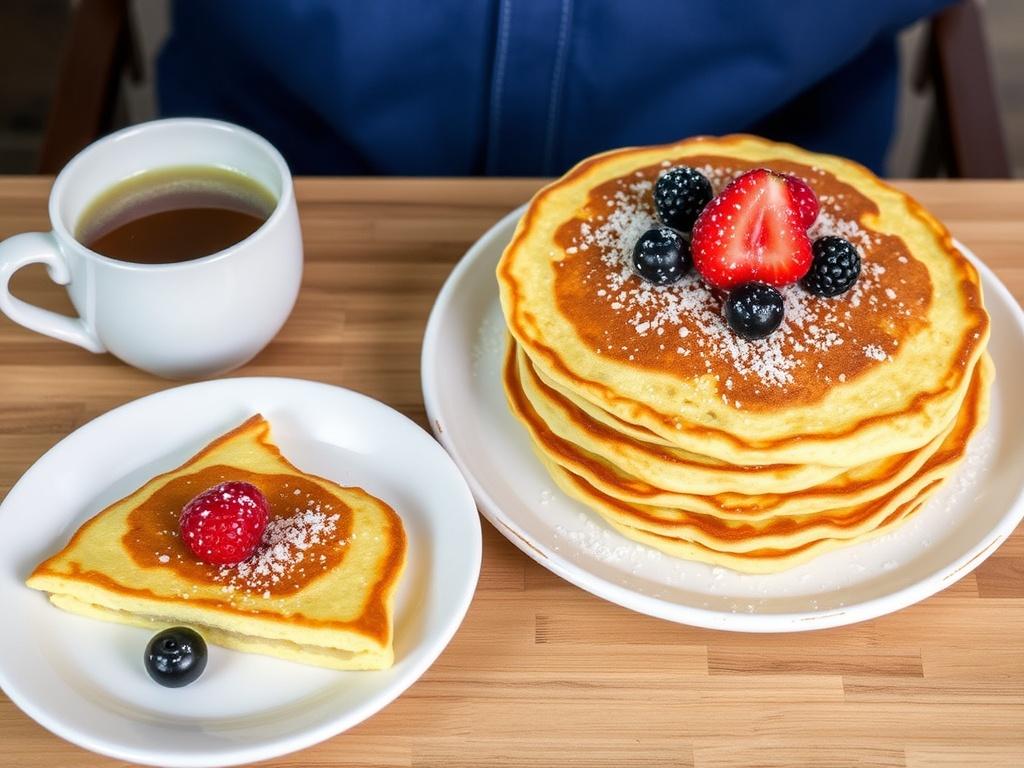
Here’s a list of some engaging facts about Danish pancakes you might not know:
- They often incorporate cardamom or lemon zest for an aromatic twist, unlike many other pancakes.
- Traditionally, Danes eat these pancakes with sugar and lemon juice rather than maple syrup.
- The method of folding or rolling them is an art form in itself, often passed down through families.
- It’s a common practice to serve them as an everyday dessert, not just a breakfast item.
- Children in Denmark grow up with “pandekagehaus,” pancake houses, which are beloved local spots.
Nutritional Insights into Danish Pancakes
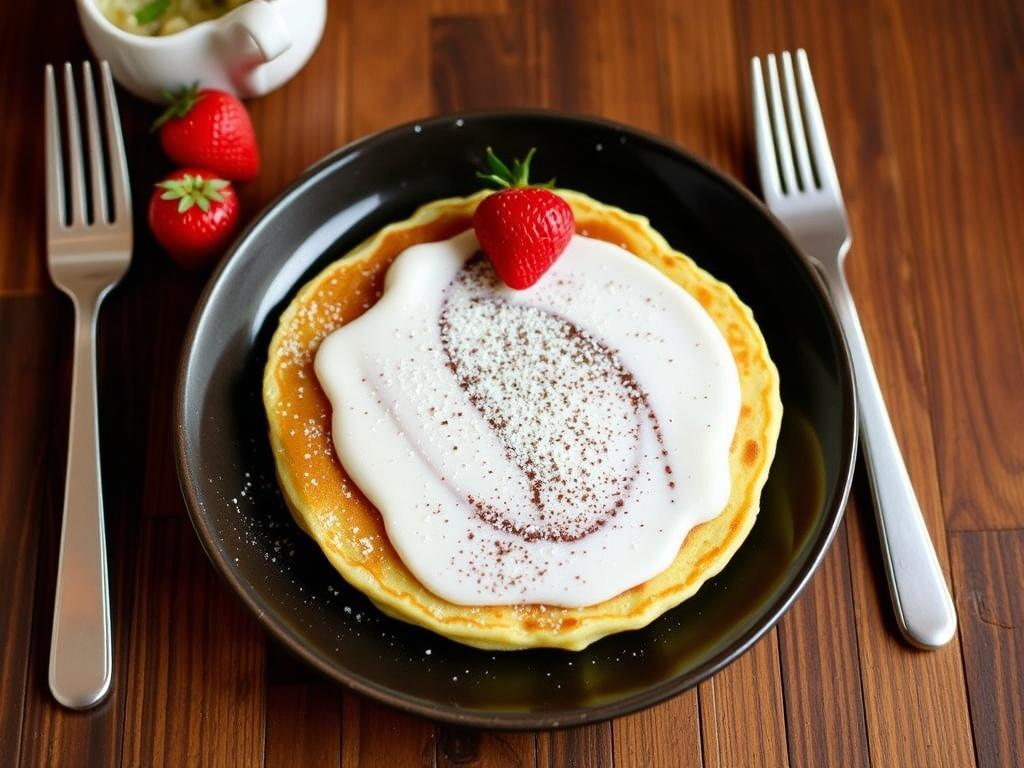
While delicious, Danish pancakes aren’t just empty calories. Here’s a quick breakdown of average nutritional content per serving (about 2 pancakes):
| Nutrient | Amount |
|---|---|
| Calories | 180-220 kcal |
| Protein | 6-8 grams |
| Carbohydrates | 25-30 grams |
| Fat | 6-10 grams |
| Sugar | 5-8 grams (depending on added sugar) |
Because the base ingredients are mostly natural, and the sugar content depends on what you add on top, Danish pancakes can fit nicely into a balanced diet when enjoyed in moderation.
Global Appeal of Danish Pancakes
Though they originated in Denmark, these pancakes have found fans worldwide. Their delicacy and versatility make them a perfect ambassador for Scandinavian cuisine. You’ll find them featured in cafes across Europe, trendy brunch spots in the United States, and specialty markets from Australia to Japan. The simplicity of the recipe fascinates chefs and home cooks alike, inspiring countless variations. They resonate especially well in cultures appreciative of subtle flavors and light pastries.
Top 3 Danish Pancake Recipes to Try at Home
Ready to make some yourself? Here are three of the best tried-and-true recipes that highlight the charm of Danish pancakes.
Classic Danish Pancakes
- 2 cups of milk
- 1 cup of all-purpose flour
- 3 eggs
- 2 tbsp sugar
- A pinch of salt
- Butter for frying
Beat eggs, add milk, flour, sugar, and salt until smooth. Fry thin layers in butter, turning quickly to keep pancakes soft and golden.
Danish Pancakes with Cardamom
Add a teaspoon of ground cardamom to the basic batter for a fragrant twist. Cardamom adds warmth and complexity without overpowering the gentle flavors.
Savory Danish Pancakes with Smoked Salmon
Make the classic batter but leave out sugar. Fill the cooked pancakes with cream cheese, smoked salmon, and fresh dill. Roll and serve cold for a sophisticated snack.
Perfect Pairings for Danish Pancakes
Wondering what to eat with Danish pancakes? Traditional accompaniments are simple yet bring the pancakes to life:
- Powdered sugar and a squeeze of fresh lemon juice – a classic that brightens the flavor.
- Homemade or store-bought fruit jams such as strawberry or raspberry.
- Whipped cream or crème fraîche to add a creamy touch.
- For savory versions, smoked salmon, crème fraîche, dill, or even sautéed mushrooms work wonderfully.
- Fresh berries or stewed apples for a natural sweetness without heaviness.
No matter if you prefer your pancakes sweet or savory, Danish pancakes provide a subtle canvas for endless creativity.
—
Danish pancakes invite you to slow down and enjoy something more than just food—they offer a taste of culture, history, and tradition in every bite. Try making them at home, explore their flavors, and maybe even start your own pancake ritual. Who knew something so thin could hold so much warmth?


