

There’s something magical about comfort food that connects people across different cultures, and fufu soup is a perfect example. If you’ve ever wondered what makes this dish so beloved and intriguing, you’re in for a treat. This isn’t just about a bowl of soup—it’s a deep dive into a culinary tradition teeming with history, flavor, and culture. Imagine a silky, stretchy dough paired with rich, savory broth and ingredients that tell stories from communities in West Africa and beyond. As you read on, you’ll uncover everything you need to know about fufu soup, from its origins to the best ways to enjoy it at your own table. Let’s dig in!
- What Is Fufu Soup
- History of Fufu Soup
- Where Fufu Soup First Appeared
- Interesting Facts About Fufu Soup
- Nutritional Value of Fufu Soup
- Popularity in Different Countries
- 3 Best Recipes for Cooking Fufu Soup
- 1. Ghanaian Fufu with Light Palm Nut Soup
- 2. Nigerian Fufu with Egusi Soup
- 3. Cameroonian Fufu with Okra Soup
- What to Eat with Fufu Soup
What Is Fufu Soup

Fufu soup isn’t just a meal; it’s a whole eating experience. At its core, “fufu” refers to a starchy dough made by pounding boiled starchy foods like cassava, yams, or plantains until soft and stretchy. It’s known for its unique texture—smooth, slightly sticky, and easy to pinch off with your fingers. The “soup” paired with fufu is a hearty, often spicy broth, filled with ingredients like fish, goat meat, leafy greens, and traditional spices. The combination creates a perfect balance: the mild, slightly tangy fufu softens intense flavors from the soup, making every bite a delightful contrast. Whether you dip the fufu into light palm nut soup or a thick, spicy okra stew, the experience is both nourishing and communal.
History of Fufu Soup
The roots of fufu soup trace back centuries, woven deeply into the fabric of West African food culture. Originally, fufu was a staple created by agrarian societies dependent on tubers and grains. Over time, as communities grew and traded, so did the recipes—each region adding its own twist. Early records suggest that fufu was not just everyday food but also a dish reserved for special gatherings and ceremonies. It reflects not only sustenance but also social ties. The process of making fufu—traditionally by pounding cassava or yams with wooden mortars and pestles—is more than preparation; it’s a ritual that binds community members together. This shared hands-on involvement is part of the dish’s lasting appeal.
Where Fufu Soup First Appeared
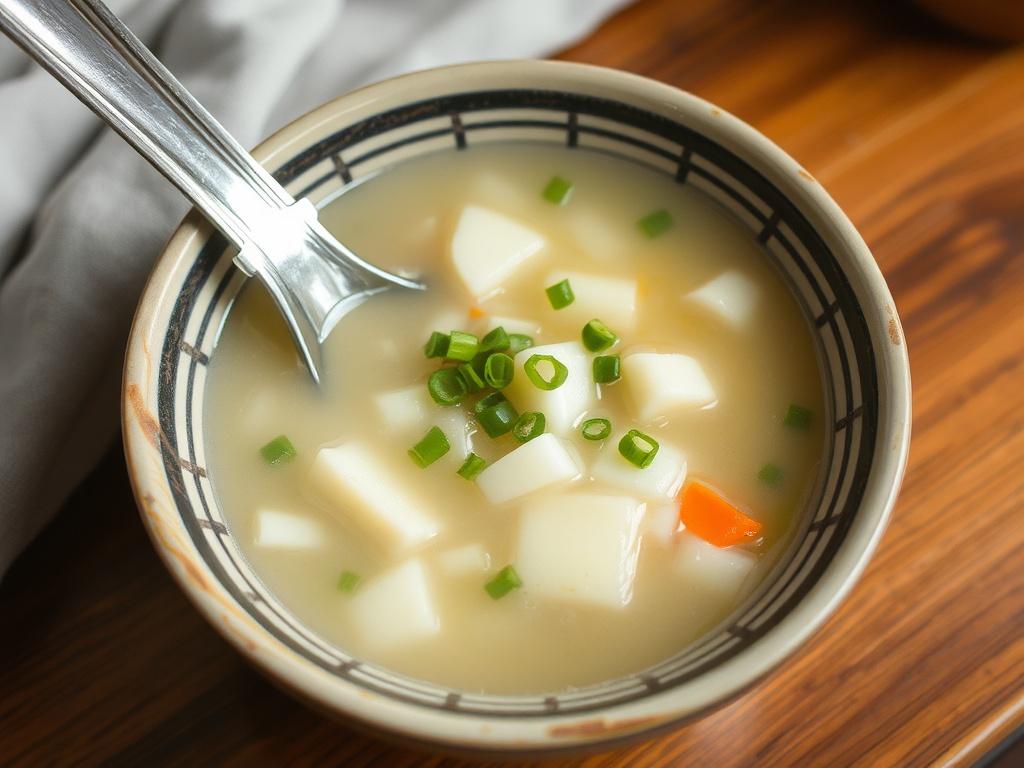
Fufu soup originated along the West African coast, spanning countries like Ghana, Nigeria, Ivory Coast, and Cameroon. Each of these places boasts its own variations, influenced by local ingredients and cultural preferences, but all revolve around the same principle of pairing fufu dough with a rich, flavorful soup. In Ghana, for example, fufu is often served with light soup or palm nut soup, highlighting seafood or goat meat. In Nigeria, egusi (melon seed) soup is more common. Despite variations, the core tradition remains: fufu soup is more than food; it is a communal experience that has sustained generations for hundreds of years.
Interesting Facts About Fufu Soup
There’s more to fufu soup than meets the eye. Here are a few nuggets that might surprise you:
- Traditional fufu preparation uses a wooden mortar and pestle, and pounding can take a good 15 to 30 minutes, making it a workout and a bonding activity all at once.
- People often eat fufu soup with their hands, using the dough to scoop up the soup—a tactile connection to the meal.
- Fufu has even made its way into global cuisine, inspiring fusion dishes and appearing on international menus far from its African roots.
- Its texture is so distinctive that there’s almost no exact substitute; some try using mashed potatoes, but it never quite matches the original softness and chew.
Nutritional Value of Fufu Soup
Beyond its taste and tradition, fufu soup packs a solid nutritional punch. The fufu itself is primarily carbohydrates, thanks to the cassava, yam, or plantain base, providing energy and dietary fiber. The soups accompanying fufu are usually rich in proteins and fat—think fish, meat, palm oil, and nut-based ingredients. Depending on the recipe, these soups can also offer a mix of vitamins and minerals from vegetables and spices. Overall, fufu soup provides a balanced meal: carbohydrates for fuel, proteins for muscle repair, and healthy fats for energy absorption. It’s what many West Africans rely on for both everyday nourishment and strength.
Popularity in Different Countries
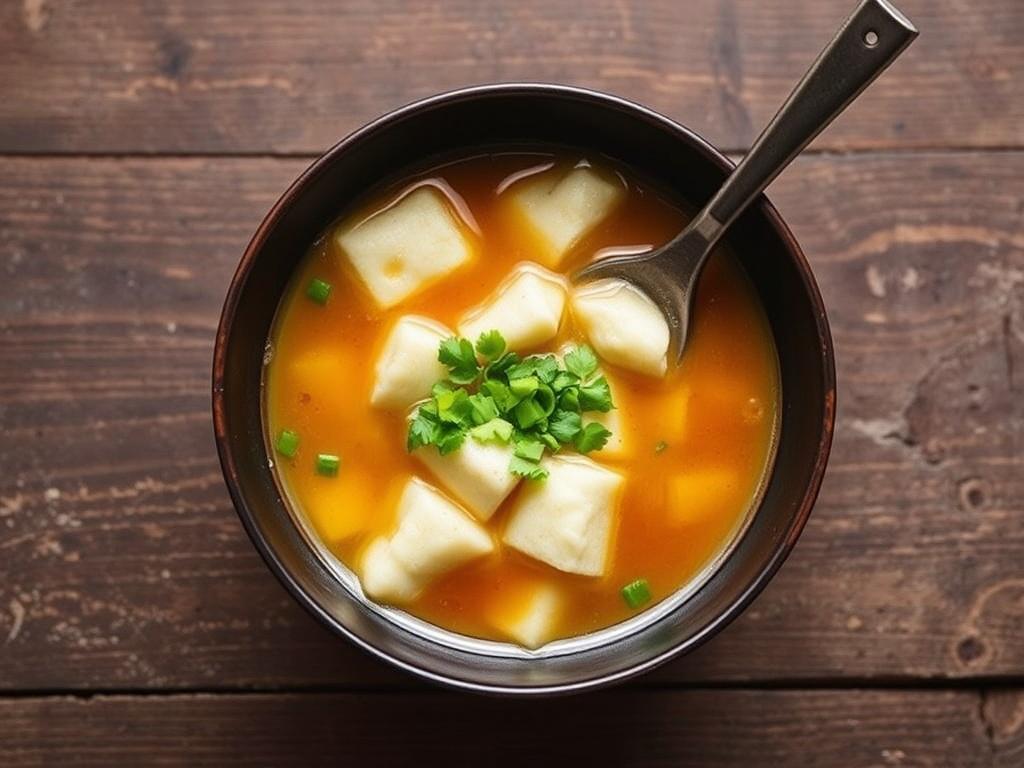
While fufu soup is most closely associated with West Africa, its popularity has spread to other parts of the world where African diasporas thrive. In cities with vibrant West African communities—in London, New York, and Toronto—you can find restaurants specializing in authentic fufu soup. The dish is gaining interest among food lovers seeking authentic global flavors. It’s not just nostalgia for expatriates; adventurous eaters are turning to fufu soup for its rich textures and bold, comforting flavors. The dish continues to evolve internationally, blending with other cuisines in exciting ways but always remembering its roots.
3 Best Recipes for Cooking Fufu Soup
Ready to make your own fufu soup? Here are three classic recipes to start with, each from a different country to highlight diverse flavors:
1. Ghanaian Fufu with Light Palm Nut Soup
- Fufu: Boil cassava and plantains, then pound or blend until stretchy.
- Soup: Palm nut fruit boiled, strained to get palm nut cream, cooked with tomatoes, onions, peppers, and fresh fish or goat meat.
- Serve fufu by hand, dipping into the rich palm nut soup.
2. Nigerian Fufu with Egusi Soup
- Fufu: Yam or cassava boiled and mashed to form dough.
- Soup: Ground melon seeds (egusi), cooked with spinach or bitter leaf, palm oil, assorted meat, and seasonings.
- Enjoy with your fingers—the classic way.
3. Cameroonian Fufu with Okra Soup
- Fufu: Made with cassava or cocoyam for a slightly different texture.
- Soup: Okra cooked with spices, tomatoes, chunks of meat or fish, and sometimes nuts, creating a thick, slimy, savory broth.
What to Eat with Fufu Soup
Fufu soup pairs best with hearty, flavorful soups but can also be enjoyed alongside side dishes that complement its neutral taste. Traditional pairings are leafy greens, spicy stews, and meats cooked in rich sauces. Common side dishes might include steamed vegetables or beans, but the essential action is always dipping the fufu into the soup or stew to combine textures and flavors. For those new to the dish, starting with a well-seasoned soup rich in umami and spices creates an inviting introduction. Eating with your hands is part of the ritual, so get ready to leave cutlery aside and embrace the full sensory experience.
—
Exploring fufu soup opens a door not just to a dish but to a cultural tradition cherished by millions. Its rich history, unique texture, and bold flavors make it an unforgettable culinary adventure. Whether you’re cooking it at home or ordering it abroad, fufu soup offers a tasty way to connect with a story that has been handed down through generations, bringing people together one bowl at a time.


