

If you’ve ever wandered into a Korean dining spot and caught a whiff of something savory, soothing, and oddly comforting, chances are you’ve brushed past Miyokkuk soup without even realizing it. This humble dish, brimming with wholesome ingredients and a quiet depth of flavor, goes beyond being just another soup. It carries stories, traditions, and a warm-heartedness that Korean kitchens are known for. Whether you’re a curious foodie or someone longing for a bowl that feels like a hug in winter, diving into the world of Miyokkuk might just surprise you with how versatile and meaningful a simple seaweed soup can be.
- What Miyokkuk Soup Really Is
- The Origins and History of Miyokkuk Soup
- The First Home of Miyokkuk Soup
- Curious Tidbits About Miyokkuk Soup
- Nutrition Snapshot of Miyokkuk Soup
- Where Miyokkuk Soup Has Traveled
- Top 3 Recipes to Master Miyokkuk Soup at Home
- Classic Beef Miyokkuk
- Seafood Miyokkuk Delight
- Vegan Miyokkuk
- What to Pair with Miyokkuk Soup
What Miyokkuk Soup Really Is
Let’s start at the beginning: Miyokkuk is a Korean seaweed soup, mainly centered around dried seaweed known as miyeok. The main ingredient, miyeok, is soaked, softened, and simmered, typically with beef or seafood broth, creating a light but flavor-packed broth. It’s gently seasoned with soy sauce, garlic, and sesame oil, offering a delicate balance between earthiness and umami. Unlike heavy stews or dense bisques, Miyokkuk is refreshing yet deeply satisfying, often served alongside a spread of rice and side dishes. The seaweed gives the soup a slight oceanic taste, blending beautifully with the tender texture of the broth.
This soup isn’t just about flavor; it reflects Korean culinary values — simplicity, healthfulness, and comfort. It’s easy to make but has layers of meaning, both in its taste and cultural importance.
The Origins and History of Miyokkuk Soup
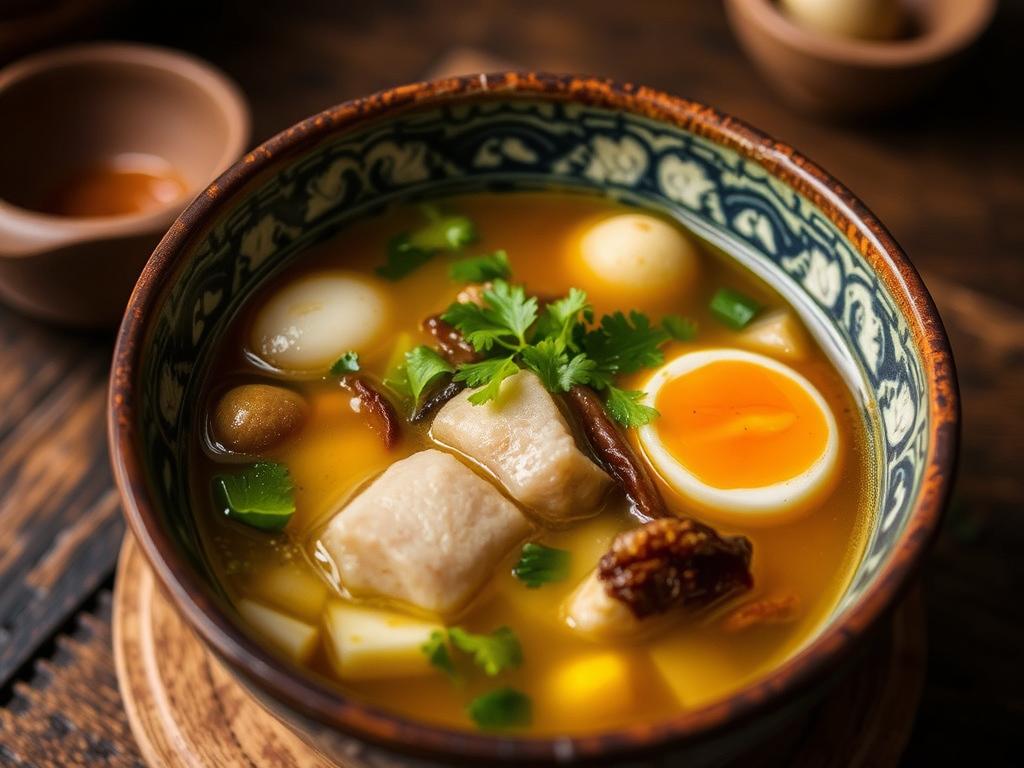
Miyokkuk has roots that stretch back centuries. The earliest records trace its significance to ancient Korean traditions where seaweed was abundant and highly valued, not just as food but as medicine. Traditionally, this soup was consumed by new mothers after childbirth because miyeok is believed to help with healing and replenishing nutrients. The wisdom behind this practice is closely tied to the mineral-rich nature of seaweed, which is loaded with calcium, iodine, and vitamins.
Over time, Miyokkuk became a staple beyond postpartum care. Korean households incorporated it into daily meals and festive occasions. Though it’s simple, it epitomizes the Korean idea of food as both nourishment and cultural expression. It also connects generations, as families share this soup at tables spanning centuries of history.
The First Home of Miyokkuk Soup
Miyokkuk’s birthplace is South Korea, particularly in the coastal regions where harvesting seaweed is part of daily life. Areas along the southern coast are renowned for their rich seaweed fields, making them the natural origin point for this dish. Early Korean villagers learned to dry and preserve miyeok, ensuring its availability year-round, which helped Miyokkuk transform from a seasonal luxury to an everyday comfort.
Today, every region in Korea has its twist, yet the essence remains the same: seaweed, broth, and a simple seasoning that highlights natural flavors.
Curious Tidbits About Miyokkuk Soup
Here’s where Miyokkuk gets intriguing. For example:
- It’s a common Korean birthday tradition to eat Miyokkuk for one’s birthday, paying tribute to mothers and the sustenance they provide.
- Many Koreans believe that seaweed soup improves skin health and detoxifies the body — probably thanks to its vitamin-packed profile.
- Seaweed used in Miyokkuk isn’t just nutritious but also sustainable, making it a dish aligned with eco-friendly eating.
- Despite its simplicity, Miyokkuk demands a delicate balance in cooking times — overcooking can make the seaweed mushy and the broth bitter.
These facts paint Miyokkuk not just as comfort food but a dish steeped in caring and mindfulness.
Nutrition Snapshot of Miyokkuk Soup
When it comes to nutrition, Miyokkuk shines. Here’s a quick look at what a typical serving offers:
| Nutrient | Amount per Serving | Benefit |
|---|---|---|
| Calories | 50-70 | Low calorie, great for light meals |
| Protein | 4-6 grams | Supports muscle upkeep |
| Fiber | 2-3 grams | Aids digestion |
| Calcium | 120 mg | Strengthens bones |
| Iodine | High | Vital for thyroid function |
| Vitamins A, C, and K | Notable amounts | Boost immune and skin health |
With this nutritional profile, Miyokkuk isn’t just tasty — it’s a smart choice for anyone mindful of health and balance.
Where Miyokkuk Soup Has Traveled
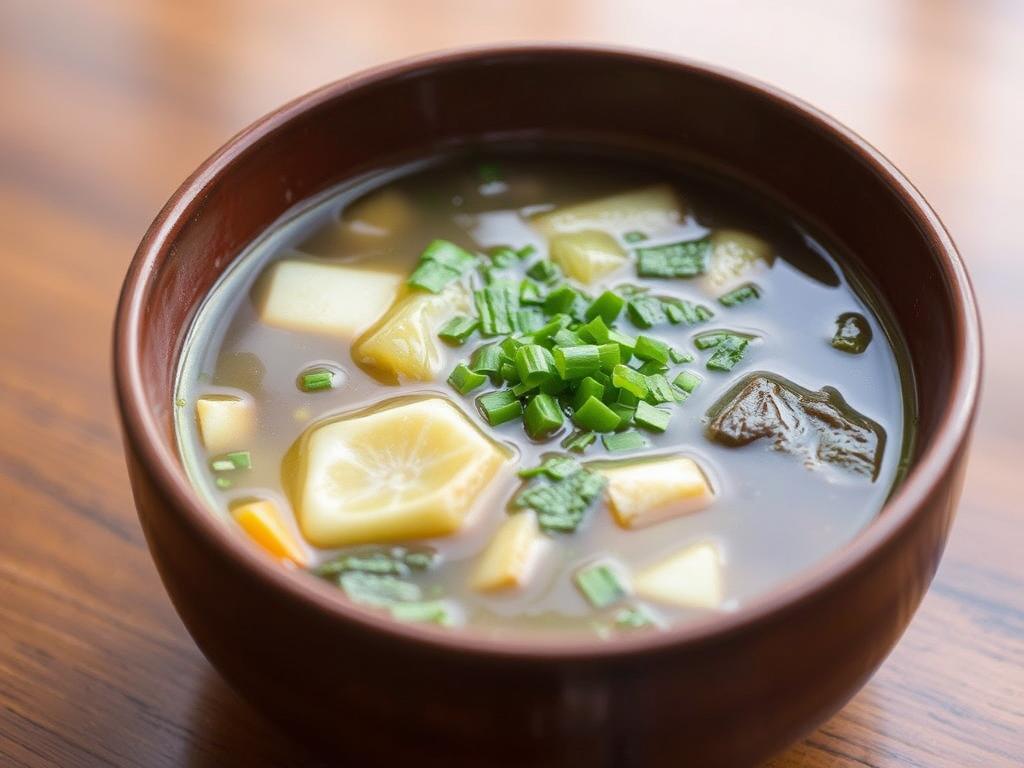
While Miyokkuk stays close to its Korean roots, it’s gradually found fans worldwide. Korean diaspora communities have brought this soup into homes on every continent. In cities with vibrant Korean populations — think New York, London, Sydney — Miyokkuk pops up on menus of Korean BBQ joints and casual eateries alike.
Interestingly, its popularity is also rising in health-conscious circles beyond traditional Korean restaurants because of the soup’s reputation for being light, nourishing, and packed with vitamins from sea vegetables. You might even see fusion versions with added ingredients to suit local tastes, but the classic Miyokkuk remains the soul of the dish.
Top 3 Recipes to Master Miyokkuk Soup at Home
Ready to make Miyokkuk yourself? Here are three tried-and-true recipes capturing different styles:
Classic Beef Miyokkuk
- Soak 20 grams dried miyeok until softened
- Brown 150 grams thinly sliced beef in sesame oil
- Add soaked miyeok, 4 cups beef broth, garlic, and soy sauce
- Simmer gently for 20 minutes
- Season with salt, pepper, and a splash of toasted sesame oil
Seafood Miyokkuk Delight
- Prepare miyeok as above
- Use a mix of shellfish like clams, shrimp, and mussels
- Simmer seaweed in a light fish broth
- Add seafood near the end to avoid overcooking
- Finish with chopped green onions and a squeeze of lemon
Vegan Miyokkuk
- Soak miyeok and rinse well
- Prepare vegetable broth infused with mushroom and kelp
- Add soy sauce, garlic, and ginger for depth
- Simmer miyeok here for 20 minutes
- Garnish with toasted sesame seeds
Each version offers a unique taste twist while respecting the soul of Miyokkuk.
What to Pair with Miyokkuk Soup
Miyokkuk’s gentle flavors call for complementary dishes that won’t overpower it. Typically, it’s served with steamed rice — a perfect pairing to soak up the broth. Korean side dishes (banchan) like kimchi, pickled radish, or lightly seasoned spinach enhance the meal’s variety and texture.
For a fuller meal, consider grilled fish or bulgogi (marinated beef), balancing protein and rich flavors. And if you want a simple, satisfying bite, a rolled omelette or a few vegetable pancakes work wonderfully.
—
Miyokkuk soup isn’t just a recipe. It’s a warm thread connecting Korean tradition, nutrition, and everyday comfort. Trying it might simply change the way you view seaweed — from something exotic to a kitchen staple bursting with history and life.


