

There’s something magical about a soup that tells a story — not just of its ingredients, but of centuries-old traditions, the coastal breeze, and the bustling markets of vibrant port cities. Bouillabaisse isn’t just a soup; it’s an experience, a dive into the rich culinary heritage of southern France that beckons food lovers from all corners of the globe. If you ever wondered what makes this famous fish stew so irresistible, or how a simple fisherman’s broth transformed into a celebrated dish, you’re about to embark on a flavorful journey that unveils all the secrets behind Soup Bouillabaisse. From its origins to the best ways to enjoy it today, prepare to be tempted by tales, tastes, and recipes that celebrate one of the most iconic soups in the world.
- Unveiling the Essence of Soup Bouillabaisse
- The Rich History of Soup Bouillabaisse
- The Birthplace of Bouillabaisse: A Coastal Tradition
- Fascinating Facts About Soup Bouillabaisse
- The Nutritional Value of Soup Bouillabaisse
- How Soup Bouillabaisse Captures Taste Buds Worldwide
- 3 Classic Recipes to Make Soup Bouillabaisse at Home
- Traditional Marseille Bouillabaisse
- Easy Weeknight Bouillabaisse
- Vegetarian-Inspired Bouillabaisse
- The Perfect Pairings to Enjoy with Soup Bouillabaisse
Unveiling the Essence of Soup Bouillabaisse
Let’s start by understanding exactly what Soup Bouillabaisse is. At its core, bouillabaisse is a traditional Provençal fish stew that originated from the port city of Marseille in southern France. Unlike your everyday soup, bouillabaisse is a medley of various Mediterranean fish, shellfish, and aromatic herbs simmered together to create a rich, flavorful broth. What makes this soup truly special is the unique blend of fresh fish – typically the less marketable ones caught by local fishermen – and the use of fragrant Provençal herbs like fennel, saffron, and orange peel that infuse the broth with bright, complex notes. The name itself comes from the Provençal words “bolhir” (to boil) and “abaissar” (to reduce heat), reflecting the cooking technique where ingredients are briefly boiled and then simmered gently.
This dish isn’t just fish swimming in broth; it’s usually served in a very specific way that heightens the experience. Traditionally, the broth is served first, often accompanied by a garlicky toast called “rouille,” a rich mayonnaise-like sauce made with olive oil, garlic, saffron, and chili, perfect for dunking into the hearty liquid. After savoring the broth, the varied pieces of fish and seafood are presented separately for eating, letting you enjoy the distinct textures and flavors of each component.
The Rich History of Soup Bouillabaisse
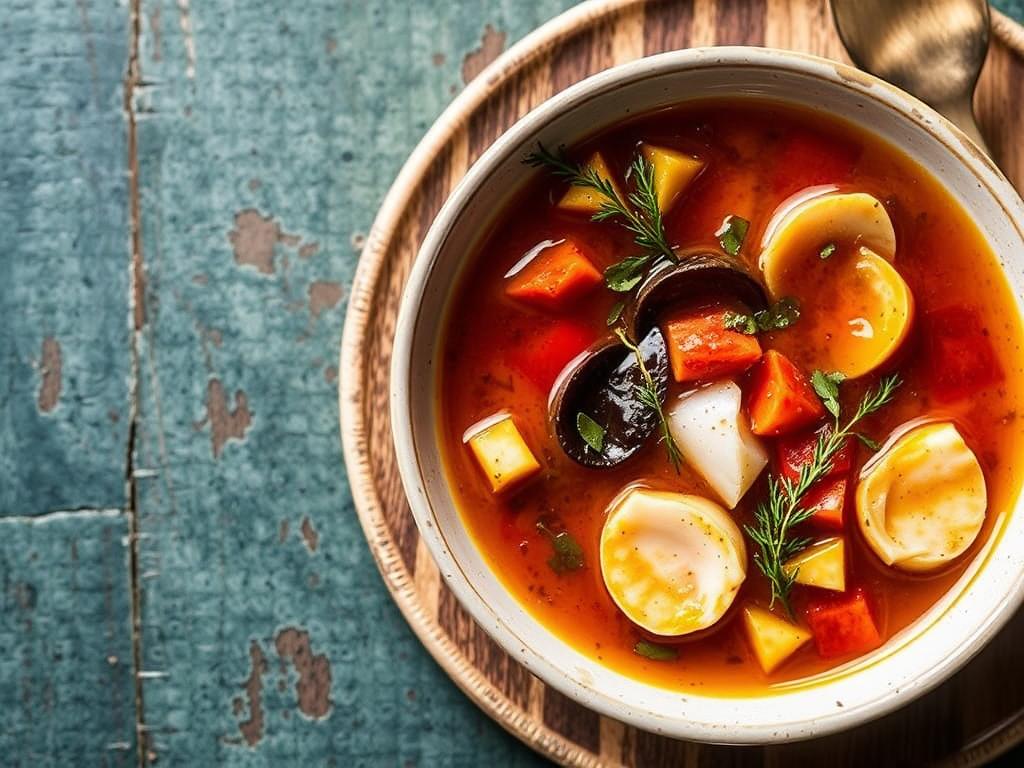
Bouillabaisse’s story goes far beyond the kitchen—it’s a window into Provence’s past. Originally crafted by Marseille’s fisherman, it was a practical, no-waste meal. Fishermen used fish that weren’t suitable for sale at market – the bony, ugly, or less popular species – boiling them together with fragrant herbs and vegetables to create a nourishing, sustaining stew. The simplicity of its ingredients reflected the humble origins of the dish, but over time it evolved into a sophisticated culinary masterpiece beloved by gourmets worldwide.
Historically, bouillabaisse was more of a home-cooked comfort food until the 19th century when its fame spread, partly thanks to the rise of Provence as a tourist destination. Not only did travelers fall in love with its taste, but chefs started to refine and elevate its preparation. Today, it’s synonymous with Marseille’s identity and provincial pride, often featured at festive occasions or served in restaurants that seek to preserve authentic regional flavors.
The Birthplace of Bouillabaisse: A Coastal Tradition
Marseille is undoubtedly where Soup Bouillabaisse first appeared. This bustling Mediterranean port city, rich in maritime culture, is where fishermen’s traditions met Mediterranean flavors. The diversity of fish in the local waters plays a key role in the character of bouillabaisse—typical varieties used include rascasse (scorpionfish), conger eel, sea robin, and shellfish. The city’s cultural mix, including influences from North Africa, Italy, and Spain, further shaped the culinary nuances of the soup.
What’s fascinating is that “bouillabaisse” wasn’t just a food but a social ritual for Marseille’s fishing communities. It’s said fishermen would gather after a day at sea, cooking this stew together while sharing stories and camaraderie, making the soup a symbol of friendship and local heritage.
Fascinating Facts About Soup Bouillabaisse
– Bouillabaisse originally meant a method of cooking: boil the broth and then lower the heat to simmer.
– The dish has strict traditional rules in Marseille: at least three kinds of fish must be used, and rouille is an essential accompaniment.
– Legend says that if you can’t find the proper fish, your bouillabaisse isn’t authentic!
– The fish stock is often made with fish heads and bones, emphasizing the “nose-to-tail” ethos long before it was trendy.
– Bouillabaisse was once considered “poor man’s food” but is now served in high-end restaurants at premium prices.
The Nutritional Value of Soup Bouillabaisse
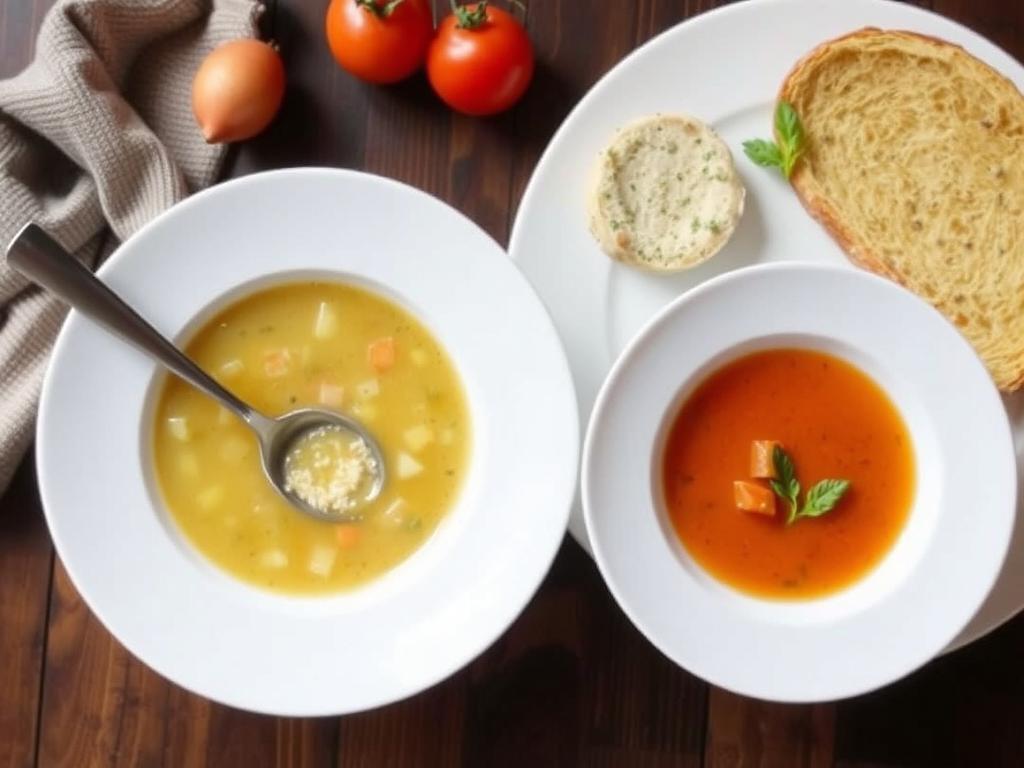
Besides being a festival of flavors, Soup Bouillabaisse packs an impressive nutritional profile. The fish-rich broth provides high-quality protein, essential omega-3 fatty acids, and important vitamins like B12 and D, which are great for heart and brain health. With minimal added fats and lots of herbs and vegetables, bouillabaisse offers a nourishing, low-calorie meal option that’s rich in antioxidants thanks to the saffron and garlic content.
| Nutrient | Approximate Content (per serving) | Health Benefits |
|---|---|---|
| Protein | 25-30g | Essential for muscle repair and growth |
| Omega-3 Fatty Acids | 1-2g | Supports cardiovascular health |
| Vitamin B12 | 2.4 mcg | Important for nerve function and blood formation |
| Vitamin D | 5-10 mcg | Boosts immune system and bone health |
| Calories | 250-350 kcal | Moderate calorie count for a filling meal |
How Soup Bouillabaisse Captures Taste Buds Worldwide
While its roots are deeply entrenched in French culture, Soup Bouillabaisse’s popularity has spread far beyond the shores of Marseille. Across Europe, restaurants serve their own interpretations, often substituting fish types based on local availability. In the United States, for example, bouillabaisse is popular in coastal cities like New Orleans and San Francisco, where fresh seafood abounds. The dish’s blend of robust seafood flavors and aromatic herbs appeals to foodies looking for something hearty yet sophisticated.
Interestingly, bouillabaisse has even inspired global fusion dishes, combining Provençal techniques with flavors from Asia or Latin America, proving its flexibility and enduring allure. Whether it’s served in a rustic bistro or a fine dining restaurant, it continues to be a symbol of culinary adventure and cultural heritage.
3 Classic Recipes to Make Soup Bouillabaisse at Home
Ready to try making bouillabaisse yourself? Here are three signature recipes that cover the spectrum from traditional to modern twists.
Traditional Marseille Bouillabaisse
- Ingredients: rascasse fish, conger eel, sea robin, fennel, saffron, tomatoes, garlic, onions, orange peel
- Method: Slowly simmer the fish with herbs and vegetables, strain and serve broth with rouille and toasted bread, followed by the fish pieces
- Tip: Use fresh Mediterranean fish for best results
Easy Weeknight Bouillabaisse
- Ingredients: mixed firm white fish (cod, haddock), shrimp, fennel, canned tomatoes, saffron powder
- Method: Use store-bought fish stock to save time; add seafood and simmer gently
- Tip: Serve with crusty French bread and garlic aioli
Vegetarian-Inspired Bouillabaisse
- Ingredients: king oyster mushrooms (to mimic fish texture), tomato broth, fennel, saffron, garlic, leeks
- Method: Roast mushrooms to add umami, simmer in rich vegetable and saffron broth
- Tip: Garnish with fresh herbs and serve with rouille-style vegan dip
The Perfect Pairings to Enjoy with Soup Bouillabaisse
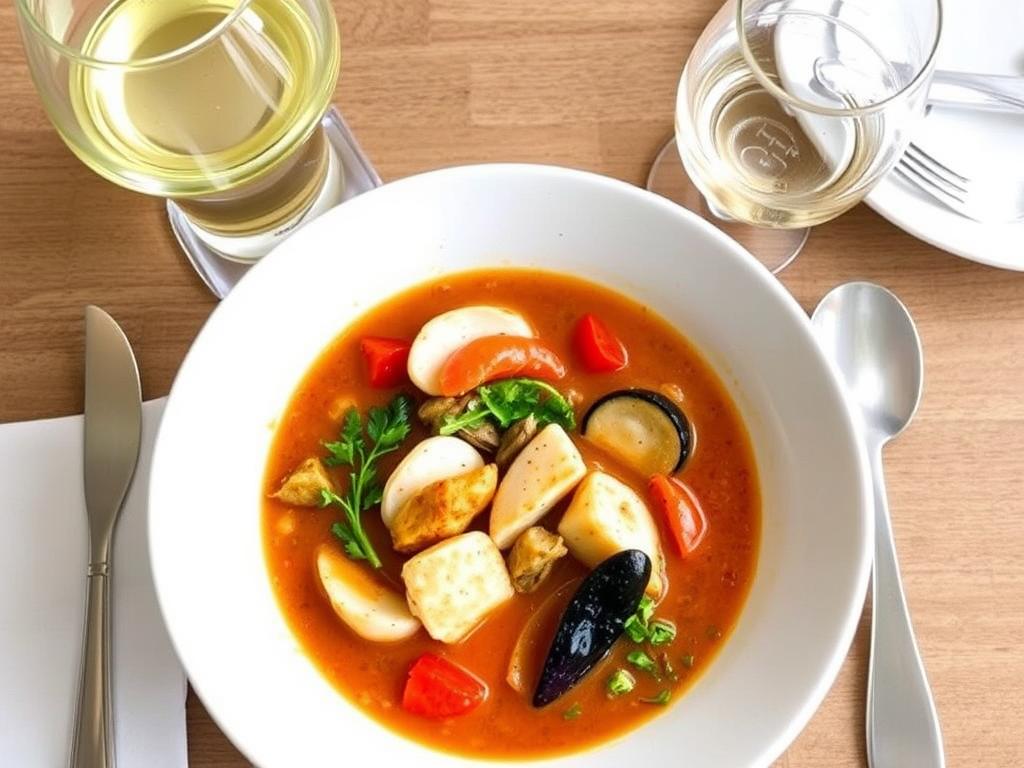
Bouillabaisse is a feast on its own, but what you eat alongside can elevate the meal to new heights. Here are popular accompaniments that complement the flavors perfectly:
- Rouille Sauce – This classic garlicky, saffron-infused mayonnaise is a must-have for dipping toasted baguette slices.
- Crusty Bread – The texture of toasted bread offers a crunchy counterpoint to the soft fish and silky broth.
- White Wine – Dry varieties like Sauvignon Blanc or a light Provence rosé balance the richness of the stew.
- Simple Green Salad – Fresh greens lightly dressed provide a crisp, refreshing contrast.
- Grilled Vegetables – Mediterranean vegetables like zucchini and peppers pair nicely with the herbal notes.
In conclusion, Soup Bouillabaisse isn’t just a dish to be eaten; it’s a taste of history, culture, and community. Its rich flavors, nutritious profile, and fascinating backstory make it a truly remarkable culinary treasure. Whether you savor it in Marseille or whip it up in your own kitchen, bouillabaisse invites you to slow down, enjoy each bite, and dive deep into the coastal traditions of France.


