
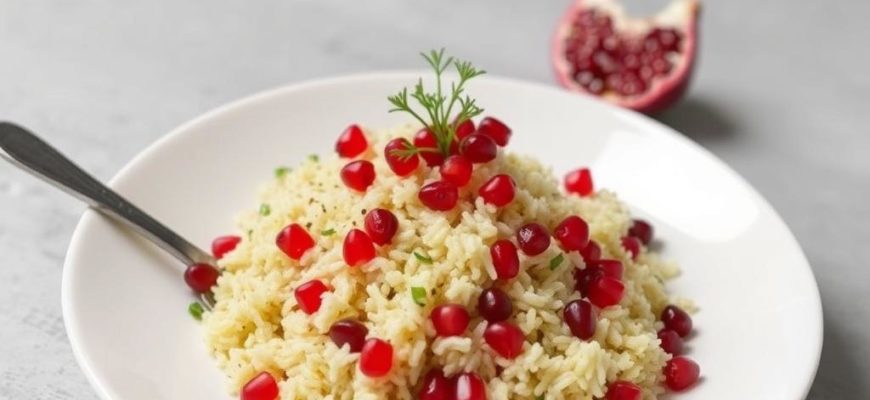
Imagine steaming rice studded with glossy ruby seeds, each bite popping with a bright, tart surprise. Pilaf with pomegranate brings together the warmth of spiced rice and the fresh acidity of pomegranate so naturally that it feels familiar the moment you try it. It’s the kind of dish that looks festive on a table but is simple enough for a weeknight. Stay with me — I’ll take you through where it came from, why it works so well, the small facts that make it charming, and a clear, step-by-step recipe so you can make it tonight.
- Country of origin Pilaf with pomegranate
- History Pilaf with pomegranate
- Interesting facts about Pilaf with pomegranate
- Nutritional value Pilaf with pomegranate
- Popularity in different countries Pilaf with pomegranate
- The best step-by-step cooking recipe for Pilaf with pomegranate
- Ingredients
- Method
- Tips for success
Country of origin Pilaf with pomegranate
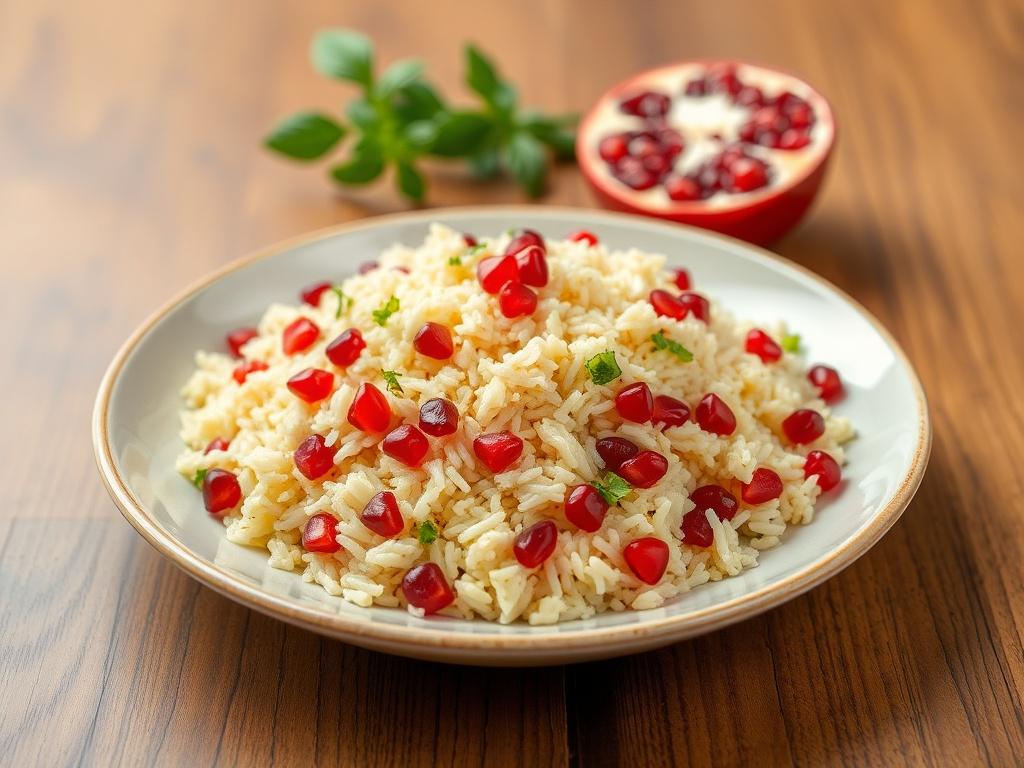
Pilaf as a rice-cooking method traces back to the Middle East and Central Asia. When you add pomegranate to pilaf, you’re following a culinary thread that runs through Persia (modern-day Iran), the Caucasus — especially Azerbaijan and Armenia — and neighboring regions. These cultures have long paired rice with fruits, nuts, and aromatic spices. The pomegranate’s native range and symbolic importance in Persia help explain why pomegranate-touched pilafs are natural to this area. Over centuries, variations moved along trade routes, adopting local meats, herbs, and techniques, so today you’ll find many regional takes on the same idea.
History Pilaf with pomegranate
Rice-steaming techniques called pilaf or plov have existed for a long time, evolving wherever rice met local ingredients. Using fruit and nuts with rice is typical of Persian cuisine, where balance between sweet and sour is prized. Pomegranate has been cultivated in the Middle East for millennia and appears in literature, art, and ritual. That long-standing cultural role made pomegranate an obvious companion to rice dishes, especially at feasts and celebrations when cooks wanted color, texture, and a tart counterpoint to rich meats and oil. Over time, cooks introduced toasted nuts, saffron, and meat like lamb or chicken, creating the layered, aromatic pilaf many people enjoy today.
Interesting facts about Pilaf with pomegranate
- Pomegranate seeds add not just flavor but visual drama; their ruby color makes a dish instantly festive.
- In Persian and Caucasian traditions, pomegranate symbolizes fertility, abundance, and good fortune — which is why it appears in celebratory dishes.
- Pomegranate molasses (a reduced, tangy syrup) is often used as a seasoning; a little goes a long way and brightens the rice without adding too much moisture.
- Different regions tweak the dish: some use fresh arils only, others mix fresh seeds with pomegranate molasses or juice; nuts like pistachios, walnuts, or almonds are common additions.
Nutritional value Pilaf with pomegranate
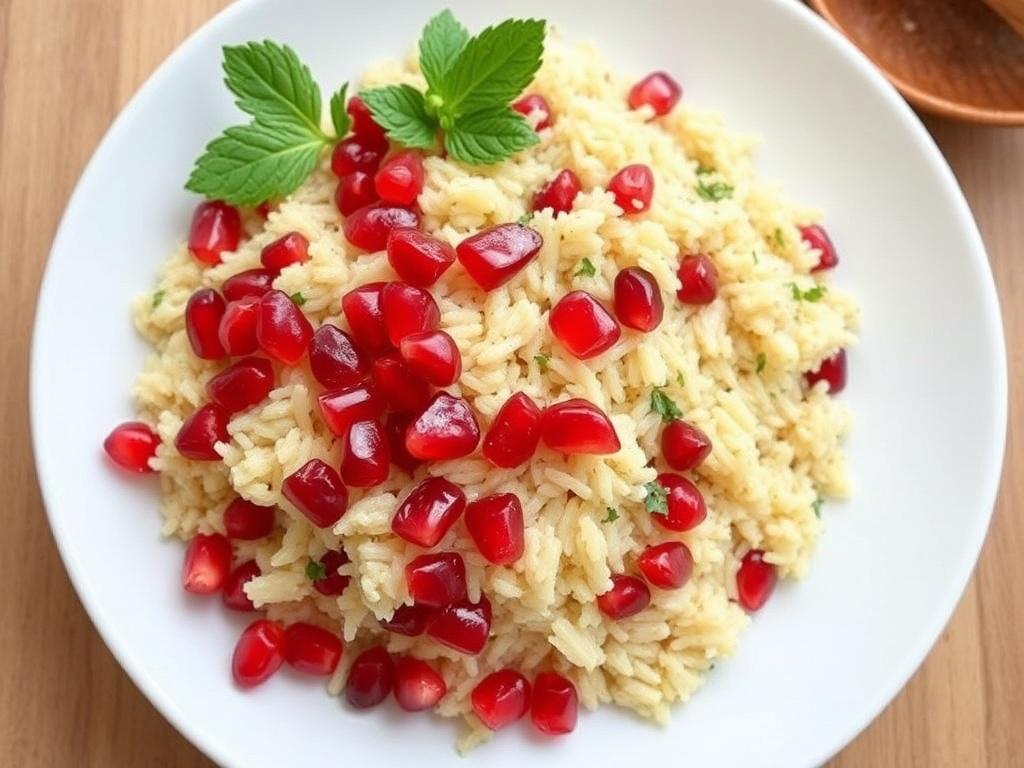
Pilaf with pomegranate is a balance of carbohydrates, some protein (if you add meat), healthy fats from nuts or oil, and antioxidants from the pomegranate. Pomegranate seeds bring vitamin C, fiber, and polyphenols known for antioxidant activity. Rice provides the energy-giving carbs; using brown rice increases fiber and micronutrients but changes texture and cooking time. Adding lean meat or legumes boosts protein. Below is a rough, illustrative breakdown for one serving of a typical pilaf made with white basmati rice, a modest amount of oil, a sprinkle of nuts, and a handful of pomegranate arils. These are approximate values; adjust based on exact ingredients and portions.
| Nutrient | Approx per serving |
|---|---|
| Calories | 400–550 kcal |
| Carbohydrates | 50–70 g |
| Protein | 8–25 g (more with meat) |
| Fat | 10–20 g (depending on oil and nuts) |
| Fiber | 3–6 g |
| Vitamin C and antioxidants | Present thanks to pomegranate arils |
Popularity in different countries Pilaf with pomegranate
This style of pilaf is popular across the Middle East, in the Caucasus, and among diaspora communities worldwide. In Iran and Azerbaijan you’ll see festive rice dishes paired with pomegranates at weddings and holiday meals. Armenia has its regional versions, often using local herbs and nuts. In Turkey, similar ideas appear in pilafs that combine fruits, nuts, and rice. When emigrants bring their cooking abroad, these recipes adapt — you might find chicken or even vegetarian versions in Western cities, often served in restaurants that celebrate Persian or Levantine cuisine.
The best step-by-step cooking recipe for Pilaf with pomegranate
Here’s a practical recipe that balances clarity with flavor. It serves 4.
Ingredients
- 1.5 cups long-grain basmati rice
- 2 tablespoons vegetable oil or butter
- 1 medium onion, finely chopped
- 2 garlic cloves, minced (optional)
- 1 teaspoon ground coriander or 1/2 teaspoon cumin
- Salt and black pepper to taste
- 1/2 teaspoon saffron threads soaked in 2 tablespoons hot water (optional)
- 1 cup cooked lamb or chicken, shredded or diced (optional)
- 3/4 cup pomegranate arils (fresh)
- 2 tablespoons pomegranate molasses or a squeeze of pomegranate juice (adjust to taste)
- 1/3 cup toasted nuts (pistachios, almonds, or walnuts)
- Fresh herbs for garnish (parsley, cilantro, or mint)
Method
- Rinse the rice under cold water until the water runs clear to remove excess starch. Soak for 20–30 minutes if you have time, then drain.
- Heat the oil or butter in a heavy pot over medium heat. Add the onion and cook until translucent and slightly golden. Add garlic and spices, cook 30 seconds until fragrant.
- Add the rice and stir to coat each grain in the spiced oil. Toast lightly for 1–2 minutes.
- Add 2.5 cups of water (or broth for more flavor) and salt. Bring to a boil, then reduce heat to low, cover, and simmer until rice is tender — about 12–15 minutes for basmati. If using saffron, drizzle the saffron-water over the rice at this stage.
- While the rice rests for 5 minutes, toss pomegranate arils with pomegranate molasses or juice and a pinch of salt. If you included cooked meat, warm it briefly in a pan with a splash of oil and a little of the pomegranate mixture to glaze it.
- Fluff the rice with a fork. Gently fold in most of the pomegranate arils and the meat, reserving some arils for garnish. Scatter toasted nuts and herbs over the top. Finish with the reserved arils so the dish looks jewel-like.
- Serve warm. A plain yogurt on the side or a simple salad complements the sweet-tart notes well.
Tips for success
- Use basmati or other long-grain rice for fluffy, separate grains.
- Adjust pomegranate molasses carefully — it’s concentrated. Add a little, taste, then add more if needed.
- Toasty nuts add crunch and depth; don’t skip them if possible.
- If you prefer vegetarian, swap meat for roasted eggplant or mushrooms for a savory counterpoint.
Pilaf with pomegranate is a simple idea done well: rice cooked with love, finished with bright fruit and crunchy accents. Try this recipe, then experiment — swap herbs, change the protein, or mix different nuts. The dish welcomes creativity and rewards small thoughtful choices.


