

Have you ever stumbled upon a soup that surprises you at first spoonful—a burst of sharp freshness that wakes up your taste buds and makes you want to dive back in? That’s exactly what Shchavel soup does. It’s not just any soup; it’s a blend of history, tradition, and a unique flavor profile that carries with it stories from generations past. If you haven’t met Shchavel soup yet, get ready to discover something truly refreshing and utterly satisfying, with layers of taste and culture simmered into every bowl. Let’s take a little adventure into what makes this soup special and why it has remained beloved over centuries.
- Unpacking the Essence: What It Is Shchavel Soup
- Tracing the Roots: History Shchavel Soup
- Where It First Appeared Shchavel Soup
- Intriguing Tidbits: Interesting Facts About Shchavel Soup
- The Good Stuff: Nutritional Value Shchavel Soup
- Beyond Borders: Popularity in Different Countries Shchavel Soup
- Cooking Up Tradition: 3 Best Recipes for Cooking Shchavel Soup
- Perfect Pairings: What to Eat With Shchavel Soup
Unpacking the Essence: What It Is Shchavel Soup
Shchavel soup is, at its core, a comforting, often green-hued dish where sorrel plays the starring role. Sorrel, known as “shchavel” in several Slavic languages, is a leafy plant with a vibrant, lemony tang. This tangy note defines the soup’s character unlike anything else. Typically, the soup combines broth—sometimes meat-based, sometimes vegetarian—with potatoes, eggs, and fresh sorrel leaves. The acidity from the sorrel is bright and sharp but carefully balanced by the richness of other ingredients. Think of it as a bowl that refreshes like lemonade but warms you up like a good stew.
This soup can vary quite a bit from place to place. Some versions might incorporate meat broth, dill, or even cream, lending it different textures and depth. However, the unmistakable sour punch from sorrel remains the link across all variations. It’s light, vibrant, and surprisingly filling.
Tracing the Roots: History Shchavel Soup
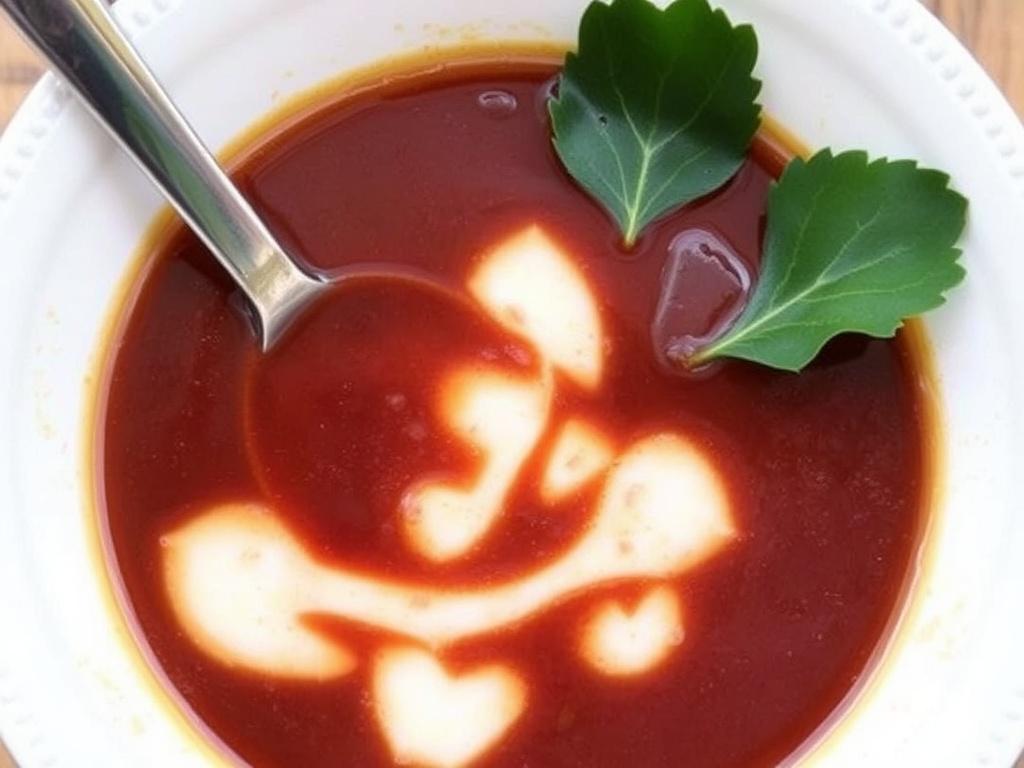
The story of Shchavel soup is as rich as its flavor. Originating in Eastern Europe, particularly in countries like Ukraine, Russia, and Poland, Shchavel soup has long been a staple in peasant kitchens. In times when fresh ingredients were limited, sorrel was a wild herb that grew abundantly, offering a perfect way to liven up simple staples like potatoes or grains. It was a seasonal delight during spring and early summer when the fresh leaves were at their peak.
Throughout history, Shchavel soup has been cherished not only as food but as medicine. The sour leaves have been valued for their digestibility and vitamin content, making the soup a kind of seasonal tonic after the long, harsh winters common in its countries of origin. It’s a dish that embodies sustainable cooking—using what’s available and turning humble ingredients into something nourishing and joyful.
Where It First Appeared Shchavel Soup
Pinpointing exactly where Shchavel soup first appeared is tricky, but it’s closely tied to the regions around Eastern Europe, especially Ukraine and Russia. These areas had a culinary culture steeped in soups and stews, with a strong appreciation for sour flavors. The presence of sorrel in wild and cultivated varieties was a natural match for the proto-recipes of this soup. Some food historians suggest that the oldest versions were straightforward broths with wild greens, evolving over time as ingredients like potatoes and eggs became staples in the household kitchen.
Intriguing Tidbits: Interesting Facts About Shchavel Soup
– Sorrel was so popular that it became a symbol of spring renewal in some Slavic cultures.
– The soup’s sourness is due to oxalic acid in sorrel, a compound found in spinach and rhubarb too, but sorrel’s unique balance of flavors sets it apart.
– Shchavel soup has made its way into literary mentions and folklore, often associated with rustic life and simple pleasures.
– In some regions, the soup was traditionally prepared on fasting days, as a light, filling but meat-free option.
The Good Stuff: Nutritional Value Shchavel Soup
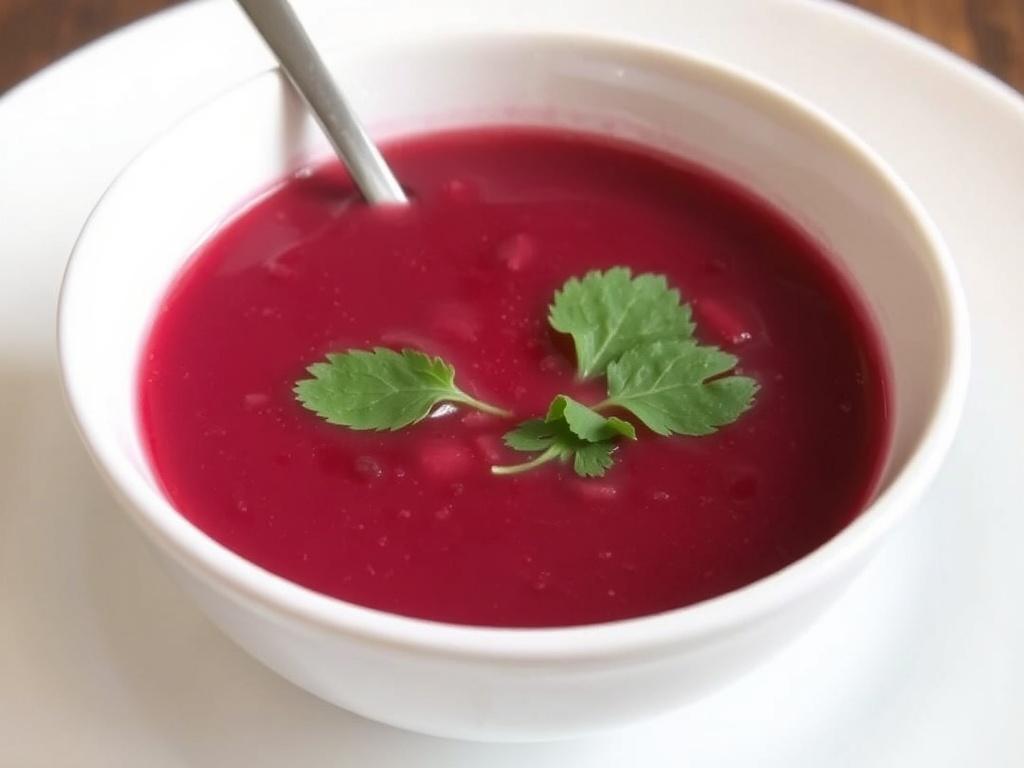
Shchavel soup isn’t just tasty; it packs a nutritious punch. Sorrel is high in vitamin C, which can give you a boost, especially after a tough winter when fresh fruits weren’t always around. It also contains vitamins A and B, iron, and fiber. When combined with potatoes and eggs, the soup provides a hearty balance of carbohydrates, protein, and essential nutrients without being heavy. This balance makes it a great spring dish helping the body transition to lighter, greener foods.
Here’s a quick breakdown:
| Ingredient | Main Nutrients |
|---|---|
| Sorrel (Shchavel) | Vitamin C, Vitamin A, Iron, Antioxidants |
| Potatoes | Carbohydrates, Potassium, Fiber |
| Eggs | Protein, Vitamin D, Healthy fats |
| Broth (vegetable or meat-based) | Minerals, Flavor compounds |
Beyond Borders: Popularity in Different Countries Shchavel Soup
Shchavel soup’s flavor and heritage have spread beyond its Eastern European roots. In countries like Lithuania, Poland, and Belarus, it enjoys seasonal popularity. The Lithuanian version, for example, often includes sour cream to mellow the tang, while in Poland, a clearer broth might accompany the sorrel to let its flavor shine through more plainly.
Interestingly, as global interest in traditional and rustic dishes grows, Shchavel soup has caught the eye of chefs experimenting with Eastern European cuisines worldwide. It appears in food festivals or specialized menus, celebrated for that bright, summery edge that’s rare among typical soups.
Cooking Up Tradition: 3 Best Recipes for Cooking Shchavel Soup
Here are three crowd-pleasing ways to enjoy Shchavel soup, ranging from classic to a bit of a twist:
- Classic Ukrainian Shchavel Soup: Potato cubes, sorrel leaves, hard-boiled eggs, vegetable or chicken broth, and a sprinkle of fresh dill. Simple and true to tradition.
- Creamy Sorrel Soup: Blend sorrel with sautéed onions, add cream or yogurt at the end for richness, serve with toasted bread.
- Meaty Shchavel Soup: Use beef or chicken broth, add chunks of tender meat, potatoes, and sorrel. Garnish with fresh herbs for a heartier meal.
Perfect Pairings: What to Eat With Shchavel Soup

To round out the meal, Shchavel soup pairs beautifully with rustic breads. Rye bread or a fresh crusty loaf works nicely, letting you mop up the bright broth. Traditional Eastern European sides like pickles or a light salad also complement it well, offering contrasting textures and flavors. For some, a dollop of sour cream on top of the soup adds creaminess that balances the zing of sorrel perfectly.
If you’re feeling adventurous, try joining it with smoked fish or boiled potatoes — dishes that bring an earthiness to the bright soup, turning your meal into something truly memorable.
—
This delicate yet lively soup is like a breath of fresh air in a bowl. Shchavel soup invites you to taste history, nature, and tradition all at once. Whether you approach it with a classic recipe or add your own twist, it promises a refreshing break from the usual, with a flavor that sticks in your memory long after the last spoonful.


