

Nothing quite prepares you for the bold, comforting embrace of Palm Nut Soup. This dish doesn’t just fill your stomach; it tells a story—a story simmered in pots passed down through generations, flavored with memories, culture, and regional pride. Once you dive into the world of Palm Nut Soup, you’ll find yourself intrigued not only by its rich taste but also by its fascinating origin and the remarkable journey it has traveled across continents. There’s a particular magic to it, inviting both novices and seasoned food lovers to explore its layers, from the unique ingredients to the diverse ways it’s enjoyed. It’s more than a soup; it’s a celebration of heritage, community, and the passage of time.
- What Palm Nut Soup Really Is
- The Roots: History of Palm Nut Soup
- Tracing the Origins: Where Palm Nut Soup First Appeared
- Fascinating Details You Might Not Know About Palm Nut Soup
- How Nutritious is Palm Nut Soup
- The Global Appeal: Popularity of Palm Nut Soup in Different Countries
- Top 3 Palm Nut Soup Recipes Worth Trying at Home
- 1. Classic Ghanaian Palm Nut Soup
- 2. Nigerian Ofe Akwu Style
- 3. Vegetarian Palm Nut Soup
- What Makes Palm Nut Soup Complete: Foods to Pair It With
What Palm Nut Soup Really Is
Palm Nut Soup is a traditional West African dish celebrated for its deep, luscious texture and distinctive flavor drawn from palm nuts. The foundation of this soup is the extract derived from palm nuts—small, oily fruits harvested from the African oil palm tree. This rich extract has a vibrant orange hue and a slightly sweet, earthy taste. When cooked with ingredients like meat, fish, vegetables, and spices, the result is a thick, hearty soup that warms you from the inside out.
What sets Palm Nut Soup apart is its balance of richness and freshness. It’s not just a matter of throwing ingredients into a pot. The palm nut extract itself requires careful preparation—boiling, pounding, and squeezing—to release its unique oils and flavor. This step is an intricate art passed down through communities, making every pot of Palm Nut Soup a small masterpiece.
The Roots: History of Palm Nut Soup
Palm Nut Soup’s history reaches back centuries, rooted deeply in West African culture. It was and remains a vital meal, often tied to celebrations or communal gatherings. The palm nut itself has been a staple in local diets, valued not only for cooking but for non-culinary uses like oil production and traditional medicine.
In many West African societies, preparing Palm Nut Soup goes beyond nourishment—it’s a ritual that brings family members together. Stories say that ancient cooks mastered the soup as a way to fully utilize the palm nut’s resources, turning what might be a humble ingredient into a luxurious dish. This tradition of turning simplicity into something remarkable echoes through numerous oral histories and culinary legacies.
Tracing the Origins: Where Palm Nut Soup First Appeared
While palm trees grow throughout tropical Africa, Palm Nut Soup is most commonly associated with countries like Ghana, Nigeria, and Côte d’Ivoire. Ghana, in particular, boasts a strong claim as the birthplace of this cherished soup, where it’s known locally as “Abenkwan” or “Palm Nut Stew.”
The conditions in these regions—warm climates and fertile soil—make for perfect palm nut cultivation. This ready availability combined with local culinary ingenuity led to the soup’s emergence as a national favorite, with subtle regional variations highlighting the diversity of West African cuisine. The dish gradually spread, carried by migration and trade, embedding itself in neighboring countries’ food cultures as well.
Fascinating Details You Might Not Know About Palm Nut Soup
Palm Nut Soup is far more than a soup. It has plenty of interesting facets that reveal why it remains beloved:
- Multiple Names: Depending on the region, it’s called “Ofe Akwu” in Nigeria, “Ogonuo” in parts of Ghana, each with slight variations in ingredients and technique.
- Behind the Color: The bright reddish-orange color comes from the natural oils in the palm nuts, giving the soup a distinctive look unlike any other.
- Rich Flavor Base: The same palm nut extract is used in various sauces and side dishes, showcasing its versatility.
- Time and Patience: Making the soup isn’t quick—it requires several hours of soaking and extraction, showing a commitment to quality.
How Nutritious is Palm Nut Soup
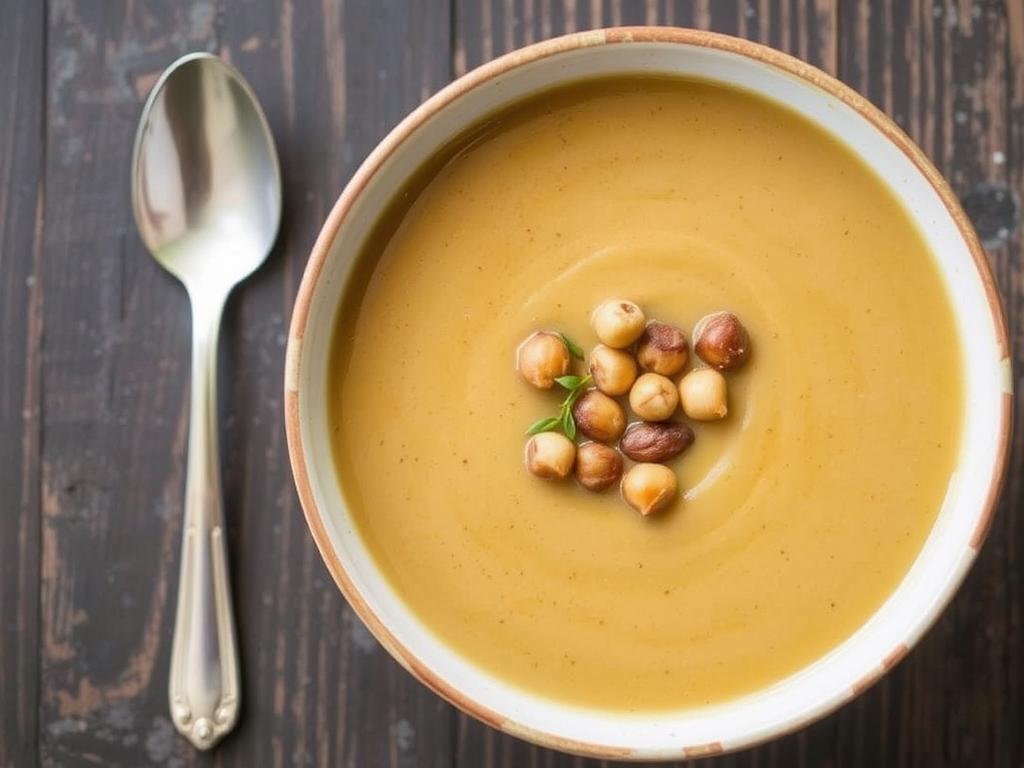
Beyond its delicious taste, Palm Nut Soup packs a solid nutritional punch. Palm nuts are rich in:
| Nutrient | Benefit |
|---|---|
| Vitamin E | Acts as an antioxidant, supporting skin and immune health |
| Healthy Fats | Provides energy and aids in absorption of fat-soluble vitamins |
| Iron | Crucial for blood health and energy |
| Vitamin A | Supports vision and immune function |
By combining Palm Nut Soup with vegetables and proteins like fish or meat, you get a balanced meal that’s both hearty and nourishing. This makes it a staple food not only for flavor but also for sustenance in many communities.
The Global Appeal: Popularity of Palm Nut Soup in Different Countries
While the core of Palm Nut Soup rests firmly in West Africa, it’s also carved out a place in the global food scene. Ghanaian and Nigerian diasporas have introduced the dish to cities around the world, from London to New York, where it’s become a symbol of cultural identity and comfort food for many.
In countries where West African communities thrive, Palm Nut Soup appears at markets, festivals, and local restaurants catering to those craving authentic tastes. Its popularity is growing even among food adventurers eager to explore dishes beyond mainstream offerings. This spread across borders enriches the culinary landscape while preserving the soup’s roots.
Top 3 Palm Nut Soup Recipes Worth Trying at Home
If you’re ready to bring this traditional flavor into your kitchen, here are three different takes on Palm Nut Soup—with a focus on authenticity and accessibility.
1. Classic Ghanaian Palm Nut Soup
- Palm nuts (boiled and pounded to get the extract)
- Assorted meats (goat, beef, or chicken)
- Smoked fish
- Fresh tomatoes and onions
- Scotch bonnet peppers for heat
- Seasoning and spices (salt, pepper, ginger)
This recipe emphasizes layering the rich taste of palm nut extract with savory smoked fish and hearty meat for a complex soup perfect for special occasions.
2. Nigerian Ofe Akwu Style
- Palm nut extract
- Shredded dried fish or stockfish
- Beef or cow tripe
- Crayfish powder
- Chopped chili
- Cucumbers or leafy greens
Known for its slightly thicker consistency and smoky flavors, this version is a favorite during feasts and family gatherings.
3. Vegetarian Palm Nut Soup
- Palm nut extract
- Okra or eggplant
- Mushrooms for texture
- Tomatoes and bell peppers
- Herbs and seasoning
A twist for those who prefer plant-based meals, still capturing the soul of the traditional soup.
What Makes Palm Nut Soup Complete: Foods to Pair It With
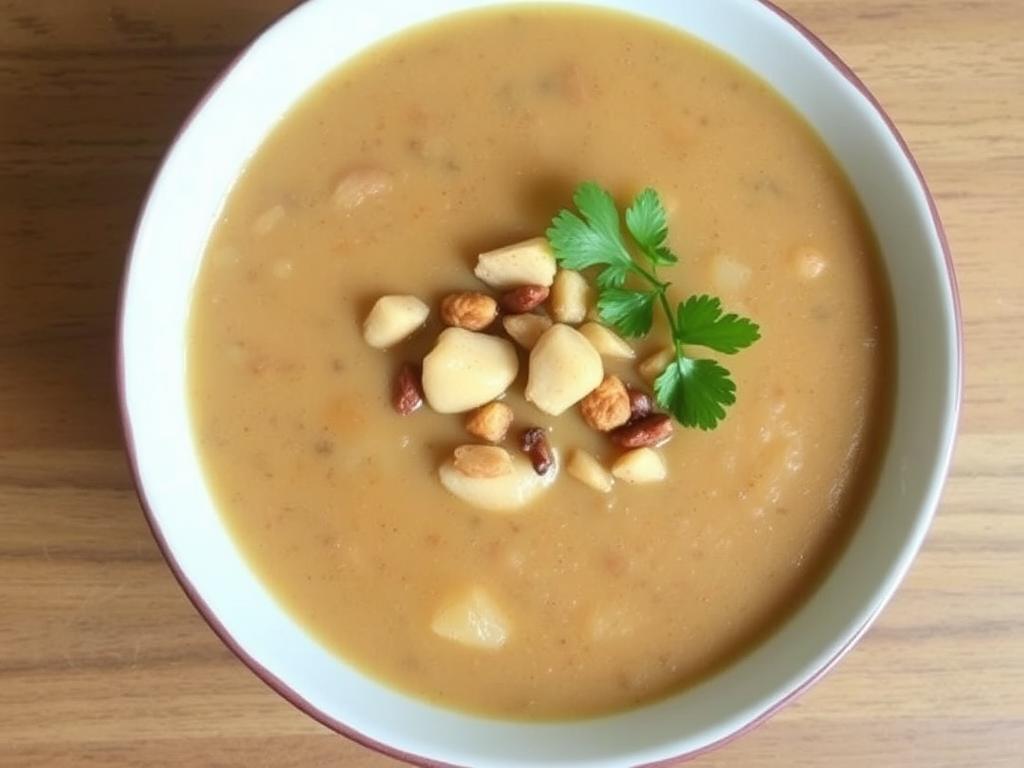
Palm Nut Soup is best enjoyed alongside starchy sides that help balance its richness. Here are common pairings:
- Fufu: Soft, dough-like balls made from cassava, yam, or plantain, perfect for scooping the soup.
- Rice: Plain white rice or jollof rice works, soaking up every bit of the soup’s flavor.
- Banku: A fermented corn and cassava dough staple in Ghana, offering a tangy contrast.
- Yam or Plantain: Boiled or fried, adding texture and sweetness.
These accompaniments not only complement the taste but also help balance the intensity and richness of Palm Nut Soup, making the meal fulfilling and harmonious.
—
Palm Nut Soup is no ordinary dish. Every spoonful connects you to a long culinary tradition, a unique flavor profile, and cultures teeming with history. For anyone curious about global cuisine or eager to try a recipe that feeds body and soul, Palm Nut Soup offers an unforgettable experience. Give it a go—you might just find a new favorite comfort food waiting in that vibrant orange bowl.


