

There’s something incredibly comforting about a warm bowl of broth that can instantly lift your spirits and satisfy your hunger. If you’ve ever wondered what gives those homemade or restaurant soups their rich, savory depth, the secret often lies in one simple ingredient: soup bouillon. It’s not just any broth base – it’s a culinary powerhouse that transforms ordinary dishes into unforgettable experiences. Whether you’re a seasoned home chef or just someone who loves a good bowl of soup, understanding soup bouillon will open up a whole new world of flavor and cooking possibilities. Let’s dive deeper into what soup bouillon really is, uncover its fascinating history, and explore how it’s enjoyed all around the world.
- Discovering the Essence of Soup Bouillon
- The Rich History Behind Soup Bouillon
- Where Soup Bouillon First Took Root
- Fascinating Facts About Soup Bouillon
- Soup Bouillon and Nutrition: What’s Inside That Bowl
- Global Love for Soup Bouillon: How Different Countries Use It
- Three Delicious Soup Bouillon Recipes You Must Try
- 1. Classic French Chicken Bouillon
- 2. Japanese Dashi Bouillon
- 3. Quick Vegetable Bouillon Cubes
- Perfect Pairings: What to Eat with Soup Bouillon
Discovering the Essence of Soup Bouillon

When we talk about soup bouillon, what exactly are we referring to? At its core, soup bouillon is a seasoned broth or stock used as a base to enhance the flavor of soups, stews, sauces, and sometimes even rice or vegetables. The word “bouillon” itself comes from the French verb “bouillir,” which means “to boil.” Traditionally, bouillon is made by boiling meat, vegetables, or bones to extract their essence, resulting in a clear, flavorful liquid that serves as the foundation of many dishes.
Soup bouillon can be prepared fresh or found in concentrated forms like cubes, powders, or pastes, which have become staples in kitchens worldwide for their convenience and ability to bring quick, intense flavor without the need for hours of simmering. What makes soup bouillon so versatile is its ability to adapt to different types of cuisines, from the hearty beef bouillons in European dishes to light vegetable bases in Asian cooking.
The Rich History Behind Soup Bouillon
The story of soup bouillon is as old as cooking itself. Early humans realized that boiling bones and scraps not only made food more palatable but also unlocked flavors and nutrients otherwise hidden. The practice of boiling meat and vegetables to make a nourishing broth dates back thousands of years, with evidence suggesting that ancient civilizations in Asia, the Middle East, and Europe all developed variations of bouillon.
In medieval Europe, bouillon became a culinary art form, often enriched with herbs and spices to create restorative broths consumed by the wealthy and the sick alike. Over centuries, French chefs perfected the concept, turning bouillon into a culinary cornerstone, giving rise to classic stocks like “bouillon de volaille” (chicken broth) and “bouillon de boeuf” (beef broth).
Where Soup Bouillon First Took Root
Tracing the exact birthplace of soup bouillon is tricky because many cultures independently developed similar concepts. However, the term and many techniques we recognize today stem from French cuisine. French cooking traditions elevated bouillon from simple broth to a refined stock that serves as the foundation for countless recipes.
That said, cultures across Asia, including China and Japan, also have their own historic versions of broth that parallel the concept of bouillon—rich, clear liquids made by simmering ingredients to capture pure flavor. This global presence confirms that soup bouillon is truly an essential component of human culinary evolution.
Fascinating Facts About Soup Bouillon
Here are some neat tidbits about soup bouillon that might surprise you:
- Bouillon cubes were invented in the early 20th century by the Swiss company Maggi, revolutionizing how people cook soups.
- Traditional bouillon is often prized for its clarity and richness, with chefs using techniques like skimming and straining for the perfect finish.
- The nutritional value of bouillon can vary widely depending on ingredients, from protein-packed meat broths to light, vitamin-rich vegetable bouillons.
- Bouillon broth was historically used not just for flavor but for medicinal purposes, believed to heal various ailments.
- In some cultures, bouillon is a ceremonial or festive dish, highlighting its importance beyond just everyday cooking.
Soup Bouillon and Nutrition: What’s Inside That Bowl
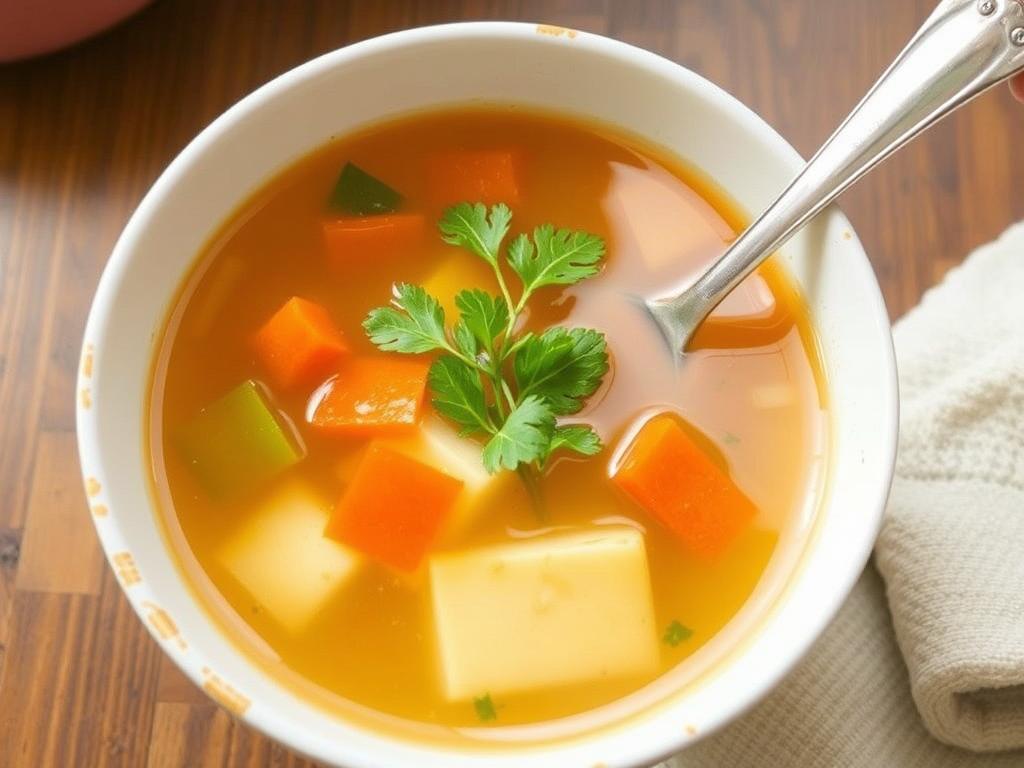
One of the reasons soup bouillon has stood the test of time is its nutritional value. Depending on how it’s made, soup bouillon can offer a range of health benefits. For example, bone broth bouillon is loaded with collagen, minerals like calcium and magnesium, and amino acids that promote joint health and skin vitality.
Vegetable-based bouillons provide vitamins and antioxidants, making them excellent low-calorie bases that add both flavor and nutrients to meals. However, store-bought bouillon cubes and powders often contain added sodium, preservatives, and sometimes MSG, so it’s wise to read labels carefully or make your own broth from scratch for a healthier option.
Global Love for Soup Bouillon: How Different Countries Use It
Soup bouillon’s popularity spans continents, but each culture has its own twist:
| Country | Type of Bouillon | Typical Usage |
|---|---|---|
| France | Clear chicken and beef bouillons | Base for refined soups and sauces |
| Japan | Dashi (fish and seaweed stock) | Soups like miso, noodle dishes |
| China | Pork or chicken bone broth | Noodle soups, hot pots |
| Mexico | Chicken and beef broths | Traditional soups and stews |
| United States | Chicken and vegetable bouillon cubes | Quick soup bases, seasoning |
These regional differences highlight soup bouillon’s adaptability and cultural importance across the globe.
Three Delicious Soup Bouillon Recipes You Must Try
Nothing beats learning by doing, so here are three fantastic recipes showcasing soup bouillon in action:
1. Classic French Chicken Bouillon
- Ingredients: chicken bones, carrots, celery, onion, thyme, parsley, peppercorns, water
- Instructions: Simmer all ingredients for 4 hours, strain, and use as a base for soups or sauces.
2. Japanese Dashi Bouillon
- Ingredients: kombu (dried kelp), dried bonito flakes, water
- Instructions: Soak kombu in water, heat until almost boiling, remove kombu, add bonito flakes, let steep, strain. Use for miso soup or noodle dishes.
3. Quick Vegetable Bouillon Cubes
- Ingredients: dehydrated vegetables (carrot, onion, celery), salt, herbs, dehydrated mushroom powder
- Instructions: Blend ingredients into a powder, compress into small cubes. Dissolve in hot water to make instant broth.
Perfect Pairings: What to Eat with Soup Bouillon
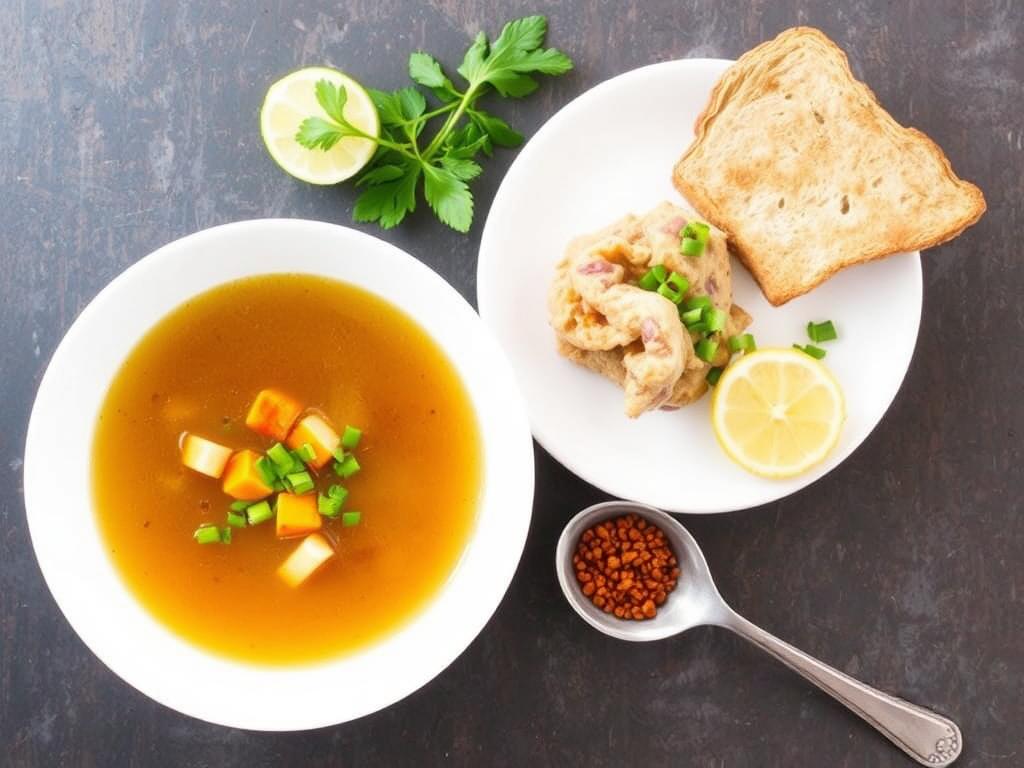
Soup bouillon isn’t just a base; it’s a canvas waiting for the right additions. Depending on the type, you can enjoy it simply as a clear soup, or jazz it up with:
- Fresh herbs like parsley, chives, or cilantro
- Chunks of meat or tofu for protein boosts
- Vegetables such as mushrooms, carrots, or leafy greens
- Noodles or rice for a filling meal
- Crusty bread or crackers on the side to soak up the broth
No matter how you serve it, soup bouillon elevates the entire eating experience, making every spoonful deeply satisfying.
—
Soup bouillon might seem like a simple cooking element, but as you can see, it’s rich in history, flavor, and versatility. From ancient kitchens to modern recipes, it continues to nourish bodies and bring joy to tables worldwide. So next time you sip on a bowl of broth or use a cube in your recipe, remember the incredible journey and magic packed inside that humble soup bouillon.


