

There’s something truly comforting about a steaming bowl of soup that fills your kitchen with warmth and nostalgia. Among the countless recipes simmering across the globe, Shchi soup stands out as a culinary gem from Russia, brimming with flavor, history, and soul. It’s not just cabbage soup; it’s a dish that carries stories, seasons, and centuries in every spoonful. If you’ve ever been curious about the roots of this hearty soup, or wondered why it remains a staple on Russian tables, you’re in for a treat. Let’s take a closer look at Shchi soup and uncover what makes it so special.
- What Exactly Is Shchi Soup
- A Journey Through Time: The History of Shchi Soup
- Tracing the Origins: Where Shchi Soup First Appeared
- Curious Details You Might Not Know About Shchi Soup
- Getting to Know Shchi Soup’s Nutritional Profile
- Where in the World Shchi Soup Has Made Its Mark
- Three Must-Try Recipes for Cooking Perfect Shchi Soup
- Perfect Pairings: What to Eat Alongside Shchi Soup
What Exactly Is Shchi Soup
Shchi soup is a traditional Russian dish primarily made from cabbage, meat or mushrooms, and a handful of simple vegetables. Think of it as a wholesome, rustic stew with a slightly tangy note, thanks to the sour cabbage or sauerkraut often used. Its consistency is usually more broth-like than stew-heavy, but don’t mistake its lightness for simplicity. The layering of flavors—from the tender cabbage to the earthy broth—creates a balanced, nourishing experience.
While cabbage is the star ingredient, there’s room for variation. Some versions include beef or pork for a richer taste, others go fully vegetarian relying on mushrooms or fermented vegetables. Typically, people add root vegetables like carrots, onions, and potatoes. Herbs like dill or bay leaves enrich the flavor without overpowering it. This soup is more than just food; it’s a comfort food that fills bellies and hearts alike.
A Journey Through Time: The History of Shchi Soup
Shchi soup has been simmering in Russian kitchens for centuries. Its origins date back to at least the 9th century, making it one of the oldest known Russian soups. Back in the day, cabbage was a common crop hardy enough to survive harsh winters, so it naturally became a staple ingredient. The soup itself grew as a reflection of Russian agrarian life, where fresh vegetables were scarce in colder months, but fermented ones like sauerkraut preserved their nutrients and flavor perfectly.
Over time, Shchi soup became a symbol of home-cooked heartiness. Russian peasants cooked it every day, and nobility later adopted it, tweaking recipes to include pricier ingredients like beef or fresh vegetables during harvest season. The humble cabbage soup transformed alongside Russian history, maintaining its place at the family table through wars, revolutions, and cultural shifts.
Tracing the Origins: Where Shchi Soup First Appeared
If we try to pinpoint the birthplace of Shchi soup, the answer brings us back to the early Russian principalities, particularly around the region of Kievan Rus. The climate and agriculture of these lands suited cabbage cultivation perfectly, and the practice of fermenting vegetables – which helped in long-term preservation – was widespread.
In monasteries and humble households alike, fermenting cabbage created what we now recognize as sour cabbage or sauerkraut, a base for the distinctive tang in Shchi soup. The practical need to stretch ingredients and balance diets during the lean months made Shchi a go-to dish across the vast territories of Russia. So while no single city claims it exclusively, it belongs firmly to the cultural and culinary landscape of early Eastern Slavic peoples.
Curious Details You Might Not Know About Shchi Soup
– Shchi’s name is believed to come from the old Slavic word “shchi” (щи), meaning a dish with cabbage.
– Unlike many Western soups, Shchi often combines fresh and fermented cabbage for a unique flavor.
– In some parts of Russia, Shchi is traditionally served with sour cream, which adds creaminess and a mild tang.
– There’s a fasting (meatless) version called “green Shchi” made with sorrel or other sour herbs instead of cabbage.
– Preparing Shchi was considered a communal activity in some Russian villages, with families sharing harvest yields and recipes.
– Famous Russian authors, including Tolstoy and Dostoevsky, referenced Shchi in their writings, highlighting its cultural importance.
Getting to Know Shchi Soup’s Nutritional Profile
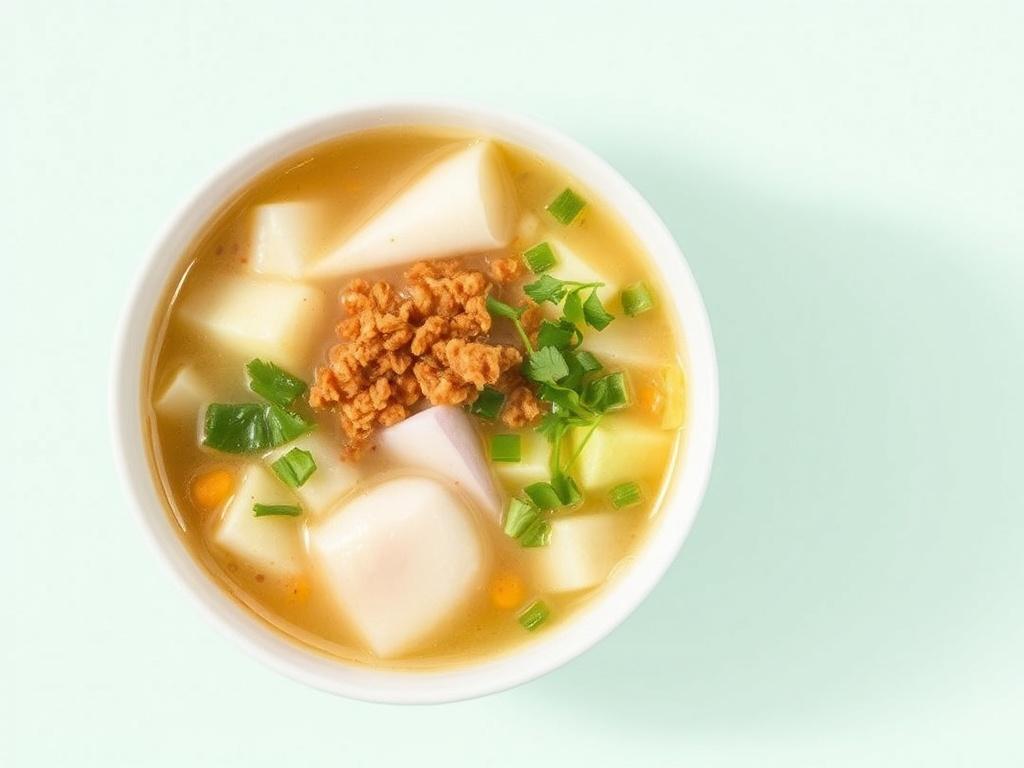
Shchi soup isn’t just comforting; it’s also nutritious. Cabbage itself contains plenty of vitamins C and K, antioxidants, and dietary fiber, which support digestion and immunity. When the soup includes meat or mushrooms, protein content rises, making it a more filling choice. The vegetables add potassium, vitamins A, and folate, while the fermented cabbage introduces probiotics, good for gut health.
The soup is low in calories but rich in micronutrients, which explains why it has been a dietary staple for so long. It is heart-friendly and often considered a natural aid during cold seasons to boost resilience and energy. For those watching sodium intake, homemade Shchi allows control over salt, unlike canned or mass-produced soups.
Where in the World Shchi Soup Has Made Its Mark
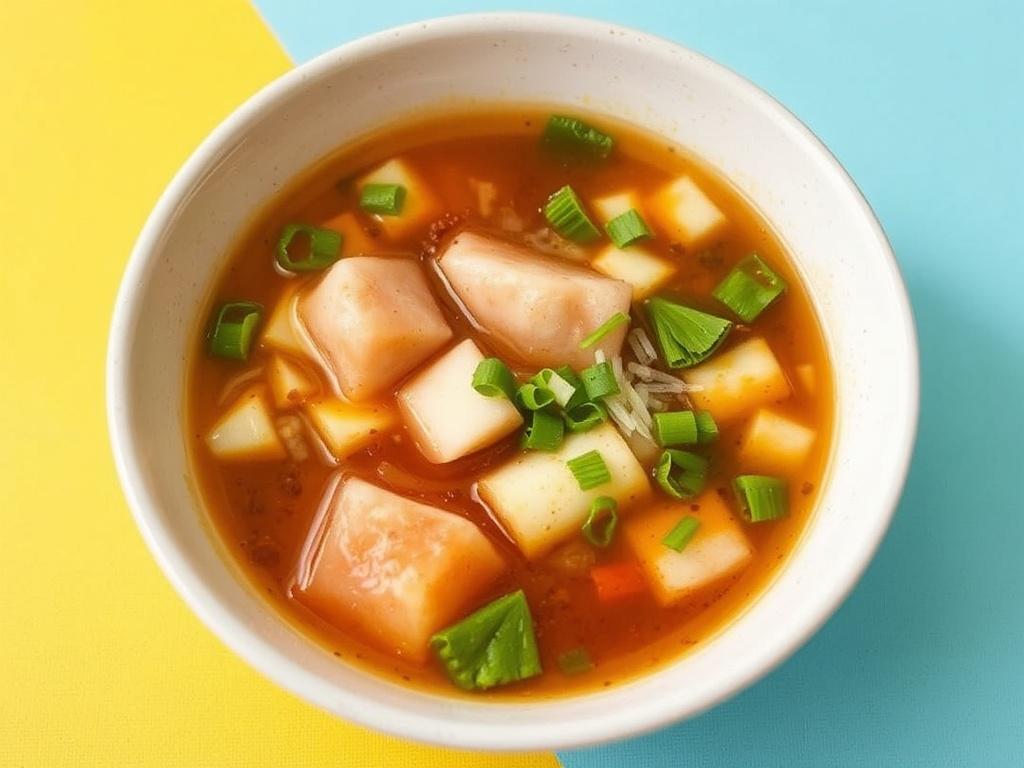
Although Shchi soup is undeniably Russian, its presence has spread across neighboring countries due to historical ties and cultural exchange. In Ukraine, Belarus, and Poland, versions of cabbage soup share similarities to Shchi but also feature local twists. For example, in Poland, “kapuśniak” resembles Shchi but might use a different balance of spices.
Beyond Eastern Europe, Shchi hasn’t conquered global menus like borscht or goulash, but with culinary curiosity on the rise, it increasingly appears in international restaurants specializing in Slavic cuisine. Its hearty, clean flavors appeal to those looking for comfort food with a story. Plus, as more people embrace fermented foods, the sour note that defines Shchi sits well with contemporary tastes.
Three Must-Try Recipes for Cooking Perfect Shchi Soup
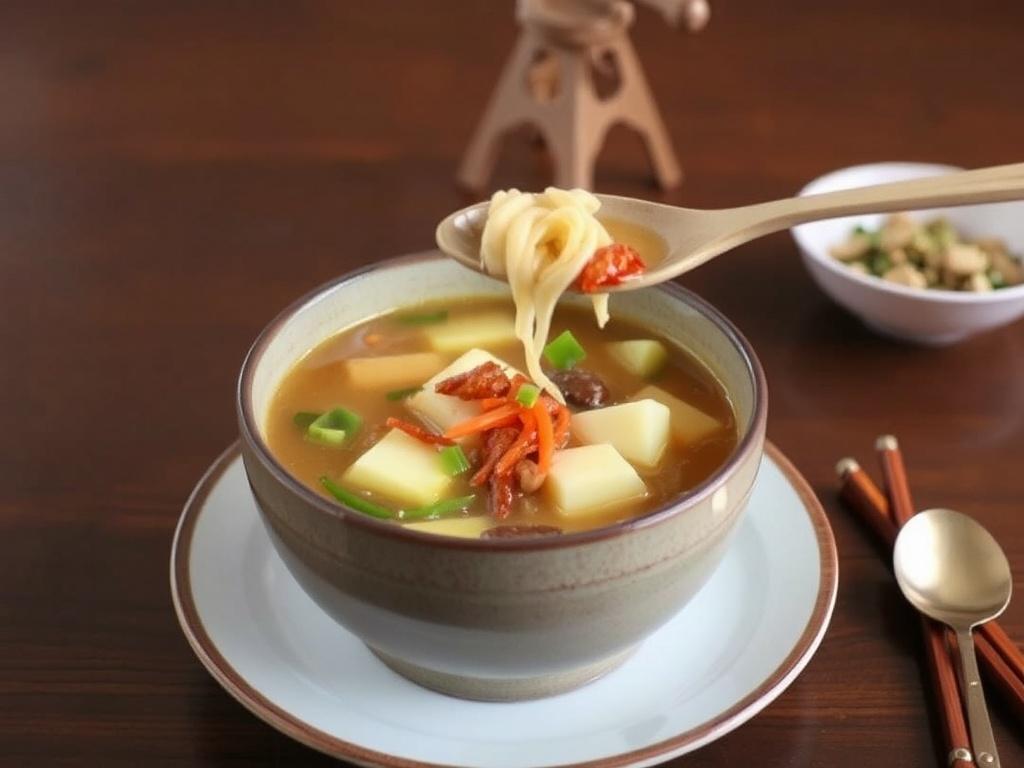
Here are three classic takes to master Shchi soup at home:
- Traditional Meat Shchi: Beef broth simmered with fresh cabbage, potatoes, carrots, onions, and bay leaves. Finish with sour cream and dill.
- Vegetarian Shchi: Use mushrooms and sauerkraut for depth, skip meat, add carrots and parsnips. Top with fresh herbs and a dollop of vegan sour cream.
- Green Shchi: A springtime variation with sorrel, spinach, green onions, and fresh herbs, no cabbage. Light broth with potatoes and carrots makes it fresh and tangy.
Truly, each recipe captures a moment in the soup’s expansive history, offering a taste of tradition and flexibility.
Perfect Pairings: What to Eat Alongside Shchi Soup
Shchi soup shines when paired with hearty breads like rye or pumpernickel, perfect for soaking up every drop. Traditional Russian garlic or sourdough bread adds texture and warmth. Pickles or salted cucumbers on the side complement the acidic notes of Shchi beautifully.
For a full meal, consider simple boiled potatoes or buckwheat porridge, which also pay homage to Russian culinary roots. A small serving of smoked fish or cold cuts can round out the feast, introducing contrasting flavors making the meal feel indulgent yet balanced.
—
Shchi soup’s charm lies in its simplicity executed perfectly—a little bit rustic, a lot full of history, and always satisfying. Whether you want to warm up on a chilly day or explore a dish that carries authentic stories through the centuries, trying Shchi invites you into a broader conversation about food, culture, and comfort. Take the plunge and give this cabbage treasure a spot at your table; it’s easier to cook than most expect and much more rewarding.


