

Imagine a steaming pot of rice that smells of warm spices and bright green celery, each grain separate and glossy, the celery still offering a little snap. That contrast between tender rice and fresh, slightly crisp celery makes Pilaf with celery a dish that feels both comforting and unexpectedly lively. Read on and you’ll learn where this idea came from, why celery works so well, how different cultures have made it their own, and a clear, foolproof recipe to make it at home tonight.
Country of origin Pilaf with celery
Pilaf itself traces its roots to ancient Persia and Central Asia, where rice was cooked in seasoned broth until each grain stayed separate. The specific notion of Pilaf with celery is less a single-origin recipe and more a home-kitchen adaptation that appears across the Mediterranean and Middle East. Cooks in these regions often add whatever aromatic vegetables are on hand; celery became a natural choice because it adds freshness and a subtle bitterness that balances rich fats and spices. In short, pilaf began in Persia; the celery version grew organically in kitchens everywhere rice was welcome.
History Pilaf with celery
The method behind pilaf spread along trade routes: rice, spices, and technique traveled with merchants and settlers. As pilaf landed in different lands, locals tweaked the foundation. In coastal Mediterranean homes, herbs and vegetables—including celery—started showing up in rice to stretch meals and add bright notes. Over generations, adding celery moved from improvisation to a familiar variant, especially in families that favored lighter, vegetable-forward sides. The history of Pilaf with celery is therefore a story of adaptation: an old technique meeting a humble vegetable and creating something enduring.
Interesting facts about Pilaf with celery
- Pilaf is defined by the rice-cooking technique: toasting grains lightly, then simmering them in a measured amount of liquid so they stay separate.
- Celery contributes both texture and flavor—its leaves, often discarded, are aromatic and make an excellent finishing garnish for extra green, herbal brightness.
- Using celery heart (the pale inner stalks) yields a milder flavor, while outer stalks give more pronounced crunch and aroma.
- A good pilaf tolerates many additions: toasted nuts, dried fruit, or a squeeze of lemon all work wonderfully with celery.
Nutritional value Pilaf with celery
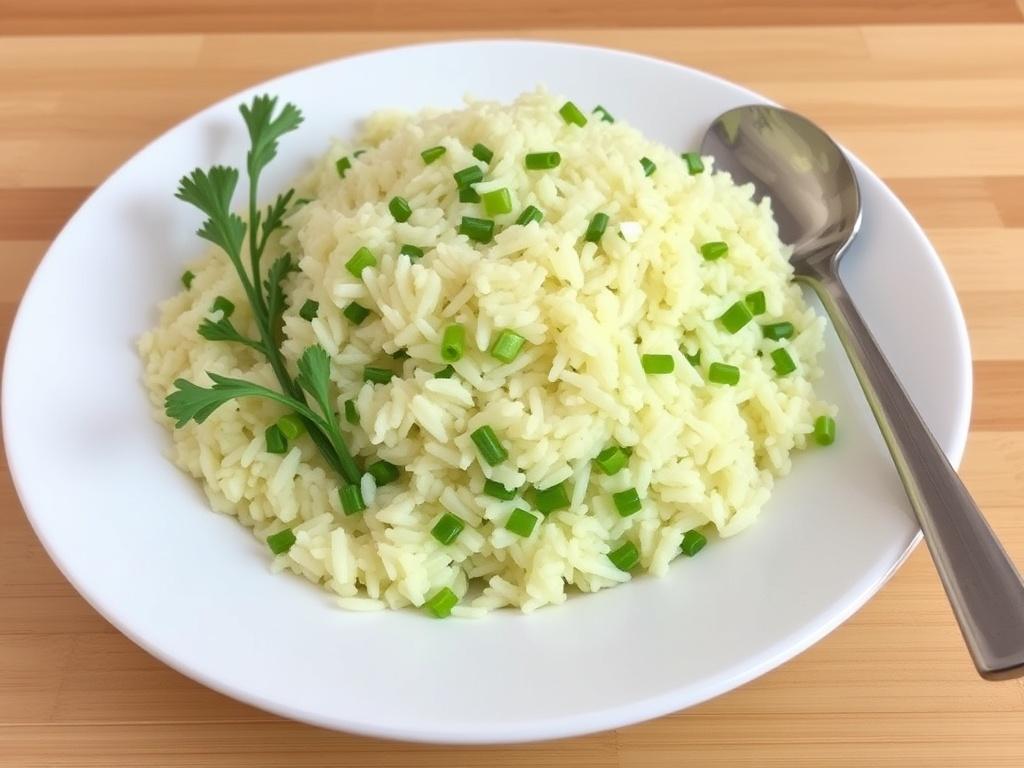
Pilaf with celery can be a balanced dish: rice provides carbohydrates and energy, while celery brings fiber, vitamins K and C, and a low-calorie crunch. Exact values depend on rice type, fat used, and extras like meat or nuts. Below is an approximate nutritional snapshot for one medium serving (about 1 cup) of a vegetable Pilaf with celery made with long-grain white rice and a modest amount of oil.
| Nutrient | Approximate amount per serving |
|---|---|
| Calories | 250–320 kcal |
| Carbohydrates | 45–55 g |
| Protein | 4–6 g |
| Fat | 6–10 g |
| Fiber | 2–4 g |
| Vitamin K (from celery) | moderate amount |
Popularity in different countries Pilaf with celery
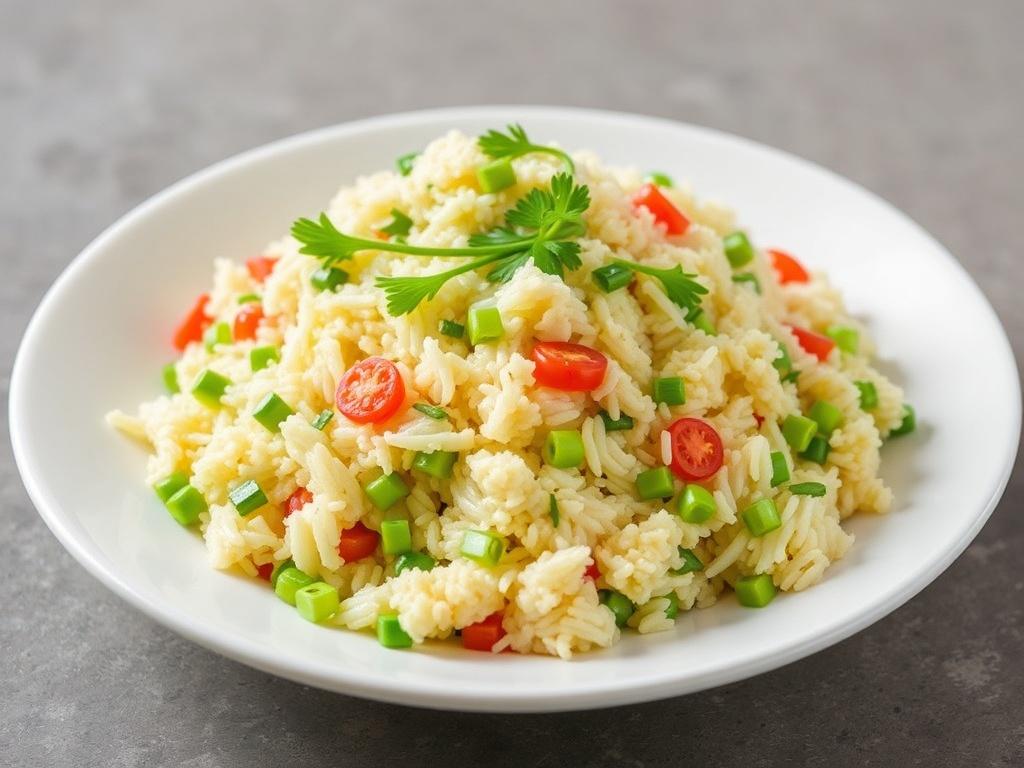
Pilaf variations are beloved from Central Asia to the Mediterranean. In places like Turkey, Lebanon, and parts of Greece, cooks often include vegetables and herbs—celery appears in family recipes where a fresh note is wanted. In Eastern Europe and Russia, rice dishes can take celery as part of a vegetable mix. In modern Western kitchens Pilaf with celery is popular among people seeking comfort food with a lighter, veggie-forward profile. It’s the kind of dish that adapts easily to local ingredients and personal taste.
The best step-by-step cooking recipe for Pilaf with celery
Here’s a clear, reliable recipe that gives you fluffy rice and celery with great texture and flavor. It serves 4.
Ingredients
- 2 cups long-grain rice (basmati or similar), rinsed until water runs clear
- 3 tablespoons olive oil or butter
- 1 medium onion, finely chopped
- 2–3 celery stalks, diced (include some leaves)
- 1 medium carrot, diced (optional, for color and sweetness)
- 2 garlic cloves, minced
- 4 cups low-sodium chicken or vegetable stock
- 1 teaspoon ground cumin or 1 bay leaf and a pinch of turmeric
- Salt and freshly ground black pepper to taste
- Fresh parsley or dill to finish, and lemon wedges to serve
Method
- Rinse and drain the rice. If you have time, soak it for 15–20 minutes, then drain—this helps the grains remain separate.
- Heat the oil in a heavy-bottomed pot over medium heat. Add the onion and cook until translucent and just starting to color, about 4 minutes.
- Add the carrot and celery; cook for another 3–5 minutes until softened but not mushy. Stir in the garlic and spices and toast for 30 seconds to bloom the flavors.
- Add the drained rice and stir for 1–2 minutes so the grains get coated and lightly toasted.
- Pour in the hot stock, season with salt and pepper, bring to a gentle boil. Reduce heat to a low simmer, cover tightly, and cook without lifting the lid for 15–18 minutes, until liquid is absorbed.
- Turn off the heat and let the pilaf rest, covered, for 10 minutes. Fluff gently with a fork, mix in chopped parsley or dill and some celery leaves, adjust seasoning, and serve with lemon wedges.
Tips and variations
- For nuttier flavor, substitute half the rice with brown rice; increase liquid and cooking time accordingly.
- Add toasted almonds or pine nuts for crunch, or fold in raisins for a sweet contrast.
- To make it heartier, brown bite-sized lamb or chicken pieces first, then cook the vegetables in the same pot before adding rice and stock.
- Use celery leaves and lemon zest as a final brightener; they lift the whole dish.
Pilaf with celery is a brilliant example of how a small change turns a classic into something fresh. It’s easy to adapt, quick to make, and satisfying whether you serve it as a side or a main. Try it tonight and note how a few stalks of celery bring the whole pot to life.


